- No. 268 Xianghe Street, Economic Development Zone of Xingtai city, Hebei 054001 China
- Byron@hbhongri.cn
Red Crushed Chilli - Industrial Quality and Supplier Insights
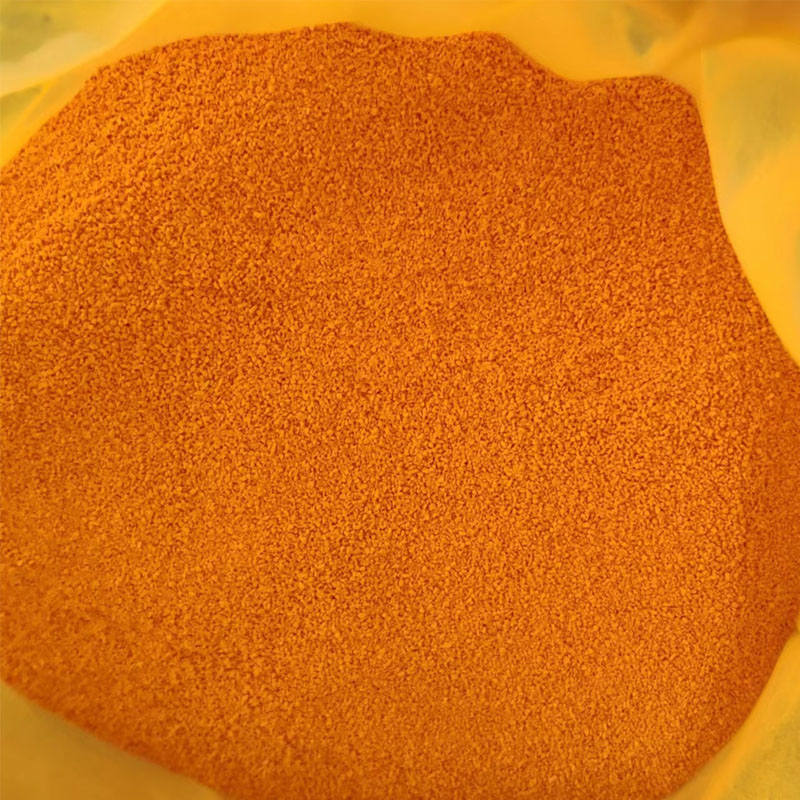
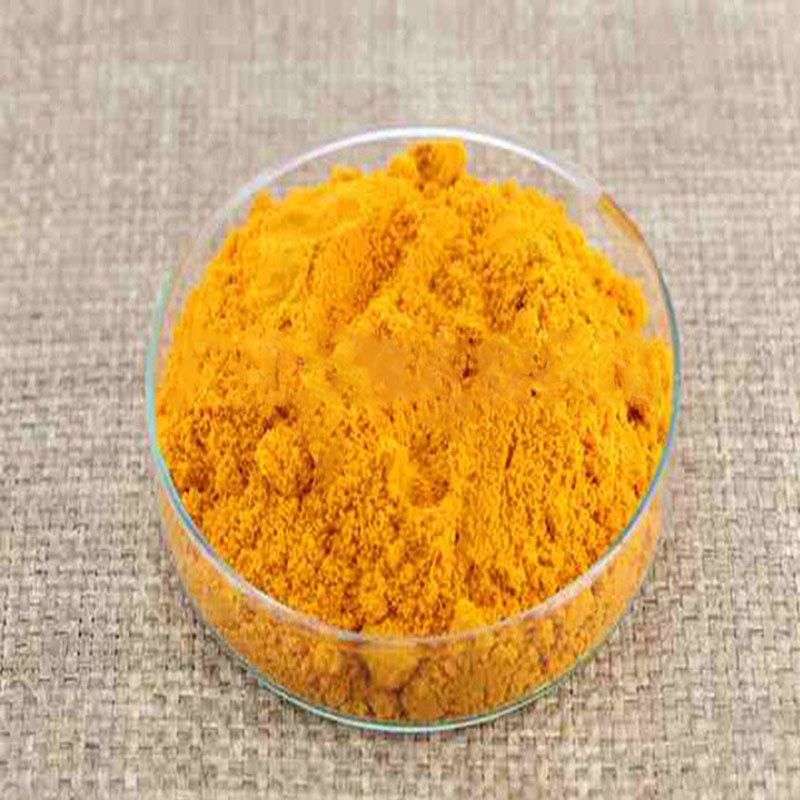
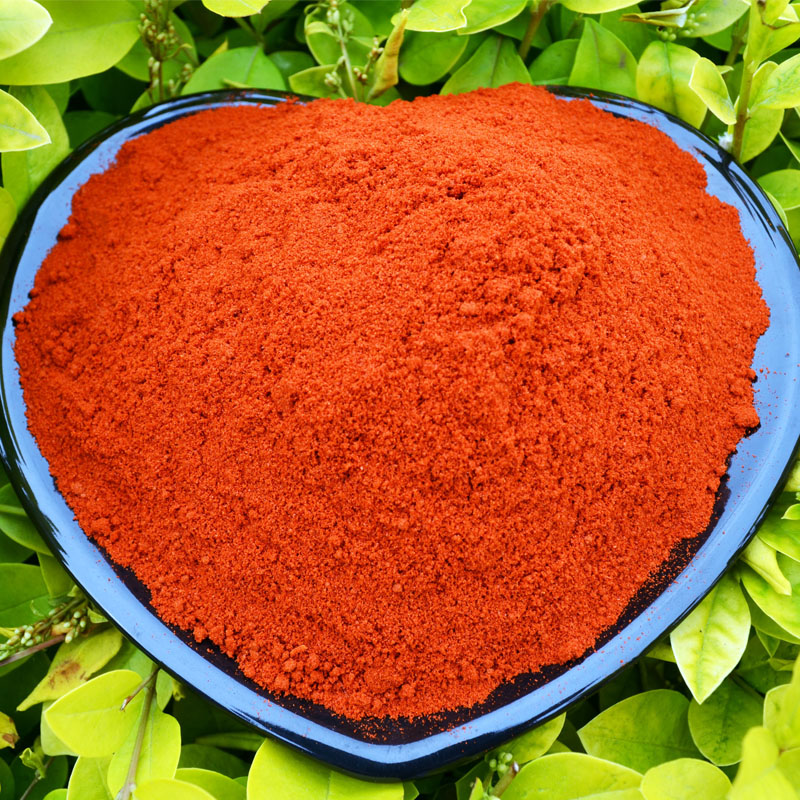
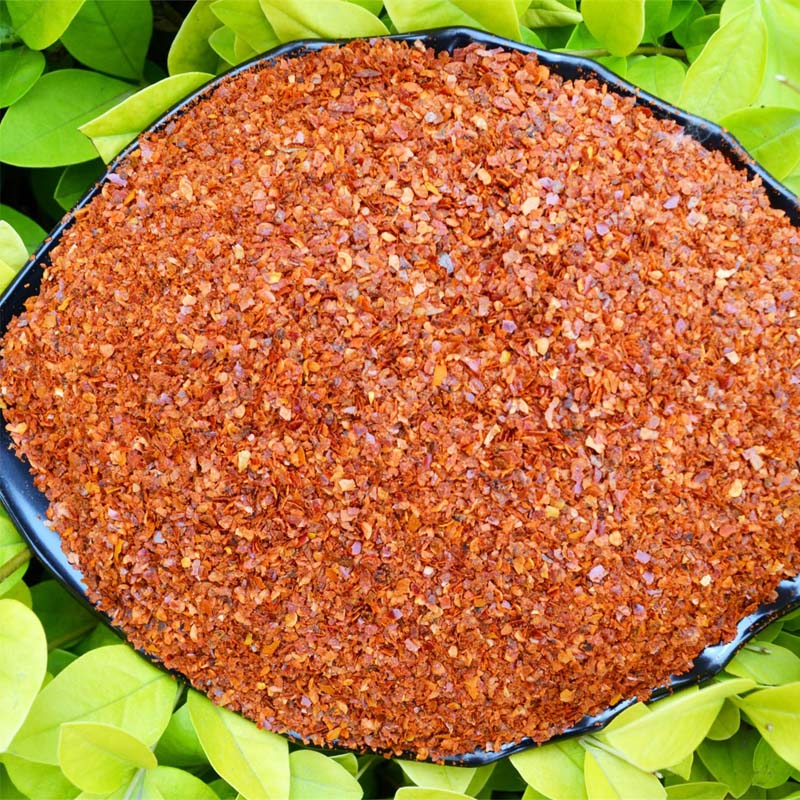
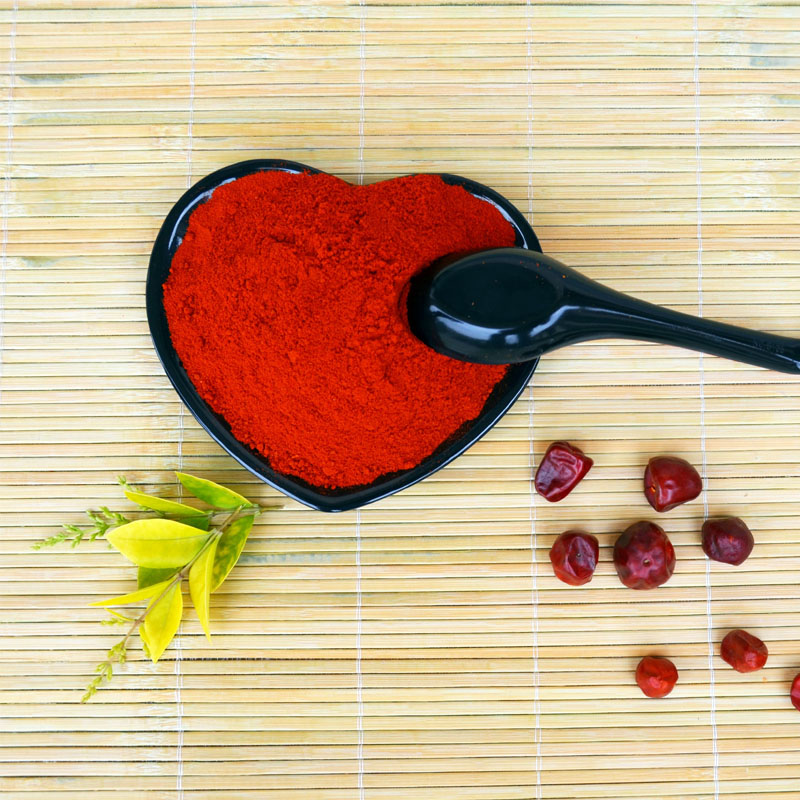
Red Crushed Chilli: A Fiery Staple in Industrial Spice Production
Having spent quite some years in the industrial equipment sector, particularly around food processing plants, I’ve come to appreciate the subtle complexities of commodities like red crushed chilli. You might think it’s just crushed peppers, but there’s a lot more behind this fiery powder. Frankly, the industry is a fascinating mix of tradition and modern tech, and red crushed chilli stands at the intersection.
In real terms, red crushed chilli isn’t merely about heat; it’s the tactile crunch, aroma, and color consistency that make it indispensable in food processing and seasoning mixes. The suppliers I’ve worked with often emphasize origin, drying methods, and crushing grades — these factors materially affect quality, shelf life, and flavor profile.
Oddly enough, many operators in the sector overlook the significance of particle size in red crushed chilli. For example, a finer crush releases more oils, bringing out stronger aroma but at the risk of quicker color fading. Conversely, coarser flakes maintain color longer and add texture but might score lower on pungency. It’s a balancing act – and when you’re sourcing or producing commercially, those little details matter.
Recently, I observed a line at a large spice processing plant integrating advanced drying equipment that minimized discoloration and preserved capsaicin content effectively. In my experience, capsaicin level consistency across batches is crucial — it’s the chemical backbone of that signature kick.
| Specification | Details |
|---|---|
| Origin | India, Turkey, China |
| Flake Size | Coarse (3-5 mm), Medium (1-3 mm) |
| Capsaicin Content | 30,000 - 50,000 SHU (Scoville Heat Units) |
| Moisture Content | Max 12% |
| Packaging | 10kg - 25kg Kraft Bags / Bulk Options |
There’s also an interesting point about customization. In industrial spice blending, customers often request tailored crushing grades or blends to suit specific product lines. I recall one food manufacturer who needed a very uniform flake size to optimize mixing in their automated seasoning process — a subtle change, but it paid off in product consistency.
And, since this is an industrial setting, trustworthiness from the vendor is key. It’s not just about price – it’s reliability, batch testing for contaminants, and traceability. That’s why I usually advise clients to check certifications like ISO or HACCP wherever possible.
| Vendor | Price per kg | Certifications | Lead Time | Quality Consistency |
|---|---|---|---|---|
| Hongri Spice | $5.50 | ISO 22000, HACCP | 2 weeks | High |
| Red Flame Co. | $4.80 | ISO 9001 | 3 weeks | Medium |
| SpiceSource Ltd. | $5.00 | HACCP | 1.5 weeks | Medium-High |
Lastly, let me share a little story from the field. A mid-sized snack producer switched to a particular batch of red crushed chilli sourced through Hongri Spice. They noticed not only better color retention but also improved flavor consistency in their spicy crisps. Small nuances, right? But it made a palpable difference in customer feedback and sales.
So, if you’re on the hunt for quality, consistency, and a vendor who understands the industrial quirks of red crushed chilli, a little digging goes a long way. It feels like a simple product, but trust me, industrial spice production is a story about precision and partnership.
Hope this gives you a better angle when handling or purchasing red crushed chilli industrially. And, if you want a good starting point, Hongri Spice is worth checking out.
References:
1. Industry spice production reports, 2018-2023
2. ISO 22000 and HACCP food safety standards documentation
3. Supplier catalogues and quality control trials, personal observations
-
Guide to Sourcing and Using Premium Dried Spicy PeppersNewsApr.16,2026
-
Dried Spur Chili Guide to Premium Flavor and Industrial QualityNewsApr.09,2026
-
Exploring the World of Dried Whole Chili Peppers and Their Culinary UsesNewsApr.07,2026
-
Exploring the Culinary World of Dried Whole Chillies and Their Versatile UsesNewsApr.04,2026
-
Exploring the World of Red Dried Chiles and Their Culinary UsesNewsMar.31,2026
-
Exploring the Culinary World of Red Dried Chili Peppers and Their Versatile UsesNewsMar.28,2026
 Afrikaans
 Albanian
 Amharic
 Arabic
 Armenian
 Azerbaijani
 Basque
 Belarusian
 Bengali
 Bosnian
 Bulgarian
 Catalan
 Cebuano
 Corsican
 Croatian
 Czech
Czech
 Danish
 Dutch
Dutch
 Esperanto
 Estonian
 Finnish
 French
 Frisian
 Galician
 Georgian
 German
 Greek
Greek
 Gujarati
 Haitian Creole
 Hausa
Hausa
 Hawaiian
 Hebrew
 Hindi
Hindi
 Miao
Miao
 Hungarian
 Icelandic
 Igbo
Igbo
 Indonesian
 Irish
Irish
 Italian
 Japanese
 Javanese
 Kannada
 Kazakh
 Khmer
Khmer
 Rwandese
 Korean
 Kurdish
 Kyrgyz
 Lao
Lao
 Latin
Latin
 Latvian
 Lithuanian
 Luxembourgish
 Macedonian
 Malgashi
 Malay
Malay
 Malayalam
 Maltese
 Maori
Maori
 Marathi
 Mongolian
 Myanmar
 Nepali
 Norwegian
 Norwegian
 Occitan
 Pashto
 Persian
 Polish
 Portuguese
 Punjabi
 Romanian
 Russian
 Samoan
 Scottish Gaelic
 Serbian
 Sesotho
 Shona
Shona
 Sindhi
 Sinhala
 Slovak
 Slovenian
 Somali
 Spanish
 Sundanese
 Swahili
 Swedish
 Tagalog
 Tajik
Tajik
 Tamil
Tamil
 Tatar
Tatar
 Telugu
 Thai
Thai
 Turkish
 Turkmen
 Ukrainian
 Urdu
Urdu
 Uighur
 Uzbek
Uzbek
 Vietnamese
 Welsh
Welsh
 Bantu
Bantu
 Yiddish
 Yoruba
 Zulu
Zulu
 English