- No. 268 Xianghe Street, Economic Development Zone of Xingtai city, Hebei 054001 China
- Byron@hbhongri.cn
Homemade Chili Powder from Fresh Peppers | Authentic, Sustainable Spice
Understanding Homemade Chili Powder from Fresh Peppers: A Global Spice Story
Chili powder is not just a kitchen staple; it's a fragrant thread weaving cultures, economies, and even humanitarian efforts together worldwide. When made at home from fresh peppers, this spice transcends simple seasoning – it becomes a story of tradition, control over ingredients, and sustainability. Why does it matter globally? Well, chili peppers are grown on all continents except Antarctica, and the demand for fresh, vibrant spices continues to soar as consumers seek authentic flavor and healthier alternatives to processed powders.
The key benefit of mastering homemade chili powder from fresh peppers includes superior taste, customized heat levels, and avoiding additives common in commercial blends. It’s a craft that balances art and science, tradition with innovation, and honestly, it feels like bringing a little culinary magic right into your own kitchen.
Global Context: Why Homemade Chili Powder from Fresh Peppers Is Gaining Ground
According to the Food and Agriculture Organization of the UN, worldwide pepper production topped over 4 million metric tons in recent years, with countries like India, China, and Mexico leading the charge.1 Globally, consumers are becoming more conscious of food quality, transparency, and preservation of ethnic flavors. Homemade chili powder offers a way to meet these demands while reducing environmental impact by cutting down on packaging and chemicals.
But there’s a catch. Fresh peppers are perishable and inherently seasonal, often leading to inconsistent supplies or uneven quality, especially in remote or economically challenged regions. Enter homemade chili powder – a solution that empowers cooks and small producers to capture peak freshness instantly, preserving nutritional and flavor qualities that mass-produced versions might lose.
What Exactly Is Homemade Chili Powder from Fresh Peppers?
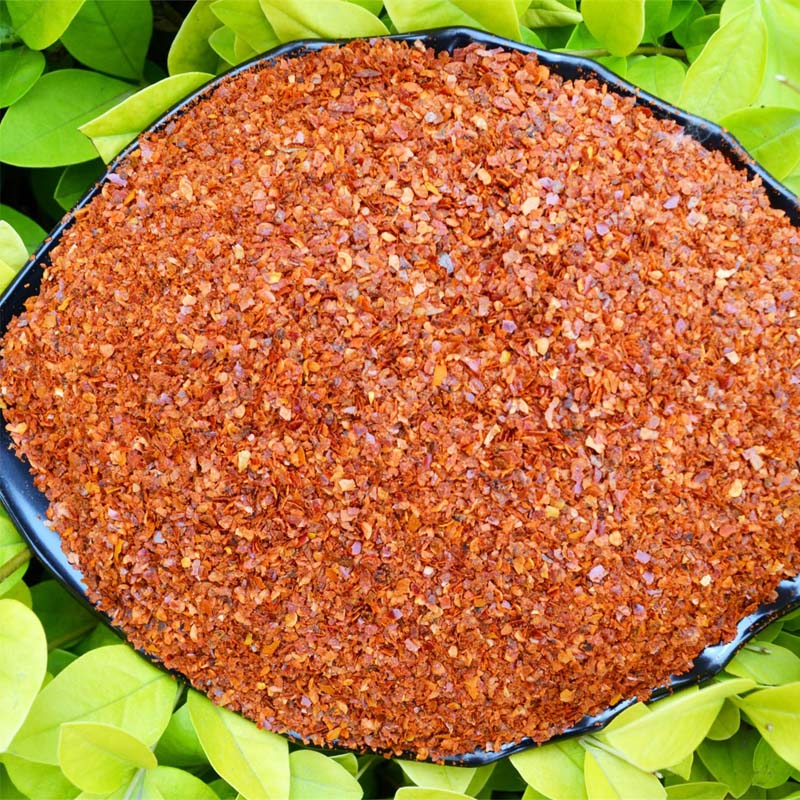
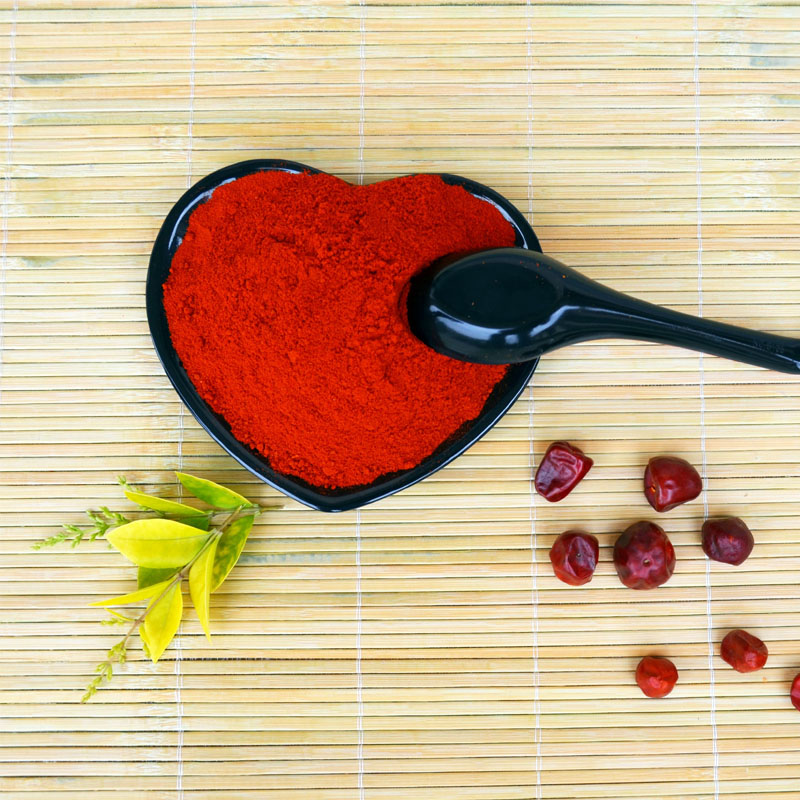
Simply put, homemade chili powder is ground dried chilies processed directly from fresh peppers by drying and grinding them at home or small-scale facilities. This method differs from industrial powders often sourced from mixed or processed batches. When you dry fresh peppers yourself, or obtain them locally, then grind them—maybe in a mortar or a spice mill—you control the quality and the intensity. It’s this connection from fresh to powder that retains vibrant flavors, essential oils, and an unmistakably natural aroma.
This tradition goes beyond cooking. For some communities, homemade chili powder represents cultural heritage and enables smallholder farmers to add value to their harvests. From a broader perspective, it also contributes to food safety by avoiding preservatives and ensuring traceability, which is critical for humanitarian agencies dealing with logistics in disaster-stricken areas.
Key Components That Make Great Homemade Chili Powder
1. Freshness and Quality of Peppers
Obviously, it starts here. The peppers must be ripe, undamaged, and as fresh as possible. The choice of cultivar affects heat, flavor, and color—from fiery Habaneros to mild Anchos.
2. Drying Method
Air drying, sun drying, or using a dehydrator are common methods. The goal is to reduce moisture without losing aroma compounds or causing mold. This step shapes the powder’s final texture and shelf life.
3. Grinding Technique
Home grinders, spice mills, or even pestle and mortar — each offers different particle sizes and consistency. A fine powder is great for blending, while coarser flakes keep more texture.
4. Storage Conditions
Once ground, chili powder is vulnerable to oxidation, light, and humidity. Airtight containers stored in a cool, dark place are essential for preserving flavor over weeks or months.
5. Optional Additives
Some add salt, garlic powder, or other spices to make blends. However, pure homemade chili powder shines for those who want unadulterated freshness.
Global Applications: Where Homemade Chili Powder Truly Spices Things Up
In Latin America, homemade chili powder often preserves indigenous spice blends and cooking styles, fueling both local markets and tourist appeal. In Southwest Asia and Africa, it empowers smallholders and households to reduce dependence on commercial spices, which may be costly or adulterated.
Humanitarian groups use homemade chili powder production as a livelihood tool in post-disaster zones, helping communities restore food processing skills and create economic opportunities. For instance, in rural India, women’s cooperatives have started making and selling dried pepper powders, adding income streams that improve resilience.
homemade chili powder from fresh peppers is also a valuable product for organic markets worldwide, where the absence of preservatives and artificial ingredients drives premium pricing.
| Parameter | Typical Value |
|---|---|
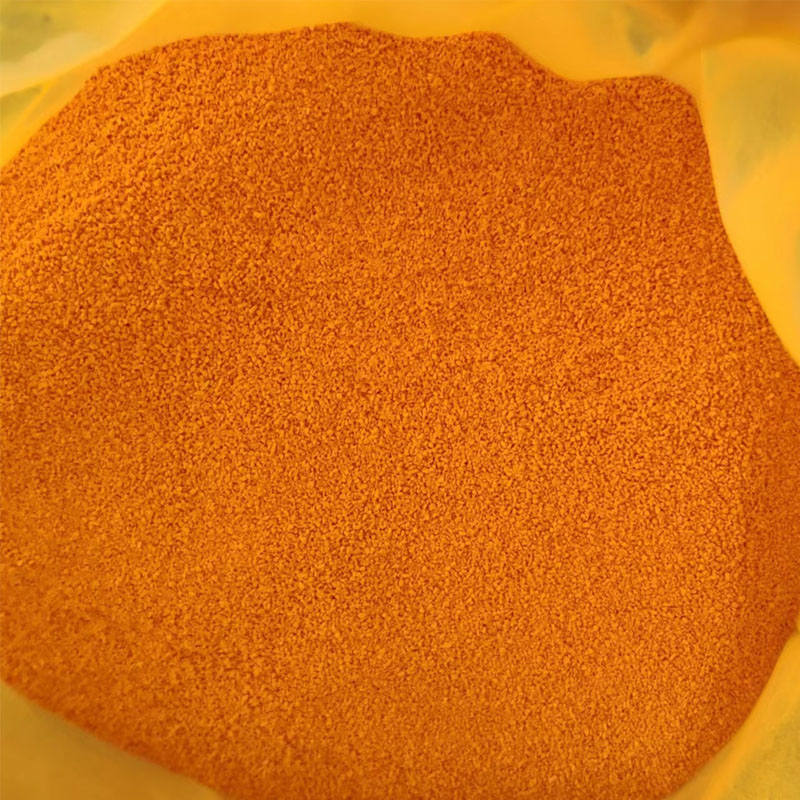
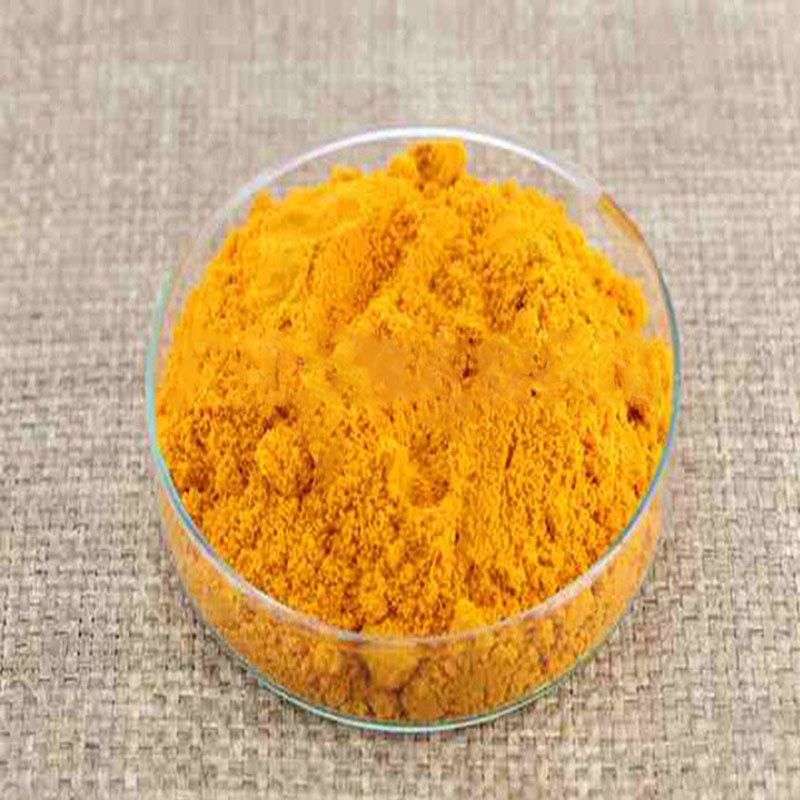
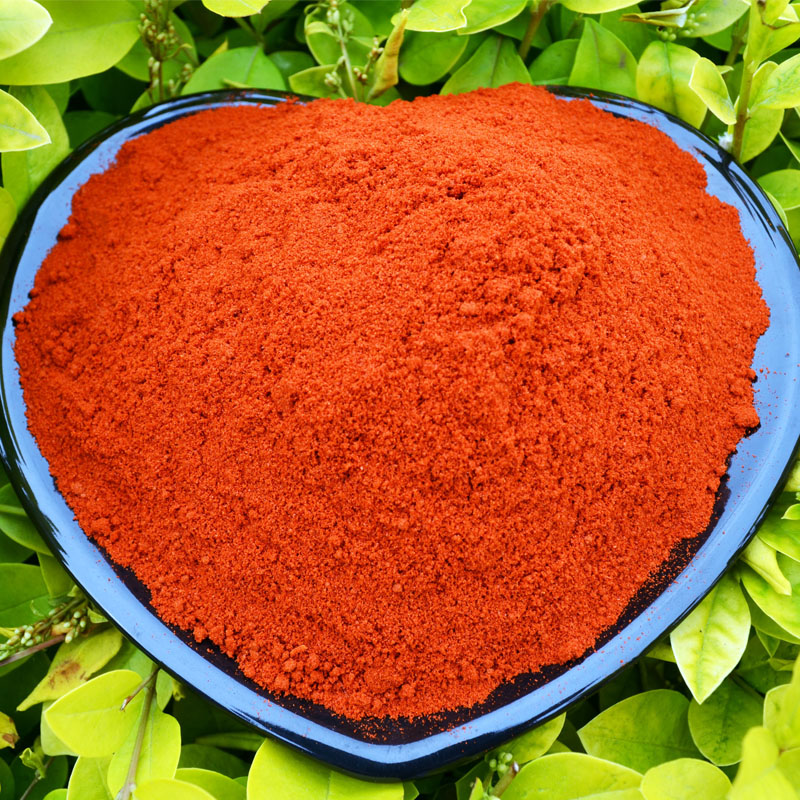
| Color | Deep red-orange |
| Particle Size | 50–200 microns |
| Moisture Content | 6–8% |
| Capsaicin Level | Varies by pepper (10 – 250,000 SHU) |
| Shelf Life | 6–12 months (proper storage) |
Advantages and Long-Term Value of Homemade Chili Powder
- Cost efficiency: Avoiding commercial markup and preservatives can reduce expenses.
- Sustainability: Utilizing local fresh peppers minimizes food miles and packaging waste.
- Flavor integrity: Fresher powders keep essential oils intact, offering fuller, complex notes.
- Empowerment: Small producers and households gain control and additional income.
- Health and safety: By avoiding additives, homemade powders deliver more natural spice experience.
Future Trends in Homemade Chili Powder Production
Interestingly, technology is making its way to traditional spice-making. Solar dehydration is becoming increasingly popular, partnering green energy with long-held practices in regions like Africa and South Asia. There’s also growing experimentation with digital documentation and blockchain to guarantee provenance for organic homemade chili powders — think traceable heat and flavor profiles.
Automation at the small-scale end is improving consistency without compromising artisanal quality, with handheld grinders and moisture sensors becoming more common. Lastly, foods and spices will continue responding to sustainability policies — homemade chili powder fits naturally into that green, waste-minimizing future.
Common Challenges and Practical Solutions
Of course, homemade chili powder production isn’t without hurdles. Fresh pepper availability fluctuates seasonally, causing supply gaps. Drying can be weather-dependent, leading to spoilage if not managed well. And inconsistent grind sizes sometimes reduce product uniformity, which is critical for commercial sale.
Experts recommend combining sun drying with low-cost dehydrators for reliability. Crop diversification and off-season greenhouse growing also help smooth supplies. Meanwhile, standardization tools, like calibrated grinders or even mobile apps that guide processing steps, assist small producers in maintaining quality.
Vendor Comparison: Popular Tools and Materials for Homemade Chili Powder
| Vendor | Equipment | Price Range | Key Feature | Ideal For |
|---|---|---|---|---|
| PepperPro Supplies | Electric Spice Grinder | $45–$80 | Consistent fine grind | Small businesses & hobbyists |
| DryWell Dehydrators | Multi-tray Food Dehydrator | $100–$150 | Uniform drying, temp control | Home use, small farms |
| Rustic Kitchenware | Traditional Mortar and Pestle | $20–$40 | Natural, coarse grinding | Artisan cooks, cultural use |
Frequently Asked Questions About Homemade Chili Powder from Fresh Peppers
Q1: How do I ensure my homemade chili powder keeps its flavor over time?
A: Store your powder in airtight, opaque containers away from sunlight and humidity. Using freshly dried peppers and grinding just before use helps maintain maximum aroma and heat. Ideally, consume within 6 to 12 months.
Q2: Can I use any type of fresh pepper for homemade chili powder?
A: Absolutely. Different peppers offer varying heat and flavor profiles, from mild to intense. Popular choices include cayenne, jalapeño (when dried), and ancho. Experimenting lets you tailor the blend to your taste.
Q3: What's the safest way to dry fresh peppers at home?
A: Sun drying works well in hot, dry climates but always check for mold. Alternatively, use an electric food dehydrator to control temperature and airflow, ensuring safe drying without nutrient loss.
Q4: Is homemade chili powder more nutritious than store-bought?
A: Typically, yes. Homemade powder often retains more vitamins and essential oils because it’s made from fresher peppers and lacks preservatives or fillers found in many commercial products.
Q5: How can homemade chili powder from fresh peppers fit into sustainable cooking?
A: By using fresh local peppers, minimizing packaging waste, and avoiding additives, homemade chili powder supports eco-friendly cooking — a small but flavorful step towards sustainability.
Conclusion: Why Venture into Homemade Chili Powder?
Making your own chili powder from fresh peppers spins a web of benefits: you get unmatched flavor, support local economies, embrace sustainability, and connect with ancient traditions. It’s a way to claim control over what lands on your plate, without the mystery of industrial processing. If you’re curious to learn more or start your homemade spice journey, I highly recommend visiting https://www.hongrispice.com — where craftsmanship meets innovation in every pinch.
It’s amazing how something so simple as dried peppers can tell such complex stories about culture, ecology, and economy — all in the space of a pinch of homemade chili powder. Sometimes, the smallest details fuel the biggest connections.
References:
-
Guide to Sourcing and Using Premium Dried Spicy PeppersNewsApr.16,2026
-
Dried Spur Chili Guide to Premium Flavor and Industrial QualityNewsApr.09,2026
-
Exploring the World of Dried Whole Chili Peppers and Their Culinary UsesNewsApr.07,2026
-
Exploring the Culinary World of Dried Whole Chillies and Their Versatile UsesNewsApr.04,2026
-
Exploring the World of Red Dried Chiles and Their Culinary UsesNewsMar.31,2026
-
Exploring the Culinary World of Red Dried Chili Peppers and Their Versatile UsesNewsMar.28,2026
 Afrikaans
 Albanian
 Amharic
 Arabic
 Armenian
 Azerbaijani
 Basque
 Belarusian
 Bengali
 Bosnian
 Bulgarian
 Catalan
 Cebuano
 Corsican
 Croatian
 Czech
Czech
 Danish
 Dutch
Dutch
 Esperanto
 Estonian
 Finnish
 French
 Frisian
 Galician
 Georgian
 German
 Greek
Greek
 Gujarati
 Haitian Creole
 Hausa
Hausa
 Hawaiian
 Hebrew
 Hindi
Hindi
 Miao
Miao
 Hungarian
 Icelandic
 Igbo
Igbo
 Indonesian
 Irish
Irish
 Italian
 Japanese
 Javanese
 Kannada
 Kazakh
 Khmer
Khmer
 Rwandese
 Korean
 Kurdish
 Kyrgyz
 Lao
Lao
 Latin
Latin
 Latvian
 Lithuanian
 Luxembourgish
 Macedonian
 Malgashi
 Malay
Malay
 Malayalam
 Maltese
 Maori
Maori
 Marathi
 Mongolian
 Myanmar
 Nepali
 Norwegian
 Norwegian
 Occitan
 Pashto
 Persian
 Polish
 Portuguese
 Punjabi
 Romanian
 Russian
 Samoan
 Scottish Gaelic
 Serbian
 Sesotho
 Shona
Shona
 Sindhi
 Sinhala
 Slovak
 Slovenian
 Somali
 Spanish
 Sundanese
 Swahili
 Swedish
 Tagalog
 Tajik
Tajik
 Tamil
Tamil
 Tatar
Tatar
 Telugu
 Thai
Thai
 Turkish
 Turkmen
 Ukrainian
 Urdu
Urdu
 Uighur
 Uzbek
Uzbek
 Vietnamese
 Welsh
Welsh
 Bantu
Bantu
 Yiddish
 Yoruba
 Zulu
Zulu
 English