- No. 268 Xianghe Street, Economic Development Zone of Xingtai city, Hebei 054001 China
- Byron@hbhongri.cn
Very Hot Ground Red Pepper – Global Uses, Benefits, and Industry Insights
Understanding Very Hot Ground Red Pepper: A Fiery Global Staple
When you hear “very hot ground red pepper,” you might initially think of a kitchen spice that adds fire to a dish. But this fiery ingredient is much more than a mere condiment—it’s a globally significant agricultural product with a rich cultural footprint, economic impact, and intriguing industrial uses. Understanding very hot ground red pepper isn’t just about appreciating its heat; it’s about recognizing how this spice fuels industries, supports agricultural economies, and even influences food security around the world.
The Global Significance of Very Hot Ground Red Pepper
Across continents, from India’s sprawling farms to Mexico’s vibrant markets, very hot ground red pepper holds a unique place. According to the FAO, the global production of chili peppers exceeds 35 million metric tons annually, with a large chunk catering specifically to varieties known for their intense heat.
This spice’s versatility addresses a blend of needs: culinary, medicinal, and even industrial. Yet, challenges like climate change and supply chain disruptions threaten consistent quality and availability. The demand for very hot ground red pepper continues to rise—food manufacturers want it for flavoring snacks and sauces, pharmaceutical companies are interested in capsaicin’s therapeutic properties, and exporters value its commercial potential.
Mini takeaway: Very hot ground red pepper is more than a spice; it's a global commodity with cultural, economic, and industry-wide relevance.
What Exactly Is Very Hot Ground Red Pepper?
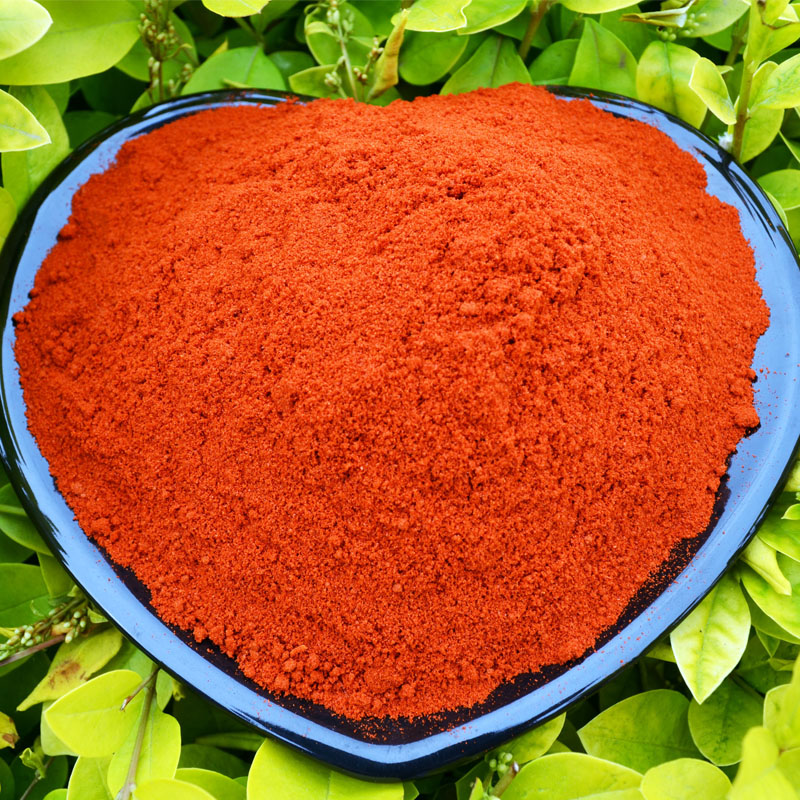
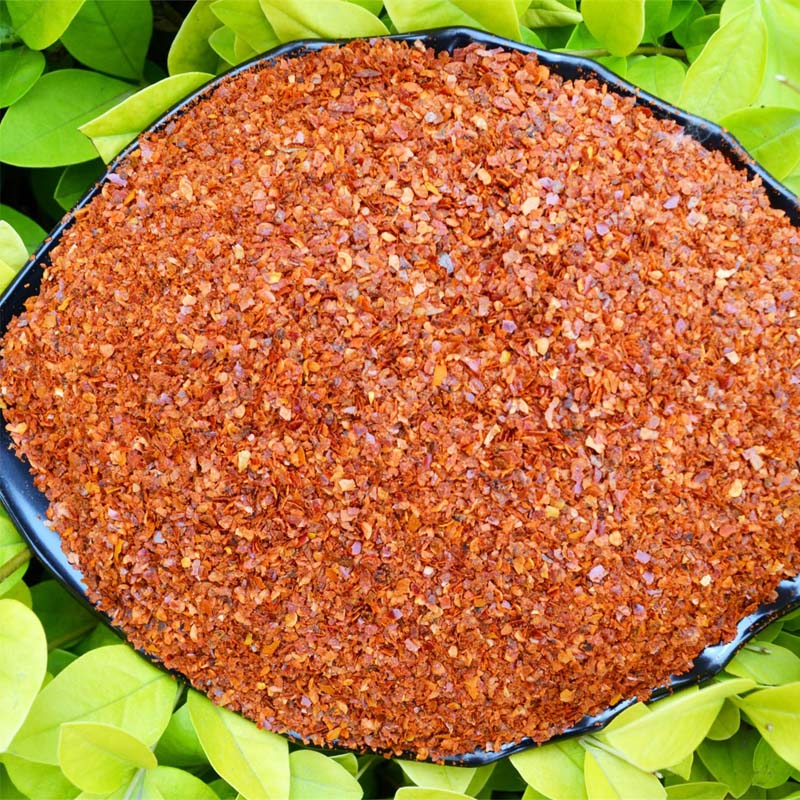
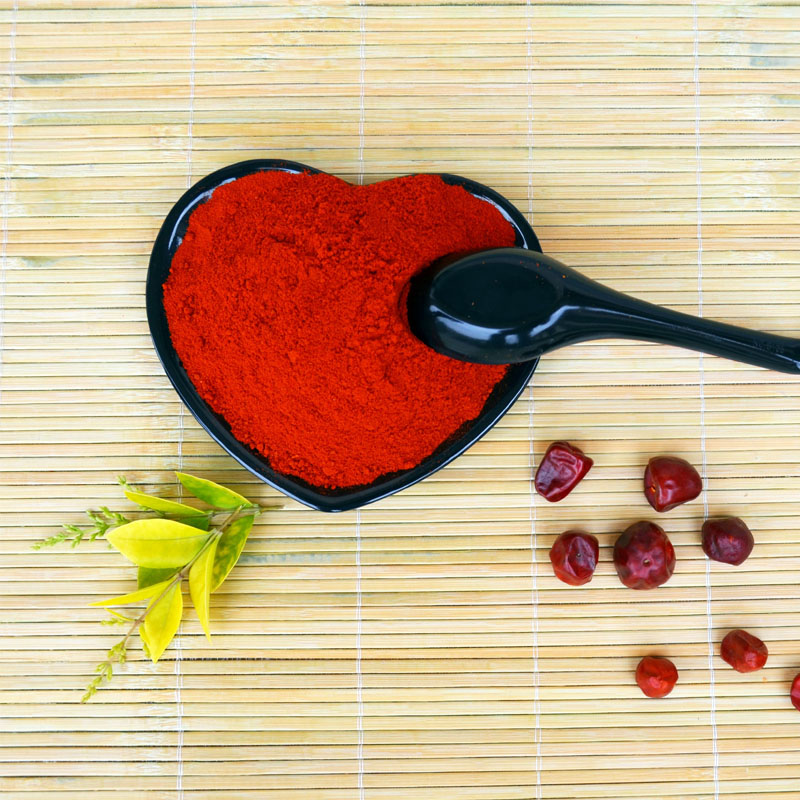
In simple terms, very hot ground red pepper is powdered chili pepper derived from dried pods known for their pungency and heat, often measured on the Scoville Heat Unit (SHU) scale. Varieties like the Bhut Jolokia (Ghost Pepper) or the Cayenne pepper hit high marks, delivering intense spice that’s become a benchmark for “hotness” worldwide.
Its connection to modern industry is curious—beyond food, very hot ground red pepper’s active compound, capsaicin, finds uses in topical pain relief creams and pest deterrents. In humanitarian contexts, it even serves in non-lethal pepper sprays for crowd control or animal protection.
Core Characteristics of Very Hot Ground Red Pepper
1. Heat Intensity
Determined by capsaicin levels, the heat intensity is what sets this pepper apart. Products can range from 50,000 SHU to over a million, vastly influencing their usage.
2. Color and Authenticity
The vibrant red hue signals freshness and quality. Adulteration is a concern here, so sourcing from trustworthy suppliers ensures authentic color and flavor.
3. Storage and Shelf Life
Being a ground product, it can lose potency over time. Proper packaging that limits moisture and air exposure extends its usability.
4. Purity and Processing
High-grade powders avoid fillers and additives. Grinding processes also affect particle fineness, impacting dispersibility in recipes.
5. Origin and Traceability
Traceability from farm to table builds confidence in quality, an increasingly important factor to consumers and regulators alike.
| Parameter | Specification | Unit | Remarks |
|---|---|---|---|
| Capsaicin Content | 50,000 - 1,200,000 | Scoville Heat Units (SHU) | Varies by variety |
| Moisture Content | 8% max | % | For shelf stability |
| Color (ASTA Units) | 80 - 110 | ASTA | Indicates color quality |
| Particle Size | 80-120 mesh | mesh | Fine grinding for uniformity |
Global Applications & Use Cases of Very Hot Ground Red Pepper
In real terms, very hot ground red pepper touches many aspects of daily life and industry:
- Food Industry: Used to spice up sauces, snacks, and seasoning blends worldwide.
- Pharmaceuticals: Capsaicin extracted for topical analgesics to soothe muscle and joint pain.
- Animal Care: Natural deterrents against pests and wildlife, reducing need for chemicals.
- Security: Ingredient in some non-lethal deterrents and pepper sprays.
- Agriculture: Supporting farmers in economies like India, Mexico, and China, areas that dominate production.
For instance, in post-disaster relief efforts, packaging foods with very hot ground red pepper adds both nourishment and that familiar spicy kick, comforting affected communities. Oddly enough, it’s a small element that creates a big emotional lift.
Vendor Comparison: Popular Suppliers of Very Hot Ground Red Pepper
| Vendor | Origin | Heat Range (SHU) | Certification | MOQ |
|---|---|---|---|---|
| SpiceCo Global | India | 100,000-800,000 | ISO 22000, Organic | 500 kg |
| RedFire Exports | Mexico | 120,000-1,000,000 | HACCP, USDA Organic | 300 kg |
| Capsaicin Central | China | 50,000-700,000 | ISO, GMP | 1000 kg |
The Advantages & Long-Term Value of Very Hot Ground Red Pepper
At a glance, the tangible benefits are clear: it’s cost-effective, versatile, and sustainable. Many food manufacturers appreciate that it provides intense flavor without chemical additives. From a social perspective, sourcing peppers from smallholder farms supports rural livelihoods and traditional practices.
Emotionally, think about why spicy food holds such allure globally. It’s about warmth, excitement, and tradition. There’s innovation too — companies are now investigating greener processing methods that reduce waste and increase capsaicin extraction efficiency.
Innovations and Trends Shaping the Future
Particularly fascinating are emerging harvesting technologies, including robotic crop pickers guided by AI, improving yield and quality consistency. On packaging, biodegradable films prolong shelf life while aligning with sustainability goals. Also, the cultivation of ultra-hot hybrid peppers promises even fresher and hotter powders.
In the wider food tech world, expect to see blends of very hot ground red pepper combined with other botanicals targeting clean-label consumers.
Challenges & Practical Solutions
Challenges? Absolutely. Variability in heat and quality can frustrate buyers — climate factors, harvesting times, and processing impact consistency. Then there’s adulteration, a nasty problem that undermines trust. But vendors committed to traceability and lab verification help overcome these hurdles. Technology-enabled cold-chain logistics also preserve quality better than traditional methods.
FAQ: Your Questions About Very Hot Ground Red Pepper
- Q: What makes very hot ground red pepper hotter than regular chili powder?
A: It’s all about the capsicum species and capsaicin concentration. Very hot varieties like the Bhut Jolokia have capsaicin levels that can exceed one million SHU, several times hotter than common chili powders. - Q: How should I store very hot ground red pepper to maintain freshness?
A: Store it in airtight containers away from heat and light—ideally a cool, dry pantry. Oxygen and moisture degrade the heat and color over time. - Q: Can very hot ground red pepper be used in medicines?
A: Yes, capsaicin extracted from very hot peppers is a key ingredient in topical creams for pain relief and is being explored for other therapeutic uses. - Q: How can international buyers ensure quality and authenticity?
A: Request certificates of analysis, check for certifications like ISO or HACCP, and buy from reputable suppliers who offer traceability from farm to final product.
Wrapping Up: The Fiery Future of Very Hot Ground Red Pepper
So, whether you’re a food producer hunting for quality spice or someone fascinated by the global journey of ingredients, very hot ground red pepper stands out—fiery, versatile, and deeply woven into economic and cultural fabrics worldwide. Its sustained popularity speaks volumes about its value, touching everything from local dishes to global markets.
Curious to experience authentic, high-quality very hot ground red pepper? Visit our website: https://www.hongrispice.com, where fiery passion meets premium quality.
Here’s the thing: spice isn’t just flavor — it’s history, science, and a splash of adventure on your palate.
References:
1. Food and Agriculture Organization (FAO). “Chili Production Statistics.” www.fao.org
2. International Organization for Standardization (ISO). “Spice Quality Standards.” www.iso.org
3. National Center for Biotechnology Information (NCBI). “Capsaicin in Medicine.” www.ncbi.nlm.nih.gov
-
Guide to Sourcing and Using Premium Dried Spicy PeppersNewsApr.16,2026
-
Dried Spur Chili Guide to Premium Flavor and Industrial QualityNewsApr.09,2026
-
Exploring the World of Dried Whole Chili Peppers and Their Culinary UsesNewsApr.07,2026
-
Exploring the Culinary World of Dried Whole Chillies and Their Versatile UsesNewsApr.04,2026
-
Exploring the World of Red Dried Chiles and Their Culinary UsesNewsMar.31,2026
-
Exploring the Culinary World of Red Dried Chili Peppers and Their Versatile UsesNewsMar.28,2026
 Afrikaans
 Albanian
 Amharic
 Arabic
 Armenian
 Azerbaijani
 Basque
 Belarusian
 Bengali
 Bosnian
 Bulgarian
 Catalan
 Cebuano
 Corsican
 Croatian
 Czech
Czech
 Danish
 Dutch
Dutch
 Esperanto
 Estonian
 Finnish
 French
 Frisian
 Galician
 Georgian
 German
 Greek
Greek
 Gujarati
 Haitian Creole
 Hausa
Hausa
 Hawaiian
 Hebrew
 Hindi
Hindi
 Miao
Miao
 Hungarian
 Icelandic
 Igbo
Igbo
 Indonesian
 Irish
Irish
 Italian
 Japanese
 Javanese
 Kannada
 Kazakh
 Khmer
Khmer
 Rwandese
 Korean
 Kurdish
 Kyrgyz
 Lao
Lao
 Latin
Latin
 Latvian
 Lithuanian
 Luxembourgish
 Macedonian
 Malgashi
 Malay
Malay
 Malayalam
 Maltese
 Maori
Maori
 Marathi
 Mongolian
 Myanmar
 Nepali
 Norwegian
 Norwegian
 Occitan
 Pashto
 Persian
 Polish
 Portuguese
 Punjabi
 Romanian
 Russian
 Samoan
 Scottish Gaelic
 Serbian
 Sesotho
 Shona
Shona
 Sindhi
 Sinhala
 Slovak
 Slovenian
 Somali
 Spanish
 Sundanese
 Swahili
 Swedish
 Tagalog
 Tajik
Tajik
 Tamil
Tamil
 Tatar
Tatar
 Telugu
 Thai
Thai
 Turkish
 Turkmen
 Ukrainian
 Urdu
Urdu
 Uighur
 Uzbek
Uzbek
 Vietnamese
 Welsh
Welsh
 Bantu
Bantu
 Yiddish
 Yoruba
 Zulu
Zulu
 English