- No. 268 Xianghe Street, Economic Development Zone of Xingtai city, Hebei 054001 China
- Byron@hbhongri.cn
Understanding Hot Crushed Red Pepper: Global Importance, Uses & Benefits
Exploring Hot Crushed Red Pepper: A Spice of Global Significance
Hot crushed red pepper—the fiery, flavorful staple that peppers many cuisines worldwide—is more than just a spice to tingle your taste buds. Its global relevance cuts across cultural, economic, and even humanitarian lines. Frankly, understanding what hot crushed red pepper is and the nuances behind its production and use isn’t just for foodies; it’s a gateway to appreciating how a simple spice impacts trade, agriculture, and even health sectors worldwide.
Why Hot Crushed Red Pepper Matters Globally
Consider this: chili peppers are cultivated on every continent except Antarctica, with global production surpassing 36 million metric tons in 2022 1. Hot crushed red pepper, made by drying and crushing mature chili pods, is a quick, versatile way to add heat and color to dishes. But beyond kitchens, its role extends to boosting farmers’ livelihoods, supporting trade economies, and even driving research into capsaicin-related medicinal uses. That’s why some might say hot crushed red pepper is quite literally a global connector of cultures, commerce, and innovation.
As global cuisine grows increasingly adventurous and health-conscious, demand for hot crushed red pepper continues to surge, posing questions about supply chain sustainability, quality standards, and fair trade practices.
Mini takeaway: Hot crushed red pepper is not only a culinary powerhouse but also a significant global commodity intertwined with agriculture, trade, and health.What Exactly Is Hot Crushed Red Pepper?
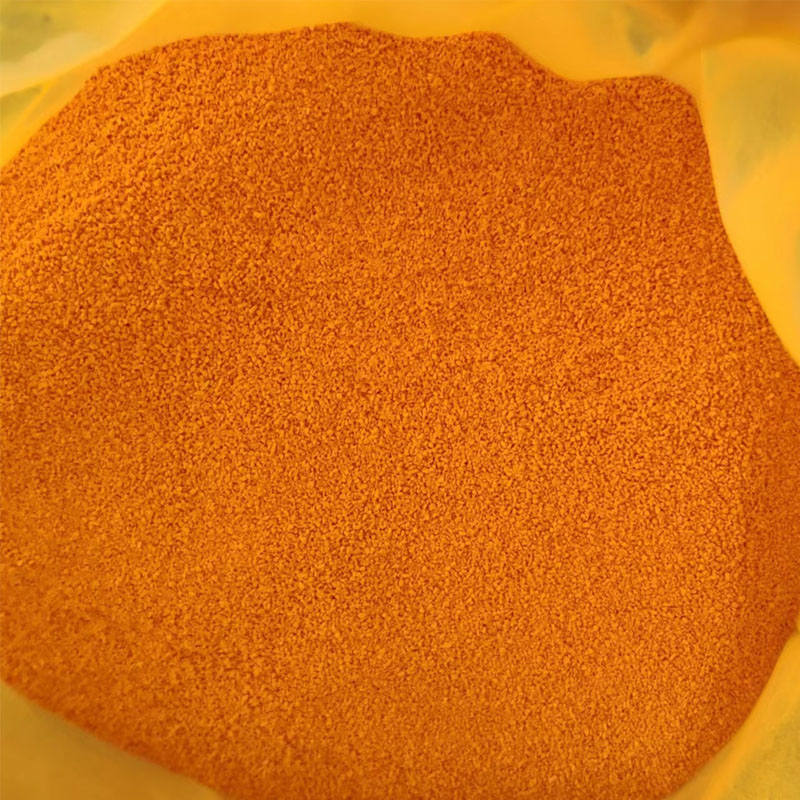
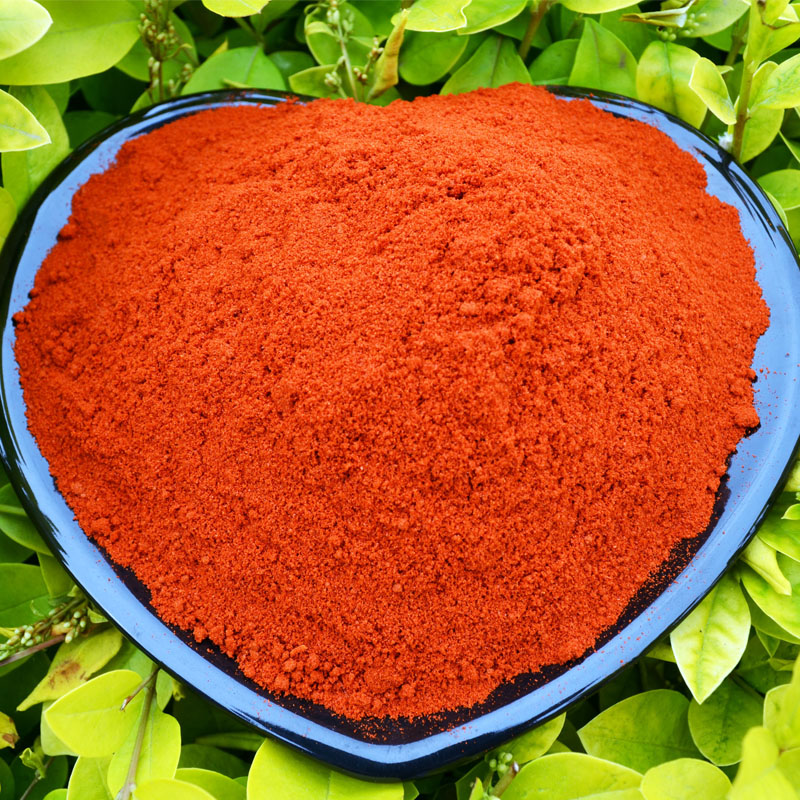
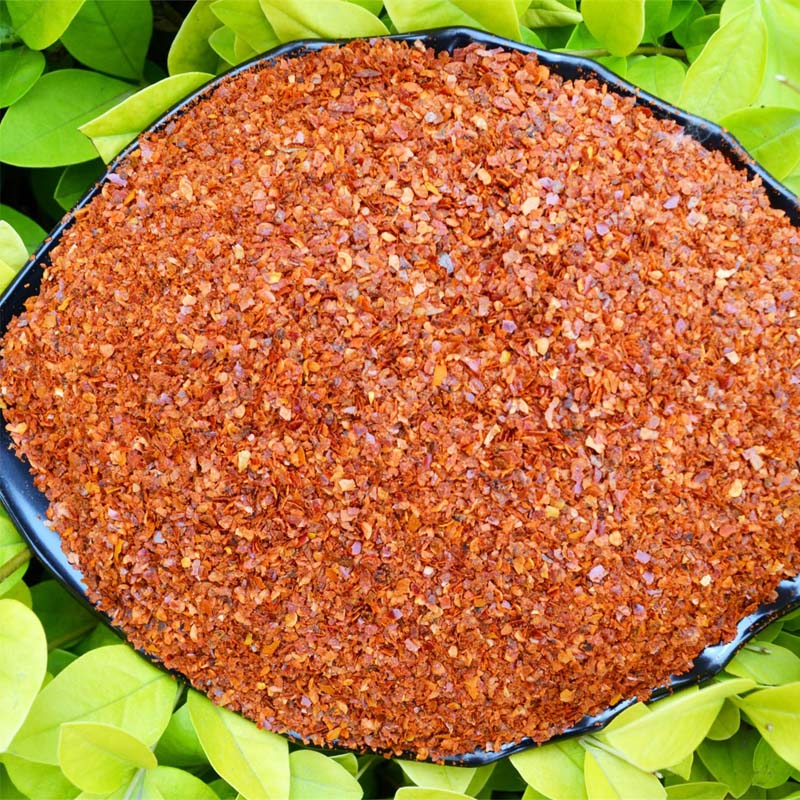
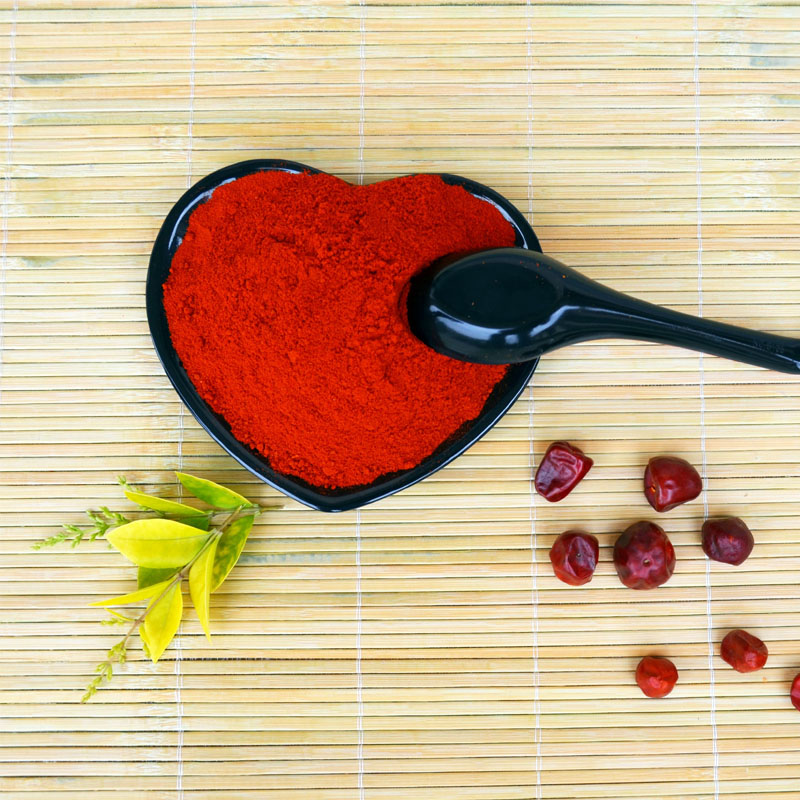
In everyday terms, hot crushed red pepper is made by drying red chili peppers and then crushing them into coarse flakes, often with some seeds mixed in to preserve heat and aroma. Unlike chili powder, which is finely ground, these flakes maintain a distinct texture that cooks and customers love for their punchy, layered heat.
Modern industries—from food manufacturing to health supplement companies—rely on standardized hot crushed red pepper for consistent quality. In a humanitarian context, spicy food adds comfort in post-disaster relief meals, lifting spirits with a dash of familiarity.
Core Components of Hot Crushed Red Pepper
1. Capsaicin Content (Heat Level)
This is the fiery molecule responsible for that signature chili burn. Capsaicin levels can vary widely—from milder varieties like Aleppo to the intense heat of cayenne. Producers often measure Scoville Heat Units (SHU) to standardize products.
2. Color & Appearance
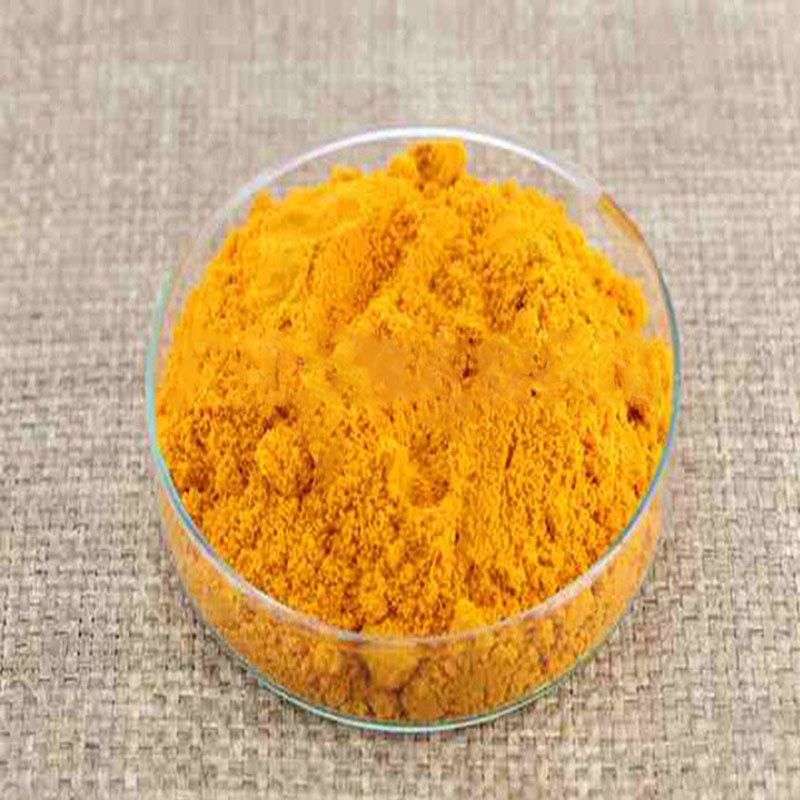
The visual appeal ranges from bright red flakes to deeper, rusty hues. It matters beyond aesthetics since color often indicates freshness and quality. Consumers tend to trust vibrant, evenly colored flakes.
3. Moisture Level
Low moisture content (usually under 12%) ensures a longer shelf life and prevents spoilage. Industry standards require rigorous drying processes to maintain this.
4. Purity & Texture
Good hot crushed red pepper favors an even flake size, minimal stems, and consistent crushing to maintain usability in mechanical processes or sprinkling.
5. Origin & Certification
Where it’s grown impacts flavor nuances; certifications such as ISO 9001 or organic labels build buyer trust, especially in export markets.
Mini takeaway: Understanding the spice’s heat, color, moisture, texture, and origin is key to appreciating its quality and applications in various industries.Global Applications & Use Cases of Hot Crushed Red Pepper
Hot crushed red pepper is a staple in many culinary traditions—from American Tex-Mex kitchens to Korean and Indian households. But its uses go beyond just seasoning food:
- Food Manufacturing: Mass producers use it in sauces, snacks, and ready meals to deliver consistent heat.
- Pharmaceuticals & Cosmetics: Extracts of capsaicin derived from crushed peppers are used in creams/pain relief patches.
- Trade & Export: Countries like India, Turkey, and Mexico have built sizeable export economies around chili products.
- Humanitarian & Relief Efforts: In post-disaster zones, adding hot crushed red pepper to relief food supplies helps preserve cultural eating habits, promoting emotional well-being.
- Agricultural Development: Chili farming contributes substantially to smallholder farmer incomes in developing regions.
For example, in rural Eastern Africa, chili farming has empowered women-led cooperatives, turning hot crushed red pepper into a source of local pride and economic independence.
Mini takeaway: This spice is more than flavor—it’s a multi-sectoral commodity impacting nutrition, economy, and social empowerment worldwide.Advantages & Long-term Value of Hot Crushed Red Pepper
In practical terms, hot crushed red pepper offers producers and consumers alike several tangible benefits:
- Cost Efficiency: Drying and crushing peppers reduces weight and volume, lowering shipping costs.
- Shelf Stability: Properly dried flakes last long without preservatives.
- Social and Emotional Value: It connects people to cuisine and identity, which matters a lot in food aid contexts.
- Health Benefits: Capsaicin shows evidence for metabolism boost, pain relief, and anti-inflammatory effects.
- Sustainability: Many chili varieties require relatively low water input, offering environmental advantages versus other crops.
Reliability in quality spices can build brand trust, an asset for suppliers in a crowded global marketplace.
Specifications of Popular Hot Crushed Red Pepper Products
| Specification | Typical Range | Industry Standard |
|---|---|---|
| Capsaicin Level (SHU) | 30,000 - 50,000 | >30,000 SHU |
| Moisture Content | 8% - 12% | ≤12% |
| Flake Size | 2-6 mm | 3-5 mm Ideal |
| Color | Bright Red to Deep Orange | Uniform & Vibrant |
Vendor Comparison of Hot Crushed Red Pepper Suppliers
| Supplier | Country | Organic Certified | Minimum Order | Price Range (per kg) |
|---|---|---|---|---|
| SpiceCo India | India | Yes | 500 kg | $3.50 - $5.00 |
| RedFlare Exports | Turkey | No | 1000 kg | $2.80 - $4.25 |
| Chili World Ltd. | Mexico | Yes | 250 kg | $4.00 - $6.50 |
Emerging Trends and Innovations in Hot Crushed Red Pepper
Oddly enough, technology is making chili spice production way more innovative than one might expect. From drone monitoring of chili fields to blockchain-based supply chain traceability, the industry is evolving fast. Green energy-powered drying systems are also gaining traction, reducing carbon footprints.
There's also ongoing research into breeding peppers with tailor-made heat profiles and consistent capsaicin content — promising better consumer experiences. Sustainability matters now more than ever, so expect certifications and ethical sourcing to become standard, responding to consumer demand for transparency.
Challenges & Practical Solutions
Despite its popularity, hot crushed red pepper faces challenges like inconsistent quality due to climatic variations, pest outbreaks, and adulteration risks. For instance, in some regions, poor drying techniques can lead to mold contamination.
But many producers are adopting modern moisture control tech and rigorous lab testing to counter these issues. NGOs and governments are also training farmers on sustainable cultivation and post-harvest handling, improving both quality and yield.
FAQ: Frequently Asked Questions About Hot Crushed Red Pepper
- Q: What’s the difference between hot crushed red pepper and chili powder?
- A: Hot crushed red pepper consists of coarsely crushed dried chili flakes maintaining texture and some seeds, whereas chili powder is finely ground and often mixed with other spices. The flakes give a sharper, layered heat and a crunch, ideal for sprinkling.
- Q: How should I store hot crushed red pepper to keep it fresh?
- A: Keep it airtight in a cool, dark place away from moisture and sunlight. Exposure to air and light can degrade color, aroma, and heat over time.
- Q: Is organic hot crushed red pepper noticeably different from conventional?
- A: Organic versions avoid synthetic pesticides and fertilizers, often appealing to health-conscious consumers. Flavor differences can be subtle but some find organic flakes offer cleaner, more vibrant taste.
- Q: Can hot crushed red pepper help with pain relief?
- A: Yes, capsaicin—the heat compound—is used in topical creams to relieve conditions like arthritis by desensitizing nerve receptors. However, the culinary spice itself isn’t a substitute for medicinal preparations.
- Q: How do exporters ensure safety and quality in international trade of hot crushed red pepper?
- A: They follow hygiene protocols, proper drying standards, and lab testing for contaminants. Compliance with ISO and food safety certifications is essential to meet importing country regulations.
Conclusion: Savoring the Lasting Impact of Hot Crushed Red Pepper
Hot crushed red pepper is much more than a spicy condiment. It embodies a complex intersection of agriculture, global trade, culture, and innovation. Whether enhancing the flavor of your favorite dish or boosting local economies hundreds of miles away, it offers spicy warmth with a powerful punch to our global community.
If you’re curious to explore authentic, quality hot crushed red pepper or learn more about its fascinating journey from farm to table, do visit our resource-packed website: hot crushed red pepper. Your next culinary adventure awaits!
As I've often seen on spice farms, sometimes the most fiery flavor comes from the smallest red pepper—and it’s a reminder that tiny things can have huge impacts.
References:
-
Guide to Sourcing and Using Premium Dried Spicy PeppersNewsApr.16,2026
-
Dried Spur Chili Guide to Premium Flavor and Industrial QualityNewsApr.09,2026
-
Exploring the World of Dried Whole Chili Peppers and Their Culinary UsesNewsApr.07,2026
-
Exploring the Culinary World of Dried Whole Chillies and Their Versatile UsesNewsApr.04,2026
-
Exploring the World of Red Dried Chiles and Their Culinary UsesNewsMar.31,2026
-
Exploring the Culinary World of Red Dried Chili Peppers and Their Versatile UsesNewsMar.28,2026
 Afrikaans
 Albanian
 Amharic
 Arabic
 Armenian
 Azerbaijani
 Basque
 Belarusian
 Bengali
 Bosnian
 Bulgarian
 Catalan
 Cebuano
 Corsican
 Croatian
 Czech
Czech
 Danish
 Dutch
Dutch
 Esperanto
 Estonian
 Finnish
 French
 Frisian
 Galician
 Georgian
 German
 Greek
Greek
 Gujarati
 Haitian Creole
 Hausa
Hausa
 Hawaiian
 Hebrew
 Hindi
Hindi
 Miao
Miao
 Hungarian
 Icelandic
 Igbo
Igbo
 Indonesian
 Irish
Irish
 Italian
 Japanese
 Javanese
 Kannada
 Kazakh
 Khmer
Khmer
 Rwandese
 Korean
 Kurdish
 Kyrgyz
 Lao
Lao
 Latin
Latin
 Latvian
 Lithuanian
 Luxembourgish
 Macedonian
 Malgashi
 Malay
Malay
 Malayalam
 Maltese
 Maori
Maori
 Marathi
 Mongolian
 Myanmar
 Nepali
 Norwegian
 Norwegian
 Occitan
 Pashto
 Persian
 Polish
 Portuguese
 Punjabi
 Romanian
 Russian
 Samoan
 Scottish Gaelic
 Serbian
 Sesotho
 Shona
Shona
 Sindhi
 Sinhala
 Slovak
 Slovenian
 Somali
 Spanish
 Sundanese
 Swahili
 Swedish
 Tagalog
 Tajik
Tajik
 Tamil
Tamil
 Tatar
Tatar
 Telugu
 Thai
Thai
 Turkish
 Turkmen
 Ukrainian
 Urdu
Urdu
 Uighur
 Uzbek
Uzbek
 Vietnamese
 Welsh
Welsh
 Bantu
Bantu
 Yiddish
 Yoruba
 Zulu
Zulu
 English