- No. 268 Xianghe Street, Economic Development Zone of Xingtai city, Hebei 054001 China
- Byron@hbhongri.cn
Crushed Red Chili Pepper-Xingtai Hongri Biotech Co., Ltd.|Flavorful Condiment&Health Benefits
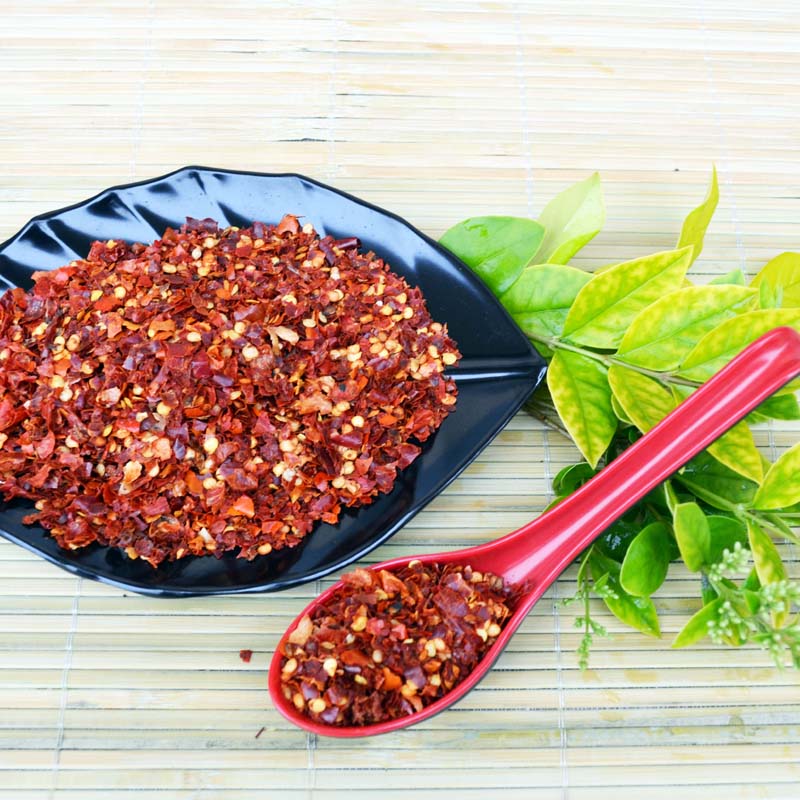
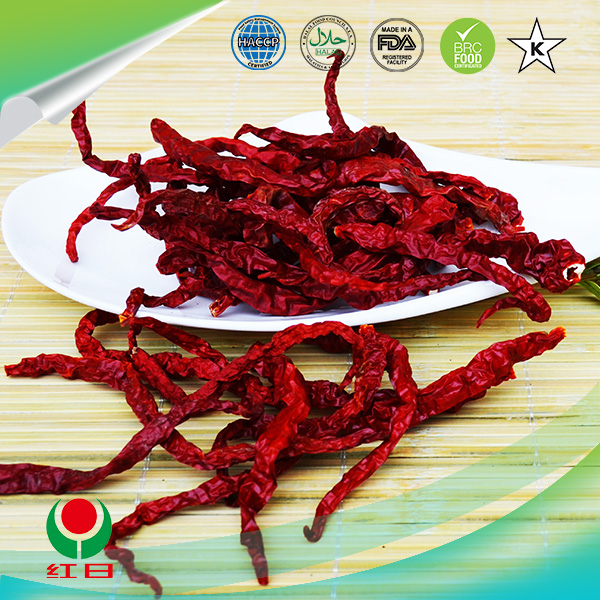
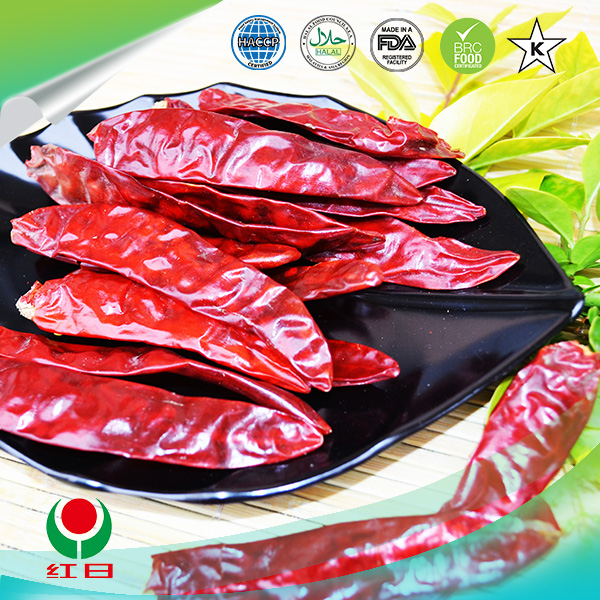
Crushed red chili pepper is a vibrant condiment that has been a staple in global cuisines for centuries. Derived from dried and crushed red chili peppers, this spice is renowned for its intense heat and rich flavor profile. Whether used in traditional recipes or modern culinary creations, crushed red chili pepper adds a unique depth that elevates any dish. In this article, we explore its origins, technical specifications, applications, and the company behind its production.
Product Overview
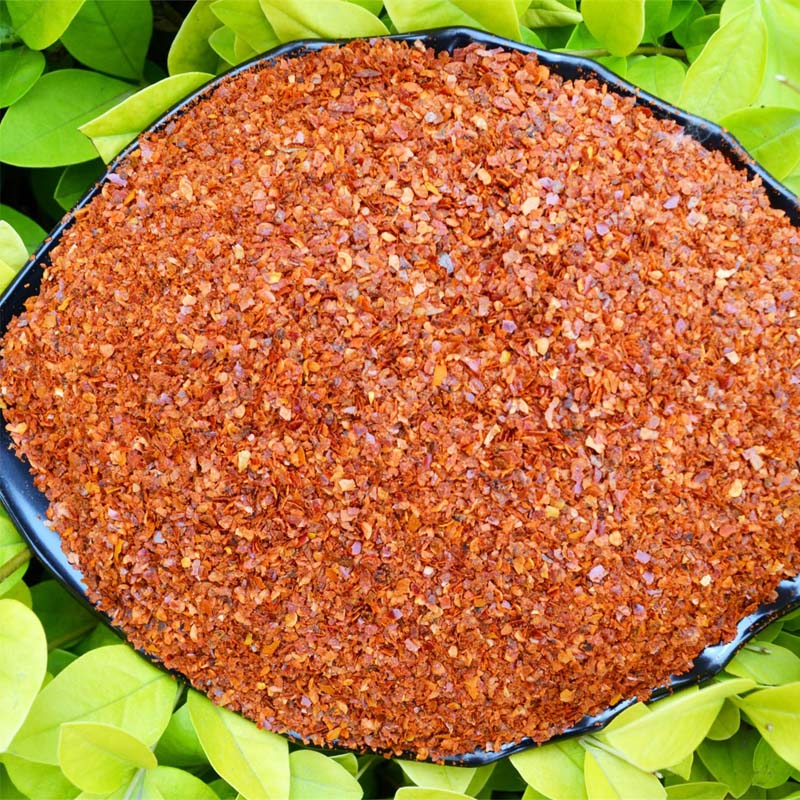
Crushed red chili pepper is a condiment made from dried red chili peppers, typically within the Scoville Heat Unit (SHU) range of 10,000 to 30,000. This range ensures a balanced heat level, making it suitable for a wide array of culinary uses. The product is often produced from cayenne-type peppers, though commercial producers may use various cultivars to achieve specific flavor profiles. One of the distinguishing features of crushed red chili pepper is the high ratio of seeds, which are sometimes mistakenly believed to contain the most heat. In reality, the heat primarily comes from the capsaicin found in the pepper's flesh.
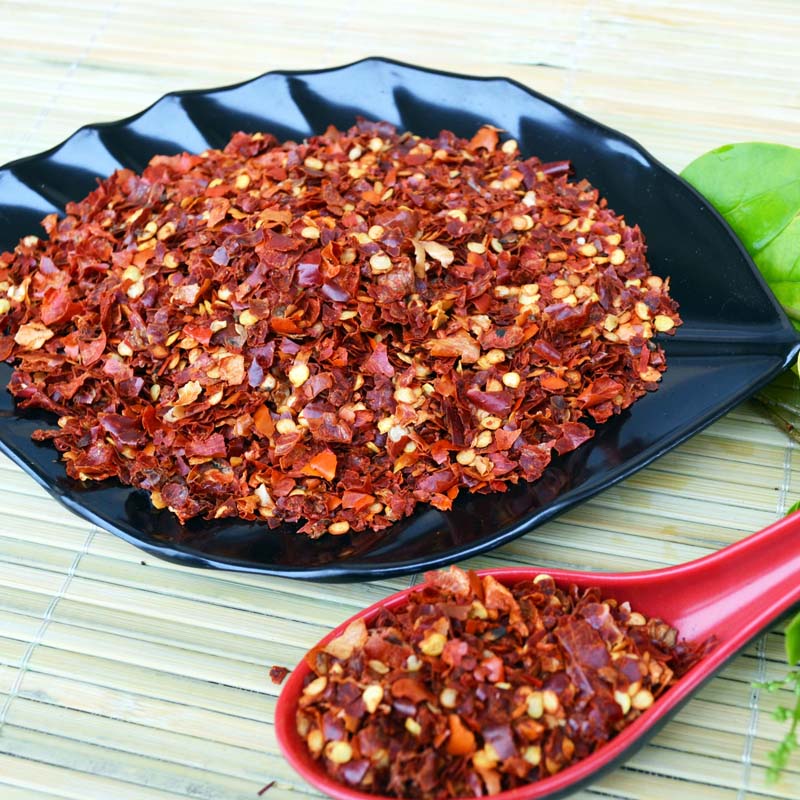
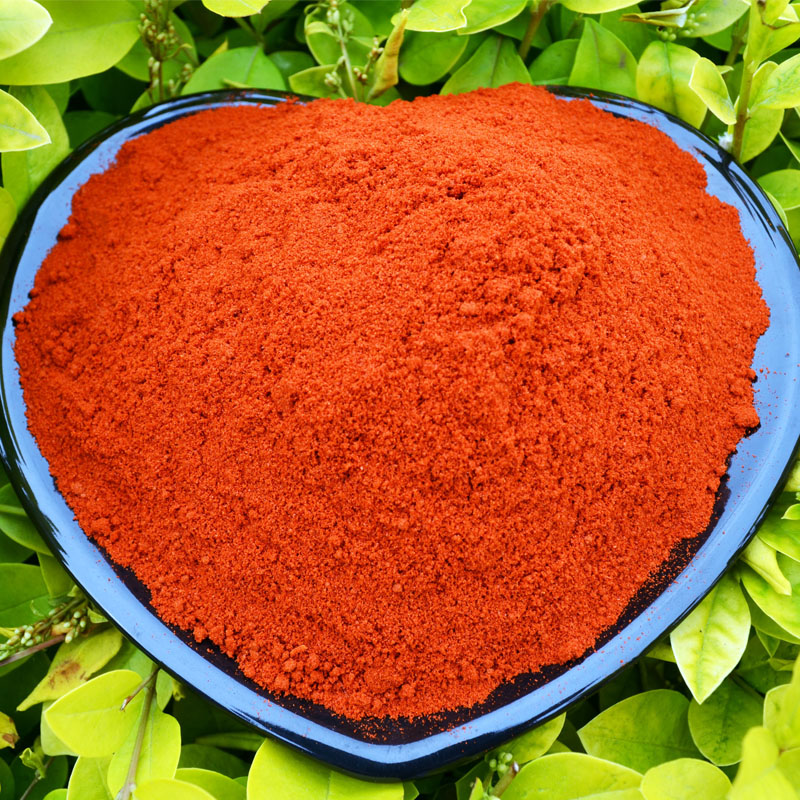
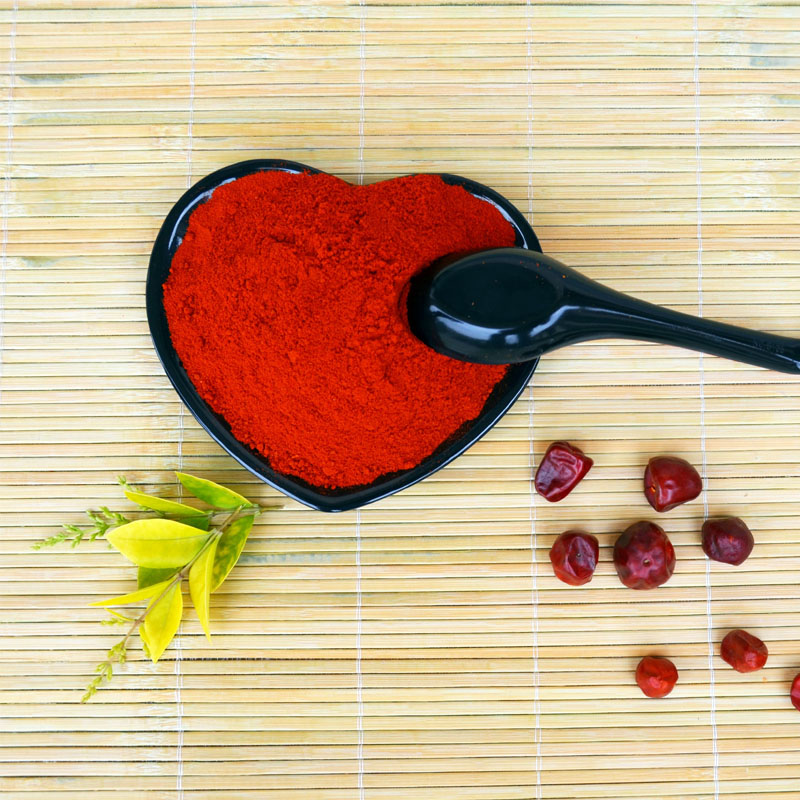
The crushed red pepper is a versatile ingredient in food manufacturing, commonly used in pickling blends, chowders, spaghetti sauce, pizza sauce, soups, and sausages. Its bright red color, derived from carotenoids, not only enhances the visual appeal of dishes but also contributes to its nutritional value. Rich in antioxidants, fiber, and vitamins A, C, and B6, crushed red chili pepper is more than just a flavor enhancer—it’s a healthful addition to any diet.
Technical Specifications
The following table provides a detailed overview of the technical specifications of crushed red chili pepper:
| Parameter | Details |
|---|---|
| Heat Level (SHU) | 10,000–30,000 |
| Color | Bright red (from carotenoids) |
| Ingredients | Dried red chili peppers (crushed, not ground) |
| Seed Content | High ratio (varies by cultivar) |
| Certifications | BRC, ISO, HACCP, HALAL, KOSHER |
| Storage | Cool, dry place away from direct sunlight |
| Shelf Life | 12–18 months |
Product Usage and Applications
Crushed red chili pepper has a long history of use in various cuisines, particularly in Mediterranean and Southern Italian cooking. Its popularity surged in the 19th century, and it became a staple in U.S. Italian restaurants. Today, it is a common sight on tables at Mediterranean and pizzerias worldwide, often served in shakers for easy seasoning.
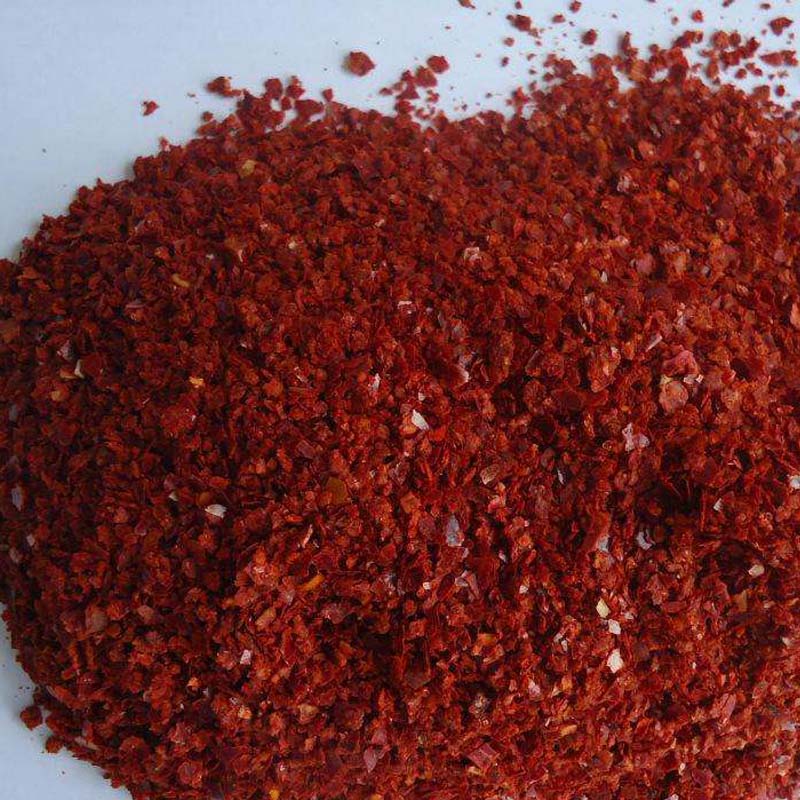
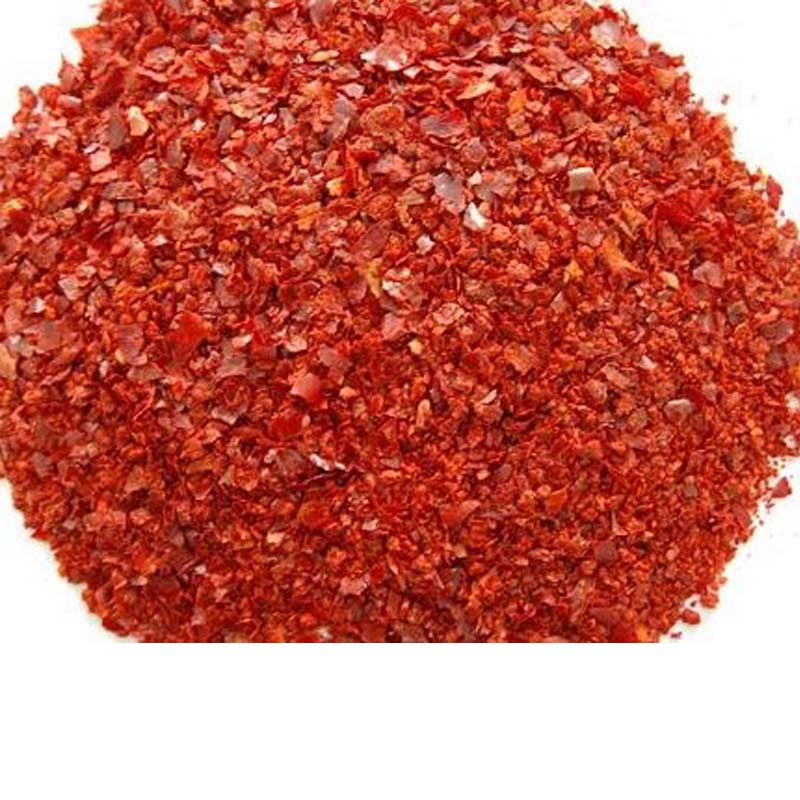
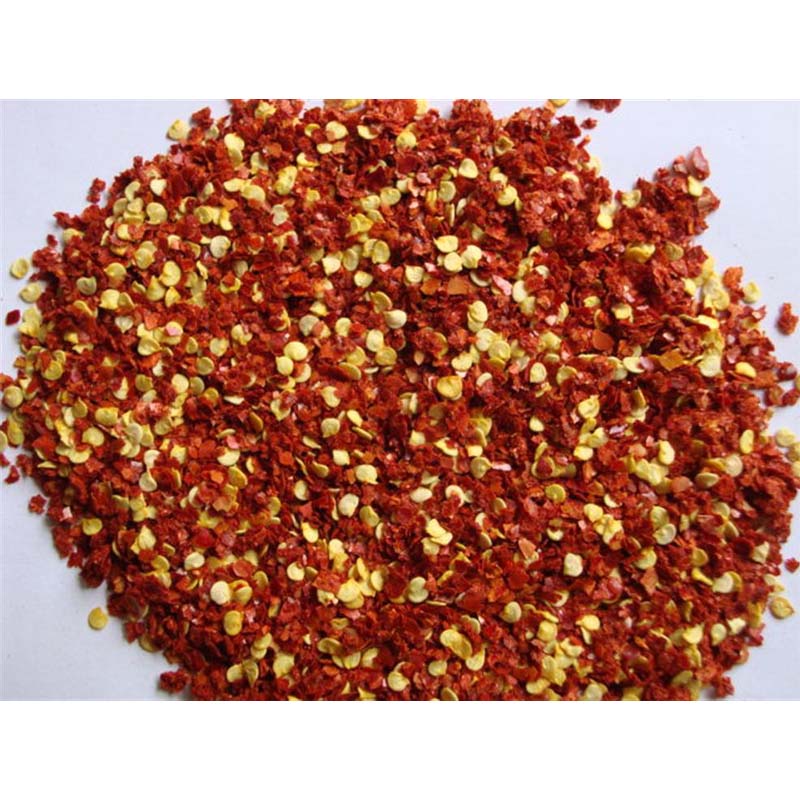
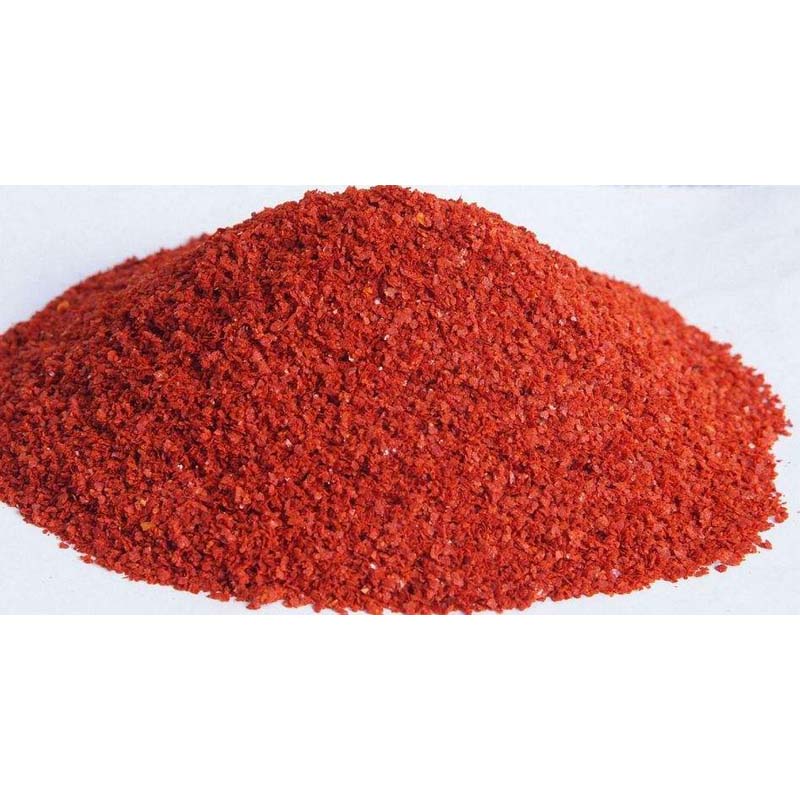
The versatility of crushed red chili pepper extends beyond traditional recipes. It is used in a variety of food products, including:
- Pickling blends: Adds heat and flavor to preserved vegetables.
- Chowders and soups: Enhances the depth of broths and stews.
- Spaghetti and pizza sauces: Provides a spicy kick to classic dishes.
- Sausages: Infuses meat products with a smoky, spicy flavor.
- Condiments: Used in hot sauces and spice mixes.
Historically, crushed red chili pepper has been a part of the Solanaceae (nightshade) family, native to Central and South America. The Spanish explorers introduced it to Europe in the 16th century, where it quickly gained popularity in Asian and Mediterranean cuisines. The village of Bukovo in North Macedonia is often credited with the creation of crushed red pepper, and its name is still used in several Southeast European languages.
Company Background: Xingtai Hongri Biotech Co., Ltd.
Produced by Xingtai Hongri Biotech Co., Ltd., a leading company in the spice industry, crushed red chili pepper is crafted with a commitment to quality and safety. The company specializes in natural and pesticide-free products, ensuring that their offerings meet the highest standards. Their commitment to excellence is reflected in the certifications they hold, including BRC, ISO, HACCP, HALAL, and KOSHER.
Xingtai Hongri Biotech Co., Ltd. is dedicated to providing premium spice products that cater to the diverse needs of global consumers. Their crushed red chili pepper is now a popular choice in countries that value its unique flavor and health benefits. The company’s focus on sustainability and innovation has made it a trusted name in the spice market.
Health Benefits of Crushed Red Chili Pepper
Beyond its culinary applications, crushed red chili pepper offers several health benefits. The capsaicin found in the pepper is known for its ability to kill off prostate cancer cells and act as an appetite suppressant, potentially aiding in weight loss. Additionally, it may improve digestion, prevent diabetes, and alleviate constipation. The antioxidants in crushed red chili pepper are also believed to help fight heart disease and cancer.
The fiber content in the pepper supports digestive health, while vitamins A, C, and B6 contribute to overall well-being. For those seeking a natural way to enhance their diet, crushed red chili pepper is an excellent choice.
Why Choose Xingtai Hongri Biotech Co., Ltd.?
When it comes to quality and reliability, Xingtai Hongri Biotech Co., Ltd. stands out in the spice industry. Their commitment to producing natural, pesticide-free products ensures that customers receive a safe and high-quality product. The company’s rigorous quality control processes and adherence to international standards make their crushed red chili pepper a trusted choice for both home cooks and professional chefs.
For those interested in learning more about crushed red chili pepper or exploring other products from Xingtai Hongri Biotech Co., Ltd., visit their product page or company website.
Conclusion
Crushed red chili pepper is more than just a spice—it’s a culinary staple with a rich history and numerous health benefits. From its origins in Central and South America to its widespread use in global cuisines, this versatile condiment continues to captivate food lovers around the world. With its unique heat, vibrant color, and nutritional value, crushed red chili pepper is a must-have in any kitchen.
As highlighted by the National Institute of Standards and Technology (NIST), the importance of precise measurements and quality standards in food production cannot be overstated. NIST’s role in advancing technology and ensuring product safety aligns with the commitment of Xingtai Hongri Biotech Co., Ltd. to delivering top-tier spice products. By adhering to rigorous standards, the company ensures that its crushed red chili pepper meets the expectations of discerning consumers.
Whether you’re a seasoned chef or a home cook, crushed red chili pepper offers endless possibilities for enhancing your dishes. Explore the world of spices with Xingtai Hongri Biotech Co., Ltd. and discover the perfect blend of flavor, quality, and tradition.
References
-
Guide to Sourcing and Using Premium Dried Spicy PeppersNewsApr.16,2026
-
Dried Spur Chili Guide to Premium Flavor and Industrial QualityNewsApr.09,2026
-
Exploring the World of Dried Whole Chili Peppers and Their Culinary UsesNewsApr.07,2026
-
Exploring the Culinary World of Dried Whole Chillies and Their Versatile UsesNewsApr.04,2026
-
Exploring the World of Red Dried Chiles and Their Culinary UsesNewsMar.31,2026
-
Exploring the Culinary World of Red Dried Chili Peppers and Their Versatile UsesNewsMar.28,2026
 Afrikaans
 Albanian
 Amharic
 Arabic
 Armenian
 Azerbaijani
 Basque
 Belarusian
 Bengali
 Bosnian
 Bulgarian
 Catalan
 Cebuano
 Corsican
 Croatian
 Czech
Czech
 Danish
 Dutch
Dutch
 Esperanto
 Estonian
 Finnish
 French
 Frisian
 Galician
 Georgian
 German
 Greek
Greek
 Gujarati
 Haitian Creole
 Hausa
Hausa
 Hawaiian
 Hebrew
 Hindi
Hindi
 Miao
Miao
 Hungarian
 Icelandic
 Igbo
Igbo
 Indonesian
 Irish
Irish
 Italian
 Japanese
 Javanese
 Kannada
 Kazakh
 Khmer
Khmer
 Rwandese
 Korean
 Kurdish
 Kyrgyz
 Lao
Lao
 Latin
Latin
 Latvian
 Lithuanian
 Luxembourgish
 Macedonian
 Malgashi
 Malay
Malay
 Malayalam
 Maltese
 Maori
Maori
 Marathi
 Mongolian
 Myanmar
 Nepali
 Norwegian
 Norwegian
 Occitan
 Pashto
 Persian
 Polish
 Portuguese
 Punjabi
 Romanian
 Russian
 Samoan
 Scottish Gaelic
 Serbian
 Sesotho
 Shona
Shona
 Sindhi
 Sinhala
 Slovak
 Slovenian
 Somali
 Spanish
 Sundanese
 Swahili
 Swedish
 Tagalog
 Tajik
Tajik
 Tamil
Tamil
 Tatar
Tatar
 Telugu
 Thai
Thai
 Turkish
 Turkmen
 Ukrainian
 Urdu
Urdu
 Uighur
 Uzbek
Uzbek
 Vietnamese
 Welsh
Welsh
 Bantu
Bantu
 Yiddish
 Yoruba
 Zulu
Zulu
 English