- No. 268 Xianghe Street, Economic Development Zone of Xingtai city, Hebei 054001 China
- Byron@hbhongri.cn
Ground Red Pepper Flakes: Industrial Quality, Specs & Vendors
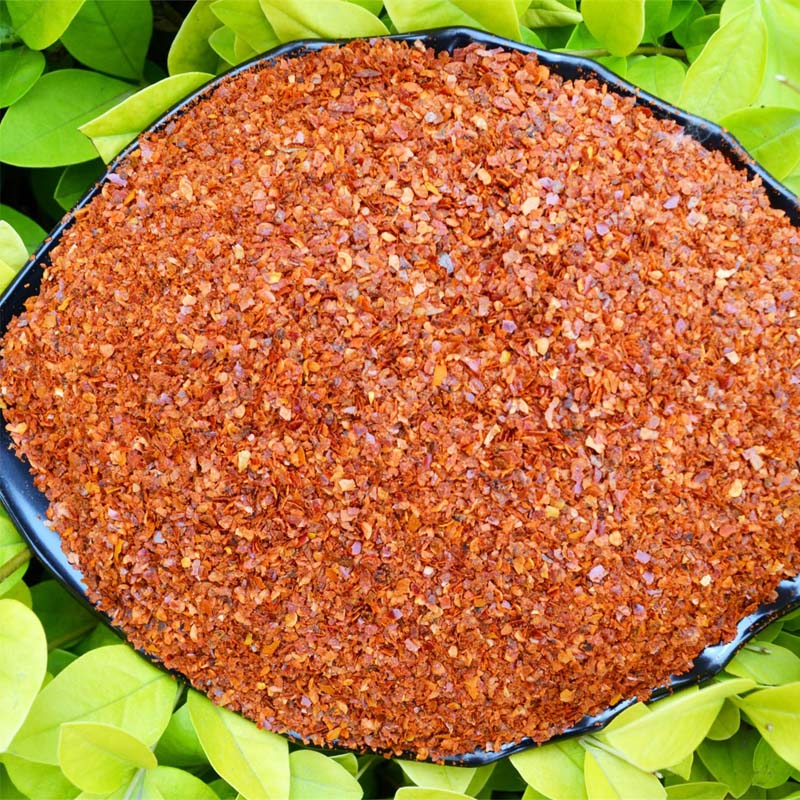
Understanding Ground Red Pepper Flakes in Industrial Use
Having spent more than a decade dabbling around food and spice processing plants, I’ve seen my share of pepper varieties. But there’s something oddly satisfying about ground red pepper flakes. They’re not just a fiery seasoning; they’re a subtle science embedded in a tiny, red shard.
In industrial settings, the consistency and quality of ground red pepper flakes matter tremendously. You wouldn’t want your sauce batch to suddenly lose heat or, worse, have uneven spice distribution. That variability is a nightmare in large-scale food production. Frankly, sourcing dependable flakes that keep the punch without degradation over time feels like chasing a rare commodity.
Most producers rely on grinding dried red chili pods, typically cayenne or other hot varieties, using grinding mills that balance heat preservation with fine particle consistency. The goal? Achieving a uniform cut size that blends seamlessly and retains that pungent, smoky flavor. Oddly enough, temperature control during processing plays a crucial role—too hot, and you lose aroma; too cold, and the flakes clump together.
| Specification | Value | Notes |
|---|---|---|
| Capsaicin Content | 0.4 - 0.6% Scoville Heat Units (SHU) | Ensures consistent heat level |
| Particle Size | 1.0 - 2.5 mm | Ideal for blending and even distribution |
| Moisture Content | Max 12% | Prevents caking and extends shelf life |
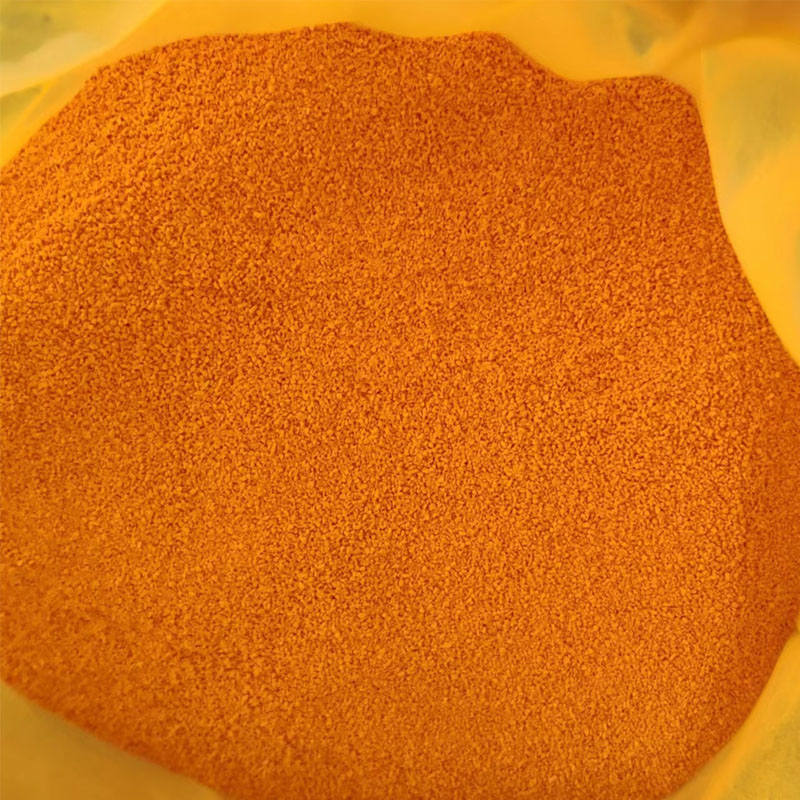
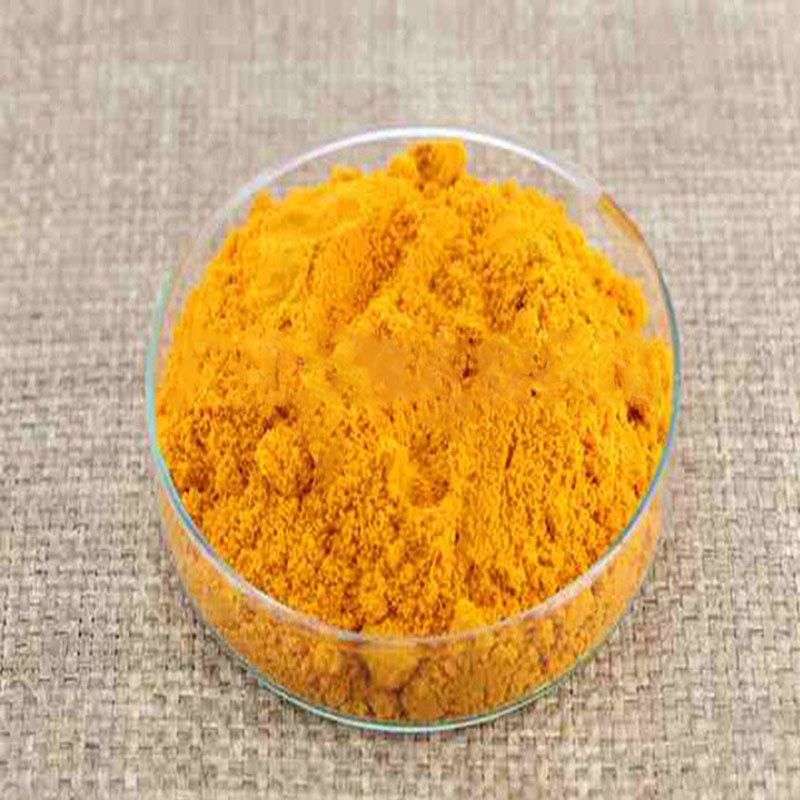
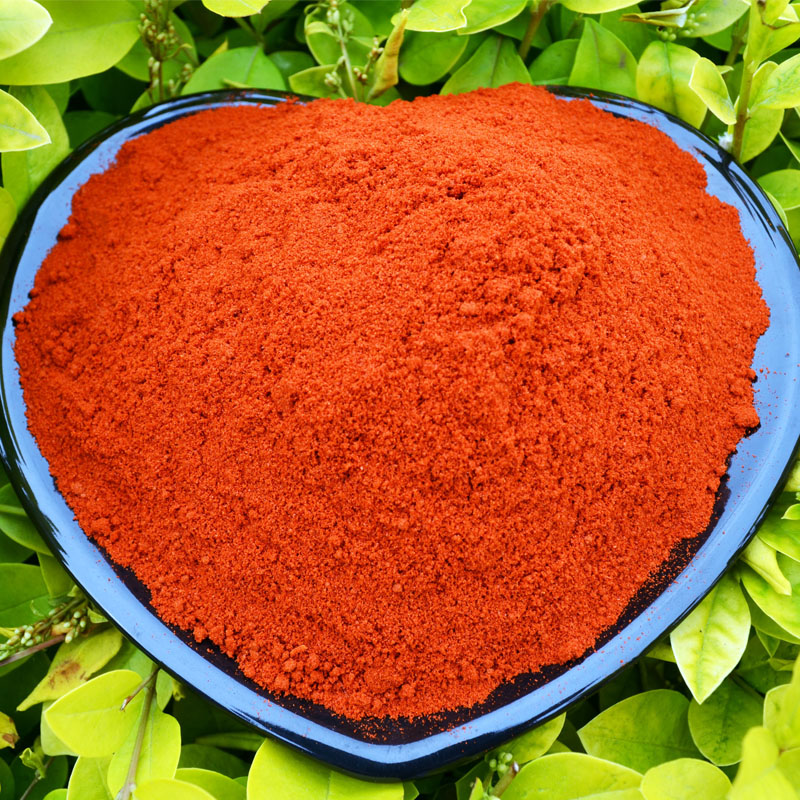
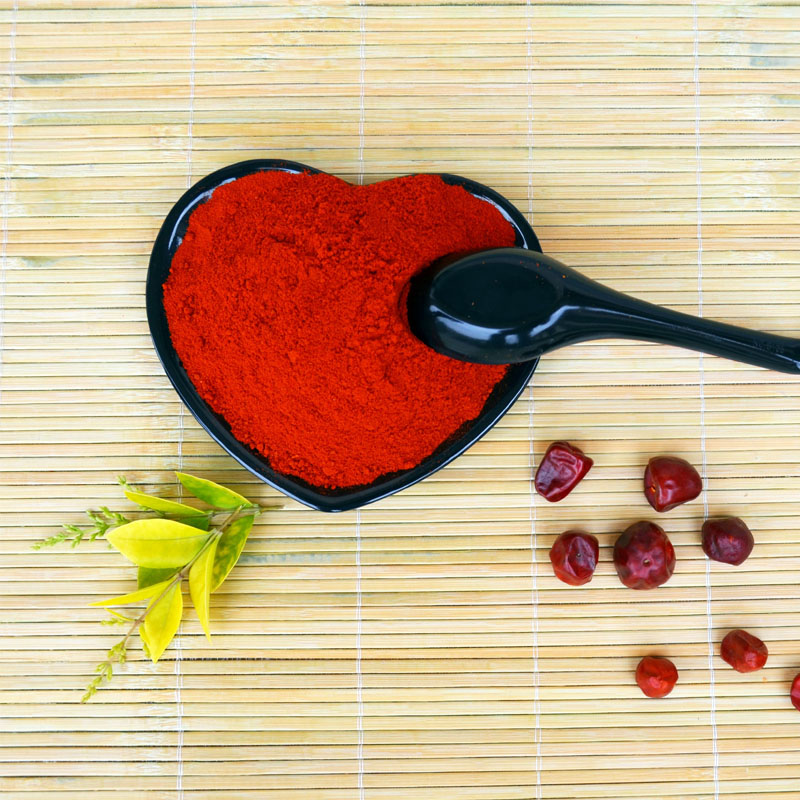
| Color | Bright red to orange-red | Indicative of quality and freshness |
| Foreign Matter | Safety and purity standards |
Now, about vendors: when you’re picking a supplier of ground red pepper flakes, it’s not just about price or the hottest flakes. You want an operation that emphasizes product integrity, certifications (think ISO 22000 or HACCP), and traceability. You’d be surprised how many suppliers still overlook those basics, and it comes back to bite them—and their clients.
| Vendor | Certifications | Shipment Lead Time | Customization Options | Approx. Price/kg |
|---|---|---|---|---|
| Brand A | ISO 22000, HACCP | 2 weeks | Particle size, heat level | $4.50 |
| Vendor B | HACCP Only | 1 week | Heat level only | $3.80 |
| Supplier C | None | 3 weeks | No customization | $3.00 |
Just last year, a small sauce manufacturer I know switched their pepper flake supplier after repeated batch inconsistencies. The change to a more reputable source not only stabilized their product but enhanced their brand's reputation in the market. You can’t put a price on that kind of reliability when your whole product hinges on consistent heat and color.
One subtle point worth noting: the shelf life of ground red pepper flakes can be surprisingly short if exposed to moisture and oxygen. Industry insiders often recommend airtight packaging and storage in cool, dark places to maintain freshness. Honestly, packaging innovations here are underappreciated but make all the difference in large distribution chains.
So, in real terms, if you’re involved in food manufacturing or spice distribution, ground red pepper flakes aren’t just a commodity — they’re a nuanced ingredient demanding respect for quality, testing, and supplier trustworthiness. And while I’ve only scratched the surface here, it’s these little details that keep the industry moving smoothly.
In the end, if you’re sourcing red pepper flakes, look beyond the surface—heat, color, certifications, and packaging are all small knobs to tweak. Because, oddly enough, the best spice isn’t just about fire; it’s about balance.
-- A seasoned hand in industrial spice sourcing
References:
- Spice Industry Standards Committee, 2022. "Capsaicin Content and Quality Parameters in Chili Products."
- Food Safety Authority Guidelines on Spice Handling, 2023.
- Case Study: Consistency in Pepper Flake Manufacturing, Industry Journal, 2021.
-
Guide to Sourcing and Using Premium Dried Spicy PeppersNewsApr.16,2026
-
Dried Spur Chili Guide to Premium Flavor and Industrial QualityNewsApr.09,2026
-
Exploring the World of Dried Whole Chili Peppers and Their Culinary UsesNewsApr.07,2026
-
Exploring the Culinary World of Dried Whole Chillies and Their Versatile UsesNewsApr.04,2026
-
Exploring the World of Red Dried Chiles and Their Culinary UsesNewsMar.31,2026
-
Exploring the Culinary World of Red Dried Chili Peppers and Their Versatile UsesNewsMar.28,2026
 Afrikaans
 Albanian
 Amharic
 Arabic
 Armenian
 Azerbaijani
 Basque
 Belarusian
 Bengali
 Bosnian
 Bulgarian
 Catalan
 Cebuano
 Corsican
 Croatian
 Czech
Czech
 Danish
 Dutch
Dutch
 Esperanto
 Estonian
 Finnish
 French
 Frisian
 Galician
 Georgian
 German
 Greek
Greek
 Gujarati
 Haitian Creole
 Hausa
Hausa
 Hawaiian
 Hebrew
 Hindi
Hindi
 Miao
Miao
 Hungarian
 Icelandic
 Igbo
Igbo
 Indonesian
 Irish
Irish
 Italian
 Japanese
 Javanese
 Kannada
 Kazakh
 Khmer
Khmer
 Rwandese
 Korean
 Kurdish
 Kyrgyz
 Lao
Lao
 Latin
Latin
 Latvian
 Lithuanian
 Luxembourgish
 Macedonian
 Malgashi
 Malay
Malay
 Malayalam
 Maltese
 Maori
Maori
 Marathi
 Mongolian
 Myanmar
 Nepali
 Norwegian
 Norwegian
 Occitan
 Pashto
 Persian
 Polish
 Portuguese
 Punjabi
 Romanian
 Russian
 Samoan
 Scottish Gaelic
 Serbian
 Sesotho
 Shona
Shona
 Sindhi
 Sinhala
 Slovak
 Slovenian
 Somali
 Spanish
 Sundanese
 Swahili
 Swedish
 Tagalog
 Tajik
Tajik
 Tamil
Tamil
 Tatar
Tatar
 Telugu
 Thai
Thai
 Turkish
 Turkmen
 Ukrainian
 Urdu
Urdu
 Uighur
 Uzbek
Uzbek
 Vietnamese
 Welsh
Welsh
 Bantu
Bantu
 Yiddish
 Yoruba
 Zulu
Zulu
 English