- No. 268 Xianghe Street, Economic Development Zone of Xingtai city, Hebei 054001 China
- Byron@hbhongri.cn
Dec . 13, 2025 11:50
Back to list
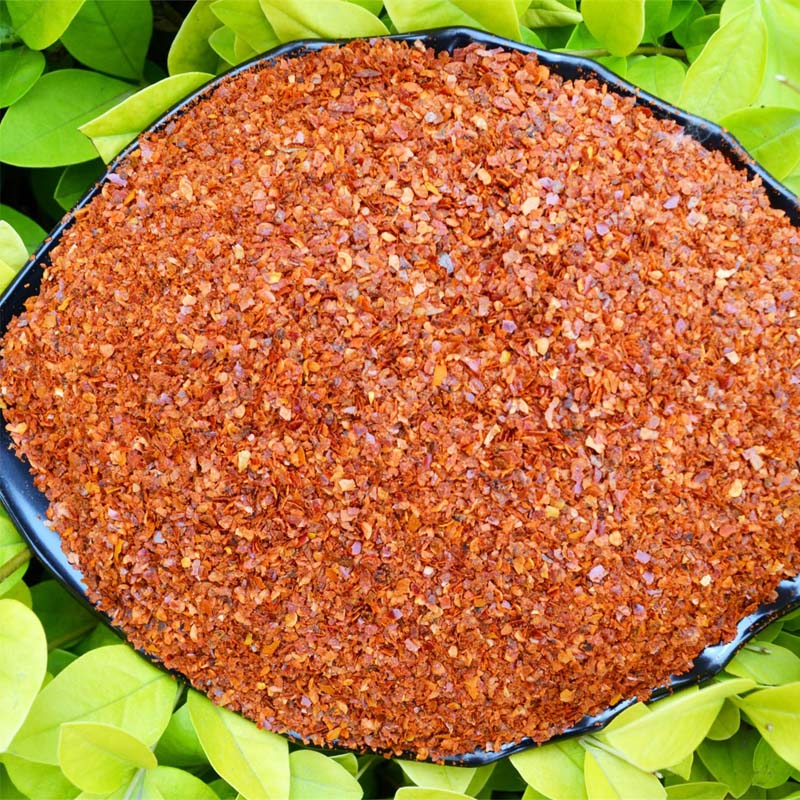
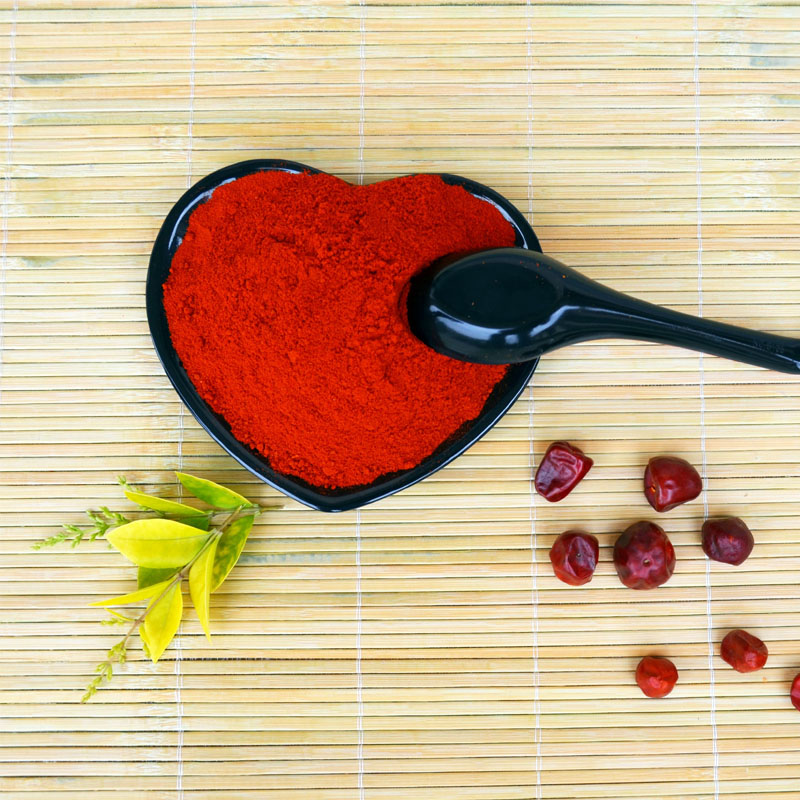
Homemade Paprika Powder: Fresh Flavor from Field to Table
Why Making Homemade Paprika Powder Matters
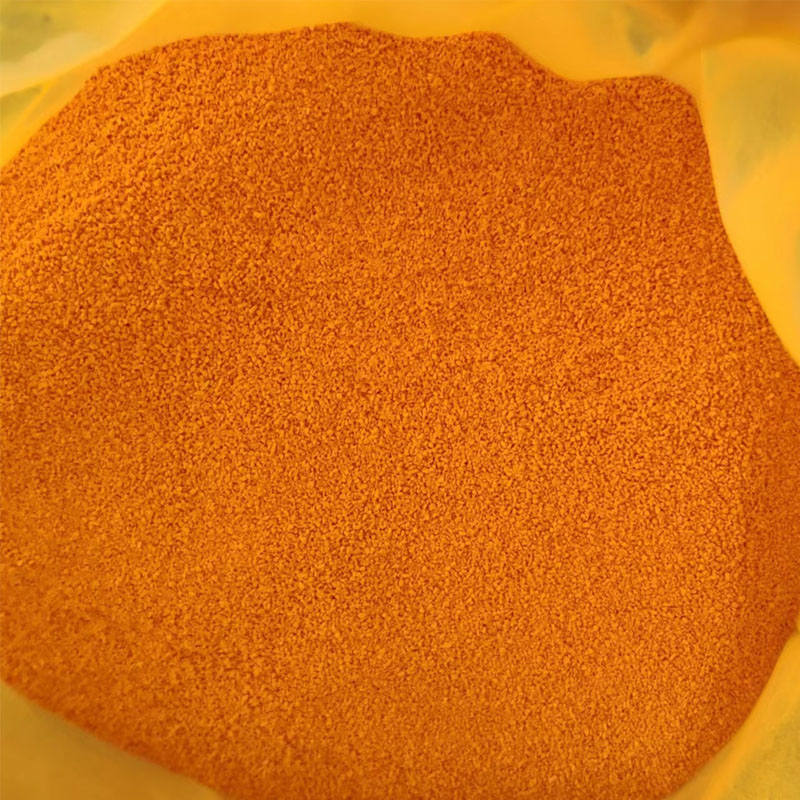
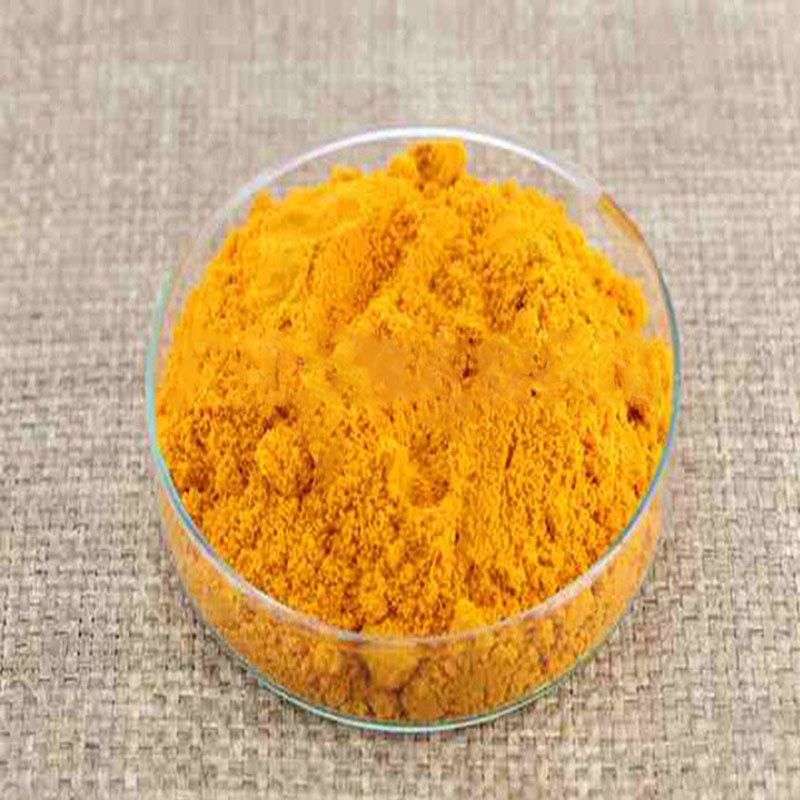
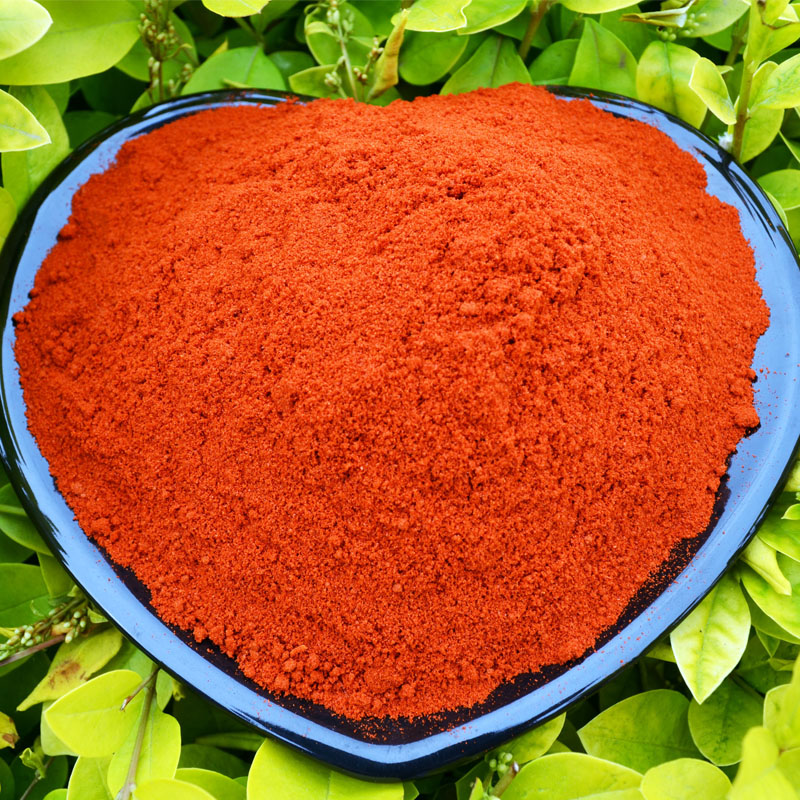
If you’re like me, having spent years in industries that rely on precision and quality—whether it was conveyor belts, machinery, or even spices—nothing beats working with an ingredient that’s fresh and authentic. Paprika powder is one of those spices where the difference between store-bought and homemade is frankly night and day. When I first tried grinding my own homemade paprika powder, I noticed the colors were brighter and the aroma far more vibrant. It’s like the difference between a weekday coffee made with instant grounds and one pulled fresh at a local café. Paprika’s sweet and smoky notes truly come alive when you control the drying and grinding process yourself. In the industrial world, we care deeply about materials and consistency. Well, paprika is no different. The freshness literally impacts how it tastes — and how long it lasts. For smaller businesses dabbling into food production, or even passionate home cooks, homemade paprika means you’re dealing with fewer preservatives and fresher crops, which translates to a cleaner flavor profile.From Pepper to Powder: What’s Really in Your Paprika?
Let’s break down the journey of our star spice. The process usually starts with red peppers—Capsicum annuum varieties, specifically chosen for their sweetness or heat. Traditionally, they’re dried slowly to retain oils and pigments. Then, the grinding needs to be carefully controlled; overheating the spice during milling will quickly degrade those delicate flavor compounds. Here’s where many manufacturers differ, as do home growers. While commercial paprika often undergoes high-temp drying and big-scale grinding—which sacrifices nuance—homemade methods use low-temp drying and hand-powered grinders or small electric mills. The result? A powder that’s rich in beta-carotene (giving paprika its signature red hue) and fresh essential oils. That’s the secret to why homemade paprika punches above its weight on flavor.Paprika Powder Specifications: Know Your Product
| Specification | Homemade Paprika Powder | Commercial Paprika Powder |
|---|---|---|
| Color (ASTA Units) | 120–160 (Vibrant Red) | 80–110 (Dull Red) |
| Capsaicin (Heat) | Mild to Medium (5,000–15,000 SHU) | Variable, often lower |
| Moisture Content | 8% max | Up to 12% |
| Additives | None | Sometimes anti-caking agents |
Comparing Suppliers: What to Look For in Paprika Powder Vendors
From my old trade shows to forums with food engineers, the best paprika vendors share a few traits: transparency, consistent quality, and clear sourcing. Here’s a simple side-by-side I put together that might help you size up your options:| Vendor | Source Region | Drying Method | Grinding Technique | Additives | Price per kg (USD) |
|---|---|---|---|---|---|
| Hongri Spice | Hungary | Sun-dried & Low-temp Oven | Stone Mill Grinding | None | $20–25 |
| Vendor B | Spain | High-heat Oven Drying | Industrial Grinder | Anti-caking Agents | $15–18 |
| Vendor C | Turkey | Sun-dried | Mechanical Grinder | None | $18–22 |
A Quick Story: When Fresh Paprika Changed a Client’s Mind
A few seasons back, I helped a small manufacturer upgrade their spice profiles. They used a commercial paprika that was basically flat and lifeless—customers complained about inconsistent color and flavor. We switched them to a supplier specializing in homemade-style paprika powder with careful drying and stone grinding (hint: Hongri Spice). The client’s end product went from “okay” to “wow, what happened here?”. It’s funny how paprika, a humble spice, can alter perceptions so drastically. I suppose it comes down to respect for the raw material and the subtle art of preservation, something many industrial sectors appreciate. We often overlook how “freshness” truly makes or breaks final quality.Wrapping It Up: Why Homemade Paprika is Worth the Effort
So yes, homemade paprika powder isn’t just some quaint idea for the hobbyist—but a practical, impressive way to upgrade your spice game. Whether you’re in the food manufacturing industry, a small spice vendor, or someone who just wants the freshest paprika in their pantry, the extra step in drying and grinding yourself pays off. I keep coming back to the fact that flavor is ephemeral. Once lost, it’s hard to bring back. And homemade paprika powder? It holds its color, aroma, and heat much longer. That’s valuable whether you’re seasoning sausage or crafting a paprika-spiced snack. If you want to explore high-quality paprika spice suppliers, check out Hongri Spice — they truly get what it means to respect the pepper from plant to powder. ---
References and musings:
1. My years working with raw materials and quality control in industrial sectors.
2. Conversations with spice importers and food engineers.
3. The detailed specs and supplier info from trusted paprika producers around Europe.
1. My years working with raw materials and quality control in industrial sectors.
2. Conversations with spice importers and food engineers.
3. The detailed specs and supplier info from trusted paprika producers around Europe.
Latest news
-
Guide to Sourcing and Using Premium Dried Spicy PeppersNewsApr.16,2026
-
Dried Spur Chili Guide to Premium Flavor and Industrial QualityNewsApr.09,2026
-
Exploring the World of Dried Whole Chili Peppers and Their Culinary UsesNewsApr.07,2026
-
Exploring the Culinary World of Dried Whole Chillies and Their Versatile UsesNewsApr.04,2026
-
Exploring the World of Red Dried Chiles and Their Culinary UsesNewsMar.31,2026
-
Exploring the Culinary World of Red Dried Chili Peppers and Their Versatile UsesNewsMar.28,2026
 Afrikaans
 Albanian
 Amharic
 Arabic
 Armenian
 Azerbaijani
 Basque
 Belarusian
 Bengali
 Bosnian
 Bulgarian
 Catalan
 Cebuano
 Corsican
 Croatian
 Czech
Czech
 Danish
 Dutch
Dutch
 Esperanto
 Estonian
 Finnish
 French
 Frisian
 Galician
 Georgian
 German
 Greek
Greek
 Gujarati
 Haitian Creole
 Hausa
Hausa
 Hawaiian
 Hebrew
 Hindi
Hindi
 Miao
Miao
 Hungarian
 Icelandic
 Igbo
Igbo
 Indonesian
 Irish
Irish
 Italian
 Japanese
 Javanese
 Kannada
 Kazakh
 Khmer
Khmer
 Rwandese
 Korean
 Kurdish
 Kyrgyz
 Lao
Lao
 Latin
Latin
 Latvian
 Lithuanian
 Luxembourgish
 Macedonian
 Malgashi
 Malay
Malay
 Malayalam
 Maltese
 Maori
Maori
 Marathi
 Mongolian
 Myanmar
 Nepali
 Norwegian
 Norwegian
 Occitan
 Pashto
 Persian
 Polish
 Portuguese
 Punjabi
 Romanian
 Russian
 Samoan
 Scottish Gaelic
 Serbian
 Sesotho
 Shona
Shona
 Sindhi
 Sinhala
 Slovak
 Slovenian
 Somali
 Spanish
 Sundanese
 Swahili
 Swedish
 Tagalog
 Tajik
Tajik
 Tamil
Tamil
 Tatar
Tatar
 Telugu
 Thai
Thai
 Turkish
 Turkmen
 Ukrainian
 Urdu
Urdu
 Uighur
 Uzbek
Uzbek
 Vietnamese
 Welsh
Welsh
 Bantu
Bantu
 Yiddish
 Yoruba
 Zulu
Zulu
 English