- No. 268 Xianghe Street, Economic Development Zone of Xingtai city, Hebei 054001 China
- Byron@hbhongri.cn
Comprehensive Guide to Sourcing Premium Bulk Dried Chili Peppers for Businesses
Navigating the World of Bulk Dried Chili Peppers: A Comprehensive Guide
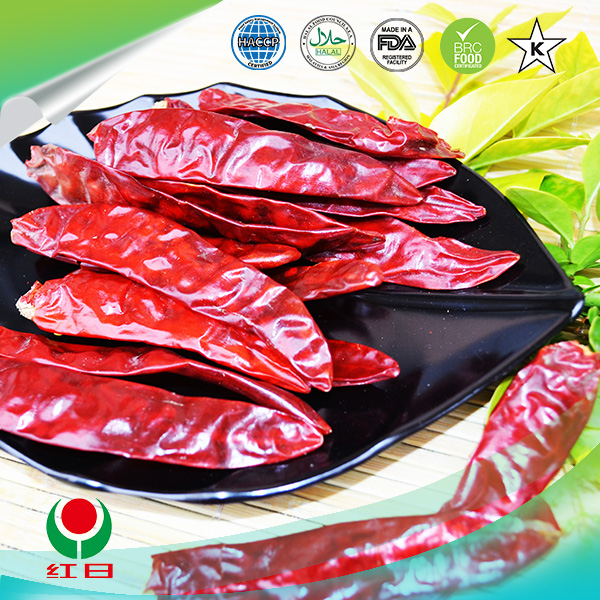
Dried chili peppers are a cornerstone ingredient in cuisines worldwide, adding heat, flavor, and vibrant color to dishes. For businesses – restaurants, food manufacturers, spice blenders – sourcing bulk dried chili peppers is essential. This guide explores everything you need to know, from different varieties to quality considerations and finding the right supplier. We'll cover the nuances of sourcing, storage, and leveraging these potent peppers for your business. Choosing the right supplier and quality control are key to consistent product excellence.
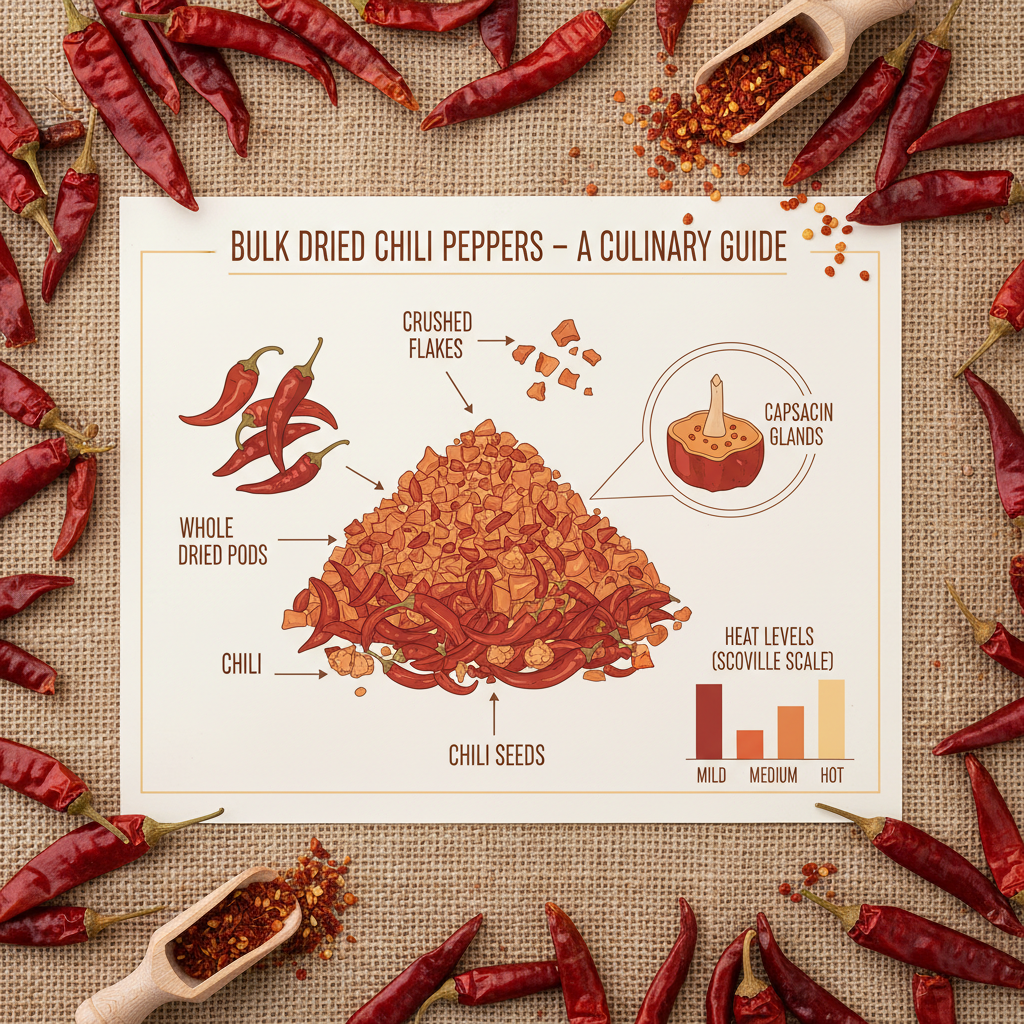
Understanding Chili Pepper Varieties for Bulk Purchase
Not all chili peppers are created equal. The Scoville Heat Unit (SHU) measures pungency, and different varieties offer vastly different levels of heat. Popular choices for bulk purchase include:
- Jalapeño: Mild to moderate heat (2,500-8,000 SHU), versatile for many dishes.
- Serrano: Medium heat (10,000-23,000 SHU), popular in Mexican cuisine.
- Cayenne: Medium to high heat (30,000-50,000 SHU), frequently used in powdered form.
- Bird’s Eye Chili (Thai Chili): High heat (50,000-100,000 SHU), common in Southeast Asian cooking.
- Habanero: Very high heat (100,000-350,000 SHU), used cautiously for intense flavor.
Choosing the correct variety depends on your intended application. Hongri Spice offers a wide range of chili peppers to meet diverse needs.
Key Consideration: Heat level, flavor profile, and intended culinary use are paramount when selecting chili peppers for your business.
Quality Control: Ensuring Premium Bulk Dried Chili Peppers
The quality of dried chili peppers significantly impacts the final product. Look for these indicators of quality:
- Color: Bright, vibrant color is a good sign of freshness and proper drying.
- Aroma: A strong, characteristic chili aroma indicates quality.
- Texture: Peppers should be dry and brittle, not soft or pliable.
- Defects: Inspect for mold, insect damage, or foreign matter.
A reputable supplier will provide certificates of analysis (COA) verifying quality and safety standards. Working with a trusted source, like Hongri Spice, ensures consistent quality and reliability.
Essential Quality Checks:
• Bright, vibrant color indicates freshness.
• Strong aroma signifies quality.
• Dry and brittle texture ensures proper preservation.
Comparing Common Chili Pepper Varieties
Here’s a comparison of some popular chili pepper varieties for bulk purchasing, outlining their key characteristics.
Storage Best Practices for Bulk Dried Chili Peppers
Proper storage is critical for maintaining the quality and potency of your bulk dried chili peppers. Follow these guidelines:
- Airtight Containers: Store in airtight containers to prevent moisture absorption and loss of aroma.
- Cool, Dark Place: Keep containers in a cool, dark, and dry location away from direct sunlight.
- Avoid Heat & Humidity: Heat and humidity accelerate degradation.
- Shelf Life: Properly stored, dried chili peppers can maintain quality for 1-2 years.
Maintaining optimal storage conditions ensures your inventory remains fresh and flavorful.
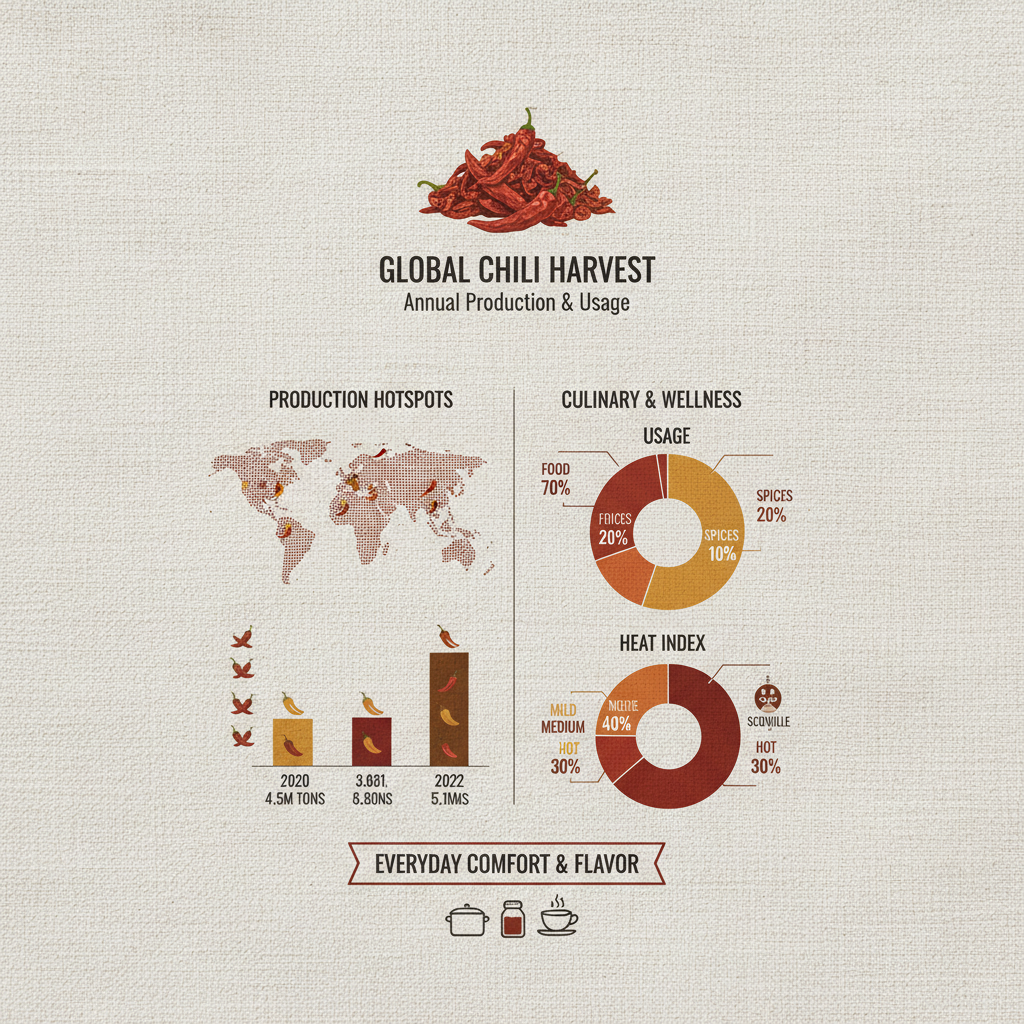
Finding a Reliable Supplier of Bulk Dried Chili Peppers
Sourcing bulk dried chili peppers requires a dependable supplier who prioritizes quality, consistency, and competitive pricing. Consider these factors:
- Reputation: Choose a supplier with a proven track record and positive customer reviews.
- Quality Control: Ensure the supplier implements rigorous quality control measures.
- Certifications: Look for certifications like ISO or HACCP, demonstrating commitment to safety and quality.
- Supply Chain Transparency: Understand the origin and processing of the peppers.
- Competitive Pricing: Compare pricing from multiple suppliers.
Hongri Spice is a leading provider of high-quality bulk chili peppers, offering a wide selection and exceptional service.
Conclusion: Sourcing Quality Chili Peppers for Success
Selecting the right bulk dried chili peppers is a critical step for any business relying on these flavorful ingredients. By understanding varieties, prioritizing quality, and choosing a reliable supplier like Hongri Spice, you can ensure consistent product excellence and customer satisfaction. Investing in quality ingredients translates to superior culinary results and a strong brand reputation.
Frequently Asked Questions (FAQs)
What is the best way to test the heat level of chili peppers?
While the Scoville Heat Unit (SHU) provides a general guideline, the best way to assess heat is through a small taste test. Start with a tiny amount and gradually increase until you reach your desired level. Be cautious, as heat levels can vary significantly even within the same variety. Remember that heat perception is subjective and can be influenced by factors like food pairing and individual tolerance. Avoid touching your eyes or other sensitive areas after handling chili peppers, and always wash your hands thoroughly with soap and water.
Can dried chili peppers be rehydrated?
Yes, dried chili peppers can be rehydrated for use in sauces, stews, or pastes. To rehydrate, remove the stems and seeds (if desired), then soak the peppers in hot water for 20-30 minutes, or until softened. The soaking water can also be used to add flavor to your dish. Alternatively, you can gently toast the dried peppers in a dry pan before rehydrating, which enhances their flavor. Always handle rehydrated chili peppers with care, as the soaking water will contain capsaicin.
What is the difference between chili powder and ground chili peppers?
While often used interchangeably, chili powder is a blend of ground chili peppers with other spices like cumin, oregano, and garlic powder. Ground chili peppers are simply dried chili peppers that have been ground into a powder. Chili powder provides a more complex flavor profile, while ground chili peppers offer a purer chili taste. When a recipe calls for chili powder, you can often substitute ground chili peppers and adjust other seasonings accordingly.
How can I minimize the burning sensation when handling chili peppers?
Capsaicin, the compound that causes the burning sensation, is oil-soluble. Avoid touching your eyes, nose, or mouth after handling chili peppers. Wear gloves when working with chili peppers, especially if you're dealing with high-heat varieties. If you do experience burning, avoid water, as it will spread the capsaicin. Instead, use a fat-based substance like milk, yogurt, or cooking oil to neutralize the burning sensation. Washing your hands thoroughly with soap and warm water after handling chili peppers is also essential.

-
Guide to Sourcing and Using Premium Dried Spicy PeppersNewsApr.16,2026
-
Dried Spur Chili Guide to Premium Flavor and Industrial QualityNewsApr.09,2026
-
Exploring the World of Dried Whole Chili Peppers and Their Culinary UsesNewsApr.07,2026
-
Exploring the Culinary World of Dried Whole Chillies and Their Versatile UsesNewsApr.04,2026
-
Exploring the World of Red Dried Chiles and Their Culinary UsesNewsMar.31,2026
-
Exploring the Culinary World of Red Dried Chili Peppers and Their Versatile UsesNewsMar.28,2026
 Afrikaans
 Albanian
 Amharic
 Arabic
 Armenian
 Azerbaijani
 Basque
 Belarusian
 Bengali
 Bosnian
 Bulgarian
 Catalan
 Cebuano
 Corsican
 Croatian
 Czech
Czech
 Danish
 Dutch
Dutch
 Esperanto
 Estonian
 Finnish
 French
 Frisian
 Galician
 Georgian
 German
 Greek
Greek
 Gujarati
 Haitian Creole
 Hausa
Hausa
 Hawaiian
 Hebrew
 Hindi
Hindi
 Miao
Miao
 Hungarian
 Icelandic
 Igbo
Igbo
 Indonesian
 Irish
Irish
 Italian
 Japanese
 Javanese
 Kannada
 Kazakh
 Khmer
Khmer
 Rwandese
 Korean
 Kurdish
 Kyrgyz
 Lao
Lao
 Latin
Latin
 Latvian
 Lithuanian
 Luxembourgish
 Macedonian
 Malgashi
 Malay
Malay
 Malayalam
 Maltese
 Maori
Maori
 Marathi
 Mongolian
 Myanmar
 Nepali
 Norwegian
 Norwegian
 Occitan
 Pashto
 Persian
 Polish
 Portuguese
 Punjabi
 Romanian
 Russian
 Samoan
 Scottish Gaelic
 Serbian
 Sesotho
 Shona
Shona
 Sindhi
 Sinhala
 Slovak
 Slovenian
 Somali
 Spanish
 Sundanese
 Swahili
 Swedish
 Tagalog
 Tajik
Tajik
 Tamil
Tamil
 Tatar
Tatar
 Telugu
 Thai
Thai
 Turkish
 Turkmen
 Ukrainian
 Urdu
Urdu
 Uighur
 Uzbek
Uzbek
 Vietnamese
 Welsh
Welsh
 Bantu
Bantu
 Yiddish
 Yoruba
 Zulu
Zulu
 English