- No. 268 Xianghe Street, Economic Development Zone of Xingtai city, Hebei 054001 China
- Byron@hbhongri.cn
Double Cut Crushed Red Pepper - Global Spice Supplier & Industry Insights
Double Cut Crushed Red Pepper: The Fiery Global Commodity with a Crunch
When we think about spices shaping global cuisine, the humble double cut crushed red pepper isn't usually the first note on that culinary symphony. Yet, oddly enough, this finely chopped spice blend plays a surprisingly pivotal role worldwide — not only enhancing food with its fiery touch but also connecting communities through trade and cultural exchange. Its significance stretches beyond kitchen walls; understanding this product unveils insights into agricultural sustainability, global trade challenges, and even socio-economic impacts in farming regions.
Introduction: Why Double Cut Crushed Red Pepper Matters Globally
Red pepper flakes are estimated to make up a sizeable chunk of the global spice market, valued at billions of dollars and growing steadily. According to market reports aligned with UN trade data, demand for crushed chili peppers, including the double cut varieties, has increased by approximately 5% annually over the past five years. This demand surge isn’t just tied to culinary trends, though. It reflects deeper consumption patterns also driven by increasing global interest in spicy cuisines, health benefits attributed to capsaicin, and the spice’s role in food preservation.
However, the industry faces challenges: inconsistent quality due to climatic variability, agricultural supply bottlenecks, and the need for traceability in food safety — that's where double cut crushed red pepper steps in, offering a standardized, high-quality product with improved handling and consistency.
Mini Takeaway: This fiery condiment isn’t just about heat; it embodies agricultural innovation and global commercial complexity.
What Is Double Cut Crushed Red Pepper?
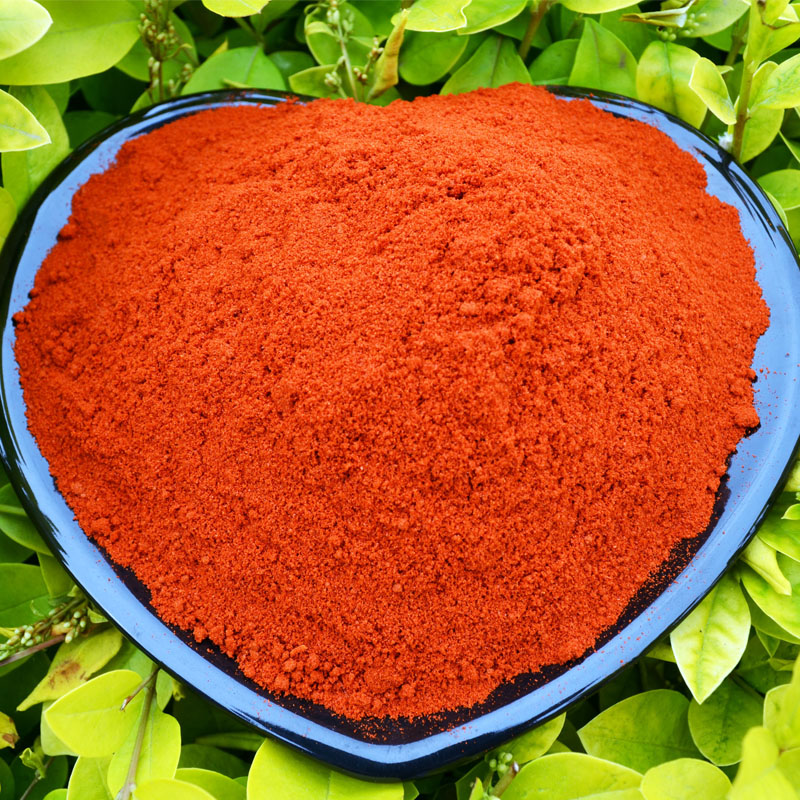
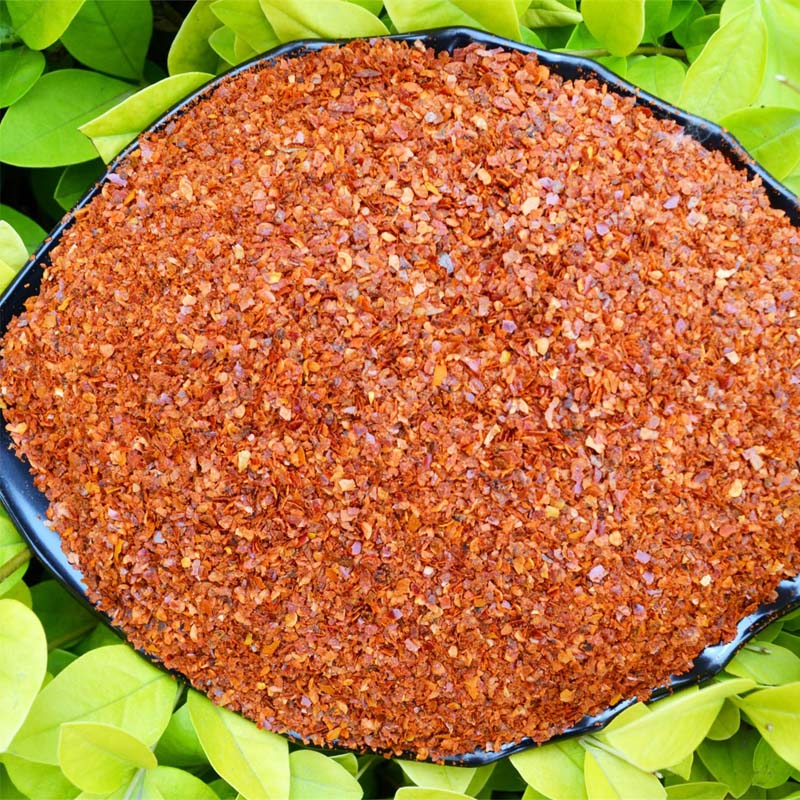
Simply put, double cut crushed red pepper is chili pepper fruit that has been dried and then mechanically cut twice — first into large flakes, and then cut again into smaller flakes, resulting in a finer, more uniform texture. This process improves its flow properties, making it ideal for sprinkling, blending into sauces, or packaging in spice blends.
From an industrial standpoint, this refining step caters to modern food processing: it ensures consistency in size, flavor dispersion, and ease of automation in packaging lines. Plus, it meets the increasing regulatory demands for food safety and quality standards (see ISO 6579 for spice sampling methods).
Key Attributes of Double Cut Crushed Red Pepper
1. Uniform Particle Size for Consistent Flavor
Because double cutting reduces size variability, chefs and food manufacturers know exactly what they’re getting — evenly distributed heat and flavor without bitter stems or overly large seeds.
2. Enhanced Shelf Life through Controlled Drying
Proper drying and cutting help inhibit mold growth and rancidity, extending usability in retail and wholesale setups.
3. Scalability in Supply Chains
This form is easier to package in bulk or retail quantities, fitting well into modern supply chains from farm to table.
4. Cost Efficiency
Reducing waste and standardizing cuts lower production costs, often translating to better pricing for wholesalers and foodservice providers.
Product Specification Table
| Specification | Details |
|---|---|
| Cut Type | Double Cut - fine flakes |
| Capsaicin Content | 40,000 - 50,000 Scoville Heat Units (SHU) |
| Moisture Content | 8% max |
| Packaging Options | Bulk 10kg bags, retail 100g jars |
| Country of Origin | India / Turkey / USA |
Global Applications & Use Cases
From the bustling street food stalls of Mumbai to high-end Italian kitchens in Tuscany, the double cut crushed red pepper finds its place everywhere.
- Food Service Industry: Enables chefs to maintain consistent spice levels, critical for franchise operations across countries.
- Packaged Food Manufacturers: Incorporated into spice blends, sauces, and snack seasonings, ensuring precise heat intensity.
- Agricultural Exporters: Regions like Turkey or India use it as a value-added product, supporting local economies.
- Humanitarian Food Aid: In extensive relief operations, especially where long shelf-life and ease of distribution matter.
For instance, during post-disaster relief efforts in Southeast Asia, packaged meals with consistent flavor profiles—often using double cut crushed red pepper—have been vital in providing not only nutrition but also comfort through familiar tastes.
Mini Takeaway: This product moves beyond spice; it fuels economies, cultures, and relief agendas.
Advantages & Long-Term Value
There’s more here than just the spicy kick. The tangible benefits span aspects like:
- Cost Savings: Standardized products reduce waste and processing time.
- Sustainability: Efficient drying and harvesting practices lower environmental impact.
- Social Impact: Supporting smallholder farmers through value-added processing.
- Trust & Food Safety: Conformance to international quality standards gives consumers peace of mind.
It’s kind of satisfying knowing that the red flakes you sprinkle carry with them a traceable story of care, innovation, and global collaboration.
Vendor Comparison Table
| Vendor | Capsaicin Level (SHU) | Price per KG (USD) | Country | Certifications |
|---|---|---|---|---|
| SpiceCo Global | 45,000 | $15 | India | ISO 22000, Organic |
| TasteFlames Ltd. | 42,000 | $13.50 | Turkey | HACCP, GMP |
| RedSpice Exports | 50,000 | $16 | USA | FDA Approved, Organic |
Emerging Trends & Innovations
The spicy world is evolving, with technology reshaping how double cut crushed red pepper is produced and marketed. For one, digital traceability through blockchain is gaining momentum, offering transparency from farm to table. Additionally, sustainable farming practices, including water-efficient irrigation and organic cultivation, align well with consumer demand for eco-conscious spices.
New packaging innovations are appearing too — biodegradable sachets or smart packaging can preserve freshness while reducing waste. Automation in sorting and cutting improves product quality, while capsaicin extraction for medicinal uses is a growing sub-sector.
Challenges & Solutions to Watch For
But it isn’t all sunny and spicy. Weather volatility impacts pepper yields, sometimes causing price spikes and quality issues. Supply chain disruptions — think pandemics or trade tariffs — can delay shipments and complicate sourcing.
Industry players are meeting these challenges through diversified farming, establishing local processing facilities, and investing in R&D for drought-resistant chili varieties. Collaborative platforms among farmers, brands, and tech providers foster resilience.
FAQ: Common Questions About Double Cut Crushed Red Pepper
- Q1: What is the difference between single cut and double cut crushed red pepper?
- Double cut crushed red pepper undergoes two mechanical cuts, creating finer and more uniform flakes compared to single cut versions. This results in easier application and consistent heat, preferred in commercial food processing.
- Q2: Can double cut crushed red pepper be used in both cooking and food manufacturing?
- Absolutely. Its uniform size and consistent flavor make it perfect for home use, restaurants, and large-scale food manufacturing, including sauces, marinades, and seasoning blends.
- Q3: How does moisture content affect the quality of crushed red pepper?
- Lower moisture content (typically under 8%) helps prevent mold and extends shelf life. Too much moisture risks spoilage and flavor degradation.
- Q4: Are there organic options available for double cut crushed red pepper?
- Yes, many vendors now offer certified organic double cut crushed red pepper, adhering to strict farming and processing protocols for clean, natural products.
- Q5: How should double cut crushed red pepper be stored?
- It should be kept in a cool, dry place, away from direct sunlight and air exposure to preserve potency and prevent clumping.
Conclusion: Spice Up Your Supply Chain with Double Cut Crushed Red Pepper
If you’re sourcing spices, or just curious how a small ingredient creates big global ripples, the double cut crushed red pepper is a fascinating product to explore. It delivers quality, consistency, and scale — qualities increasingly valued in today’s complex food landscape. Whether enhancing a homemade pizza or supporting global food relief missions, this pepper has earned its spot.
To delve deeper or source premium products, feel free to visit our website at https://www.hongrispice.com.
In the end, it’s quite satisfying to think that such a simple cut of chili pepper connects farmers, chefs, and spice lovers worldwide — all through a hint of fiery flavor.
References
-
Guide to Sourcing and Using Premium Dried Spicy PeppersNewsApr.16,2026
-
Dried Spur Chili Guide to Premium Flavor and Industrial QualityNewsApr.09,2026
-
Exploring the World of Dried Whole Chili Peppers and Their Culinary UsesNewsApr.07,2026
-
Exploring the Culinary World of Dried Whole Chillies and Their Versatile UsesNewsApr.04,2026
-
Exploring the World of Red Dried Chiles and Their Culinary UsesNewsMar.31,2026
-
Exploring the Culinary World of Red Dried Chili Peppers and Their Versatile UsesNewsMar.28,2026
 Afrikaans
 Albanian
 Amharic
 Arabic
 Armenian
 Azerbaijani
 Basque
 Belarusian
 Bengali
 Bosnian
 Bulgarian
 Catalan
 Cebuano
 Corsican
 Croatian
 Czech
Czech
 Danish
 Dutch
Dutch
 Esperanto
 Estonian
 Finnish
 French
 Frisian
 Galician
 Georgian
 German
 Greek
Greek
 Gujarati
 Haitian Creole
 Hausa
Hausa
 Hawaiian
 Hebrew
 Hindi
Hindi
 Miao
Miao
 Hungarian
 Icelandic
 Igbo
Igbo
 Indonesian
 Irish
Irish
 Italian
 Japanese
 Javanese
 Kannada
 Kazakh
 Khmer
Khmer
 Rwandese
 Korean
 Kurdish
 Kyrgyz
 Lao
Lao
 Latin
Latin
 Latvian
 Lithuanian
 Luxembourgish
 Macedonian
 Malgashi
 Malay
Malay
 Malayalam
 Maltese
 Maori
Maori
 Marathi
 Mongolian
 Myanmar
 Nepali
 Norwegian
 Norwegian
 Occitan
 Pashto
 Persian
 Polish
 Portuguese
 Punjabi
 Romanian
 Russian
 Samoan
 Scottish Gaelic
 Serbian
 Sesotho
 Shona
Shona
 Sindhi
 Sinhala
 Slovak
 Slovenian
 Somali
 Spanish
 Sundanese
 Swahili
 Swedish
 Tagalog
 Tajik
Tajik
 Tamil
Tamil
 Tatar
Tatar
 Telugu
 Thai
Thai
 Turkish
 Turkmen
 Ukrainian
 Urdu
Urdu
 Uighur
 Uzbek
Uzbek
 Vietnamese
 Welsh
Welsh
 Bantu
Bantu
 Yiddish
 Yoruba
 Zulu
Zulu
 English