- No. 268 Xianghe Street, Economic Development Zone of Xingtai city, Hebei 054001 China
- Byron@hbhongri.cn
Dec . 13, 2025 18:15
Back to list
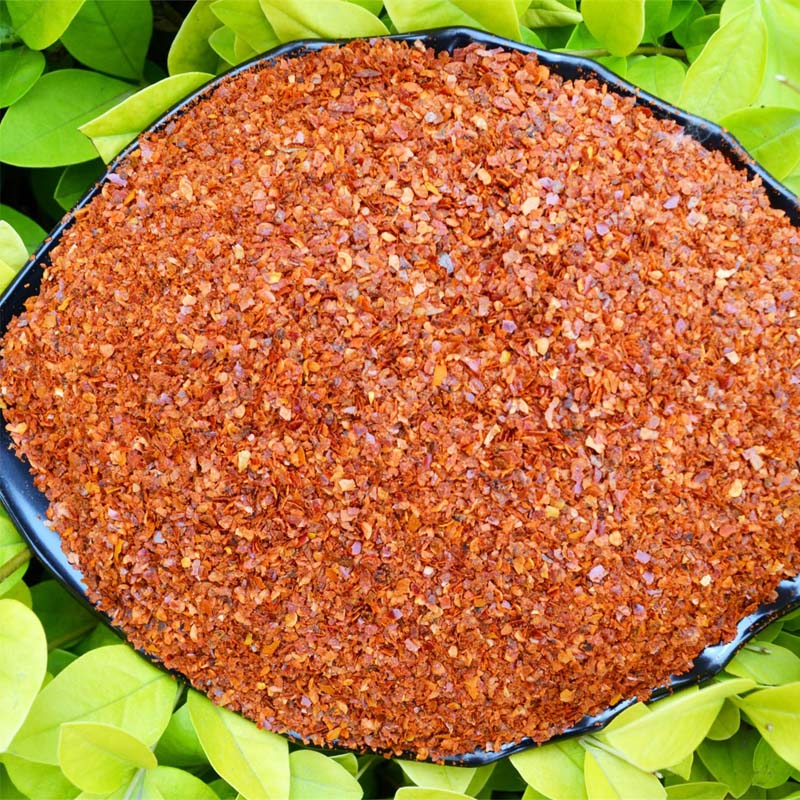
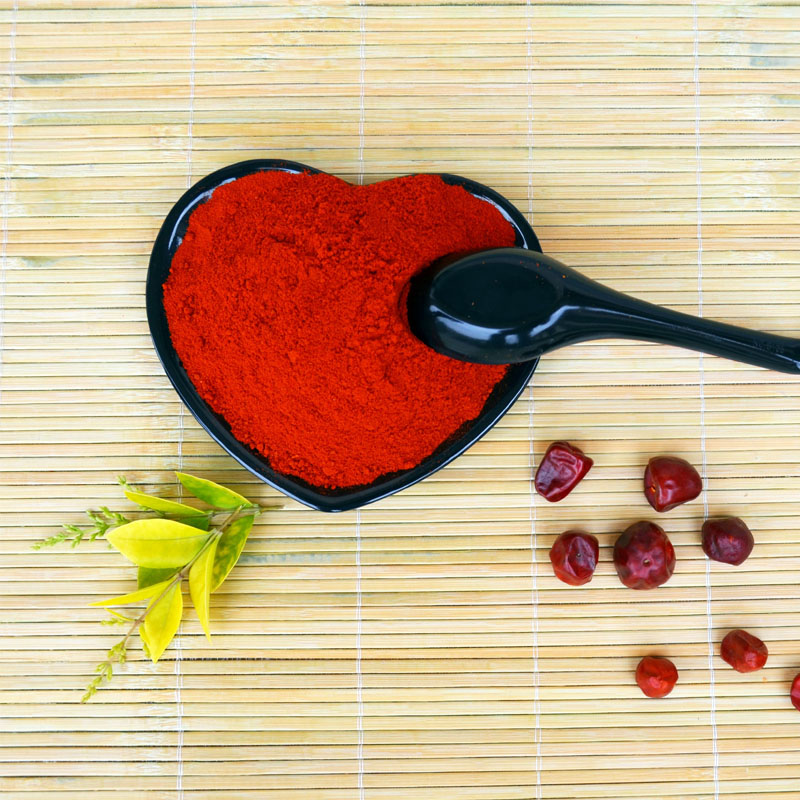
Home Made Chilli Powder: Crafting Flavor, Tradition & Sustainability
What Exactly Is Home Made Chilli Powder and Why Does It Matter?
If you’re like me, you probably think of chilli powder as that fiery little bag of spice tucked away in the pantry, ready to punch up your curry or stew. But “home made chilli powder” is a bit more than just store-bought flavoring — it’s a gateway into understanding more personal, artisanal, and sometimes even community-focused food traditions that ripple far beyond kitchen walls. Globally, peppers are grown in almost every continent, and chilli powder finds its way into diets, economies, and cultures everywhere. Knowing how to create your own spread of spices adds culinary control, reduces waste, and can even become a small local business opportunity. Plus, here’s a spicy tidbit: The Food and Agriculture Organization (FAO) estimates that global production and consumption of dried peppers have doubled since the 1990s, showing just how hot this trend really is. Yet, many people don’t realize that using homemade blends supports healthier, fresher, and often more sustainable cooking, sidestepping preservatives or additives that often sneak into mass-produced powders. ---The Global Pulse: Why Home Made Chilli Powder Is More Relevant Than You Think
You might wonder what homemade chilli powder has to do with the big picture—say, global markets or humanitarian efforts. Well, here’s a hint: globally, over 4 million tons of dried chillies are traded annually (United Nations COMTRADE data), and this underground economy supports millions of farmers in developing countries. Fresh chilli peppers are perishable, and in many regions, drying them and turning them into powder lengthens their shelf life, ensures consistent pricing, and reduces food waste. Interestingly, home preparation methods address an ongoing challenge: how to keep spices fresh and flavorful without heavy refrigeration or shipping costs. For communities where infrastructure is limited, sun-drying and grinding chillies locally is a lifeline, rather than relying on imported powders that may arrive stale or full of unwanted fillers. So, whether it’s an entrepreneur in rural India or a family in Mexico, mastering home made chilli powder speaks to resilience, resourcefulness, and a passion for flavor that transcends borders. ---Defining Home Made Chilli Powder: More Than Just Ground Peppers
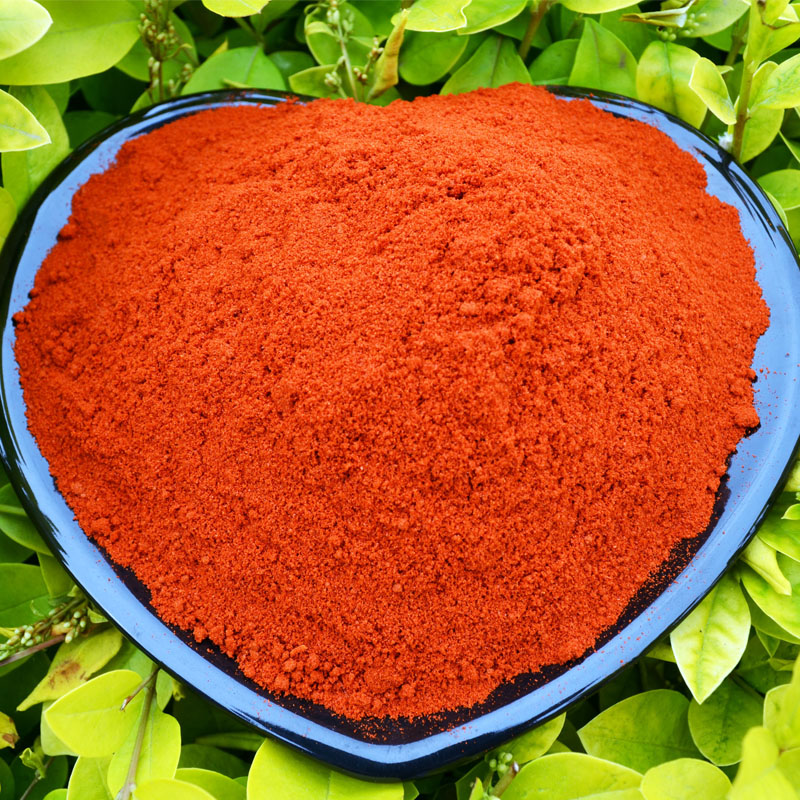
In its simplest essence, home made chilli powder is exactly what it sounds like — dried chilli peppers that are crushed or ground by hand or small-scale equipment, often mixed with other spices, and stored to be used later for cooking. Unlike industrial powders, homemade versions tend to lack chemical additives or anti-caking agents, making them purer and, frankly, more vibrant in flavor. From a humanitarian perspective, homemade spice blends can support nutritional needs in emergency food supplies, providing vital calories and taste that encourage consumption — which is crucial in disaster relief or refugee camps. The ability to create your own mixes empowers local communities, preserves traditional spice profiles, and promotes sustainability. ---Core Elements That Shape Your Homemade Chilli Powder
1. Choice of Chilli VarietyNot all chillies are created equal. From the smoky warmth of Ancho to the piercing heat of Bird’s Eye, your powder’s character depends majorly on what you pick. Rain, soil, and sun all influence final flavor, a little like wine terroir. 2. Drying Technique
Sun-drying, oven-drying, or using a dehydrator can drastically change taste and texture. Sun-drying is natural but weather-dependent; electric dehydrators offer control but consume power. The drying speed affects pungency too. 3. Grinding Method
Mortar and pestle, electric grinders, or stone mills—each method produces different particle sizes and heat, which influence how the spice blends when cooked. 4. Storage Conditions
Chilli powder loves a cool, dark spot. Improper storage invites moisture and loss of aroma. Airtight containers and sometimes nitrogen-filled packaging can extend shelf life dramatically. 5. Additive Choices (Salt, Cumin, Garlic, etc.)
Mixing extra spices is optional but often done to create complex blends like “Garam Masala” or regional classics. The art lies in balancing heat with complementary flavors. ---
How Home Made Chilli Powder Finds Its Place Around the World
From the bustling spice markets of Morocco to the rural kitchens of Nepal, home made chilli powders are everywhere. In parts of Southeast Asia, women-run cooperatives dry and grind chillies to boost local economies. NGOs in post-disaster zones distribute chilli drying kits to empower displaced people with income sources. Technologically forward food companies have even begun to experiment with small-batch, artisan chilli powders that mimic homemade styles, appealing to eco-conscious consumers. And frankly, in your own kitchen —#, say, when making that smoky BBQ rub or the perfect taco seasoning — home made powder adds a unique, personal signature. Mini Summary: Homemade chilli powder connects cultural heritage, economic empowerment, and practical sustainability. It’s used locally and globally to preserve, flavor, and sustain. ---Why Go Homemade? The Many Advantages
There’s more than flavor at stake here. Home made chilli powder: - Costs less since you cut out middlemen and packaging. - Supports sustainability by reducing plastic waste and fossil-fuel-intensive transport. - Enhances nutritional value — fresher chilli means more vitamins retained. - Empowers social enterprises and small farmers. - Improves food safety by limiting unknown additives. - Strengthens cultural identity, preserving heritage recipes. Emotionally, the craft of making your own spice can boost a sense of accomplishment, pride, and even community connection — something that many processed products simply can’t replicate. ---Spec Sheet: Typical Ingredients & Properties of Home Made Chilli Powder
| Parameter | Specification | Notes |
|---|---|---|
| Chilli Variety | Cayenne, Bird’s Eye, Ancho | Major contributor to heat level |
| Scoville Heat Units | 30,000 – 100,000 SHU | Varies by pepper type |
| Moisture Content | Less than 12% | Prevents mold and spoilage |
| Grinding Size | Fine to medium (200-500 microns) | Affects dispersibility in cooking |
| Shelf Life | 6 to 12 months | Stored in airtight containers |
Comparing Home Made Chilli Powder Equipment Vendors
| Vendor | Drying Method | Grinding Options | Price Range | Ideal For |
|---|---|---|---|---|
| SpiceMaster Ltd. | Electric Dehydrators | Electric Grinders, Mortar & Pestle | $400 - $1500 | Small Businesses, Home Use |
| SunDry Solutions | Solar Dryers | Manual Grinding | $200 - $800 | Remote Areas, Eco-Focused |
| HerbalEquip Inc. | Hybrid Electric & Solar | Electric Grinders Only | $1000 - $2500 | Medium-sized Producers |
Looking Ahead: The Future of Home Made Chilli Powder
Technology’s creeping into the spice world, slowly but surely. I’ve heard about solar-powered dehydrators becoming more affordable, even for small rural communities, making drying chillies less weather-dependent and more energy-efficient. There’s also growing research into bio-packaging for spices — something that could make home produced powders last longer without plastic waste. Digitally, apps and online platforms are connecting small producers with global buyers, making traditional homemade chilli powder accessible to wider markets. Imagine a local spice blend from Kerala becoming a trending product on global food platforms. Automation might sound like it clashes with “home made,” but I think it’s about striking balance — tools that preserve authenticity while easing the labor. ---Challenges That Still Persist — And How to Beat Them
Sometimes you can get stuck with inconsistent heat or moisture spoiling a batch. Without proper drying or airtight containers, spoilage happens fast. Scaling up production without losing traditional flavor is tricky, too. Solutions? Well, for starters, better training on drying and storage practices can help. Portable testing kits for moisture and heat levels are starting to appear, which is neat. And joining cooperatives or knowledge-sharing groups allows sharing of best practices. It’s a journey — nobody says every powder will be perfect on the first grind. ---FAQ: Your Burning Questions About Home Made Chilli Powder
Q1: How can I control the heat level in my homemade chilli powder?A1: Choose your chilli variety carefully. Mild peppers like Ancho deliver gentle heat, while Bird’s Eye or Cayenne pack more punch. Also, adjusting the ratio of seeds to flesh can tweak spiciness, since seeds hold much of the heat. Experiment gradually! Q2: What’s the best way to dry chillies for powder production?
A2: Sun-drying is natural and energy-free but depends on climate. Dehydrators offer consistent temperature control and reduce drying time. Make sure to dry until moisture content falls below 12% to avoid mold. Q3: How long does home made chilli powder stay fresh?
A3: Stored airtight in a cool, dark place, homemade powders usually last between 6 to 12 months. Over time, flavor and heat fade, so try to use it within that window for best taste. Q4: Can I export homemade chilli powder internationally?
A4: Yes, but you’ll need to comply with food safety regulations and quality certifications in your target markets. Partnering with experienced exporters or getting help from trade organizations simplifies this process. Q5: How important is grinding size for cooking?
A5: Very important! Finer powders blend smoothly into sauces and rubs, while coarser powders add texture and bursts of flavor. Choose depending on your recipe goals. ---
Bringing It All Together — Why Home Made Chilli Powder Is Worth the Effort
So, home made chilli powder is more than a tasty kitchen hack — it’s a cultural connector, an economic opportunity, and a sustainable choice. It brings freshness and control back to cooking, reduces waste, and even holds keys for community empowerment in diverse regions. If you’re inspired to explore making your own or scaling it for small business ventures, remember it’s part art, part science, and a bit of a warm journey for the soul. For more detailed tips, recipes, and sourcing ideas, check out our home made chilli powder page. There’s something really satisfying about grinding your own spice blend — it’s a little spark of tradition in a modern kitchen. ---References:
1. FAO, Food and Agriculture Organization of the United Nations - Pepper Production Statistics, 2023.
2. United Nations COMTRADE Database - Global Spice Trade, latest data 2023.
3. ISO Cooking and Food Safety Standards, 2024.
Latest news
-
Guide to Sourcing and Using Premium Dried Spicy PeppersNewsApr.16,2026
-
Dried Spur Chili Guide to Premium Flavor and Industrial QualityNewsApr.09,2026
-
Exploring the World of Dried Whole Chili Peppers and Their Culinary UsesNewsApr.07,2026
-
Exploring the Culinary World of Dried Whole Chillies and Their Versatile UsesNewsApr.04,2026
-
Exploring the World of Red Dried Chiles and Their Culinary UsesNewsMar.31,2026
-
Exploring the Culinary World of Red Dried Chili Peppers and Their Versatile UsesNewsMar.28,2026
 Afrikaans
 Albanian
 Amharic
 Arabic
 Armenian
 Azerbaijani
 Basque
 Belarusian
 Bengali
 Bosnian
 Bulgarian
 Catalan
 Cebuano
 Corsican
 Croatian
 Czech
Czech
 Danish
 Dutch
Dutch
 Esperanto
 Estonian
 Finnish
 French
 Frisian
 Galician
 Georgian
 German
 Greek
Greek
 Gujarati
 Haitian Creole
 Hausa
Hausa
 Hawaiian
 Hebrew
 Hindi
Hindi
 Miao
Miao
 Hungarian
 Icelandic
 Igbo
Igbo
 Indonesian
 Irish
Irish
 Italian
 Japanese
 Javanese
 Kannada
 Kazakh
 Khmer
Khmer
 Rwandese
 Korean
 Kurdish
 Kyrgyz
 Lao
Lao
 Latin
Latin
 Latvian
 Lithuanian
 Luxembourgish
 Macedonian
 Malgashi
 Malay
Malay
 Malayalam
 Maltese
 Maori
Maori
 Marathi
 Mongolian
 Myanmar
 Nepali
 Norwegian
 Norwegian
 Occitan
 Pashto
 Persian
 Polish
 Portuguese
 Punjabi
 Romanian
 Russian
 Samoan
 Scottish Gaelic
 Serbian
 Sesotho
 Shona
Shona
 Sindhi
 Sinhala
 Slovak
 Slovenian
 Somali
 Spanish
 Sundanese
 Swahili
 Swedish
 Tagalog
 Tajik
Tajik
 Tamil
Tamil
 Tatar
Tatar
 Telugu
 Thai
Thai
 Turkish
 Turkmen
 Ukrainian
 Urdu
Urdu
 Uighur
 Uzbek
Uzbek
 Vietnamese
 Welsh
Welsh
 Bantu
Bantu
 Yiddish
 Yoruba
 Zulu
Zulu
 English