- No. 268 Xianghe Street, Economic Development Zone of Xingtai city, Hebei 054001 China
- Byron@hbhongri.cn
Dried Spur Chili Guide to Premium Flavor and Industrial Quality
Dried Spur Chili: The Ultimate Guide to Flavor and Quality
When it comes to adding a bold, authentic kick to culinary creations, dried spur chili stands as a premier choice for chefs and food manufacturers worldwide. Known for its distinct heat profile and vibrant color, this specific variety of chili brings a balanced pungency that enhances rather than overwhelms a dish. Whether you are crafting a spicy sauce, a traditional stew, or a modern fusion snack, understanding the nuances of this spice is key to achieving professional-grade flavor. In this guide, we will explore everything from its unique characteristics to the industrial standards that ensure premium quality for global trade.
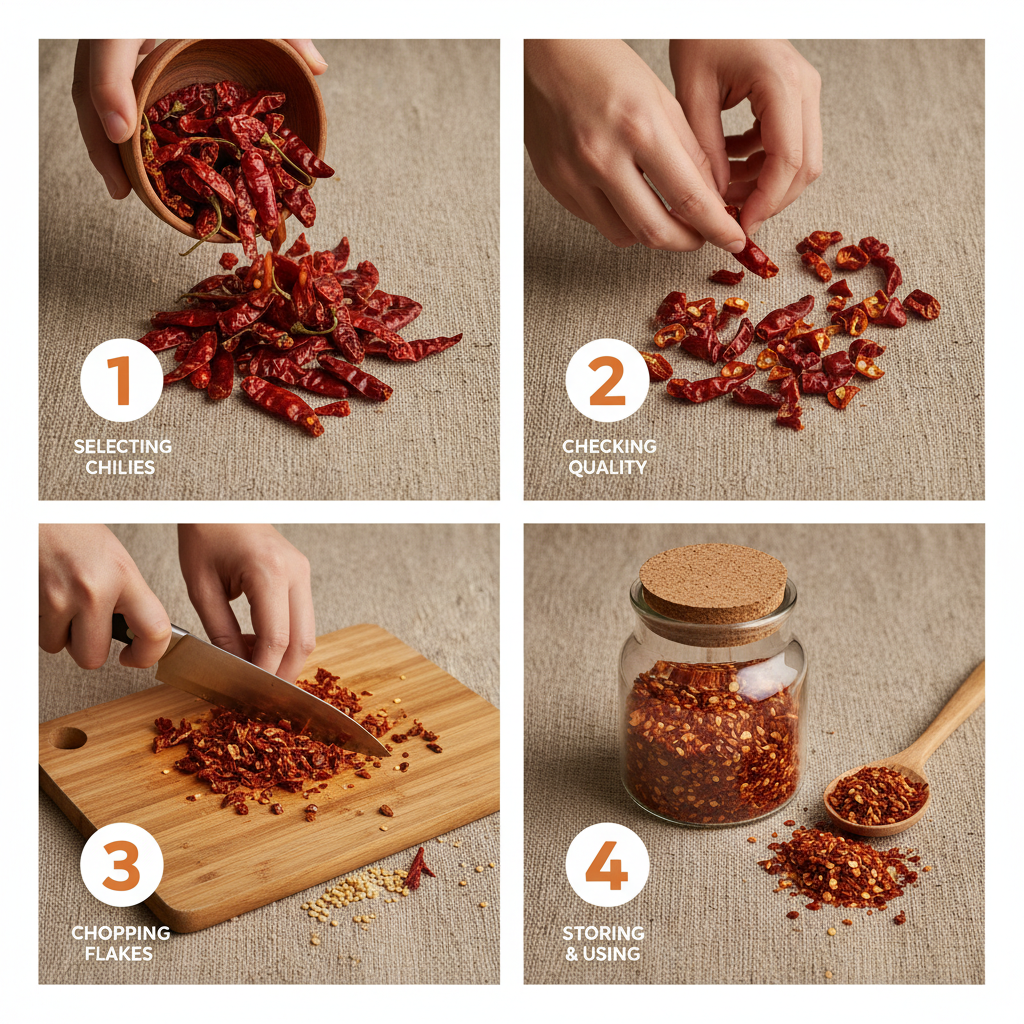
The Unique Flavor Profile of Dried Spur Chili
The allure of dried spur chili lies in its complex chemical composition. Unlike some chilies that offer only a sharp, one-dimensional sting, the spur variety provides a warm, earthy undertone combined with a medium-to-high heat level. This versatility makes it an essential ingredient in various global cuisines. The drying process concentrates the capsaicin and natural sugars, resulting in a product that is not only potent but also possesses a rich, smoky aroma when toasted or rehydrated. For businesses in the spice trade, this balance of aesthetics and taste is what drives the demand for high-grade spur chilies.
Pro Tip: To unlock the full aromatic potential of the chili, lightly toast the pods in a dry pan before grinding them into a powder or soaking them in warm water for pastes.
Selecting High-Quality Dried Spur Chili for Trade
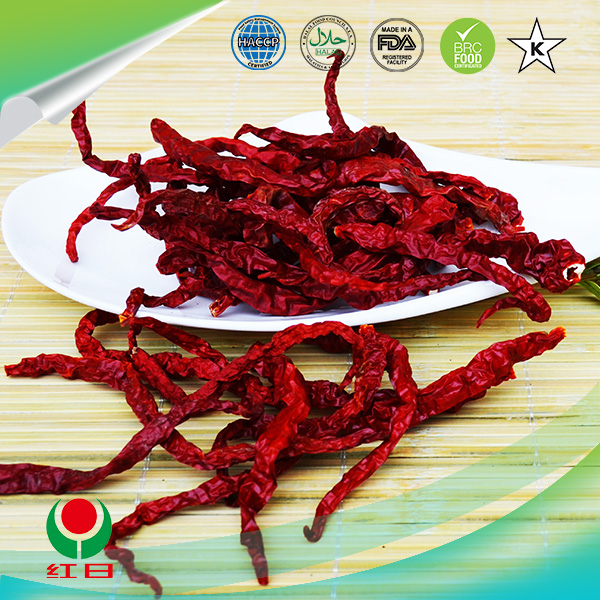
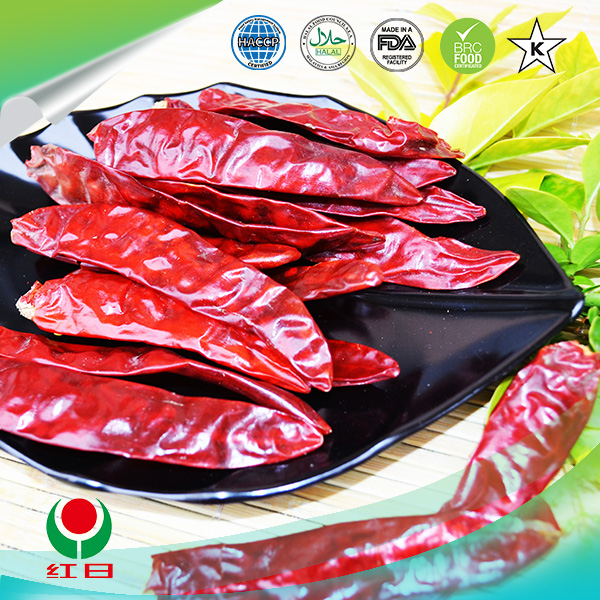
In the world of international spice procurement, quality is measured by several critical factors: color, moisture content, and purity. A premium dried spur chili should exhibit a bright, consistent red hue without dark spots or discoloration, which could indicate mold or improper drying. Furthermore, moisture levels must be strictly controlled; excessive moisture not only reduces shelf life but also increases the risk of aflatoxin contamination. Suppliers who employ advanced drying technology can ensure that the pods remain crisp and the essential oils are preserved, maintaining the "sting" and fragrance the market expects.
Dried Spur Chili Technical Specifications
For B2B buyers and quality control managers, having a clear set of specifications is non-negotiable. The industrial grade of dried spur chili is typically categorized by its size, heat unit (SHU), and purity levels. Ensuring that the product meets international food safety standards (such as ISO or HACCP) is paramount for successful customs clearance and consumer safety. Below is a detailed specification table commonly used in professional spice sourcing.
Comparing Dried Spur Chili with Other Dried Varieties
To appreciate the value of dried spur chili, it is helpful to compare it with other popular dried chilies like Bird's Eye or Cayenne. While Bird's Eye chilies are prized for their intense, sharp heat, the spur variety offers a more rounded flavor profile that integrates better into complex sauces. Cayenne is often more acidic and pungent, whereas the spur chili provides a deeper, more "savory" heat. This makes the spur variety the preferred choice for bulk condiments and seasonings where a consistent, lingering warmth is required rather than a sudden spike of heat.
Applications of Dried Spur Chili in Food Production
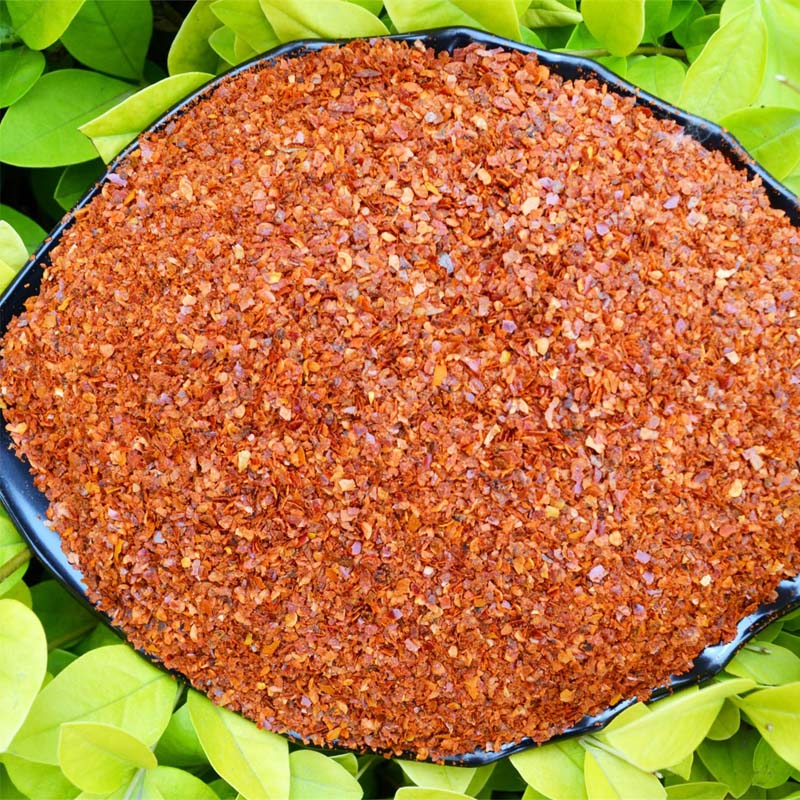
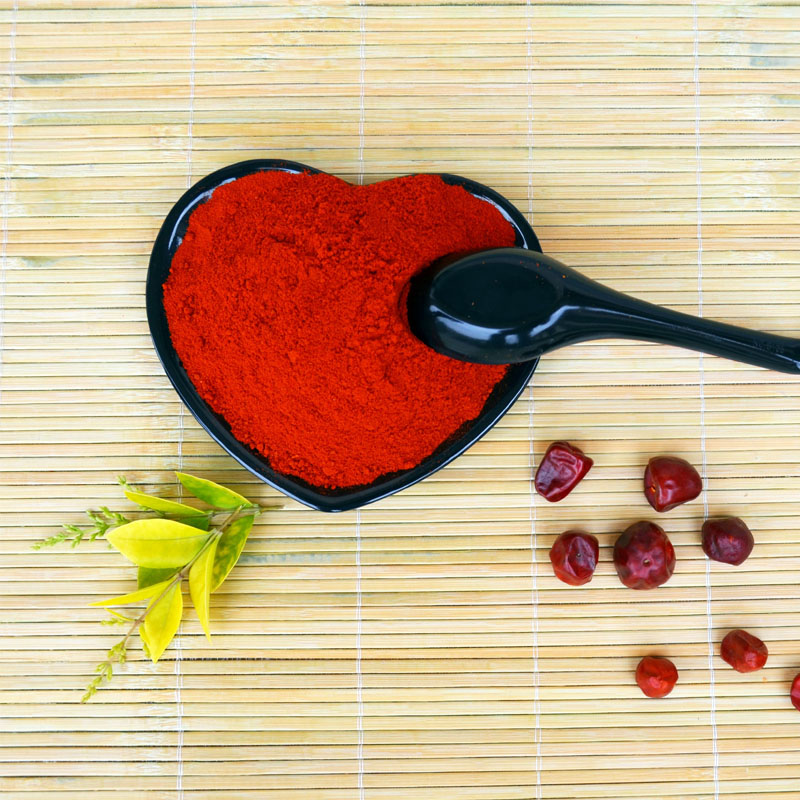
The industrial application of dried spur chili is vast. In the snack food industry, it is ground into fine powders for seasoning chips and nuts, providing both the desired spicy taste and a visually appealing orange-red color. In the sauce industry, it is used as a base for hot sauces, sriracha-style condiments, and chili oils. Because of its stability when dried, it allows manufacturers to maintain a consistent taste across different production batches, regardless of the season. Its ability to withstand high-temperature processing also makes it ideal for canned goods and ready-to-eat meals.
Storage and Logistics for Maximum Freshness
Maintaining the potency of dried spur chili during transit and storage is a critical logistical challenge. The spice must be kept in a cool, dry place, away from direct sunlight, which can bleach the color and degrade the capsaicin. For large-scale shipments, vacuum-sealed packaging or multi-layer moisture-proof bags are recommended to prevent humidity ingress. When stored correctly, high-quality dried chilies can maintain their flavor and heat for up to 24 months, ensuring a stable supply chain for food producers.
Conclusion: Elevating Your Product with Quality Spur Chilies
Choosing a premium dried spur chili is more than just a procurement decision; it is a commitment to flavor excellence. By prioritizing strict technical specifications, proper drying processes, and strategic storage, businesses can ensure their products deliver a consistent and satisfying spicy experience. Whether you are a gourmet importer or a large-scale food manufacturer, the right spice partner can make all the difference in your final product's success. Invest in quality, and let the bold taste of spur chilies elevate your brand.
Frequently Asked Questions (FAQs)
How does dried spur chili differ from fresh chilies in terms of flavor?
Dried spur chilies undergo a concentration process during dehydration. While fresh chilies have a "green," bright, and watery heat, the dried version develops a deeper, smokier, and more concentrated pungency. This concentration allows the flavor to permeate oils and sauces more effectively. Furthermore, the drying process removes moisture, which stabilizes the flavor profile and allows for a much longer shelf life, making it the only viable option for large-scale industrial food production and international shipping.
What are the signs of low-quality dried spur chili?
Low-quality dried spur chili usually presents as dull, brownish-red rather than vibrant red. Another red flag is the presence of "clumping," which indicates high moisture levels and a risk of mold. If the pods are brittle and crumble into dust easily, they may be old or over-dried, losing their essential oils and aromatic potency. Additionally, a high percentage of stems or foreign organic matter in the bag indicates poor sorting and cleaning processes by the supplier.
Can dried spur chili be used for both powder and whole pod applications?
Absolutely. One of the greatest advantages of this variety is its versatility. Whole pods are ideal for infusion in oils, adding to slow-cooked stews, or as a visual garnish in artisanal products. For those requiring a uniform distribution of heat and color, the pods can be ground into coarse flakes or a fine powder. The high oil content of premium spur chilies ensures that the resulting powder remains fragrant and vibrant, making it perfect for dry rubs, seasoning blends, and commercial food coatings.
How should I store bulk quantities of dried spur chili?
For bulk storage, it is essential to maintain a temperature-controlled environment (ideally between 15-25°C) with low humidity. Use food-grade airtight containers or reinforced poly-woven bags with an inner PE liner. Store the bags on pallets to avoid direct contact with the floor, which prevents moisture wicking. It is also recommended to store them in a dark area, as UV light can degrade the natural red pigments (carotenoids) and reduce the visual appeal of the product. Regular inventory rotation (FIFO) ensures that the freshest stock is always used first.

-
Exploring the World of Dried Whole Chili Peppers and Their Culinary UsesNewsApr.07,2026
-
Exploring the Culinary World of Dried Whole Chillies and Their Versatile UsesNewsApr.04,2026
-
Exploring the World of Red Dried Chiles and Their Culinary UsesNewsMar.31,2026
-
Exploring the Culinary World of Red Dried Chili Peppers and Their Versatile UsesNewsMar.28,2026
-
Exploring the Culinary World of Vibrant Red Dried ChiliesNewsMar.26,2026
 Afrikaans
 Albanian
 Amharic
 Arabic
 Armenian
 Azerbaijani
 Basque
 Belarusian
 Bengali
 Bosnian
 Bulgarian
 Catalan
 Cebuano
 Corsican
 Croatian
 Czech
Czech
 Danish
 Dutch
Dutch
 Esperanto
 Estonian
 Finnish
 French
 Frisian
 Galician
 Georgian
 German
 Greek
Greek
 Gujarati
 Haitian Creole
 Hausa
Hausa
 Hawaiian
 Hebrew
 Hindi
Hindi
 Miao
Miao
 Hungarian
 Icelandic
 Igbo
Igbo
 Indonesian
 Irish
Irish
 Italian
 Japanese
 Javanese
 Kannada
 Kazakh
 Khmer
Khmer
 Rwandese
 Korean
 Kurdish
 Kyrgyz
 Lao
Lao
 Latin
Latin
 Latvian
 Lithuanian
 Luxembourgish
 Macedonian
 Malgashi
 Malay
Malay
 Malayalam
 Maltese
 Maori
Maori
 Marathi
 Mongolian
 Myanmar
 Nepali
 Norwegian
 Norwegian
 Occitan
 Pashto
 Persian
 Polish
 Portuguese
 Punjabi
 Romanian
 Russian
 Samoan
 Scottish Gaelic
 Serbian
 Sesotho
 Shona
Shona
 Sindhi
 Sinhala
 Slovak
 Slovenian
 Somali
 Spanish
 Sundanese
 Swahili
 Swedish
 Tagalog
 Tajik
Tajik
 Tamil
Tamil
 Tatar
Tatar
 Telugu
 Thai
Thai
 Turkish
 Turkmen
 Ukrainian
 Urdu
Urdu
 Uighur
 Uzbek
Uzbek
 Vietnamese
 Welsh
Welsh
 Bantu
Bantu
 Yiddish
 Yoruba
 Zulu
Zulu
 English