- No. 268 Xianghe Street, Economic Development Zone of Xingtai city, Hebei 054001 China
- Byron@hbhongri.cn
Coarse Red Pepper: Global Importance, Uses & Quality Insights
Understanding Coarse Red Pepper: More Than Just Spice
Coarse red pepper isn't merely a kitchen staple; it’s a globally recognized product with culinary, industrial, and even cultural significance that stretches well beyond the dining table. Known for its bold color, distinct heat, and rustic texture, coarse red pepper plays a vital role in food industries from Asia to America, and even finds unexpected applications elsewhere. But why does understanding this spice really matter? Well, apart from enhancing flavor, coarse red pepper production involves careful agricultural practices, global trade implications, and influences on consumer health and sustainability — all worth knowing if you’re involved in the food supply chain or simply a curious foodie.
The Global Context: Production and Demand of Coarse Red Pepper
Worldwide, coarse red pepper stands tall as a key agricultural commodity. According to the Food and Agriculture Organization (FAO), global capsicum production exceeded 40 million metric tons in recent years. Nations like India, China, Turkey, and Mexico dominate its cultivation, and it’s a crucial export for many developing countries. Intriguingly, rising global demand for authentic, organic, and less processed spices has made coarse red pepper increasingly popular.
The spice market grew approximately 5.5% annually between 2015 and 2023, but supply chain challenges, such as climate variability and pest control, remain a constant hurdle. Not to mention, farmers face fluctuations in pepper quality based on harvest, drying, and processing methods — topics that sometimes get lost in global stats but are fundamental to the product's success.
Mini Takeaway:
Coarse red pepper’s global importance is fueled by agricultural traditions, international demand, and market shifts — understanding it means tapping into a vibrant, complex ecosystem.
What Exactly Is Coarse Red Pepper?
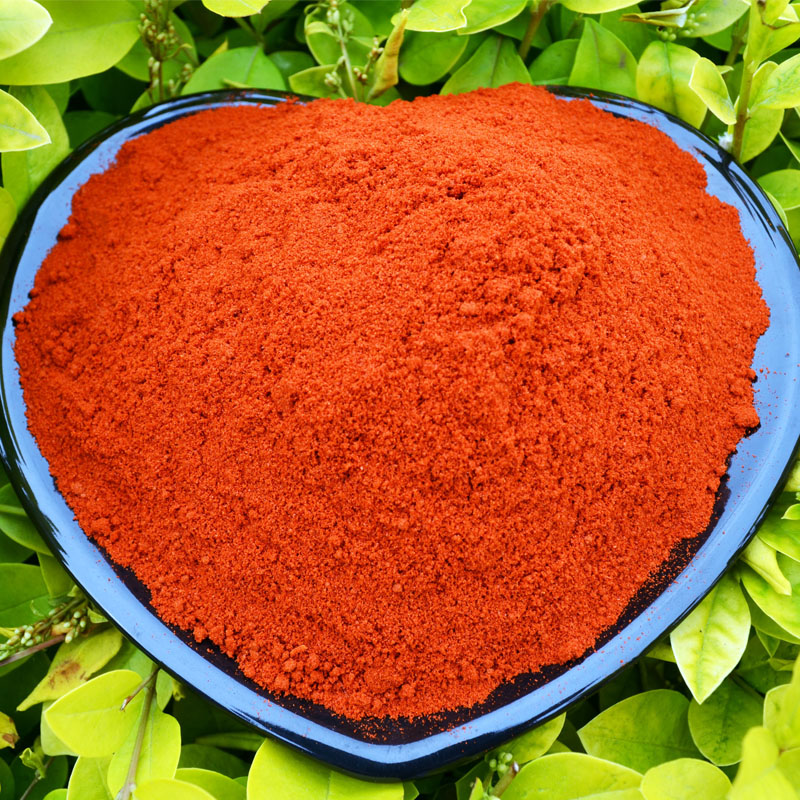
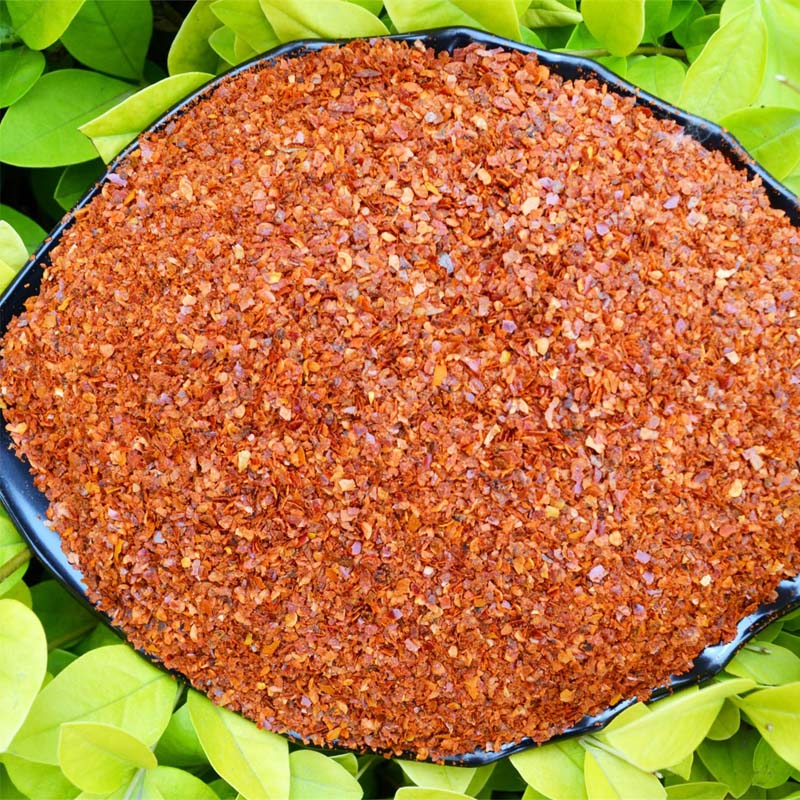
Simply put, coarse red pepper consists of dried red chili peppers crushed into irregular, chunky flakes rather than fine powder. The coarse texture offers a fiery kick balanced with appealing crunch and visual interest — that cracked red pepper effect beloved by chefs and home cooks alike. It retains seeds and bits of pepper skin, which contribute to its intense aroma and flavor complexity.
Beyond its culinary charm, coarse red pepper serves as a raw ingredient for spice blends, sauces, and even medicinal extracts. In industry, it’s often connected to natural preservatives and antioxidants. Plus, in humanitarian food aid programs, fast-to-use spice blends incorporating coarse red pepper can improve morale and nutrition — showing the humble spice’s surprisingly broad role.
Key Factors Defining Quality and Utility of Coarse Red Pepper
1. Color & Visual Appeal
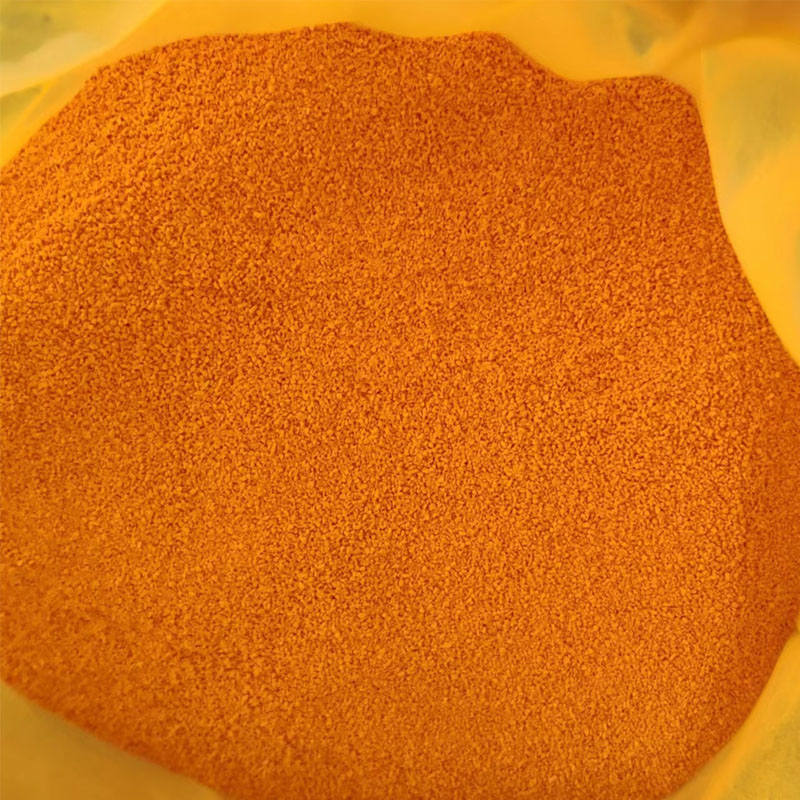
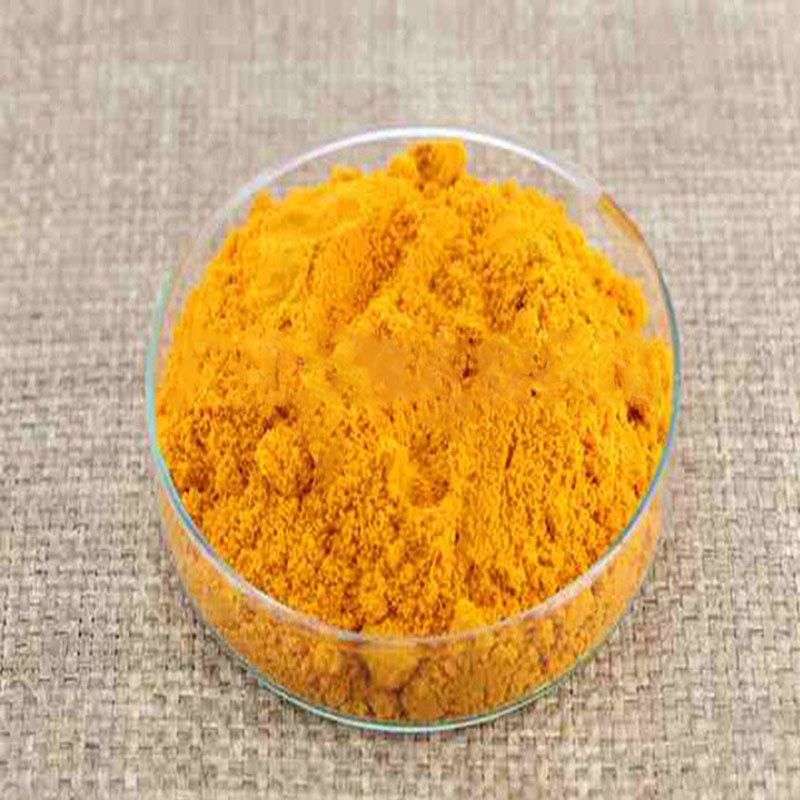
The vibrant reddish-orange shade indicates high carotenoid and capsaicin content. It signals freshness and quality — often, dull or pale flakes mean long storage or poor drying.
2. Flavor & Heat Profile
Measured by Scoville Heat Units (SHU), coarse red pepper typically ranges from 30,000 to 50,000 SHU depending on variety. The coarse grind helps release flavors gradually when cooking.
3. Particle Size & Texture
The uneven flakes provide texture in dishes and affect spice mixing and packaging. Consistency here is key for industrial blending.
4. Moisture Content & Shelf Life
Proper drying (below ~12% moisture) ensures longer shelf life and prevents mold. Quality control here is critical for exporters and retailers.
5. Purity & Contamination Control
Ensuring the spice is free of foreign matter, pesticides, and aflatoxins aligns with international food standards like ISO 22000.
Mini Takeaway:
Each factor—from color to safety—matters in delivering that perfect coarse red pepper experience, whether for a spicy pizza topping or a commercial hot sauce factory.
Applications Around the Globe: Where Coarse Red Pepper Makes an Impact
The applications of coarse red pepper span far beyond your spice rack:
- Foodservice & Culinary Arts: Used in Italian pizzerias, Korean BBQ marinades, and Mexican salsas, it’s practically indispensable.
- Industrial Food Processing: Incorporated into spice blends and ready-to-eat meals for its flavor and antimicrobial properties.
- Health & Wellness Products: Some companies experiment with capsaicin extracts sourced from coarse flakes for topical analgesics.
- Export & Trade: Smallholders in Turkey and India rely heavily on coarse red pepper exports to sustain livelihoods.
- Humanitarian Aid: Added to culturally appropriate emergency rations to boost caloric intake and morale.
For example, in remote Himalayan villages, farmers use traditional sun-drying methods to produce coarse red pepper for both domestic use and export, keeping ancient practices alive while meeting modern demand.
Product Specification Table: Typical Coarse Red Pepper Attributes
| Specification | Typical Range | Remarks |
|---|---|---|
| Particle Size | 4–8 mm flakes | Texture affects mouthfeel & blending |
| Moisture Content | ≤12% | Prevents spoilage and mold |
| Capsaicin Strength (SHU) | 30,000–50,000 | Varies by chili cultivar |
| Color | Bright red to orange-red | Indicates quality & freshness |
| Foreign Matter | Mandatory for export compliance |
Comparing Major Coarse Red Pepper Vendors
Choosing a reliable supplier can make or break your product quality and delivery timelines. Here’s a quick look at three key vendors known for their coarse red pepper offerings:
| Vendor | Source Region | Price Range (per kg) | Quality Certification | Delivery Lead Time |
|---|---|---|---|---|
| SpiceWorld India | Telangana, India | $3.50–$4.00 | ISO 22000, Organic Certified | 2–4 weeks |
| RedFlake Herbs | Eastern Turkey | $4.00–$4.30 | ISO 9001, Halal | 3–5 weeks |
| ChilePro Imports | Nuevo León, Mexico | $3.80–$4.10 | FSSC 22000, Non-GMO | 1–3 weeks |
Advantages of Using Coarse Red Pepper
Coarse red pepper adds more than spice; here’s why many food manufacturers and chefs swear by it:
- Cost Efficiency: Minimal processing saves manufacturing costs and reduces wastage.
- Sustainability: Usually sun-dried and naturally processed, it has a smaller carbon footprint than chemical alternatives.
- Health Properties: Rich in antioxidants and capsaicin, it may support metabolism and cardiovascular health.
- Emotional Impact: The smell alone can trigger appetite and memories, adding warmth and cultural familiarity.
- Versatility: Works seamlessly across cuisines and industries, from snacks to pharma.
What’s Next? Emerging Trends in Coarse Red Pepper Production
Innovation is stirring the spicy world, oddly enough. Here’s a peek at the future:
- Organic & Traceable Farming: Blockchain is helping trace pepper origin for transparent sourcing.
- Eco-Friendly Packaging: Compostable and recyclable solutions are being adopted to reduce waste.
- Smart Drying Technologies: Solar-powered drying units to improve quality and reduce energy use.
- Capsaicin Extraction: Enhanced methods to harness health benefits, opening pharma applications.
Challenges & Practical Solutions
Of course, it’s not all sunshine and hot peppers. Key challenges include:
- Climate Impact: Erratic weather patterns can reduce yields. Solution? Diversified crops and improved irrigation techniques.
- Quality Variability: Non-uniform drying leads to inconsistent batches. Solution: adopting standardized drying equipment.
- Supply Chain Disruptions: Global pandemics and transportation issues affect availability. Solution: Localized supply chains and forward contracts.
FAQ: Things People Often Ask About Coarse Red Pepper
Q1: How is coarse red pepper different from regular chili powder?
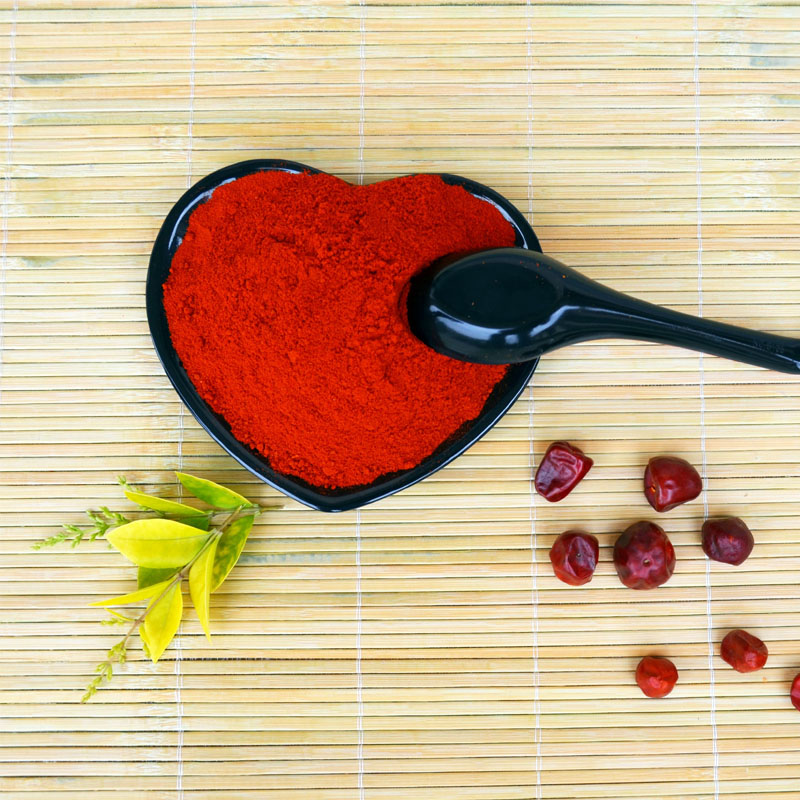
A1: Unlike finely ground chili powder, coarse red pepper has bigger flakes that include seeds and peel bits, offering a crunchier texture and a slow-release heat. It’s often favored for topping pizzas or finishing dishes.
Q2: What factors affect the heat level of coarse red pepper?
A2: Heat depends on the chili variety, growing conditions, and drying methods. Typically, peppers from hotter climates or with more mature fruits yield flakes with higher Scoville Heat Units.
Q3: Can I use coarse red pepper in baking or desserts?
A3: Yes, in modern culinary trends, a pinch of coarse red pepper adds a surprising warmth and depth to chocolates, cookies, and even fruit tarts for a spicy-sweet contrast.
Q4: How should I store coarse red pepper to keep it fresh?
A4: Store it in an airtight container in a cool, dark place, away from moisture and sunlight. Proper storage preserves color, flavor, and pungency for up to 12 months.
Q5: Are there ethical considerations when sourcing coarse red pepper?
A5: Absolutely. Look for certifications like Fair Trade or Organic when possible to ensure fair wages and sustainable farming practices.
Wrapping Up: Why Coarse Red Pepper Still Matters
Ultimately, coarse red pepper is more than a pretty little spice. It embodies centuries of culture, global trade dynamics, and evolving consumer preferences. Its coarse flaky texture is a symbol of authenticity, and its warming heat a nod to nature’s fiery gifts. So next time you sprinkle it over your coarse red pepper-topped dish, consider the journey behind those flakes — the farmers, the processors, the innovations — all promising a delicious and meaningful experience.
Curious for more? Visit our website for the freshest coarse red pepper options and industry insights: https://www.hongrispice.com
Quick Summary
- Coarse red pepper plays a vital role worldwide, bridging culinary artistry and commerce.
- Quality depends on texture, color, moisture, and safety—critical for export.
- Its applications range from kitchen tables to wellness industries.
- Future trends focus on sustainability, traceability, and technological innovation.
References:
1. Food and Agriculture Organization (FAO), Agricultural Statistics Database
2. ISO 22000 – Food Safety Management Systems
3. Wikipedia contributors, Chili pepper, Wikipedia, The Free Encyclopedia
-
Guide to Sourcing and Using Premium Dried Spicy PeppersNewsApr.16,2026
-
Dried Spur Chili Guide to Premium Flavor and Industrial QualityNewsApr.09,2026
-
Exploring the World of Dried Whole Chili Peppers and Their Culinary UsesNewsApr.07,2026
-
Exploring the Culinary World of Dried Whole Chillies and Their Versatile UsesNewsApr.04,2026
-
Exploring the World of Red Dried Chiles and Their Culinary UsesNewsMar.31,2026
-
Exploring the Culinary World of Red Dried Chili Peppers and Their Versatile UsesNewsMar.28,2026
 Afrikaans
 Albanian
 Amharic
 Arabic
 Armenian
 Azerbaijani
 Basque
 Belarusian
 Bengali
 Bosnian
 Bulgarian
 Catalan
 Cebuano
 Corsican
 Croatian
 Czech
Czech
 Danish
 Dutch
Dutch
 Esperanto
 Estonian
 Finnish
 French
 Frisian
 Galician
 Georgian
 German
 Greek
Greek
 Gujarati
 Haitian Creole
 Hausa
Hausa
 Hawaiian
 Hebrew
 Hindi
Hindi
 Miao
Miao
 Hungarian
 Icelandic
 Igbo
Igbo
 Indonesian
 Irish
Irish
 Italian
 Japanese
 Javanese
 Kannada
 Kazakh
 Khmer
Khmer
 Rwandese
 Korean
 Kurdish
 Kyrgyz
 Lao
Lao
 Latin
Latin
 Latvian
 Lithuanian
 Luxembourgish
 Macedonian
 Malgashi
 Malay
Malay
 Malayalam
 Maltese
 Maori
Maori
 Marathi
 Mongolian
 Myanmar
 Nepali
 Norwegian
 Norwegian
 Occitan
 Pashto
 Persian
 Polish
 Portuguese
 Punjabi
 Romanian
 Russian
 Samoan
 Scottish Gaelic
 Serbian
 Sesotho
 Shona
Shona
 Sindhi
 Sinhala
 Slovak
 Slovenian
 Somali
 Spanish
 Sundanese
 Swahili
 Swedish
 Tagalog
 Tajik
Tajik
 Tamil
Tamil
 Tatar
Tatar
 Telugu
 Thai
Thai
 Turkish
 Turkmen
 Ukrainian
 Urdu
Urdu
 Uighur
 Uzbek
Uzbek
 Vietnamese
 Welsh
Welsh
 Bantu
Bantu
 Yiddish
 Yoruba
 Zulu
Zulu
 English