- No. 268 Xianghe Street, Economic Development Zone of Xingtai city, Hebei 054001 China
- Byron@hbhongri.cn
Dec . 13, 2025 23:50
Back to list
Discover the Flavor & Global Impact of Paprika Seasoning | Quality Spice Insights
Understanding Paprika Seasoning: A Blend of Flavor and Global Impact
Paprika seasoning isn’t just that bright red dust sitting quietly on your spice rack — it’s a fascinating powder with a rich history and a globally significant footprint. From its vibrant color to its smoky or sweet flavor variations, paprika has become a kitchen staple worldwide, but its relevance goes beyond mere taste. Why does it matter? Because paprika seasoning encapsulates a blend of agricultural traditions, cultural heritage, and international trade, along with its role in food security and sustainable agriculture. Knowing about paprika seasoning can open a delightful window into how something seemingly so simple can influence economies, cuisines, and communities globally.The Global Context: Why Paprika Seasoning Matters Today
Paprika production is a massive global business, cultivated primarily in countries such as Hungary, Spain, and parts of Asia, shaping local economies and traditions. According to data from the Food and Agriculture Organization (FAO), global paprika exports have risen steadily over the past decade, reflecting growing international demand for this flavorful seasoning. Yet, paprika production faces challenges typical to agricultural industries worldwide — from climate change affecting crop yields to supply chain disruptions in global food markets. Interestingly, paprika seasoning also plays a role in food fortification efforts in some regions, introducing vital nutrients such as vitamin A. In the current era when food quality and nutrition are under the spotlight, paprika seasoning’s unique qualities strike a chord. With more consumers seeking natural, flavorful, and healthful ingredients, paprika seasoning's role is evolving from a mere spice to a multi-functional food enhancer and nutritional partner.Mini takeaway:
Paprika seasoning isn't just about flavor—it’s entangled in global agricultural trends, nutrition, and the struggle for sustainable food cultivation.What Is Paprika Seasoning? Defining Its Flavorful Essence
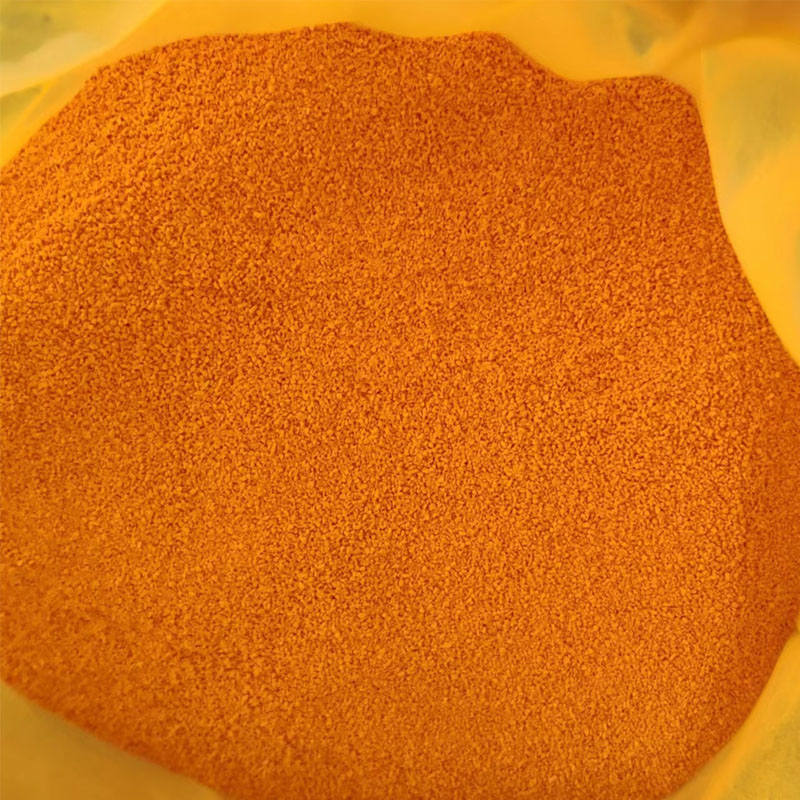
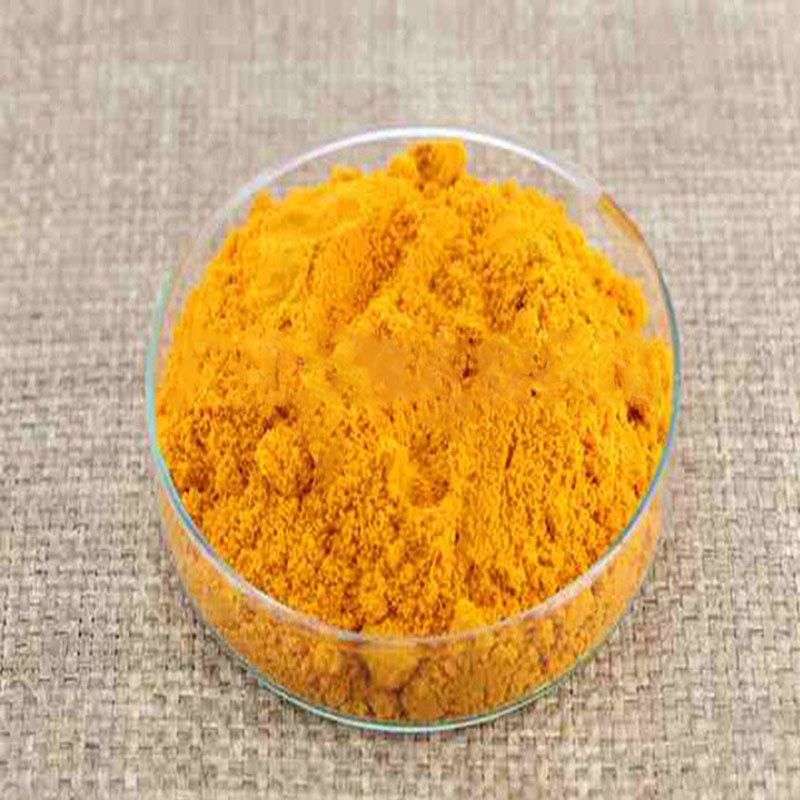
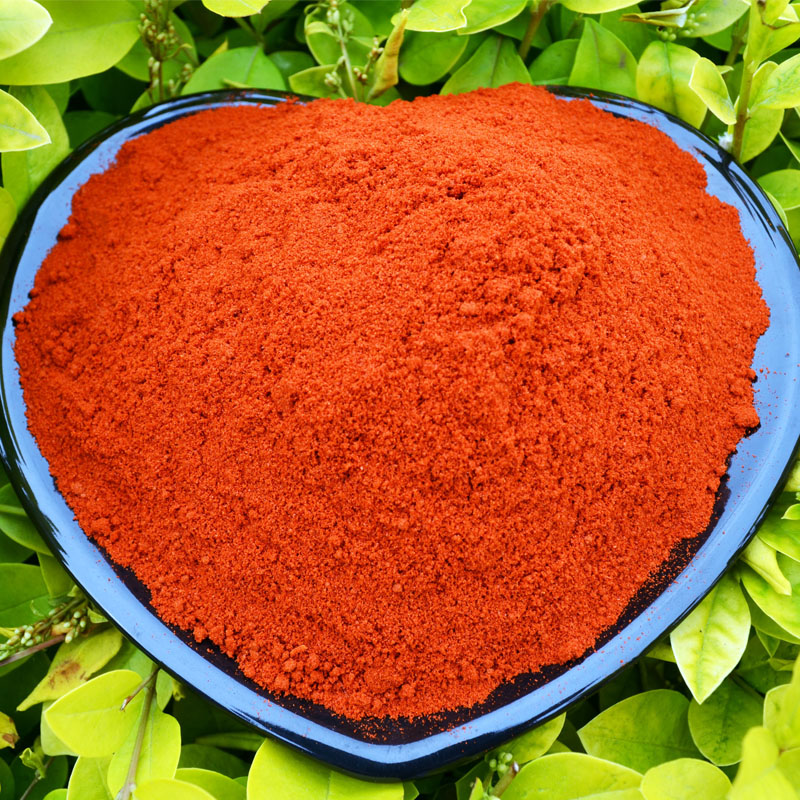
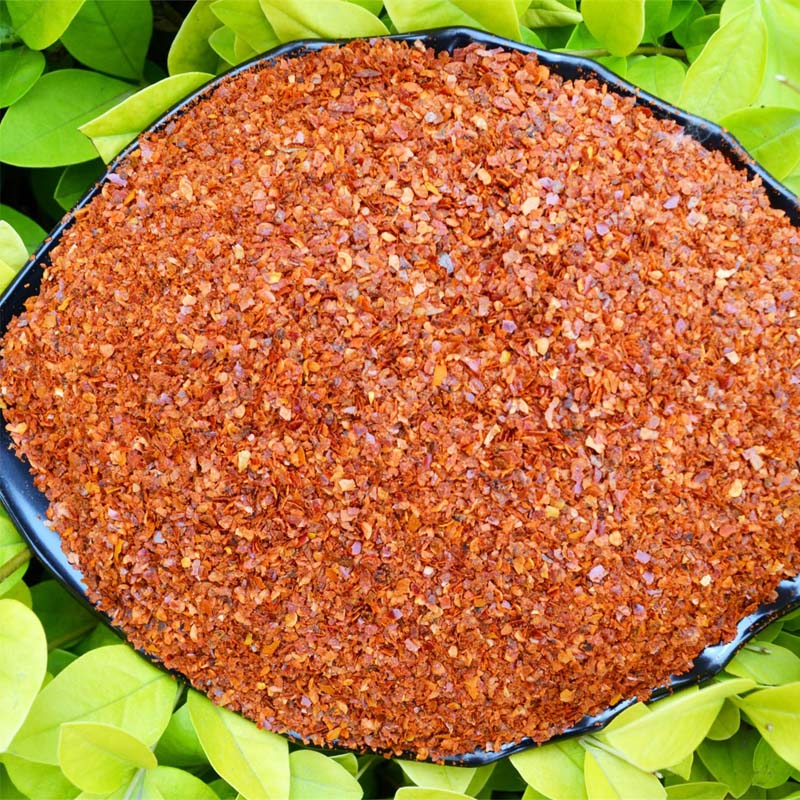
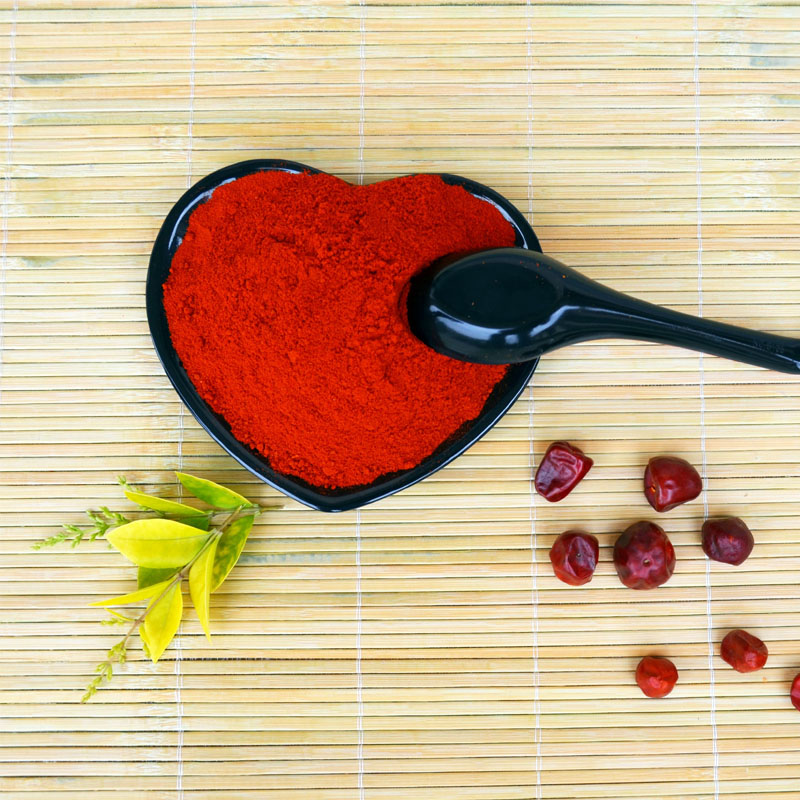
Paprika seasoning is made by grinding dried pods of the Capsicum annuum pepper family, which includes mild to moderately hot pepper varieties. These peppers are harvested, dried, and finely ground, resulting in the iconic red powder that can vary in sweetness and heat, depending on the pepper type used. In modern culinary industries, paprika is often valued for its vibrant color, flavoring versatility, and its antioxidant content — particularly carotenoids, which give paprika its hue and potential health benefits. Moreover, paprika seasoning ties closely to cultural identities — think Hungarian goulash or Spanish chorizo, where paprika is the flavor cornerstone. Typically, paprika comes in three main types: - Sweet Paprika: Mild and slightly sweet with zero heat. - Hot Paprika: Combines pungency and warmth. - Smoked Paprika: Dried over wood, imparting a smoky aroma. Understanding its makeup helps companies innovate in food production and allows humanitarian efforts to incorporate paprika in fortification programs for malnourished populations.Mini takeaway:
Paprika seasoning is more than a spice; it’s a complex product with culinary, nutritional, and cultural value poised for wider industrial use.Key Factors That Define Paprika Seasoning
1. Quality & Color Intensity
The paprika’s color intensity often reflects its quality and carotenoid content — an important marker for food manufacturers aiming to standardize spice blends. Higher color intensity typically signals better flavor and antioxidant levels.2. Flavor Profile
The presence or absence of heat can make or break a paprika blend depending on the recipe. Hot paprika varieties bring spice and a piquant kick, while sweet paprika adds mildness and depth without heat.3. Purity and Additives
Pure paprika seasoning has no fillers or artificial colors, which is critical for consumer trust and regulatory compliance. Some mass-produced varieties dilute paprika to cut costs, reducing effectiveness and authenticity.4. Packaging and Shelf Life
Proper packaging protects paprika seasonings from moisture, light, and air, which degrade flavor and color rapidly. For global shipments, packaging designs focus on maintaining freshness over weeks or months.5. Sustainable Sourcing
Environmental impacts from paprika farming — such as pesticide use and soil depletion — are increasingly scrutinized. Sustainable production practices are a growing factor influencing buyer decisions and certifications.6. Price and Scalability
Paprika seasoning cost varies widely by origin, quality, and production scale. Bulk procurement is common in the foodservices sector, while premium market segments demand higher-quality and sometimes organic variants.Mini takeaway:
Paprika seasoning’s defining features range from visual appeal and flavor to sourcing ethics and packaging innovation — a blend no less intricate than the spice itself.Global Applications and Practical Use Cases
Paprika seasoning travels far beyond spice racks. Here’s how it's applied worldwide: - Food Manufacturing: Processed meats, soups, sauces, and snacks often rely on paprika for authentic color and flavor. Spanish smoked paprika, for instance, is a key ingredient in many chorizo recipes. - Humanitarian Nutrition Programs: Paprika powder, rich in carotenoids and vitamins, is sometimes included in famine relief food kits to enhance nutrition and palatability. - Smallholder Farming Economies: In countries like India and Morocco, paprika cultivation supports livelihoods, even in arid zones, driving rural economic activity. - Export Markets: Hungary remains a kingpin in paprika exports, with regulated production zones preserving traditional quality — a good example of regional branding. - Gourmet and Ethnic Cuisines: The American barbecue scene has embraced smoked paprika's deep aroma, showing its crossover potential in new culinary experiments.Mini takeaway:
From commercial kitchens to climate adaptations in farming, paprika seasoning’s global footprint is visible and growing in diverse ways.Advantages and Long-Term Value of Paprika Seasoning
For businesses and consumers alike, paprika seasoning brings distinct benefits: - Cost Efficiency: A small amount intensely influences flavor and color, reducing the need for artificial additives. - Health Legacy: Paprika contains vitamins A and E, supporting immune function and skin health. - Consumer Appeal: Natural colors are favored over synthetic, fostering brand trust. - Social Impact: Supporting paprika-growing communities sustains rural economies and preserves traditional farming. - Versatility: It fits a myriad of culinary uses, enhancing dishes from simple snacks to haute cuisine. - Sustainability: When cultivated responsibly, paprika farming is a moderate-impact crop with room for organic growth.Mini takeaway:
Paprika seasoning offers a powerful combination of sensory delight, health benefits, and social value — a trifecta rare for a simple spice.What’s Next? Innovations and Future Trends in Paprika Seasoning
As consumers and industries evolve, so does paprika seasoning: - Green Agriculture Practices: Water-saving irrigation and organic methods are gradually adopted by paprika farmers to reduce environmental footprints. - Digital Quality Testing: Hyperspectral imaging and AI-driven quality assurance help detect paprika purity and contaminants faster. - Functional Food Fortification: R&D is expanding paprika’s use as a natural nutrient carrier in instant meals and ready-to-eat products. - Packaging Innovations: Oxygen-absorbing and resealable packs extend shelf life, helping small retailers and foodservices reduce waste. - Traceability and Fair Trade Certification: Blockchain and certification programs ensure paprika provenance and fair income for farmers.| Specification | Typical Range | Notes |
|---|---|---|
| Moisture Content | 10-12% | Affects shelf life and grinding quality |
| Capsaicin (heat level) | 0-100 Scoville units | Varies by type: sweet to hot |
| Carotenoid Content | 150-200 mg/kg | Determines color intensity |
| pH | 5.0 - 6.5 | Impacts flavor stability |
| Bulk Density | 0.25 - 0.35 g/cm³ | Affects packaging and mixing |
Vendor Comparison: Leading Paprika Seasoning Suppliers
| Supplier | Origin | Product Range | Certifications | Typical Pricing |
|---|---|---|---|---|
| Hungarian Spice Co. | Hungary | Sweet, Hot, Smoked | ISO 22000, Organic | $12-18 / kg |
| Iberian Paprika Ltd. | Spain | Smoked, Medium Heat | Fair Trade, Organic | $15-20 / kg |
| Global Spice Traders | India, Morocco | Sweet, Hot | BRC, ISO 9001 | $8-12 / kg |
Common Challenges & How They’re Being Tackled
Paprika seasoning suppliers and users alike face hurdles: - Supply Chain Fragility: Weather extremes threaten crop yields, making prices volatile. - Adulteration Risks: Some spices are cut with cheaper fillers, hurting brand reputation. - Regulatory Compliance: Navigating diverse food safety laws across countries can get complex. - Color and Flavor Degradation: Improper storage leads to loss of quality. To solve these, industry experts recommend: - Investing in resilient seed varieties and diversified farming. - Employing third-party lab testing and blockchain traceability. - Designing better moisture-proof and UV-resistant packaging. - Educating consumers and suppliers on authentic product standards.FAQ: Paprika Seasoning Essentials
Q: How can I tell if paprika seasoning is pure and high quality?A: Look for vibrant, uniform color without off-odors. Check for certifications like ISO or organic labels. Third-party lab testing results can confirm purity and absence of fillers or contaminants. Q: Is smoked paprika seasoning suitable for all cuisines?
A: Smoked paprika offers a distinct wood-fired aroma that enhances many recipes but may overpower delicate dishes. It's great for barbecue, stews, and certain ethnic specialties but use it thoughtfully depending on taste preference. Q: How long does paprika seasoning keep its flavor and color?
A: Stored in sealed, lightproof containers at cool temperatures, paprika seasoning can retain quality for 6–12 months. Exposure to heat, moisture, or sunlight accelerates degradation. Q: Can paprika be used for food fortification programs?
A: Yes. Due to its carotenoid content (vitamin A precursors), paprika is sometimes incorporated into nutritional blends, especially in regions with vitamin A deficiencies, improving both taste and micronutrient content. Q: What should I look for when sourcing paprika seasoning internationally?
A: Ensure suppliers provide certificates of analysis, understand import/export regulations, and verify product origin. Also, consider communication clarity and delivery timelines for smooth supply chain operations.
Wrapping Up: The Lasting Flavor & Value of Paprika Seasoning
Paprika seasoning is much more than a splash of color or a dash of heat. It’s a globally relevant product connecting farmers, producers, consumers, and cultures across continents. Its nutritional edge, culinary versatility, and evolving supply chain sustainability efforts make paprika an intriguing study in how humble ingredients carry profound stories and benefits. For businesses eager to incorporate this vibrant spice or deepen their sourcing knowledge, the journey is as flavorful as the product. Explore our selection today at paprika seasoning and taste the difference thoughtful quality makes.Final takeaway:
Whether you’re a chef, distributor, or foodie, paprika seasoning invites you behind the scenes of global spice culture — rich, nuanced, and always evolving.References
Latest news
-
Guide to Sourcing and Using Premium Dried Spicy PeppersNewsApr.16,2026
-
Dried Spur Chili Guide to Premium Flavor and Industrial QualityNewsApr.09,2026
-
Exploring the World of Dried Whole Chili Peppers and Their Culinary UsesNewsApr.07,2026
-
Exploring the Culinary World of Dried Whole Chillies and Their Versatile UsesNewsApr.04,2026
-
Exploring the World of Red Dried Chiles and Their Culinary UsesNewsMar.31,2026
-
Exploring the Culinary World of Red Dried Chili Peppers and Their Versatile UsesNewsMar.28,2026
 Afrikaans
 Albanian
 Amharic
 Arabic
 Armenian
 Azerbaijani
 Basque
 Belarusian
 Bengali
 Bosnian
 Bulgarian
 Catalan
 Cebuano
 Corsican
 Croatian
 Czech
Czech
 Danish
 Dutch
Dutch
 Esperanto
 Estonian
 Finnish
 French
 Frisian
 Galician
 Georgian
 German
 Greek
Greek
 Gujarati
 Haitian Creole
 Hausa
Hausa
 Hawaiian
 Hebrew
 Hindi
Hindi
 Miao
Miao
 Hungarian
 Icelandic
 Igbo
Igbo
 Indonesian
 Irish
Irish
 Italian
 Japanese
 Javanese
 Kannada
 Kazakh
 Khmer
Khmer
 Rwandese
 Korean
 Kurdish
 Kyrgyz
 Lao
Lao
 Latin
Latin
 Latvian
 Lithuanian
 Luxembourgish
 Macedonian
 Malgashi
 Malay
Malay
 Malayalam
 Maltese
 Maori
Maori
 Marathi
 Mongolian
 Myanmar
 Nepali
 Norwegian
 Norwegian
 Occitan
 Pashto
 Persian
 Polish
 Portuguese
 Punjabi
 Romanian
 Russian
 Samoan
 Scottish Gaelic
 Serbian
 Sesotho
 Shona
Shona
 Sindhi
 Sinhala
 Slovak
 Slovenian
 Somali
 Spanish
 Sundanese
 Swahili
 Swedish
 Tagalog
 Tajik
Tajik
 Tamil
Tamil
 Tatar
Tatar
 Telugu
 Thai
Thai
 Turkish
 Turkmen
 Ukrainian
 Urdu
Urdu
 Uighur
 Uzbek
Uzbek
 Vietnamese
 Welsh
Welsh
 Bantu
Bantu
 Yiddish
 Yoruba
 Zulu
Zulu
 English