- No. 268 Xianghe Street, Economic Development Zone of Xingtai city, Hebei 054001 China
- Byron@hbhongri.cn
Comprehensive Guide to Paprika Types: From Farm to Table Flavor & Quality
Unlocking the World of Paprika Types: Why It Matters More Than You Think
Paprika? Sure, you know it as that bright red spice sprinkled generously on deviled eggs or stews, but did you ever stop to wonder how many paprika types exist and why those differences matter on a global scale? Believe it or not, understanding the varieties and sources of paprika has significant culinary, industrial, and even humanitarian impacts—from food security in developing countries to export economies across Europe and Asia. In fact, paprika’s subtle variations can influence everything from flavor profiles to nutritional and economic outcomes, making this pungent powder much more than just a kitchen staple.
Global Context: The Importance of Paprika Types
The global demand for paprika is steadily growing, with the market expected to reach around 350,000 metric tonnes annually by 2030, according to trade forecasts from the International Pepper Community and food industry reports. Countries like Hungary, Spain, and India dominate production, yet the rise of paprika cultivation in Eastern and Southern Europe and even Africa shows a fascinating shift in agricultural opportunities and trade. The FAO tracks paprika as a key agricultural product impacting the livelihoods of millions of small farmers worldwide.
Yet, with rising demand comes a challenge: how to ensure consistent quality, traceability, and diversity in paprika types amid climate change’s effects on pepper crops and complex international supply chains? This is where knowing paprika types is no longer just a gourmet luxury—it’s essential for reliable sourcing, food safety, economic sustainability, and cultural tradition.
What Exactly Are Paprika Types?
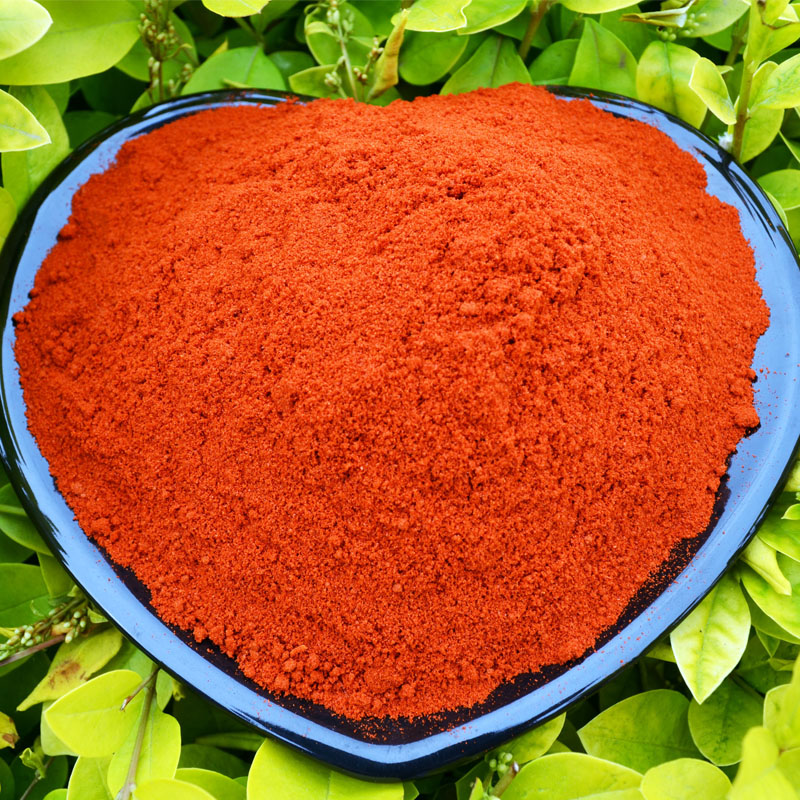
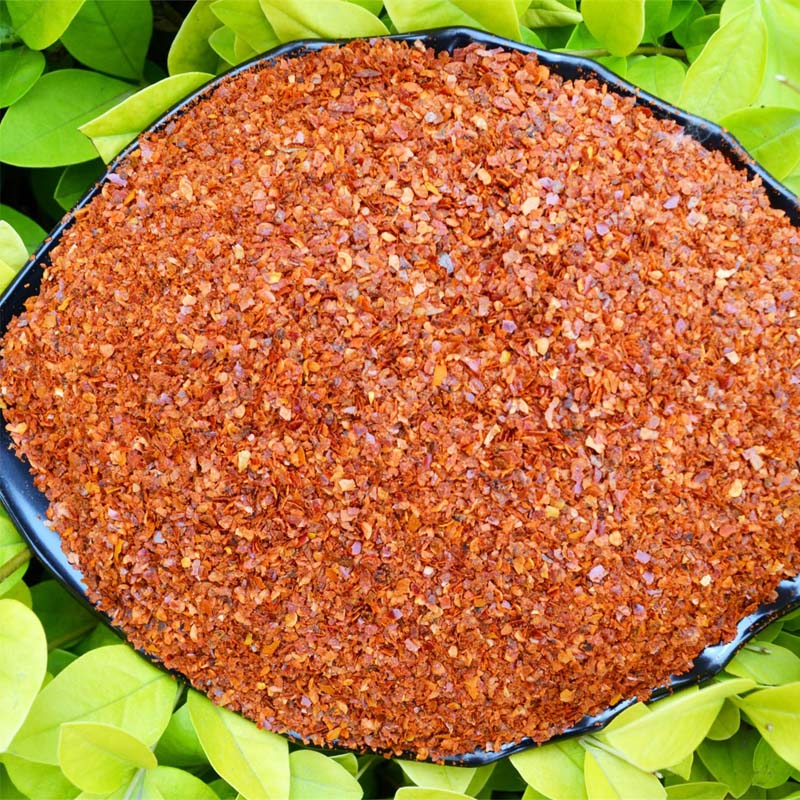
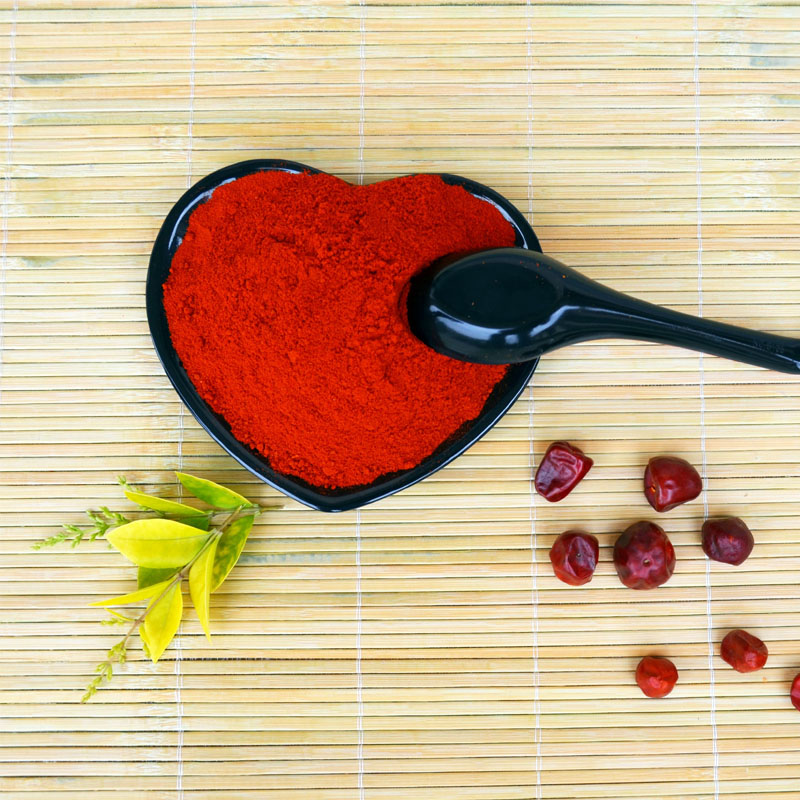
At its core, paprika is a ground powder made primarily from dried sweet red peppers (Capsicum annuum). But "paprika types" refer to its varieties that differ in origin, flavor, color, pungency, and processing methods:
- Sweet Paprika: Mild, vibrant red, often used for color and subtle flavor.
- Smoked Paprika (Pimentón): From Spain, rich smoky notes imparted by drying peppers over hardwood fires.
- Hot Paprika: Spicy, with varying heat levels depending on pepper cultivar.
- Hungarian Paprika: Known for a range of types within a single origin, from delicate “noble sweet” to fiery “roses.”
These differences aren’t just culinary trivia; they tie into agricultural practices, climate, and regional culture, impacting everything from paprika’s nutritional antioxidants to its role in local food identities.
Key Factors Influencing Paprika Types
1. Pepper Cultivar & Genetics
Different Capsicum annuum strains yield varied flavors and Scoville heat units. Hungarian cultivars often produce richer, fruitier paprika compounds, while Spanish varieties incorporate unique smoky profiles via specific drying methods.
2. Climate & Soil Conditions
Paprika peppers thrive in warm, sunny conditions. Soil mineral content, rainfall patterns, and altitude affect the pepper’s sugar content and pigment intensity, directly influencing paprika’s color and taste.
3. Drying & Processing Techniques
The way peppers are dried—air-dried, smoked, or mechanically dehydrated—fundamentally alters the aroma and pungency. For instance, Spanish smoked paprika (pimentón de la Vera) acquires its signature scent from oak smoke exposure.
4. Harvest Timing & Pepper Maturity
Harvesting ripe, fully red peppers ensures vibrant color and sweetness, while unripe or mixed harvests might produce duller, less flavorful powders.
5. Pulverization & Sieving
The fineness of grinding affects paprika’s dispersibility and infusion quality. Fine powders integrate better into sauces, while coarse may be preferred for seasoning rubs.
Paprika Types in Action: Global Applications & Use Cases
Across the world, paprika finds its way into diverse industries and cultures—often beyond just cooking:
- Culinary Traditions: From Hungarian goulash and Spanish chorizo to Indian spice blends (paprika types)—paprika adds color, flavor, and heat.
- Food Industry: Used as a natural food colorant and antioxidant, replacing artificial dyes in packaged foods, snacks, and sauces.
- Health & Nutrition: Rich in vitamin E and carotenoids, paprika supports dietary supplement manufacturers.
- Export & Trade: Countries like Hungary and Spain benefit economically from paprika’s export, aiding rural communities.
- Humanitarian Food Aid: Paprika-enhanced meals provide essential micronutrients in emergency relief food kits in regions vulnerable to food insecurity.
| Specification | Hungarian Sweet | Spanish Smoked | Hot Indian |
|---|---|---|---|
| Color (ASTA Units) | 120-160 | 100-130 | 90-110 |
| Capsaicin (ppm) | 50-75 | 40-70 | 150-250 |
| Moisture (%) | 8 max | 7 max | 10 max |
| Smokiness | None | Strong | None |
Comparing Top Paprika Vendors: Where To Source?
| Vendor | Origin | Product Range | Certifications | Export Reach |
|---|---|---|---|---|
| Hungrian Spices Ltd. | Hungary | Sweet, Hot, Rustic | ISO 9001, Organic EU | EU, North America, Asia |
| Vera Pimentón Exports | Spain | Smoked, Sweet, Bitter | PDO, ISO 22000 | Global |
| Indian Spice Traders | India | Hot, Sweet, Organic | FSSAI, USDA Organic | Asia, Middle East |
The Lasting Appeal and Value of Paprika Types
Beyond being a versatile and beloved ingredient, paprika offers a layered value proposition. It delivers cost-effective natural coloring that's healthier than artificial dyes, champions traditional agricultural practices that support rural economies, and acts as a bridge between global cuisines and cultural heritage. On an emotional level, peppers transformed into paprika carry stories, seasons, and landscapes, connecting farmers and consumers across continents.
I suppose the rise in demand also ushers in a responsibility—ensuring sustainable growing methods and fair trading practices so paprika’s legacy remains intact and rewarding on every level.
Emerging Trends in the World of Paprika
The paprika industry is quietly innovating. Some of the key currents include:
- Organic & Sustainable Farming: More producers seek eco-certifications and soil-friendly practices, reducing chemical inputs and water use.
- Genetic Breeding: Developing cultivars tailored for climate resilience and enhanced flavor profiles.
- Processing Technology: Advances in drying methods like infrared or solar tunnels aim to improve quality and reduce energy.
- Traceability & Blockchain: Transparency is growing; buyers can verify paprika’s origins and journey, ensuring authenticity.
Common Challenges and How Experts Solve Them
Challenges? A few glaring ones. Paprika crops can be vulnerable to pests, irregular harvests due to weather variability, and quality fluctuations from inconsistent drying. Also, counterfeit or adulterated paprika remains a concern for importers.
Experts recommend integrated pest management, investment in drying infrastructure, and third-party lab testing to mitigate these issues. Digital tools for supply chain monitoring also gain traction, making it a modern approach to an ancient spice.
FAQs About Paprika Types
Q1: How do paprika types affect the taste of dishes?
A1: The type of paprika used can drastically change a dish — sweet paprika adds mild, fruity notes while hot paprika introduces spiciness. Smoked paprika imparts a unique smoky aroma ideal for grilling and stews.
Q2: Is some paprika better for health purposes?
A2: Generally, organic paprika retains more antioxidants, including vitamin E and carotenoids, which may provide health benefits. However, fresh, high-quality paprika from reputable suppliers is key.
Q3: Can paprika types be substituted in recipes?
A3: While you can substitute, expect flavor and color differences. For example, replacing smoked paprika with sweet paprika removes smokiness but keeps color.
Q4: How do exporters ensure paprika quality during shipment?
A4: Proper packaging—airtight, moisture-resistant—and temperature control are vital. Certifications and traceability help confirm quality and origin on arrival.
Q5: What steps do small farmers take to differentiate their paprika products?
A5: Many focus on organic farming, unique heirloom peppers, and traditional processing methods to capture niche markets and achieve premium prices.
To Sum Up: Paprika Types Deserve Your Attention
Paprika is much more than a pretty red dust—it reflects climates, cultures, and complex supply chain stories. Whether you’re a chef, a food brand, or a buyer curious about what’s behind that paprika jar, appreciating the rich diversity and global impact of paprika types brings you closer to the real flavor and value beneath.
Interested in diving deeper? Feel free to explore trusted paprika types sources for detailed product catalogs and certification info.
References
-
Guide to Sourcing and Using Premium Dried Spicy PeppersNewsApr.16,2026
-
Dried Spur Chili Guide to Premium Flavor and Industrial QualityNewsApr.09,2026
-
Exploring the World of Dried Whole Chili Peppers and Their Culinary UsesNewsApr.07,2026
-
Exploring the Culinary World of Dried Whole Chillies and Their Versatile UsesNewsApr.04,2026
-
Exploring the World of Red Dried Chiles and Their Culinary UsesNewsMar.31,2026
-
Exploring the Culinary World of Red Dried Chili Peppers and Their Versatile UsesNewsMar.28,2026
 Afrikaans
 Albanian
 Amharic
 Arabic
 Armenian
 Azerbaijani
 Basque
 Belarusian
 Bengali
 Bosnian
 Bulgarian
 Catalan
 Cebuano
 Corsican
 Croatian
 Czech
Czech
 Danish
 Dutch
Dutch
 Esperanto
 Estonian
 Finnish
 French
 Frisian
 Galician
 Georgian
 German
 Greek
Greek
 Gujarati
 Haitian Creole
 Hausa
Hausa
 Hawaiian
 Hebrew
 Hindi
Hindi
 Miao
Miao
 Hungarian
 Icelandic
 Igbo
Igbo
 Indonesian
 Irish
Irish
 Italian
 Japanese
 Javanese
 Kannada
 Kazakh
 Khmer
Khmer
 Rwandese
 Korean
 Kurdish
 Kyrgyz
 Lao
Lao
 Latin
Latin
 Latvian
 Lithuanian
 Luxembourgish
 Macedonian
 Malgashi
 Malay
Malay
 Malayalam
 Maltese
 Maori
Maori
 Marathi
 Mongolian
 Myanmar
 Nepali
 Norwegian
 Norwegian
 Occitan
 Pashto
 Persian
 Polish
 Portuguese
 Punjabi
 Romanian
 Russian
 Samoan
 Scottish Gaelic
 Serbian
 Sesotho
 Shona
Shona
 Sindhi
 Sinhala
 Slovak
 Slovenian
 Somali
 Spanish
 Sundanese
 Swahili
 Swedish
 Tagalog
 Tajik
Tajik
 Tamil
Tamil
 Tatar
Tatar
 Telugu
 Thai
Thai
 Turkish
 Turkmen
 Ukrainian
 Urdu
Urdu
 Uighur
 Uzbek
Uzbek
 Vietnamese
 Welsh
Welsh
 Bantu
Bantu
 Yiddish
 Yoruba
 Zulu
Zulu
 English