- No. 268 Xianghe Street, Economic Development Zone of Xingtai city, Hebei 054001 China
- Byron@hbhongri.cn
Crushed Red Pepper Seasoning Specs & Suppliers Insights | Hongri Spice
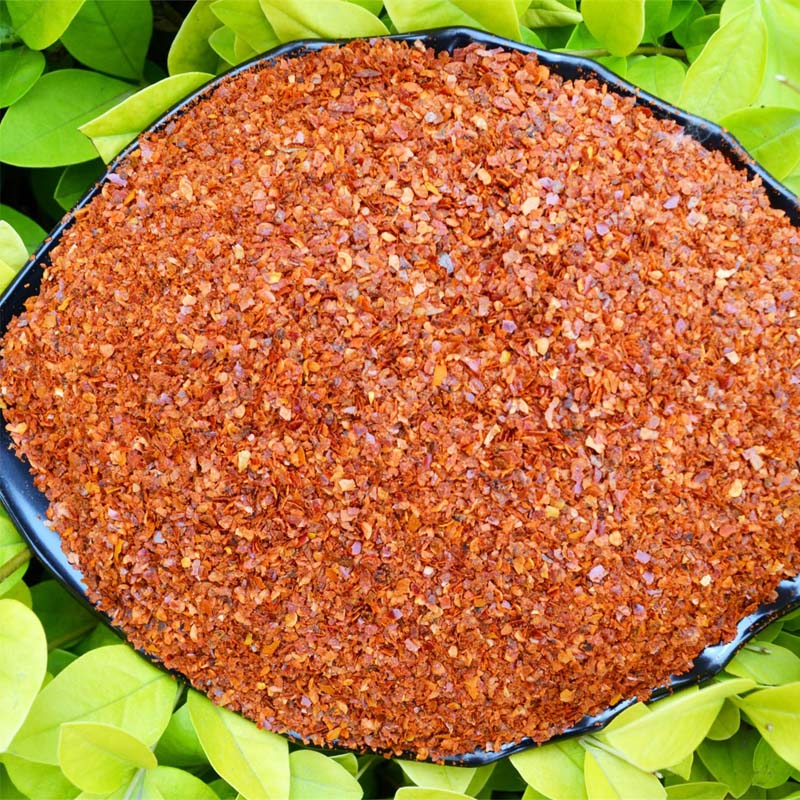
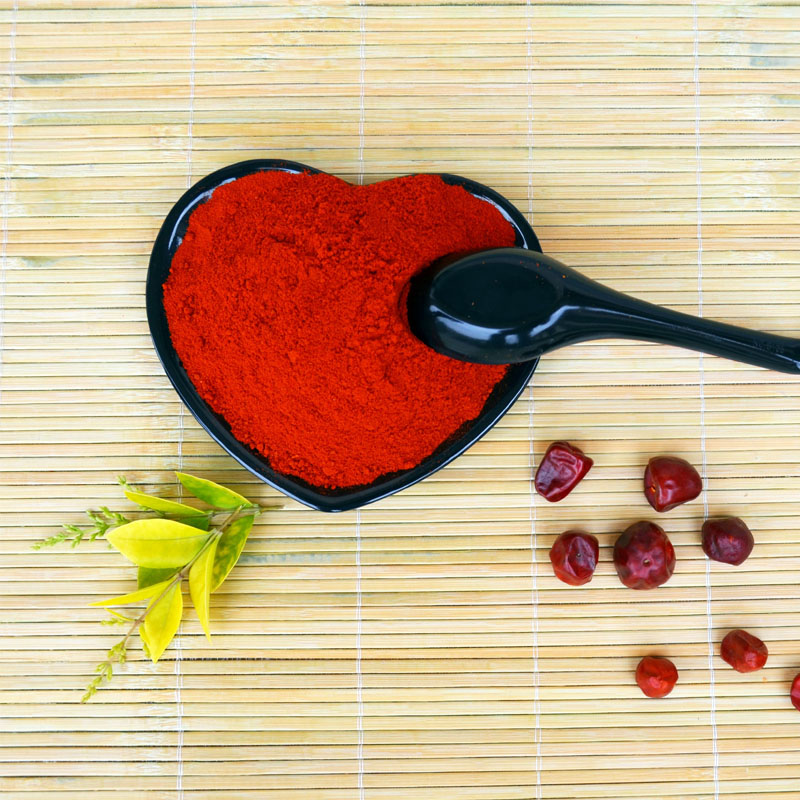
Understanding Crushed Red Pepper Seasoning
Having spent over a decade working around industrial equipment and food processing lines, I can say it's oddly satisfying to see how a simple ingredient like crushed red pepper seasoning bridges the gap between raw agricultural crops and your kitchen table. This seasoning, often just a humble byproduct of dried chili peppers, carries complexity that's deeper than you might think.
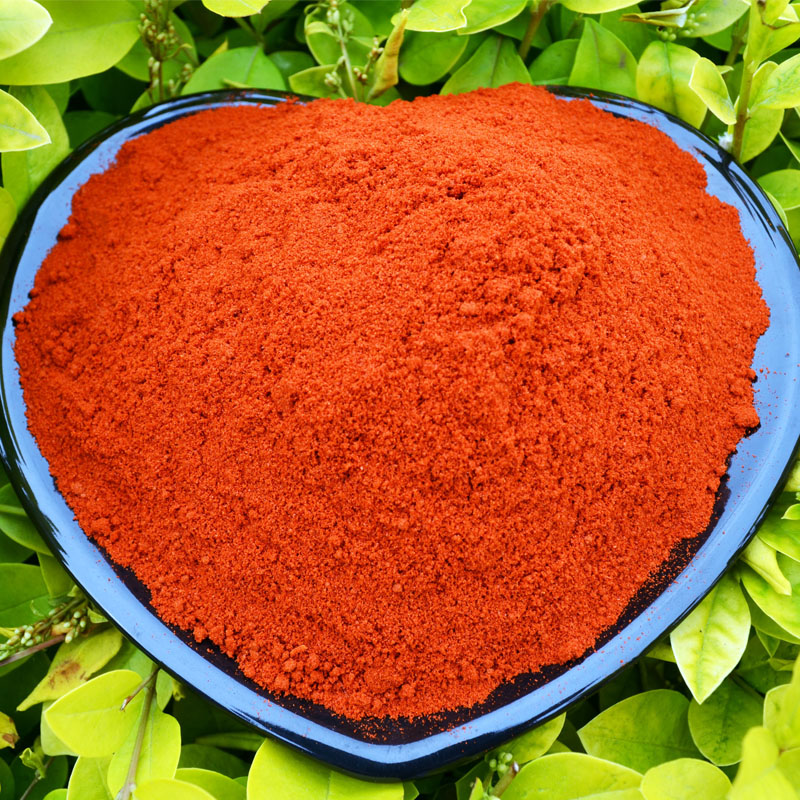
In real terms, crushed red pepper seasoning isn’t just about heat — it’s about flavor layering, industrial handling, and quality control, especially when suppliers guarantee consistent heat units, color, and particle size. I remember once visiting a production plant where engineers were obsessing over the particle size distribution to ensure uniformity for food manufacturers looking for “just the right kick.”
Product Specifications
| Specification | Typical Range | Notes |
|---|---|---|
| Capsaicin Heat Units (SHU) | 30,000 - 50,000 | Measures spiciness |
| Moisture Content | ≤ 12% | Ensures shelf stability |
| Particle Size | 1-4 mm flakes | Optimizes flavor release |
| Color (ASTA Units) | 40 - 50 | Indicates freshness and quality |
One thing that has always fascinated me is how shipped crushed red pepper seasoning must pass stringent testing – not just for heat but for purity and microbial standards. Industry players have gotten pretty sophisticated with sorting equipment and moisture controls. After all, you wouldn’t want your spice jar lumping together, or worse, harboring contaminants.
A quick comparison of leading suppliers
| Vendor | Heat (SHU) | Particle Size | Color (ASTA) | Certifications |
|---|---|---|---|---|
| Hongri Spice | 30,000 - 50,000 | 1-4 mm flakes | 45 - 50 | ISO 22000, HACCP |
| Vendor B | 25,000 - 40,000 | 0.8-3 mm flakes | 38 - 42 | ISO 9001 |
| Vendor C | 35,000 - 55,000 | 1.5-5 mm flakes | 42 - 48 | Organic Certified |
Adding crushed red pepper seasoning to your product line means thinking beyond the look and flavor. You’re looking at sourcing that guarantees batch-to-batch consistency, low contaminants, and the ability to customize particle sizes or even blend heat levels. Many food manufacturers now demand tailored solutions, and some spice vendors have flexibly adapted equipment to meet those nuanced needs.
I’ve witnessed firsthand how some chefs and food producers swear by Hongri Spice’s batches, citing their clean aroma and “just-right” punch without undue bitterness. Oddly enough, this consistency often comes down to the supply chain stability and industrial controls behind the scenes – something we sometimes overlook while seasoning our meals.
Lastly, a small anecdote — at a trade show a couple of years ago, a vendor shared that their favorite user was a hot sauce maker who insisted on super-fine flakes for a smoother texture. It reminded me that even within a product as “simple” as crushed red pepper, the devil, or rather the heat, is truly in the details.
So if you’re considering integrating this fiery yet versatile seasoning into your offerings, make sure you’re working with a vendor who knows their spice — who can back up heat ratings, particle specs, and safety standards. It feels like the spice stack we sometimes take for granted has quite an industrial backbone behind it.
After all, great flavor is both art and science.
References:
1. Food Safety and Inspection Service, USDA
2. ASTA Spices and Herbs Quality Standards Guide
3. Interview notes from Hongri Spice facility visit, 2022
-
Guide to Sourcing and Using Premium Dried Spicy PeppersNewsApr.16,2026
-
Dried Spur Chili Guide to Premium Flavor and Industrial QualityNewsApr.09,2026
-
Exploring the World of Dried Whole Chili Peppers and Their Culinary UsesNewsApr.07,2026
-
Exploring the Culinary World of Dried Whole Chillies and Their Versatile UsesNewsApr.04,2026
-
Exploring the World of Red Dried Chiles and Their Culinary UsesNewsMar.31,2026
-
Exploring the Culinary World of Red Dried Chili Peppers and Their Versatile UsesNewsMar.28,2026
 Afrikaans
 Albanian
 Amharic
 Arabic
 Armenian
 Azerbaijani
 Basque
 Belarusian
 Bengali
 Bosnian
 Bulgarian
 Catalan
 Cebuano
 Corsican
 Croatian
 Czech
Czech
 Danish
 Dutch
Dutch
 Esperanto
 Estonian
 Finnish
 French
 Frisian
 Galician
 Georgian
 German
 Greek
Greek
 Gujarati
 Haitian Creole
 Hausa
Hausa
 Hawaiian
 Hebrew
 Hindi
Hindi
 Miao
Miao
 Hungarian
 Icelandic
 Igbo
Igbo
 Indonesian
 Irish
Irish
 Italian
 Japanese
 Javanese
 Kannada
 Kazakh
 Khmer
Khmer
 Rwandese
 Korean
 Kurdish
 Kyrgyz
 Lao
Lao
 Latin
Latin
 Latvian
 Lithuanian
 Luxembourgish
 Macedonian
 Malgashi
 Malay
Malay
 Malayalam
 Maltese
 Maori
Maori
 Marathi
 Mongolian
 Myanmar
 Nepali
 Norwegian
 Norwegian
 Occitan
 Pashto
 Persian
 Polish
 Portuguese
 Punjabi
 Romanian
 Russian
 Samoan
 Scottish Gaelic
 Serbian
 Sesotho
 Shona
Shona
 Sindhi
 Sinhala
 Slovak
 Slovenian
 Somali
 Spanish
 Sundanese
 Swahili
 Swedish
 Tagalog
 Tajik
Tajik
 Tamil
Tamil
 Tatar
Tatar
 Telugu
 Thai
Thai
 Turkish
 Turkmen
 Ukrainian
 Urdu
Urdu
 Uighur
 Uzbek
Uzbek
 Vietnamese
 Welsh
Welsh
 Bantu
Bantu
 Yiddish
 Yoruba
 Zulu
Zulu
 English