- No. 268 Xianghe Street, Economic Development Zone of Xingtai city, Hebei 054001 China
- Byron@hbhongri.cn
Discover Premium Dried Red Pepper Powder – Quality, Uses & Global Trends
The Global Significance of Dried Red Pepper Powder: A Fiery Staple with Worldwide Reach
At first glance, dried red pepper powder might seem like just another spice sitting quietly on a grocery shelf. But honestly, it's so much more—it’s a global culinary cornerstone, a source of livelihood for millions, and even a cultural ambassador passed down through generations worldwide. Understanding dried red pepper powder means unlocking centuries of agricultural practice, trade dynamics, and even some surprising industrial uses.
From the bustling spice markets of India to the industrial kitchens of Europe and beyond, dried red pepper powder infuses dishes with color, heat, and flavor. But it also embodies a complex supply chain that involves farming, processing, packaging, and global trade. Not to mention the nutritional and potential medicinal uses that continue to intrigue researchers.
Simply put: The dried red pepper powder industry matters globally because it touches food security, local economies, and international markets, all while spicing up lives in countless ways.
Mini takeaway:
- Dried red pepper powder is a globally important spice influencing food culture, economy, and science.
- Its applications and value extend beyond the kitchen — into health and commerce.
Understanding the Global Context: Why Dried Red Pepper Powder Holds Worldwide Importance
Dried red pepper powder isn’t just about flavor; it’s a significant agricultural export commodity. According to the Food and Agriculture Organization of the United Nations (FAO), global production of chili peppers, the source for this vibrant powder, hovers around over 40 million metric tons a year, with India being the largest producer and exporter. This volume reflects not only demand but also the pepper’s versatility.
However, the industry faces challenges like inconsistent quality, climate dependency, and supply chain inefficiencies. For instance, extreme weather can degrade crop yields, impacting prices and availability worldwide.
Industries ranging from food & beverage to pharmaceuticals find uses for dried red pepper powder. Its market is expected to grow globally due to rising interest in ethnic cuisines and increased awareness of its health benefits, including capsaicin's pain relief qualities and antioxidants.
Given these facts, the demand for consistent quality and sustainable production methods is pressing.
Mini takeaway:
- The global dried red pepper powder market is large and growth-oriented but faces climatic and quality control challenges.
- Its significance spans culinary, medicinal, and industrial sectors.
What Exactly Is Dried Red Pepper Powder?
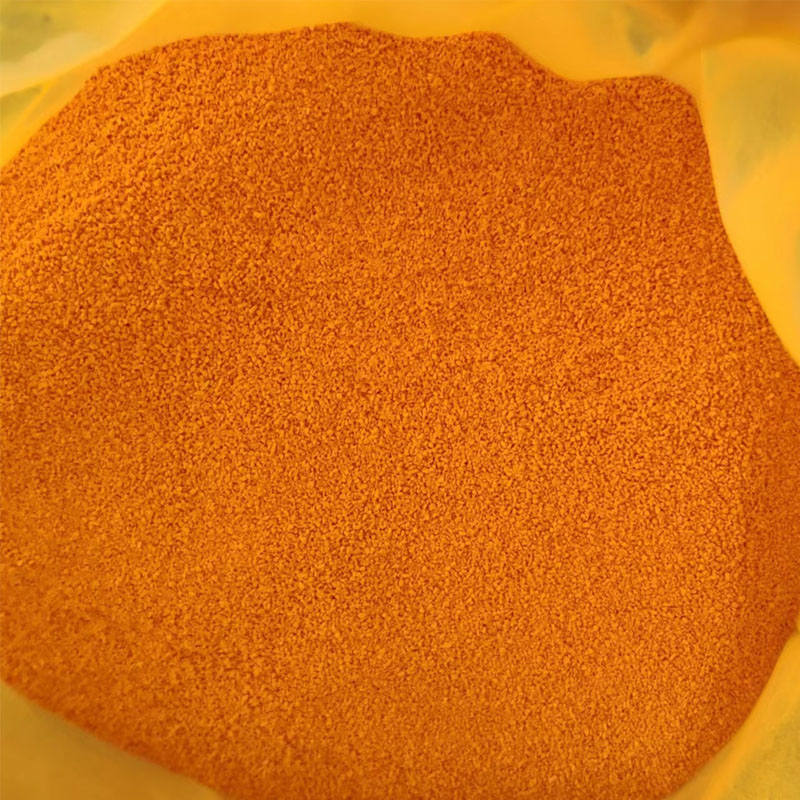
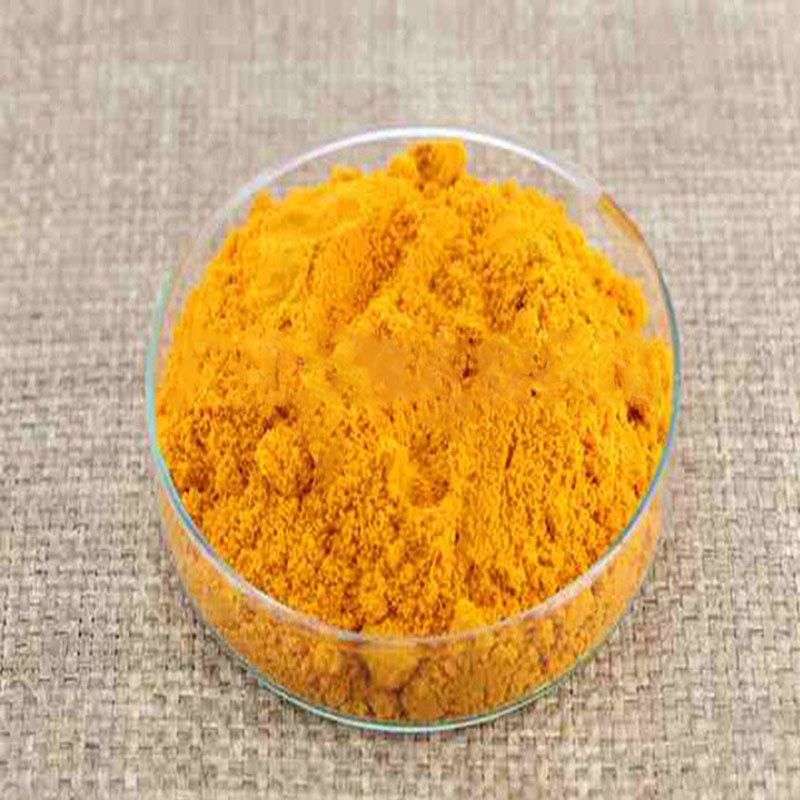
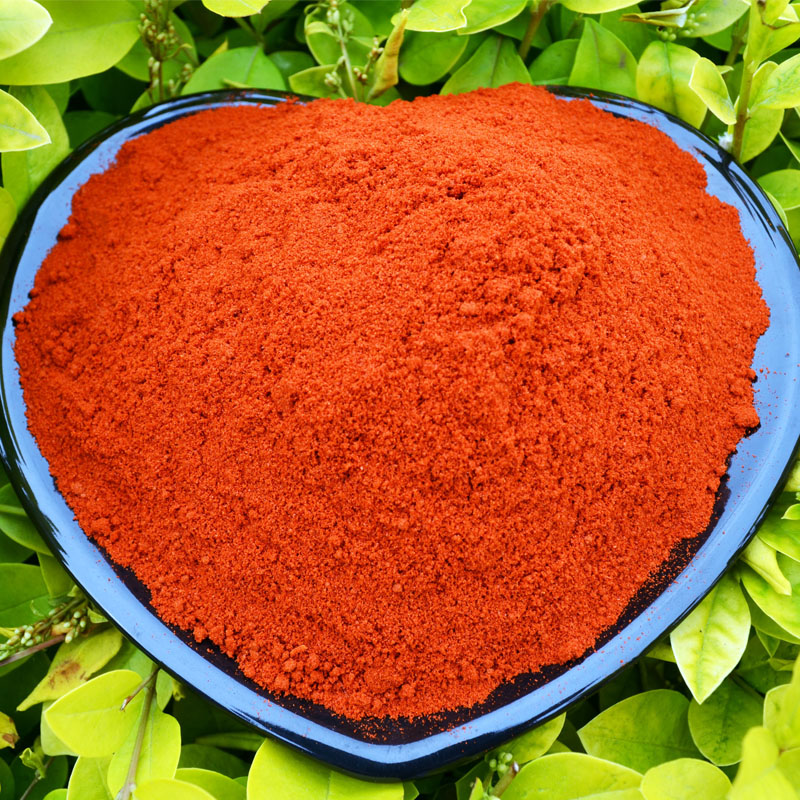
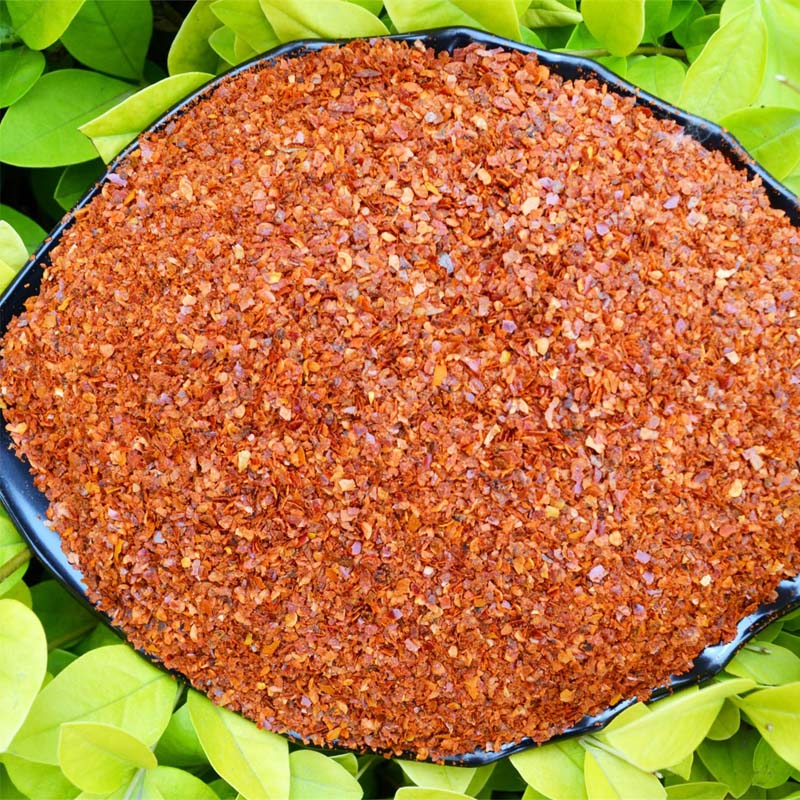
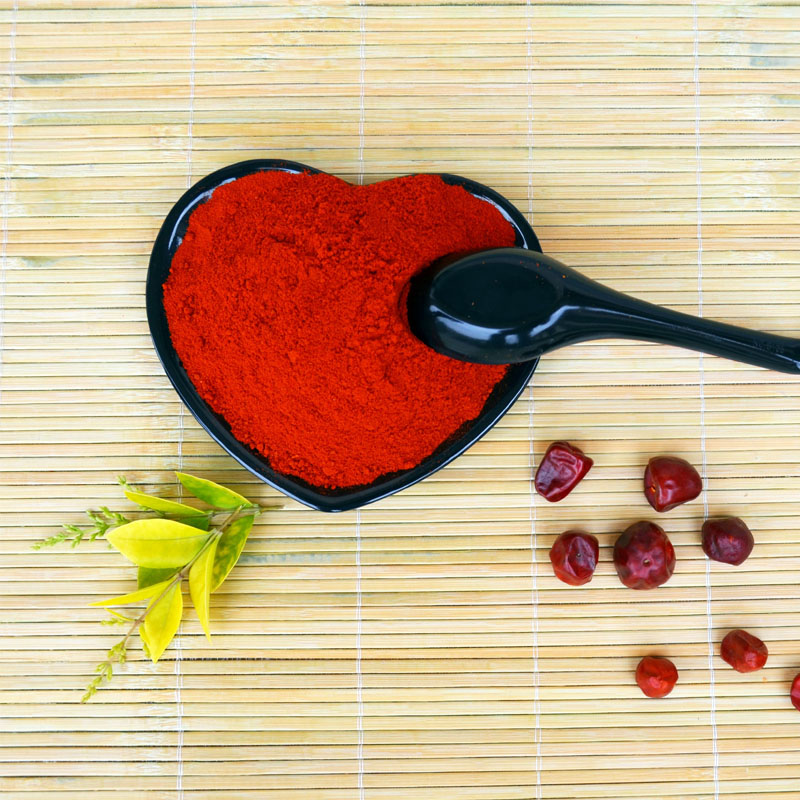
Dried red pepper powder is exactly what it sounds like: ripe red chili peppers that have been dried and finely ground into a vibrant powder. But it’s more than a simple ingredient. It embodies traditional agricultural knowledge, drying techniques, and post-harvest handling methods designed to retain flavor, color, and heat.
In modern industry terms, dried red pepper powder is a key raw material for seasoning blends, pharmaceuticals (thanks to capsaicin), and even natural pesticides. Its production requires balancing moisture levels to prevent spoilage while maintaining potent flavor compounds.
Mini takeaway:
- Dried red pepper powder is made by drying ripe red chilies and grinding them, retaining critical flavor and heat.
- It’s a raw material for various industries beyond just food.
Core Factors Defining Quality and Usability of Dried Red Pepper Powder
1. Capsaicin Level (Heat Intensity)
This determines the spice’s pungency. Varieties like Cayenne or Bird’s Eye differ significantly in capsaicin content, affecting consumer preference and end-use.
2. Color Intensity
The bright red hue signals freshness and quality. Producers often use color thresholds measured by ASTM standards to grade products—a richer color usually commands premium prices.
3. Moisture Content
Too much moisture leads to clumping and potential mold growth, undermining shelf life. Proper drying balances texture and preservation.
4. Purity and Adulteration
Unadulterated powder is crucial. Unfortunately, some markets suffer from adulteration with cheaper powders or dyes, risking health and reputation.
5. Packaging and Shelf Stability
Effective packaging (usually airtight, moisture-barrier films) extends the powder’s usability and protects against contamination and UV exposure.
6. Traceability and Certification
For export especially, certifications such as HACCP, ISO 22000, or organic labels boost trust among consumers and regulators.
Mini takeaway:
- Quality factors include heat, color, moisture, purity, packaging, and certifications.
- These aspects dictate pricing, shelf life, and industrial suitability.
Practical Applications Around the World
Dried red pepper powder finds exciting roles in diverse settings:
- Culinary Use: Across Asia, Latin America, and Europe, it flavors everything from curries to sausages and even cheeses.
- Pharmaceuticals: Extracted capsaicin is used in topical pain relief creams and research into metabolic health.
- Agriculture: Natural pesticides incorporate chili extracts to deter pests without harsh chemicals.
- Food Preservation: Antimicrobial properties help prolong food freshness in traditional preservation methods.
- Humanitarian Aid: Packaged powdered spices enhance morale and nutrition in relief food kits for displaced populations.
For example, in India's Telangana region, pepper farming combines modern drying facilities with traditional methods, boosting export quality and farmer incomes. Meanwhile, companies in California innovate by creating organic, high-heat powders for specialty markets.
Mini takeaway:
- Dried red pepper powder serves varied sectors—food, health, agriculture, and humanitarian aid.
- Global regions adapt its production and use to local needs and market demands.
The Long-Term Value of Dried Red Pepper Powder
When you consider cost vs. benefit, dried red pepper powder delivers notable value:
- Cost Efficiency: Lightweight and shelf-stable, it reduces wastage compared to fresh chili.
- Sustainability: Encourages agricultural livelihoods in arid regions where other cash crops struggle.
- Social Impact: Empowers smallholder farmers, promoting community resilience.
- Health Benefits: Anti-inflammatory and antioxidant properties support wellness trends.
- Reliability: Packed with natural preservatives through processing, ensuring safety.
Essentially, it’s a product that combines tradition with modern supply needs, offering consumers and industries a dependable, valuable spice.
Mini takeaway:
- The spice offers economical, social, and health advantages that last beyond initial purchase.
- It exemplifies how a simple product can support sustainability and wellbeing.
Emerging Trends and Innovations in Dried Red Pepper Powder
The dried red pepper powder industry is not standing still. Some notable innovations include:
- Organic and Sustainable Farming: Demand for pesticide-free, traceable powders is rising.
- High-Precision Drying Technologies: Improved dryers preserve color and flavor better than ever.
- Value-Added Products: Infused blends, heat-level standardized powders, and fortified spices.
- Smart Packaging: Moisture-sensors and resealable containers help consumers maintain freshness.
- Digital Supply Chains: Blockchain-enabled traceability combats fraud and ensures ethical sourcing.
All these hint that the industry is becoming more consumer-focused and environmentally conscious, which is quite refreshing amid commodity trading.
Mini takeaway:
- Innovations enhance quality, safety, sustainability, and transparency.
- The spice market embraces tech and eco-awareness to meet modern demands.
Challenges and Ways Forward
Despite progress, dried red pepper powder producers face obstacles:
- Climate Risks: Erratic rains and heat waves disrupt crop cycles, hurting consistency.
- Quality Control: Small farmers often lack resources for modern drying and testing.
- Market Volatility: Price swings discourage long-term investments.
- Adulteration Risks: Fake powders undermine consumer trust and market stability.
To tackle these, experts suggest:
- Training farmers on better post-harvest management and introducing solar drying systems.
- Government and NGO support for quality certification and cooperative marketing.
- Investment in climate-resilient seeds and diversification for income stability.
- Leveraging digital tools for traceability and direct-to-consumer sales.
Mini takeaway:
- Overcoming climate and quality challenges requires coordinated tech, policy, and education efforts.
- Empowered producers equate to consistent, trustworthy dried red pepper powder.
Frequently Asked Questions About Dried Red Pepper Powder
- Q: How can I check if dried red pepper powder is pure and not adulterated?
- A: Look for certification marks like ISO or organic labels and buy from reputable vendors. Pure powder should have a natural vibrant red color without unnatural gloss or artificial smell. Simple water tests can reveal added starch or dyes.
- Q: What’s the best way to store dried red pepper powder to keep its flavor?
- Store in an airtight container, away from sunlight and heat. Cooler, dry places prolong freshness for up to a year. Avoid moisture exposure to prevent clumping and mold.
- Q: Is dried red pepper powder healthier than fresh chilies?
- Powdering concentrates certain nutrients like capsaicin and antioxidants, but some vitamins degrade with drying. Both forms have unique benefits; powder offers ease of use and longer shelf life.
- Q: Can I use dried red pepper powder for medicinal purposes safely?
- Yes, in moderation. It’s commonly used in topical treatments for pain relief. Consult healthcare providers before taking internally or using it for therapeutic reasons.
- Q: How do export regulations affect shipping dried red pepper powder internationally?
- Exporters must comply with food safety standards of destination countries, including pesticide residue limits and labeling. Certifications like HACCP and ISO greatly ease customs clearance.
Summing Up: Why Dried Red Pepper Powder Will Keep Warming Our Palates and Economies
Dried red pepper powder is far from just a kitchen staple. It’s an enabler of cultural expression, a driver of rural economies, and a beacon of rising global trends in health and sustainability. Its journey from seed to spice jar symbolizes centuries of human ingenuity meeting modern challenges.
To dive deeper into the rich world of this spicy marvel, I suggest checking out dried red pepper powder suppliers who offer both quality and transparency in their products.
After all, we all deserve a pinch of good flavor with a side of trusted sourcing.
Product Specification Table
| Specification | Typical Value | Unit | Notes |
|---|---|---|---|
| Capsaicin Content | 0.8 – 1.2 | mg/g | Determines heat intensity |
| Moisture Content | 8 – 12% | % | Affects shelf life and texture |
| Color Value (ASTA) | 80 – 120 | ASTA Units | Higher is brighter |
| Particle Size | 150 – 300 | Microns | Finely ground powder |
| Packaging Types | Vacuum sealed / Foil pack | N/A | For freshness, shelf stability |
Vendor Comparison Table: Top Dried Red Pepper Powder Suppliers
| Supplier | Country | Product Range | Certifications | Export Markets |
|---|---|---|---|---|
| Hongri Spice | China | Organic, Standard, Hot varieties | ISO, HACCP, Organic | Asia, Europe, North America |
| SpiceIndia | India | Wide heat range, blended powders | FSSAI, ISO | Middle East, Europe, US |
| RedPepper Co. | USA | Specialty heat-level controlled powders | Organic, Kosher | North America, Europe |
Final thoughts and references
Looking at dried red pepper powder through this lens, it seems obvious why it’s held such sway globally. It’s a product where centuries-old tradition meets fast-paced market demands and evolving health standards. And frankly, it adds just the right amount of heat—with a bit more complexity than we usually give it credit for.
For those interested in diving further, I’d recommend the Hongri Spice site as a trusted source for quality dried red pepper powder and a good place to start exploring the detailed product range.
References:
1. Food and Agriculture Organization of the United Nations (FAO) – Chili Pepper Statistics and Reports
2. International Organization for Standardization (ISO) – Food Quality Management Standards
3. National Center for Biotechnology Information (NCBI) – Studies on Capsaicin and Health Benefits
-
Guide to Sourcing and Using Premium Dried Spicy PeppersNewsApr.16,2026
-
Dried Spur Chili Guide to Premium Flavor and Industrial QualityNewsApr.09,2026
-
Exploring the World of Dried Whole Chili Peppers and Their Culinary UsesNewsApr.07,2026
-
Exploring the Culinary World of Dried Whole Chillies and Their Versatile UsesNewsApr.04,2026
-
Exploring the World of Red Dried Chiles and Their Culinary UsesNewsMar.31,2026
-
Exploring the Culinary World of Red Dried Chili Peppers and Their Versatile UsesNewsMar.28,2026
 Afrikaans
 Albanian
 Amharic
 Arabic
 Armenian
 Azerbaijani
 Basque
 Belarusian
 Bengali
 Bosnian
 Bulgarian
 Catalan
 Cebuano
 Corsican
 Croatian
 Czech
Czech
 Danish
 Dutch
Dutch
 Esperanto
 Estonian
 Finnish
 French
 Frisian
 Galician
 Georgian
 German
 Greek
Greek
 Gujarati
 Haitian Creole
 Hausa
Hausa
 Hawaiian
 Hebrew
 Hindi
Hindi
 Miao
Miao
 Hungarian
 Icelandic
 Igbo
Igbo
 Indonesian
 Irish
Irish
 Italian
 Japanese
 Javanese
 Kannada
 Kazakh
 Khmer
Khmer
 Rwandese
 Korean
 Kurdish
 Kyrgyz
 Lao
Lao
 Latin
Latin
 Latvian
 Lithuanian
 Luxembourgish
 Macedonian
 Malgashi
 Malay
Malay
 Malayalam
 Maltese
 Maori
Maori
 Marathi
 Mongolian
 Myanmar
 Nepali
 Norwegian
 Norwegian
 Occitan
 Pashto
 Persian
 Polish
 Portuguese
 Punjabi
 Romanian
 Russian
 Samoan
 Scottish Gaelic
 Serbian
 Sesotho
 Shona
Shona
 Sindhi
 Sinhala
 Slovak
 Slovenian
 Somali
 Spanish
 Sundanese
 Swahili
 Swedish
 Tagalog
 Tajik
Tajik
 Tamil
Tamil
 Tatar
Tatar
 Telugu
 Thai
Thai
 Turkish
 Turkmen
 Ukrainian
 Urdu
Urdu
 Uighur
 Uzbek
Uzbek
 Vietnamese
 Welsh
Welsh
 Bantu
Bantu
 Yiddish
 Yoruba
 Zulu
Zulu
 English