- No. 268 Xianghe Street, Economic Development Zone of Xingtai city, Hebei 054001 China
- Byron@hbhongri.cn
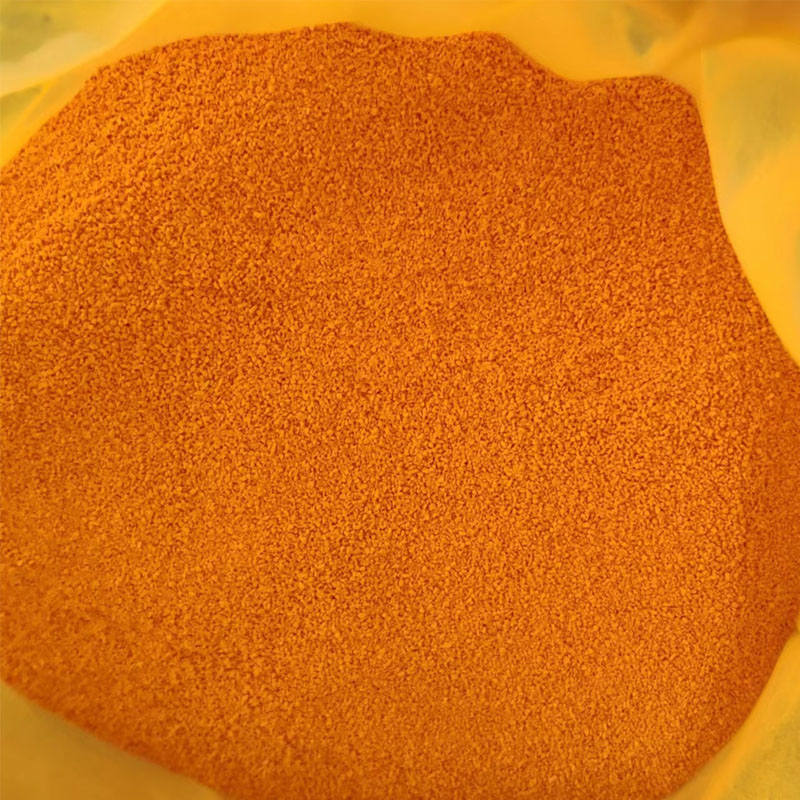
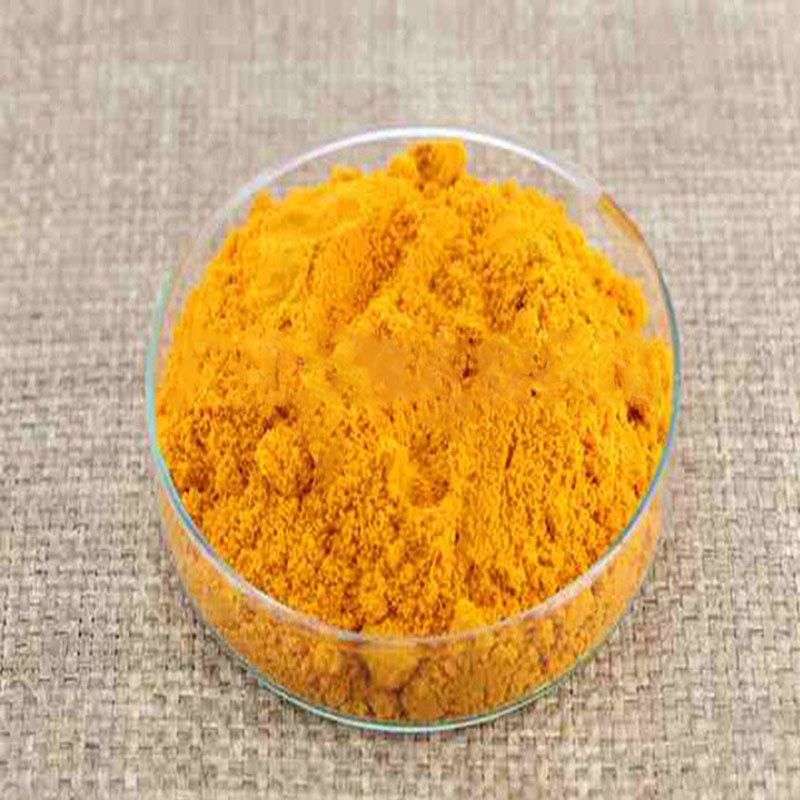
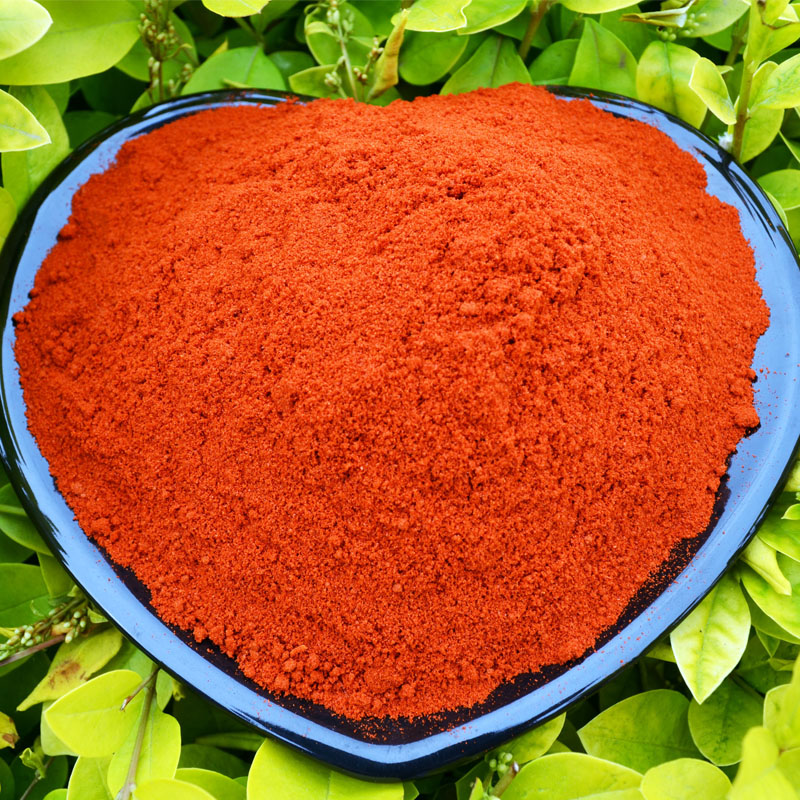
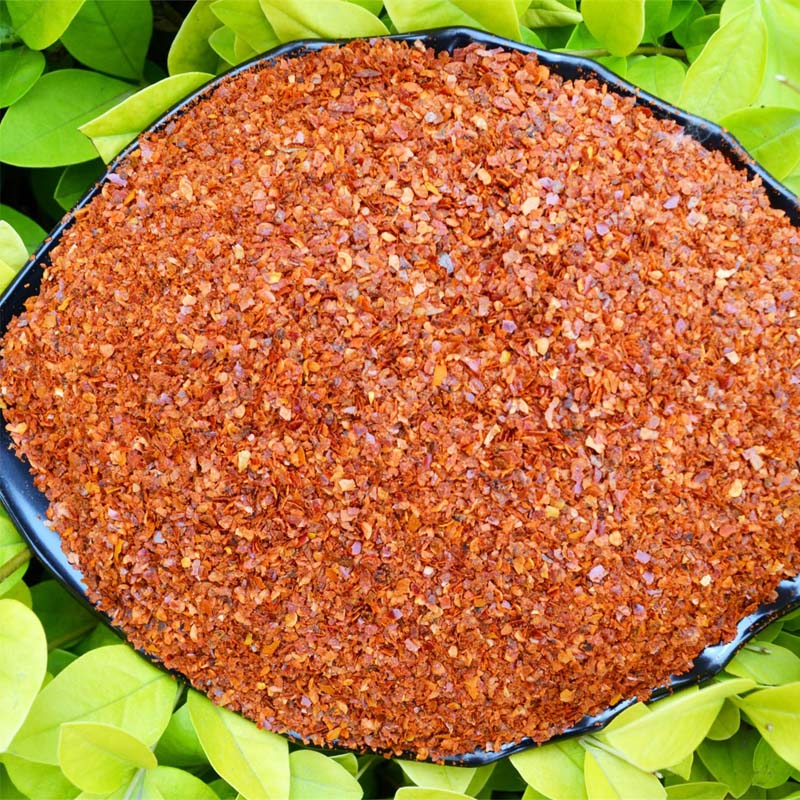
Fine Crushed Red Pepper for Industrial Use | Quality & Specs
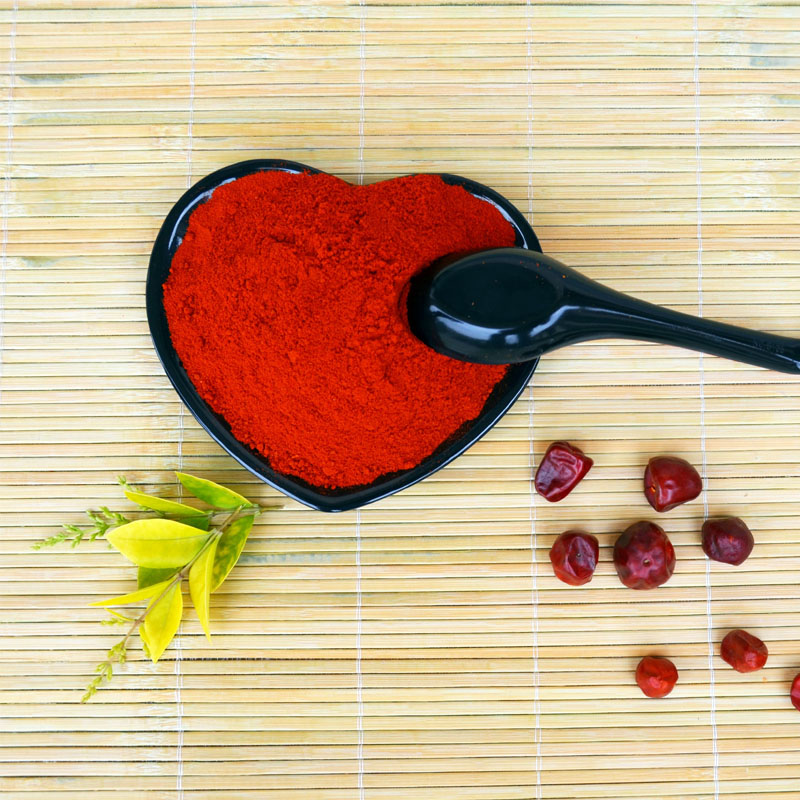
Fine Crushed Red Pepper: An Industrial Perspective
Having spent well over a decade in the industrial equipment sector, I’ve come across a lot of products that feel a bit... utilitarian. But fine crushed red pepper? Oddly enough, it manages to straddle the line between being a humble spice and something that demands careful handling and quality control within various industrial processes. It’s not just about heat and color — there’s a real science behind how it’s produced, packaged, and tested to meet exacting standards.
When I first started dealing with raw materials and ingredients for food production lines, I noted the difference between generic chili powders and truly fine crushed red pepper. The fine version isn’t just ground smaller; it’s carefully screened to meet size specs, which influences everything from flavor release to shelf life. Frankly, in industrial terms, size uniformity reduces clogging in dispensing equipment — a small detail that can save hours in downtime.
From what I’ve seen in the field, suppliers who truly understand this product invest heavily in consistent sorting machinery, plus rigorous microbial and purity testing. It’s not uncommon to find specs based on ASTM standards, ensuring the pepper’s texture isn’t just consistent but also free from impurities like stems or seeds which can affect both processing and taste.
| Specification | Detail |
|---|---|
| Particle Size | 85% passes through 30 mesh |
| Capiscum Content | 35,000–45,000 Scoville Heat Units (SHU) |
| Moisture Content | Max 10% |
| Color | Bright red to reddish-orange |
| Packaging | Bulk bags or retail pouches |
You know, the difference between brands often boils down to sourcing — the climatic conditions pepper is grown under affect its pungency and color dramatically. This is why vendors from different regions aren’t interchangeable, particularly for industrial buyers looking for consistent product batches. For example, peppers harvested in warmer climates might be spicier but less vivid in color.
Recently, I came across a supplier who was super transparent about their fine crushed red pepper product line, supplying comprehensive testing data — including microbial limits and heavy metal contents. This sort of openness isn’t just nice to have; it’s critical when you’re running automated seasoning lines where quality variations impact both safety and machinery efficiency.
| Feature | Vendor A | Vendor B | Hongri Spice |
|---|---|---|---|
| Particle Size Consistency | Good | Moderate | Excellent |
| Testing & Certifications | Basic | None | Comprehensive, including microbial |
| Bulk Packaging Options | Standard 25kg bags | Limited | Multiple sizes & formats |
| Consistent Pungency Level | Variable | Low | Stable and documented |
Ingredients like fine crushed red pepper are deceptively simple but tied to complex production and quality frameworks behind the scenes. I recall a client in a snack food plant who switched to Hongri Spice’s product. The result? Noticeably fewer machine jams and more uniform flavor throughout their product line. It feels like a small thing, but it’s those details that add up in high-volume production.
In real terms, if you demand repeatability and reliability — whether for food manufacturing, seasoning blends, or even industrial spice packing — it’s worth seeking out vendors who match the finer points of specs, testing, and consistency. And frankly, that’s what sets fine crushed red pepper apart from the pack in many markets.
So yes, while it’s just a spice, it also encapsulates a slice of industrial discipline. Something I’ve learned along the way, and I suppose it’s a reminder that quality shows itself in the small cracks — even a crushed pepper grain.
Takeaway: When sourcing fine crushed red pepper for industrial use, prioritize particle consistency and thorough vendor testing to keep both machines and taste buds happy.
- USDA Standards for Red Pepper Products, 2022
- Industry Testing Protocols for Spice Purity, Food Safety Journal, 2023
- Case Study: Automated Seasoning Line Efficiency, Snack Foods Industry, 2024

-
Guide to Sourcing and Using Premium Dried Spicy PeppersNewsApr.16,2026
-
Dried Spur Chili Guide to Premium Flavor and Industrial QualityNewsApr.09,2026
-
Exploring the World of Dried Whole Chili Peppers and Their Culinary UsesNewsApr.07,2026
-
Exploring the Culinary World of Dried Whole Chillies and Their Versatile UsesNewsApr.04,2026
-
Exploring the World of Red Dried Chiles and Their Culinary UsesNewsMar.31,2026
-
Exploring the Culinary World of Red Dried Chili Peppers and Their Versatile UsesNewsMar.28,2026
 Afrikaans
 Albanian
 Amharic
 Arabic
 Armenian
 Azerbaijani
 Basque
 Belarusian
 Bengali
 Bosnian
 Bulgarian
 Catalan
 Cebuano
 Corsican
 Croatian
 Czech
Czech
 Danish
 Dutch
Dutch
 Esperanto
 Estonian
 Finnish
 French
 Frisian
 Galician
 Georgian
 German
 Greek
Greek
 Gujarati
 Haitian Creole
 Hausa
Hausa
 Hawaiian
 Hebrew
 Hindi
Hindi
 Miao
Miao
 Hungarian
 Icelandic
 Igbo
Igbo
 Indonesian
 Irish
Irish
 Italian
 Japanese
 Javanese
 Kannada
 Kazakh
 Khmer
Khmer
 Rwandese
 Korean
 Kurdish
 Kyrgyz
 Lao
Lao
 Latin
Latin
 Latvian
 Lithuanian
 Luxembourgish
 Macedonian
 Malgashi
 Malay
Malay
 Malayalam
 Maltese
 Maori
Maori
 Marathi
 Mongolian
 Myanmar
 Nepali
 Norwegian
 Norwegian
 Occitan
 Pashto
 Persian
 Polish
 Portuguese
 Punjabi
 Romanian
 Russian
 Samoan
 Scottish Gaelic
 Serbian
 Sesotho
 Shona
Shona
 Sindhi
 Sinhala
 Slovak
 Slovenian
 Somali
 Spanish
 Sundanese
 Swahili
 Swedish
 Tagalog
 Tajik
Tajik
 Tamil
Tamil
 Tatar
Tatar
 Telugu
 Thai
Thai
 Turkish
 Turkmen
 Ukrainian
 Urdu
Urdu
 Uighur
 Uzbek
Uzbek
 Vietnamese
 Welsh
Welsh
 Bantu
Bantu
 Yiddish
 Yoruba
 Zulu
Zulu
 English