- No. 268 Xianghe Street, Economic Development Zone of Xingtai city, Hebei 054001 China
- Byron@hbhongri.cn
Premium Chinese Chili Powder | Industrial-Grade Spice Bulk Supplier
Chinese Chili Powder: A Spicy Staple in Industrial Use
Having spent many years in the industrial equipment sector, I’ve come across countless materials and products that often get overlooked outside their niche—but chili powder Chinese is one of those ingredients that quietly powers an entire industry, both in food manufacturing and textile dyeing. Oddly enough, its application extends far beyond just the kitchen shelf.
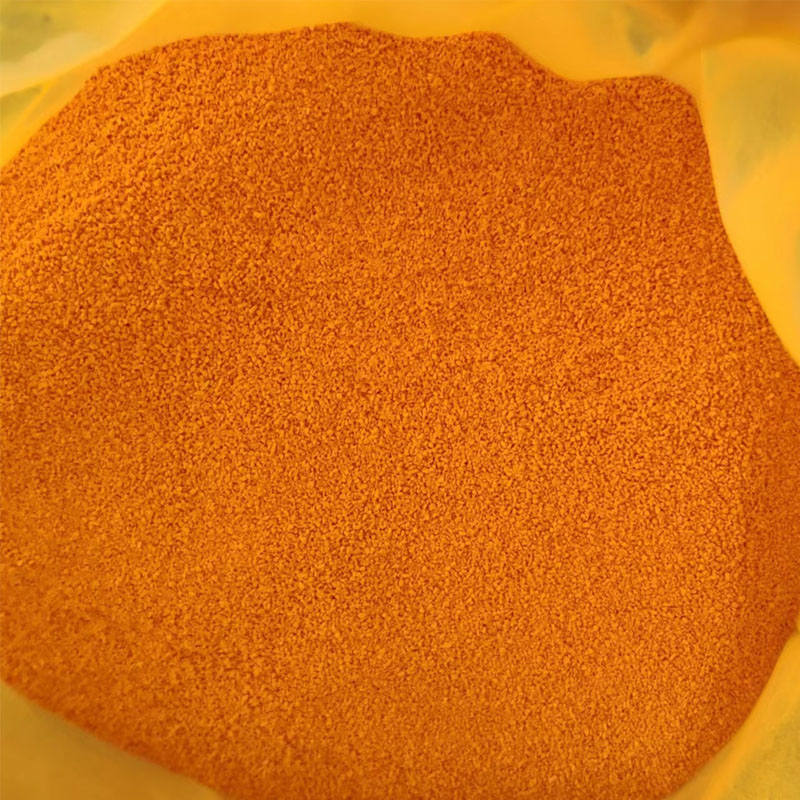
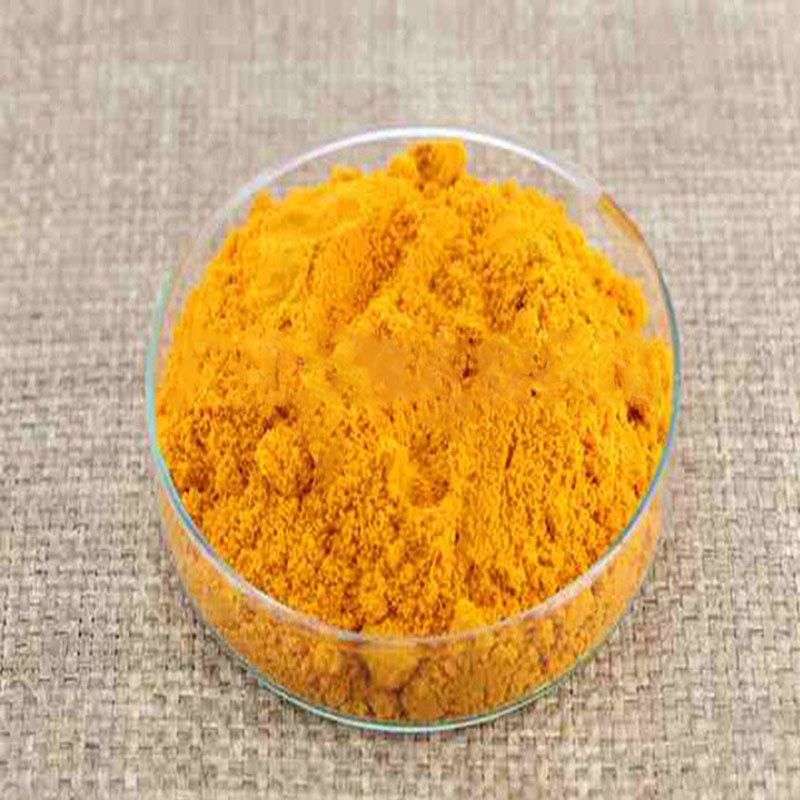
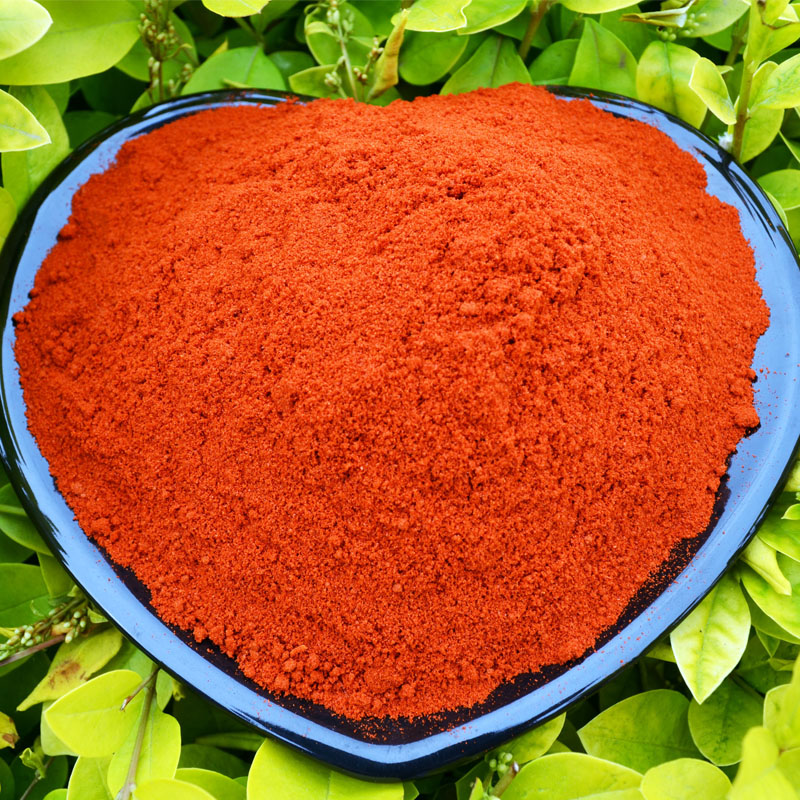
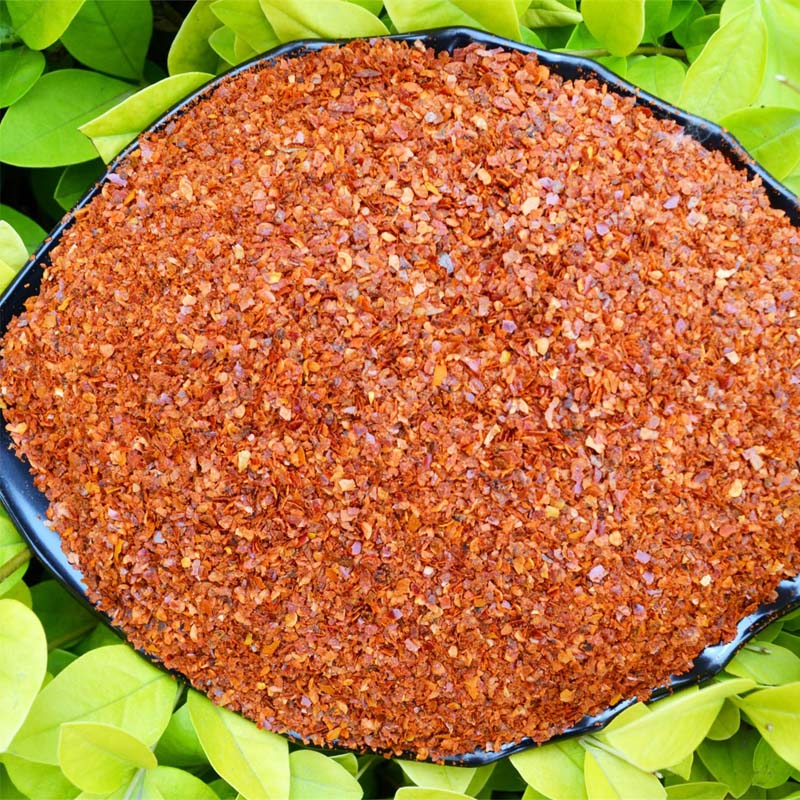
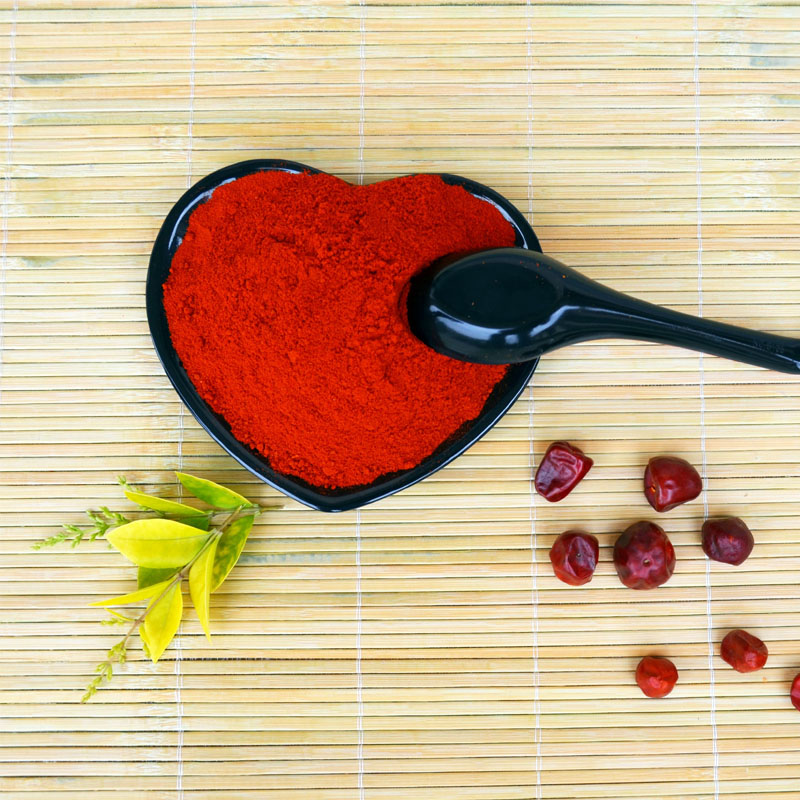
Chinese chili powder tends to be prized for its fine texture and balanced heat. It’s not just about fiery taste; it’s that subtle smoky undertone and vibrant red color that make it a popular choice in both culinary and industrial sectors. Frankly, I was a bit surprised when I first learned how often it shows up in large-scale processing plants—not only as a seasoning but also as a pigment for certain fabric treatments.
What stands out with these powders is their quality control. Good manufacturers like those at Hongri Spice rigorously test for moisture and capsaicin content (the compound responsible for heat) to ensure consistency batch after batch. This kind of reliability matters—imagine a spice mill or food processor where inconsistent chili quality throws off the recipe on a massive scale. That’s costly and frustrating.
| Parameter | Value |
|---|---|
| Capsaicin Content | 0.8 – 1.2% |
| Moisture Content | Less than 12% |
| Ash Content | 4 – 6% |
| Color Value (ASTA) | 50 – 70 units |
| Particle Size | 80 – 120 mesh |
| Packaging | 25 kg bags or bulk |
You might wonder how different suppliers stack up, especially when you’re investing in industrial-scale purchases. I’ve gathered a quick comparison of leading vendors that specialize in Chinese chili powder. These companies differ in price, quality assurance, and customization options—which, frankly, can mean a lot if you’re tailoring spice blends for a new product.
| Vendor | Capsaicin Range | MOQ (tons) | Customization | Typical Lead Time | Price (per ton) |
|---|---|---|---|---|---|
| Hongri Spice | 0.8–1.2% | 1 ton | Yes | 2–3 weeks | $$$ |
| Sichuan Red Beans | 0.5–1.0% | 2 tons | Limited | 3–4 weeks | $$ |
| Dragon Spices | 0.7–1.1% | 1.5 tons | Yes | 2–3 weeks | $$$ |
From my experience, the ability to customize the capsaicin level is a big selling point, especially with customers who want to tweak their heat intensity for regional tastes. Years ago, I visited a client who used Chinese chili powder from Hongri Spice in their snack manufacturing line. They told me it was a game changer—the consistency meant fewer rejects and better shelf appeal because of the rich, natural red hue.
Now, while most of us relate chili powder simply to flavor, the industrial applications are more complex and, well, quite fascinating. For instance, the pigment properties in quality Chinese chili powder can be an eco-friendly alternative in textiles or cosmetics. That's not something you’d immediately guess at a glance.
I suppose, it feels like this humble spice connects traditional agriculture with modern manufacturing in a way that’s rarely highlighted. If you’re in the food processing or textile industries and looking for reliable, high-quality chili powder, you might want to check out what Hongri Spice offers. They’ve built a solid reputation on quality and service over the years.
Lastly, just a gentle reminder: sourcing matters. Testing for pesticide residue, heavy metals, and microbial contamination is standard but no less critical if you want to uphold safety and regulatory requirements. In real terms, I’ve seen projects delayed simply because of compliance failures.
So yeah, next time you encounter chili powder Chinese in your supply chain, it’s worth remembering there’s more than just heat beneath the surface.
Takeaway: Quality Chinese chili powder is the unsung hero of several industries, trusted by many for its consistent heat, color, and purity.
- Quality and testing standards vary widely among vendors – always verify for industrial use.
- Customization can significantly improve product fit in food and textile applications.
- Consistency reduces waste and improves final product appearance and performance.
-
Guide to Sourcing and Using Premium Dried Spicy PeppersNewsApr.16,2026
-
Dried Spur Chili Guide to Premium Flavor and Industrial QualityNewsApr.09,2026
-
Exploring the World of Dried Whole Chili Peppers and Their Culinary UsesNewsApr.07,2026
-
Exploring the Culinary World of Dried Whole Chillies and Their Versatile UsesNewsApr.04,2026
-
Exploring the World of Red Dried Chiles and Their Culinary UsesNewsMar.31,2026
-
Exploring the Culinary World of Red Dried Chili Peppers and Their Versatile UsesNewsMar.28,2026
 Afrikaans
 Albanian
 Amharic
 Arabic
 Armenian
 Azerbaijani
 Basque
 Belarusian
 Bengali
 Bosnian
 Bulgarian
 Catalan
 Cebuano
 Corsican
 Croatian
 Czech
Czech
 Danish
 Dutch
Dutch
 Esperanto
 Estonian
 Finnish
 French
 Frisian
 Galician
 Georgian
 German
 Greek
Greek
 Gujarati
 Haitian Creole
 Hausa
Hausa
 Hawaiian
 Hebrew
 Hindi
Hindi
 Miao
Miao
 Hungarian
 Icelandic
 Igbo
Igbo
 Indonesian
 Irish
Irish
 Italian
 Japanese
 Javanese
 Kannada
 Kazakh
 Khmer
Khmer
 Rwandese
 Korean
 Kurdish
 Kyrgyz
 Lao
Lao
 Latin
Latin
 Latvian
 Lithuanian
 Luxembourgish
 Macedonian
 Malgashi
 Malay
Malay
 Malayalam
 Maltese
 Maori
Maori
 Marathi
 Mongolian
 Myanmar
 Nepali
 Norwegian
 Norwegian
 Occitan
 Pashto
 Persian
 Polish
 Portuguese
 Punjabi
 Romanian
 Russian
 Samoan
 Scottish Gaelic
 Serbian
 Sesotho
 Shona
Shona
 Sindhi
 Sinhala
 Slovak
 Slovenian
 Somali
 Spanish
 Sundanese
 Swahili
 Swedish
 Tagalog
 Tajik
Tajik
 Tamil
Tamil
 Tatar
Tatar
 Telugu
 Thai
Thai
 Turkish
 Turkmen
 Ukrainian
 Urdu
Urdu
 Uighur
 Uzbek
Uzbek
 Vietnamese
 Welsh
Welsh
 Bantu
Bantu
 Yiddish
 Yoruba
 Zulu
Zulu
 English