- No. 268 Xianghe Street, Economic Development Zone of Xingtai city, Hebei 054001 China
- Byron@hbhongri.cn
Quality Crushed Red Chili for Industrial Food Processing | Hongri Spice
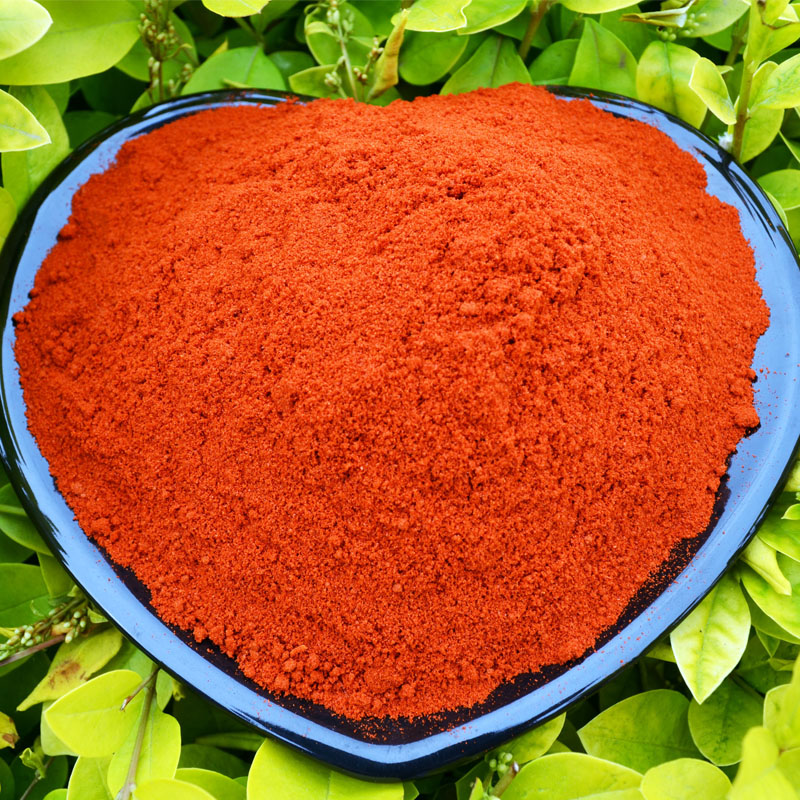
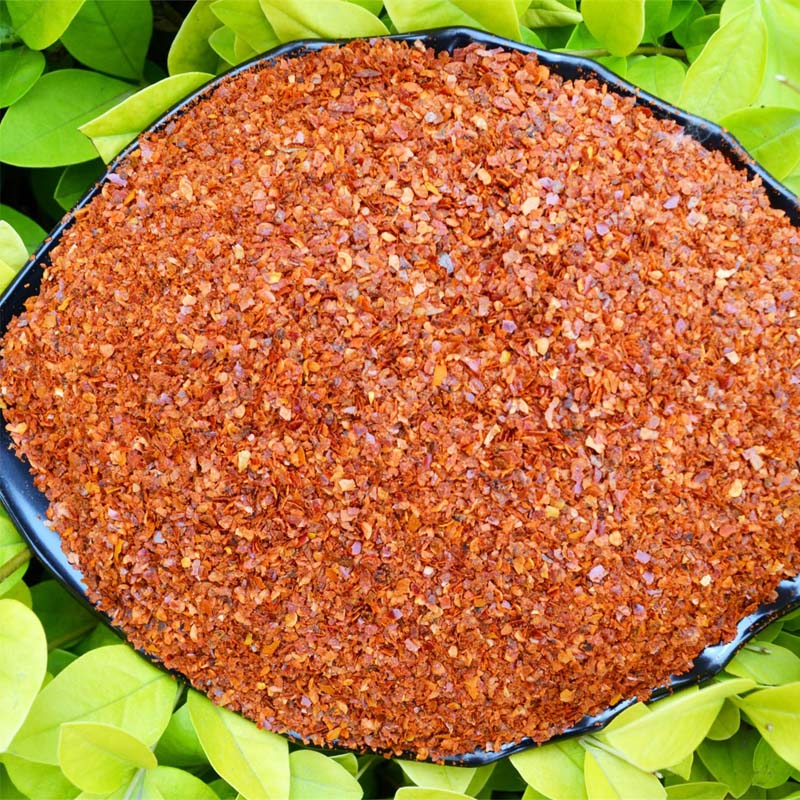
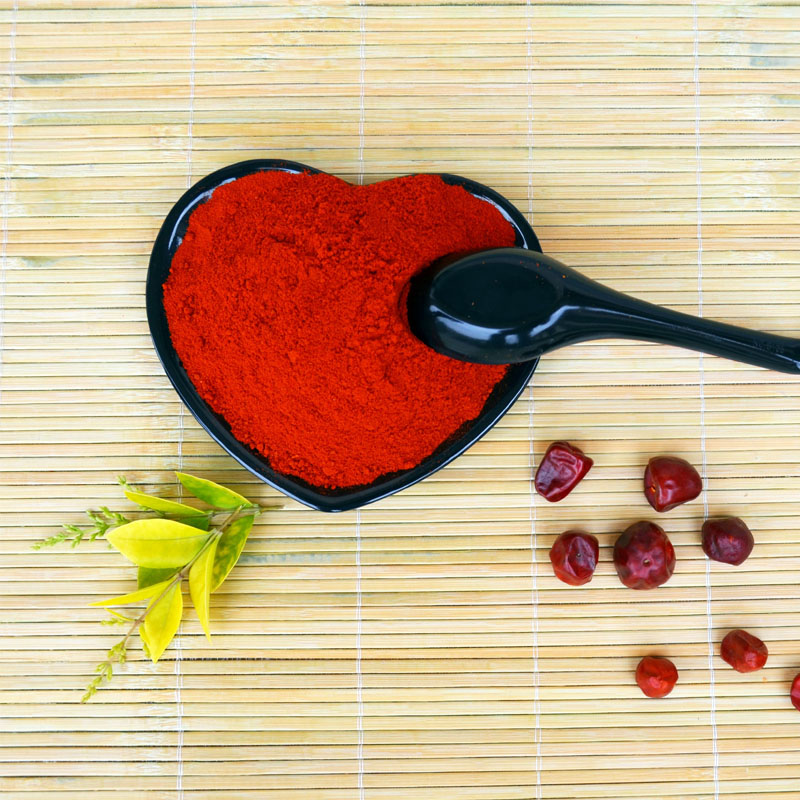
Crushed Red Chili: A Fiery Staple in Industrial Food Processing
Having spent years mixing and managing components in the industrial food sector, I’ve come to appreciate the nuances packed into something as deceptively simple as crushed red chili. It’s odd, isn’t it? At first glance, just crushed flakes, but in real terms, this product is a cornerstone ingredient that can make or break flavor profiles at scale.
From sourcing ripe chili pods to ensuring consistent hydration and heat levels, the entire process involves a surprising amount of technical precision. For instance, many production lines rely heavily on syncro-milling techniques to maintain uniform size distribution; otherwise, you get uneven burning or, frankly, a disappointing blandness in the final batch. I remember one bottling plant where poorly crushed flakes led to customer complaints about inconsistent heat—lesson learned: specs truly matter here.
The main quality criteria for crushed red chili aren’t just about heat (measured by Scoville units) but also color retention, moisture content, and contaminant-free processing. It’s why regular lab testing is standard, including checks for capsaicin concentration and aflatoxins. When you’re dealing with tons of product daily, as many companies do, reliability in these specs is non-negotiable.
That said, customization requests are increasingly common. Some clients require milder, larger flakes, while others want a finely ground, ultra-pungent version. Frankly, this flexibility can make or break supplier relationships in an industry where margin creep is a constant pressure. You get to appreciate vendors who stay nimble and transparent.
| Parameter | Specification |
|---|---|
| Capsaicin Content | 0.3%–0.7% |
| Moisture Content | 8% max |
| Flake Size | 1–5 mm average |
| Color (ASTA units) | 40+ (bright red) |
| Purity (foreign matter) | <0.1% |
When choosing a supplier, it’s also worth comparing based on production capacity, certification standards, and lead times. I’ve seen some companies skimp on certifications like ISO 22000 or HACCP, only to face costly recalls later. Reliability and transparency often pay off more than just the bottom-dollar price.
| Supplier | Certification | MOQ (kg) | Lead Time | Notes |
|---|---|---|---|---|
| Hongri Spice | ISO 22000, HACCP | 1000 | 2 weeks | Flexible custom sizes |
| SpiceCo Ltd. | ISO 9001 | 500 | 3 weeks | Lower price, limited packaging |
| RedFire Herbs | None | 2000 | 4 weeks | Unreliable delivery history |
One memorable project years back involved producing spicy seasoning blends for a major snack brand. The key challenge was ensuring the crushed red chili flakes didn’t clump under high humidity during shipping. We collaborated closely with the supplier on moisture limits and packaging tech—ultimately, the snacks’ heat profile became a consumer favorite. It felt good knowing the smallest ingredient tweak meant a shelf success.
In the end, crushed red chili might be a small component by weight, but its industrial importance looms large. It’s a bit like the unsung hero of flavor production lines — you barely notice it until it’s wrong, then it’s glaring.
A trustworthy supplier and accurate specs go a long way in locking down quality and consistency – something anyone in this space learns fast.
References
- Food Safety Magazine – "Spice Contaminants & Quality: What Industry Needs to Know" (2021)
- Journal of Food Science – "Capsaicin Analysis in Spice Processing" (2020)
- Personal Experience: Industrial Food Ingredient Sourcing, 2010–2023

-
Guide to Sourcing and Using Premium Dried Spicy PeppersNewsApr.16,2026
-
Dried Spur Chili Guide to Premium Flavor and Industrial QualityNewsApr.09,2026
-
Exploring the World of Dried Whole Chili Peppers and Their Culinary UsesNewsApr.07,2026
-
Exploring the Culinary World of Dried Whole Chillies and Their Versatile UsesNewsApr.04,2026
-
Exploring the World of Red Dried Chiles and Their Culinary UsesNewsMar.31,2026
-
Exploring the Culinary World of Red Dried Chili Peppers and Their Versatile UsesNewsMar.28,2026
 Afrikaans
 Albanian
 Amharic
 Arabic
 Armenian
 Azerbaijani
 Basque
 Belarusian
 Bengali
 Bosnian
 Bulgarian
 Catalan
 Cebuano
 Corsican
 Croatian
 Czech
Czech
 Danish
 Dutch
Dutch
 Esperanto
 Estonian
 Finnish
 French
 Frisian
 Galician
 Georgian
 German
 Greek
Greek
 Gujarati
 Haitian Creole
 Hausa
Hausa
 Hawaiian
 Hebrew
 Hindi
Hindi
 Miao
Miao
 Hungarian
 Icelandic
 Igbo
Igbo
 Indonesian
 Irish
Irish
 Italian
 Japanese
 Javanese
 Kannada
 Kazakh
 Khmer
Khmer
 Rwandese
 Korean
 Kurdish
 Kyrgyz
 Lao
Lao
 Latin
Latin
 Latvian
 Lithuanian
 Luxembourgish
 Macedonian
 Malgashi
 Malay
Malay
 Malayalam
 Maltese
 Maori
Maori
 Marathi
 Mongolian
 Myanmar
 Nepali
 Norwegian
 Norwegian
 Occitan
 Pashto
 Persian
 Polish
 Portuguese
 Punjabi
 Romanian
 Russian
 Samoan
 Scottish Gaelic
 Serbian
 Sesotho
 Shona
Shona
 Sindhi
 Sinhala
 Slovak
 Slovenian
 Somali
 Spanish
 Sundanese
 Swahili
 Swedish
 Tagalog
 Tajik
Tajik
 Tamil
Tamil
 Tatar
Tatar
 Telugu
 Thai
Thai
 Turkish
 Turkmen
 Ukrainian
 Urdu
Urdu
 Uighur
 Uzbek
Uzbek
 Vietnamese
 Welsh
Welsh
 Bantu
Bantu
 Yiddish
 Yoruba
 Zulu
Zulu
 English