- No. 268 Xianghe Street, Economic Development Zone of Xingtai city, Hebei 054001 China
- Byron@hbhongri.cn
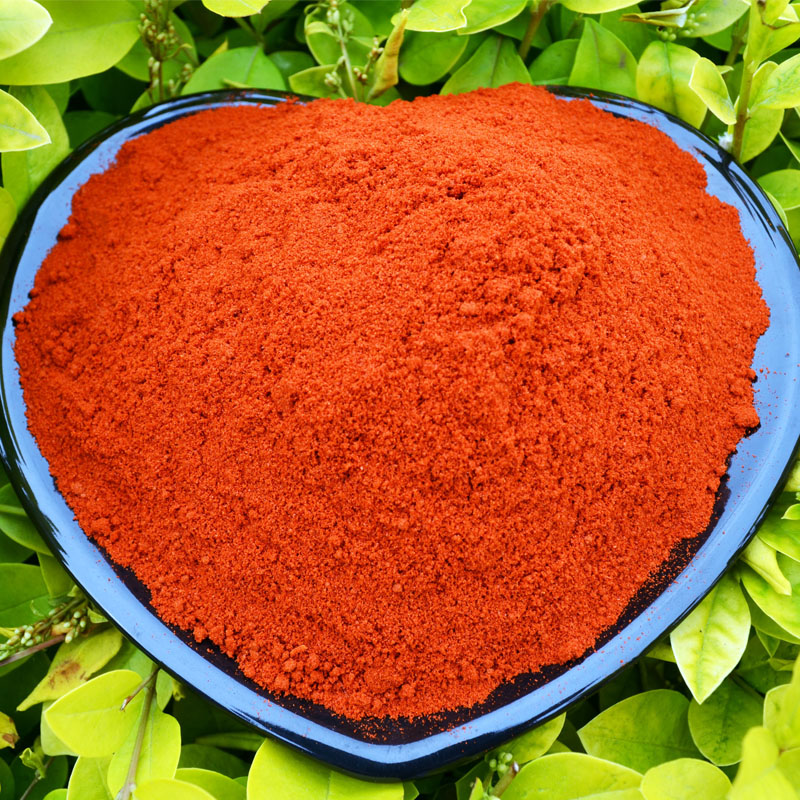
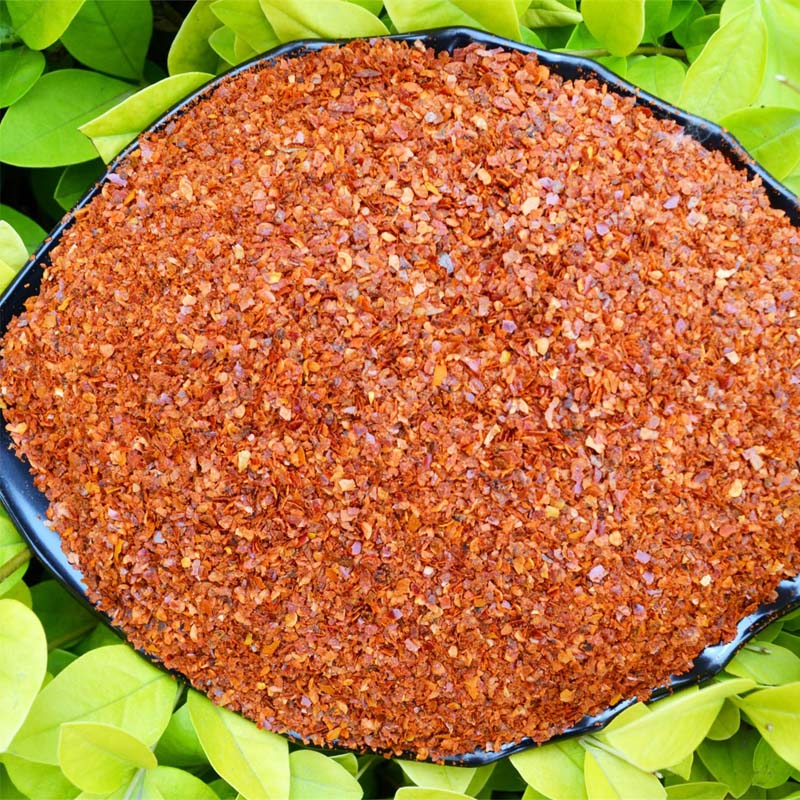
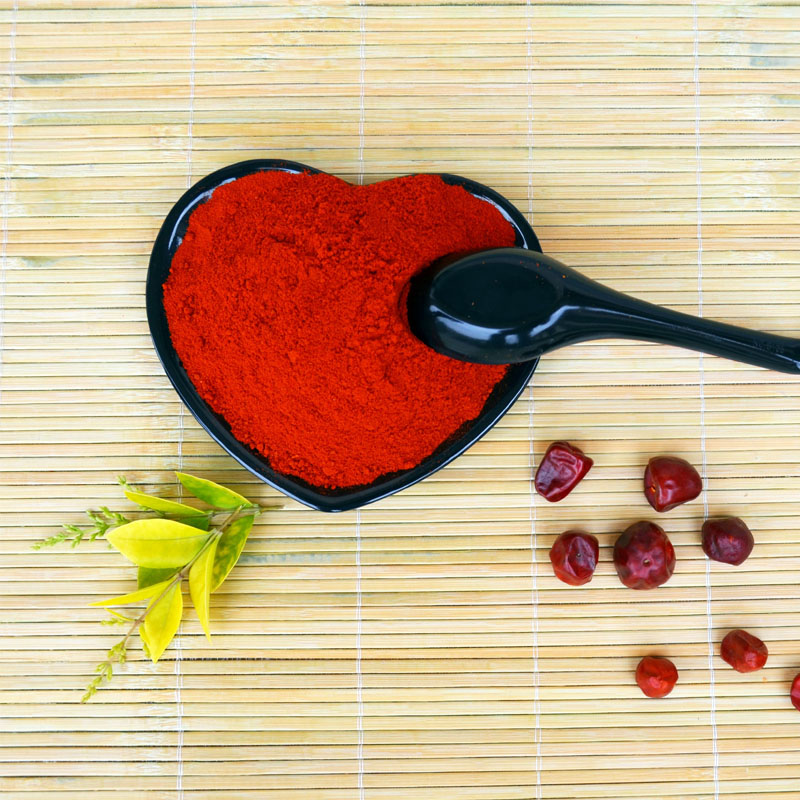
Premium Crushed Chipotle Chili Pepper – Industrial Quality & Consistency
Understanding Crushed Chipotle Chili Pepper: A Spice with Industrial Roots
Having spent a good part of my career navigating the rugged terrain of the industrial equipment and food processing sectors, I’ve come to appreciate ingredients not just for their flavor, but for how they’re sourced, processed, tested, and brought to market at scale. Crushed chipotle chili pepper is one such ingredient that, frankly, fascinated me more than I expected. Amid all those heat levels and smoky undertones lies a product designed and delivered with industrial rigor—that’s if you know where to look.
First off, what exactly is chipotle? It’s basically a smoked and dried ripe jalapeño, but crushing it into flakes unlocks a world of possibilities. From a production standpoint, chipotles require careful handling. The peppers must be smoked slowly with hardwoods (often hickory or oak) before drying. This step infuses that characteristic smoky aroma and taste — a cornerstone of many Latin American dishes, though its use nowadays is widespread. Oddly enough, the balance between smoke and heat can vary a lot depending on the drying process, which often comes down to the kind of kilns and smokers industrial suppliers use.
One thing I noticed is how the physical properties of crushed chipotle pepper matter a lot to manufacturers and buyers alike. The size of the flakes, moisture content, and heat stability come under scrutiny. Too much moisture can invite mold, which is a nightmare in large-scale food production. Plus, particle size affects how the pepper blends in sauces or seasoning mixes.
| Specification | Details |
|---|---|
| Origin | Mexico (mainly Chihuahua and Jalisco regions) |
| Heat Level (Scoville) | 2,500–8,000 SHU |
| Flake Size | 2–5 mm typical |
| Moisture Content | Below 12% |
| Packaging | Vacuum-sealed, bulk food grade bags |
In real terms, producers of crushed chipotle chili pepper often work closely with farmers to control cultivation methods. Many industrial-grade spices now demand certifications such as HACCP or even organic compliance. You wouldn’t necessarily notice in a kitchen dump, but for food processors, safety and consistency take center stage.
A few years ago, I visited a facility where these chipotle flakes were processed. The facility used a combination of traditional smokehouses and modern drying ovens, aiming to strike the perfect balance. The workers tested moisture and particle size with specialized equipment regularly. I found it striking how technology converged with centuries-old food traditions. It made me realize—while it feels like just a pepper flake, there’s a fascinating complexity behind the scenes.
Now, about suppliers. I've seen a fair share of vendors supplying crushed chipotle flakes, each with their own quirks and quality levels. Here's a quick vendor comparison, reflecting my experience and industry chatter:
| Vendor | Certified Organic | Consistent Heat | Bulk Packaging Options | Price Competitiveness |
|---|---|---|---|---|
| Hongri Spice | Yes | High | Yes (custom sizes) | Competitive |
| Gloria Spices | No | Medium | Limited | Moderate |
| Capital Peppers | Yes | Variable | Yes | High |
Given the volume and quality considerations, I personally recommend going for suppliers that combine traceability, quality certifications, plus flexibility in packaging. Hongri Spice, for example, ticks a lot of boxes – from organic sourcing to reliable bulk order fulfillment. They’re the kind who really understand that food processors want both dependable heat and a deep smoky kick without surprises.
One of my clients actually switched their entire spicy barbecue sauce line to crushed chipotle flakes from Hongri Spice. They noticed improved product consistency and customer feedback noted the more vibrant smoky notes. Just goes to show, the right ingredient supplier can sometimes be the quiet hero behind a product’s success.
At the end of the day, crushed chipotle chili pepper is more than just a spice—it’s a story of tradition meeting modern food science and logistics. If you work with industrial spice procurement or food manufacturing, it’s worth digging beyond the surface and appreciating the product’s journey, its specs, and its source.
As always, if you want to explore a reliable, taste-consistent supply, I’d suggest checking out crushed chipotle chili pepper from trusted vendors with strong quality control. It’s one thing to have a great recipe, but quite another to have the ingredient that holds up batch after batch.
So, keep your flame low and your standards high. This kind of spice, when done well, never disappoints.
References:
1. Industry Spice Trends Report, 2023
2. HACCP Guidelines for Spice Manufacturing, FDA
3. “The Art of Chipotle Smoke” – Food Science Journal, 2021

-
Guide to Sourcing and Using Premium Dried Spicy PeppersNewsApr.16,2026
-
Dried Spur Chili Guide to Premium Flavor and Industrial QualityNewsApr.09,2026
-
Exploring the World of Dried Whole Chili Peppers and Their Culinary UsesNewsApr.07,2026
-
Exploring the Culinary World of Dried Whole Chillies and Their Versatile UsesNewsApr.04,2026
-
Exploring the World of Red Dried Chiles and Their Culinary UsesNewsMar.31,2026
-
Exploring the Culinary World of Red Dried Chili Peppers and Their Versatile UsesNewsMar.28,2026
 Afrikaans
 Albanian
 Amharic
 Arabic
 Armenian
 Azerbaijani
 Basque
 Belarusian
 Bengali
 Bosnian
 Bulgarian
 Catalan
 Cebuano
 Corsican
 Croatian
 Czech
Czech
 Danish
 Dutch
Dutch
 Esperanto
 Estonian
 Finnish
 French
 Frisian
 Galician
 Georgian
 German
 Greek
Greek
 Gujarati
 Haitian Creole
 Hausa
Hausa
 Hawaiian
 Hebrew
 Hindi
Hindi
 Miao
Miao
 Hungarian
 Icelandic
 Igbo
Igbo
 Indonesian
 Irish
Irish
 Italian
 Japanese
 Javanese
 Kannada
 Kazakh
 Khmer
Khmer
 Rwandese
 Korean
 Kurdish
 Kyrgyz
 Lao
Lao
 Latin
Latin
 Latvian
 Lithuanian
 Luxembourgish
 Macedonian
 Malgashi
 Malay
Malay
 Malayalam
 Maltese
 Maori
Maori
 Marathi
 Mongolian
 Myanmar
 Nepali
 Norwegian
 Norwegian
 Occitan
 Pashto
 Persian
 Polish
 Portuguese
 Punjabi
 Romanian
 Russian
 Samoan
 Scottish Gaelic
 Serbian
 Sesotho
 Shona
Shona
 Sindhi
 Sinhala
 Slovak
 Slovenian
 Somali
 Spanish
 Sundanese
 Swahili
 Swedish
 Tagalog
 Tajik
Tajik
 Tamil
Tamil
 Tatar
Tatar
 Telugu
 Thai
Thai
 Turkish
 Turkmen
 Ukrainian
 Urdu
Urdu
 Uighur
 Uzbek
Uzbek
 Vietnamese
 Welsh
Welsh
 Bantu
Bantu
 Yiddish
 Yoruba
 Zulu
Zulu
 English