- No. 268 Xianghe Street, Economic Development Zone of Xingtai city, Hebei 054001 China
- Byron@hbhongri.cn
Cayenne Pepper vs Paprika: Industrial Insights & Sourcing Tips
Understanding Cayenne Pepper and Paprika: A Spicy Industrial Perspective
Having spent years in the industrial equipment sector—oddly enough, often surrounded by machinery rather than spices—I can say that understanding the nuances of products like cayenne pepper and paprika involves a bit more than just taste testing. There’s a whole science behind their cultivation, processing, and quality testing that ensures these spices don’t just add flavor but also meet commercial and industrial standards.
In fact, when I first stumbled across spice producers integrating industrial precision with traditional crop processing, I thought: “This reminds me so much of quality controls in machinery production.” It's fascinating how consistency in particle size, color grading, and heat level can affect the final product delivery, whether it’s in food manufacturing or seasoning blends.
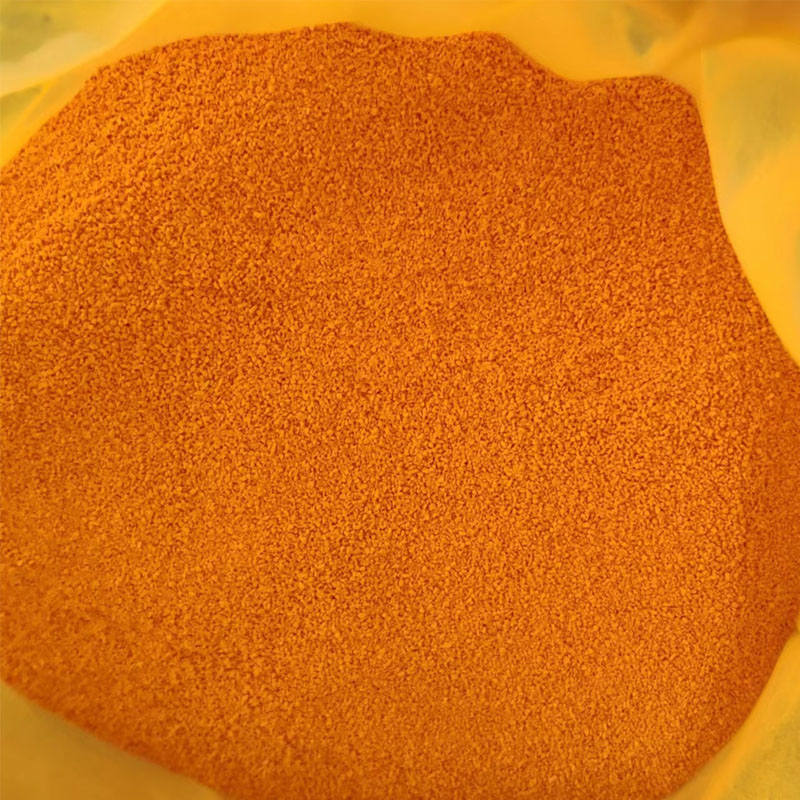
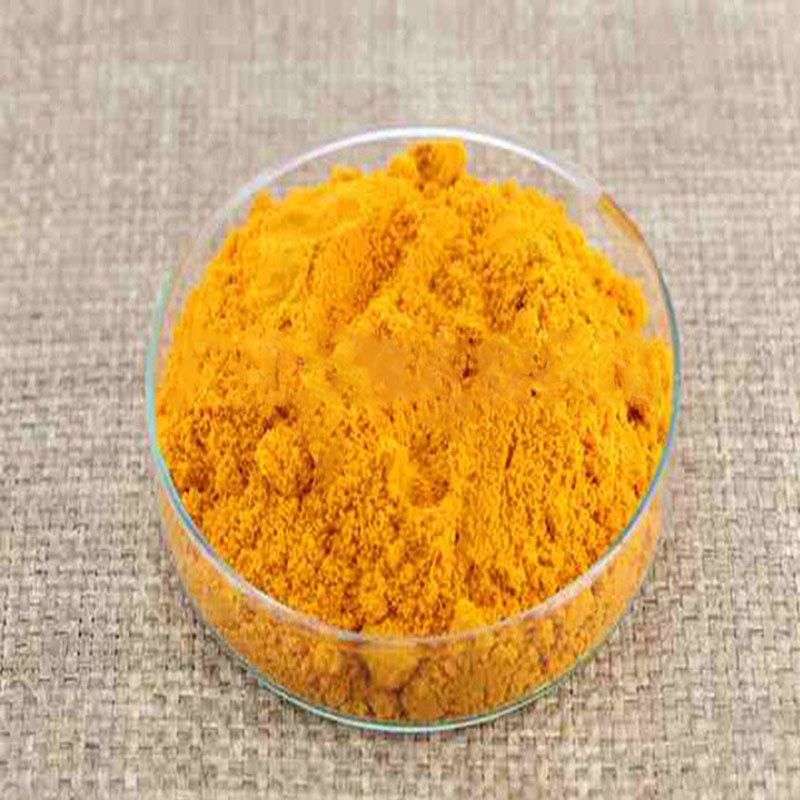
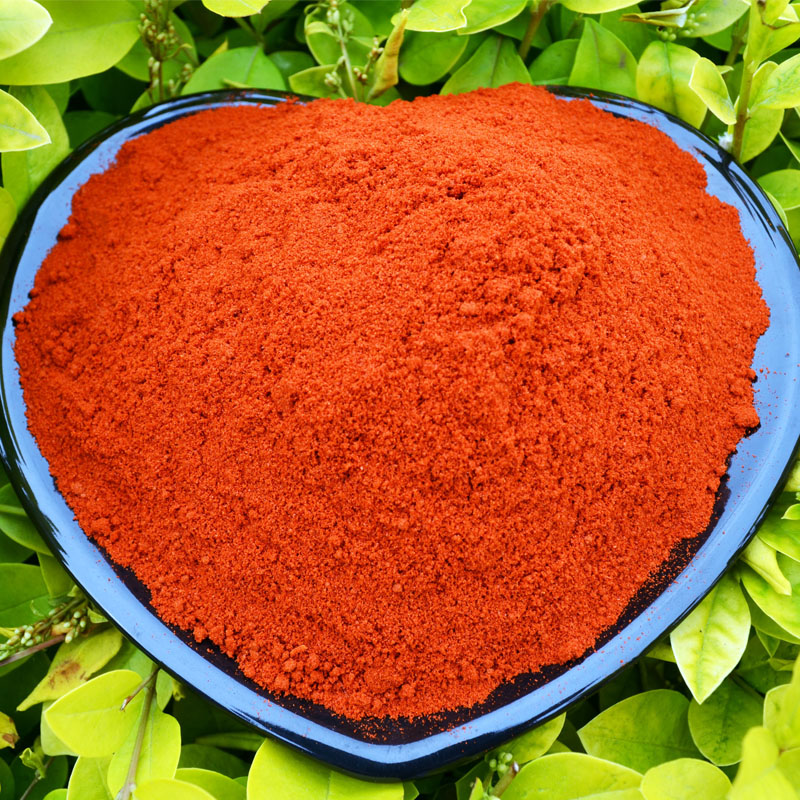
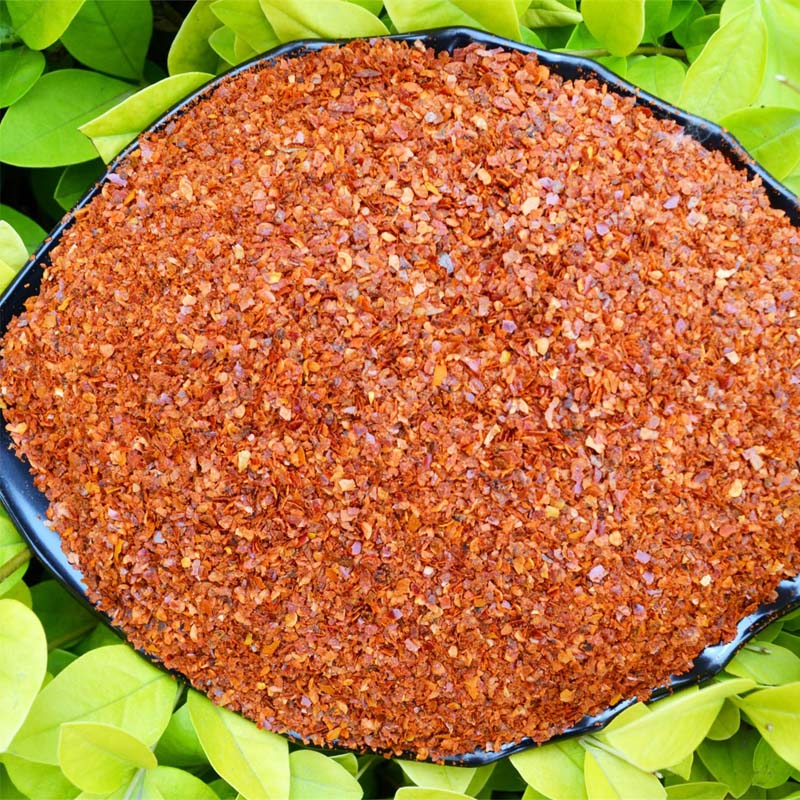
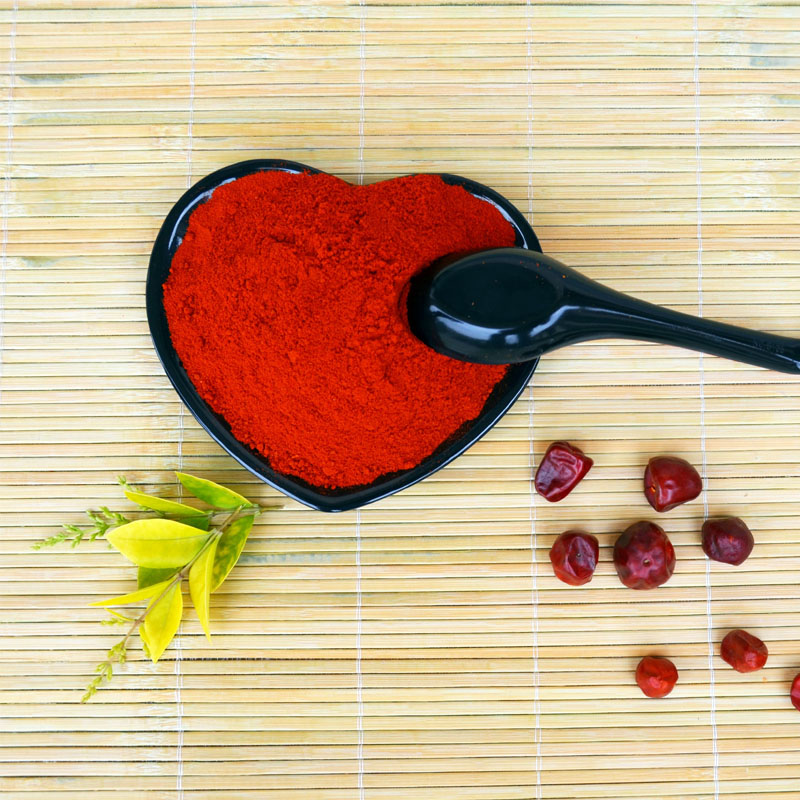
So, what sets cayenne pepper and paprika apart? Both come from varieties of Capsicum annuum, but their heat and color profiles serve quite different purposes. Cayenne typically carries a sharp, intense heat with Scoville Heat Units (SHU) ranging from 30,000 to 50,000, making it a staple in spicing things up. On the other hand, paprika is generally milder, prized for its vibrant red color and subtle smoky or sweet undertones depending on the processing method.
For industrial users, these differences are crucial. Whether you’re blending spice mixes or producing packaged seasonings, controlling the moisture content and grind size can make or break product consistency. I’ve noticed that some suppliers overgrind their paprika, making it powdery and less visually appealing, which frankly isn't great if you’re targeting gourmet markets.
Here’s a quick look at some key specifications I’ve found relevant over the years, just as a baseline comparison:
| Specification | Cayenne Pepper | Paprika |
|---|---|---|
| Scoville Heat Units (SHU) | 30,000 – 50,000 | 250 – 1,000 (mild varieties) |
| Moisture Content | < 12% | < 10% |
| Color (ASTA Units) | 40 – 60 | 120 – 160 (high grade) |
| Grinding Size | Medium – Fine | Fine |
When sourcing these spices, you’ve got to consider the vendor’s reliability as well as product quality. From my experience, some suppliers focus more on quantity, others on certification and traceability. To help you navigate this, here’s a simple comparison of a few typical suppliers I’ve worked with:
| Vendor | Product Quality | Certifications | Pricing | Customization Options |
|---|---|---|---|---|
| Hongri Spice | High — consistent color & heat | ISO 22000, HACCP | Competitive | Custom grind size, blends |
| Generic Supplier A | Medium — variable heat levels | None | Lower | None |
| Premium Spice Co. | Very High — gourmet grade | Organic, Fair Trade | High | Limited |
One small story — a friend of mine runs a local hot sauce brand and once sourced paprika and cayenne from a less consistent vendor. The color was off, and customers noticed the flavor was uneven. Switching to a supplier like Hongri Spice made a huge difference in product consistency and customer satisfaction. It’s these real-world outcomes that confirm how critical proper sourcing and understanding specs really are.
To sum things up, if you’re involved in producing or using cayenne pepper and paprika commercially, always look beyond just price and consider heat levels, moisture, color, and vendor reliability first. It feels like a small detail until you see your batch fail a quality test — and then it’s not so small anymore.
Anyway, these spices aren’t just kitchen staples; they reflect an interesting intersection of agriculture, processing science, and industrial quality control… sort of like the equipment side of things, just spicier!
References:
- Capsicum annuum varieties and industrial processing norms (AgriScience Journal, 2021)
- Quality controls for spice processing facilities (Food Industry Review, 2019)
- Vendor certification impacts on spice consistency, Hongri Spice Case Study, 2022
-
Guide to Sourcing and Using Premium Dried Spicy PeppersNewsApr.16,2026
-
Dried Spur Chili Guide to Premium Flavor and Industrial QualityNewsApr.09,2026
-
Exploring the World of Dried Whole Chili Peppers and Their Culinary UsesNewsApr.07,2026
-
Exploring the Culinary World of Dried Whole Chillies and Their Versatile UsesNewsApr.04,2026
-
Exploring the World of Red Dried Chiles and Their Culinary UsesNewsMar.31,2026
-
Exploring the Culinary World of Red Dried Chili Peppers and Their Versatile UsesNewsMar.28,2026
 Afrikaans
 Albanian
 Amharic
 Arabic
 Armenian
 Azerbaijani
 Basque
 Belarusian
 Bengali
 Bosnian
 Bulgarian
 Catalan
 Cebuano
 Corsican
 Croatian
 Czech
Czech
 Danish
 Dutch
Dutch
 Esperanto
 Estonian
 Finnish
 French
 Frisian
 Galician
 Georgian
 German
 Greek
Greek
 Gujarati
 Haitian Creole
 Hausa
Hausa
 Hawaiian
 Hebrew
 Hindi
Hindi
 Miao
Miao
 Hungarian
 Icelandic
 Igbo
Igbo
 Indonesian
 Irish
Irish
 Italian
 Japanese
 Javanese
 Kannada
 Kazakh
 Khmer
Khmer
 Rwandese
 Korean
 Kurdish
 Kyrgyz
 Lao
Lao
 Latin
Latin
 Latvian
 Lithuanian
 Luxembourgish
 Macedonian
 Malgashi
 Malay
Malay
 Malayalam
 Maltese
 Maori
Maori
 Marathi
 Mongolian
 Myanmar
 Nepali
 Norwegian
 Norwegian
 Occitan
 Pashto
 Persian
 Polish
 Portuguese
 Punjabi
 Romanian
 Russian
 Samoan
 Scottish Gaelic
 Serbian
 Sesotho
 Shona
Shona
 Sindhi
 Sinhala
 Slovak
 Slovenian
 Somali
 Spanish
 Sundanese
 Swahili
 Swedish
 Tagalog
 Tajik
Tajik
 Tamil
Tamil
 Tatar
Tatar
 Telugu
 Thai
Thai
 Turkish
 Turkmen
 Ukrainian
 Urdu
Urdu
 Uighur
 Uzbek
Uzbek
 Vietnamese
 Welsh
Welsh
 Bantu
Bantu
 Yiddish
 Yoruba
 Zulu
Zulu
 English