- No. 268 Xianghe Street, Economic Development Zone of Xingtai city, Hebei 054001 China
- Byron@hbhongri.cn
Comprehensive Guide to Making Chilli Powder: Techniques, Benefits & Trends
Why Making Chilli Powder Matters — Globally and Beyond
If you’ve ever sprinkled a fiery red dust on your meal and felt that zing hit your tongue, you’ve tasted the fruit of making chilli powder. But this daily kitchen staple isn’t just about flavor. Worldwide, the production of chilli powder touches millions of lives — from smallholder farmers in India and Mexico to massive spice export industries, and yes, even humanitarian aid efforts where shelf-stable spices bolster nutrition. Understanding the art and science of making chilli powder sheds light not only on taste but on economic livelihoods, trade dynamics, and food security challenges that ripple across continents.
Globally, over 4 million tons of chili peppers are produced annually, and a significant chunk makes its way into powder form — a product that stores better, travels farther, and flavors more dishes than fresh chilies ever could. The spice industry, according to FAO data, contributes billions in export revenue to developing nations. But beyond money, the process of turning fresh chili into powder is a fascinating interplay of tradition and technology. Dive in and let’s unravel what makes chilli powder both culturally irreplaceable and commercially vital.
Setting the Stage: The Global Context of Making Chilli Powder
Chilli peppers are grown on every inhabited continent, but Asia and Latin America dominate production. India alone accounts for roughly 40% of world production, largely destined for powder. The spices industry, per the International Organization for Standardization (ISO), is steadily embracing standardized processes in powder production to meet hygiene and export quality standards.
However, challenges abound. Moisture control, contamination, and inconsistent drying methods can ruin batches — creating food safety risks or sub-standard powders that hurt export potential. Here, modern making chilli powder systems seek scalable, cost-efficient solutions to improve quality while respecting deep-rooted traditional methods.
What Exactly Is Making Chilli Powder?
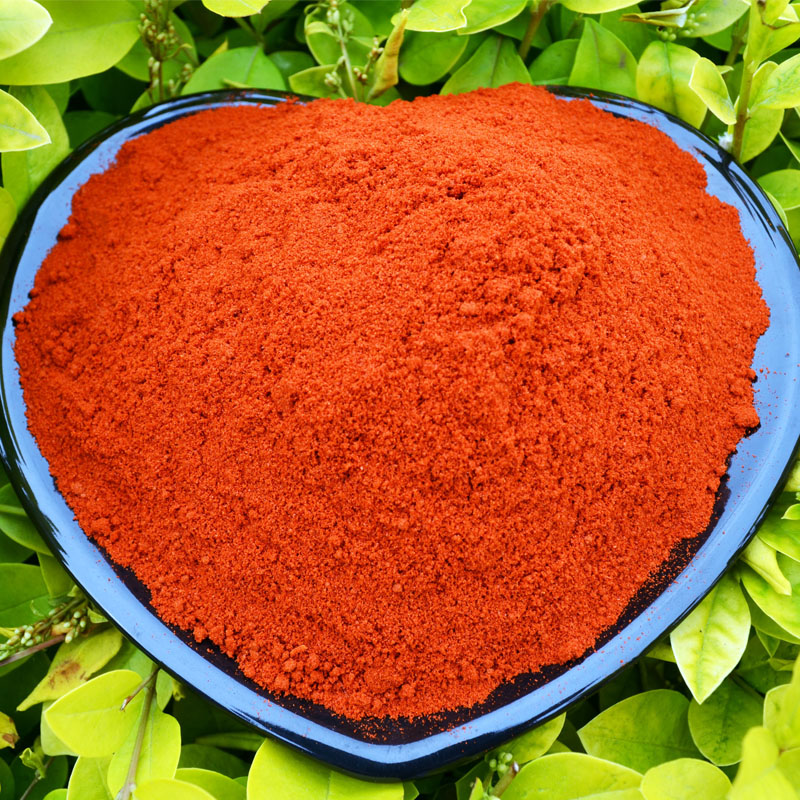
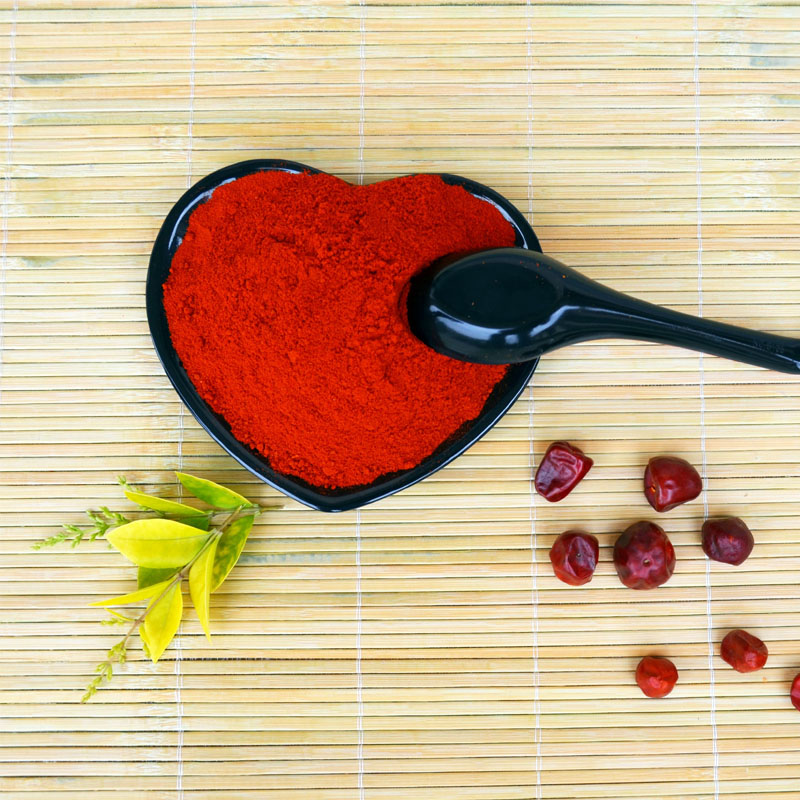
Simply put, making chilli powder is the process of drying, grinding, and packaging chili peppers into a fine powder that keeps the vibrant heat and flavor intact. This isn’t just crushing dried peppers — it’s a carefully controlled chain of steps designed to preserve capsaicin (the chemical that gives heat), color, and shelf life.
In industry terms, this means harnessing moisture content monitoring, drying technologies like solar or mechanical dryers, milling precision, and finally, quality-controlled packaging. The powder then can be shipped internationally, used in food manufacturing, or sold directly to consumers.
On the humanitarian side, chili powder adds much-needed flavor and vitamins to emergency rations, making staple foods more palatable and nutritious during crises.
Core Components of the Making Chilli Powder Process
1. Selection and Preparation
The journey starts with selecting ripe, high-quality chili varieties — obviously. But it’s not always obvious which peppers will yield the best powder. Factors like pungency, color retention, and drying behavior influence this. Some manufacturers will destem or deseed to reduce bitterness or to moderate heat.
2. Drying Techniques
This is arguably where the magic (and many headaches) happen. Traditionally, sun drying was the method — but it’s slow and weather-dependent, risking mold or insect contamination. Modern setups might use hot air or freeze drying to speed up the process without sacrificing flavor intensity. Controlling moisture levels below 12% is key for long shelf life.
3. Grinding & Milling Precision
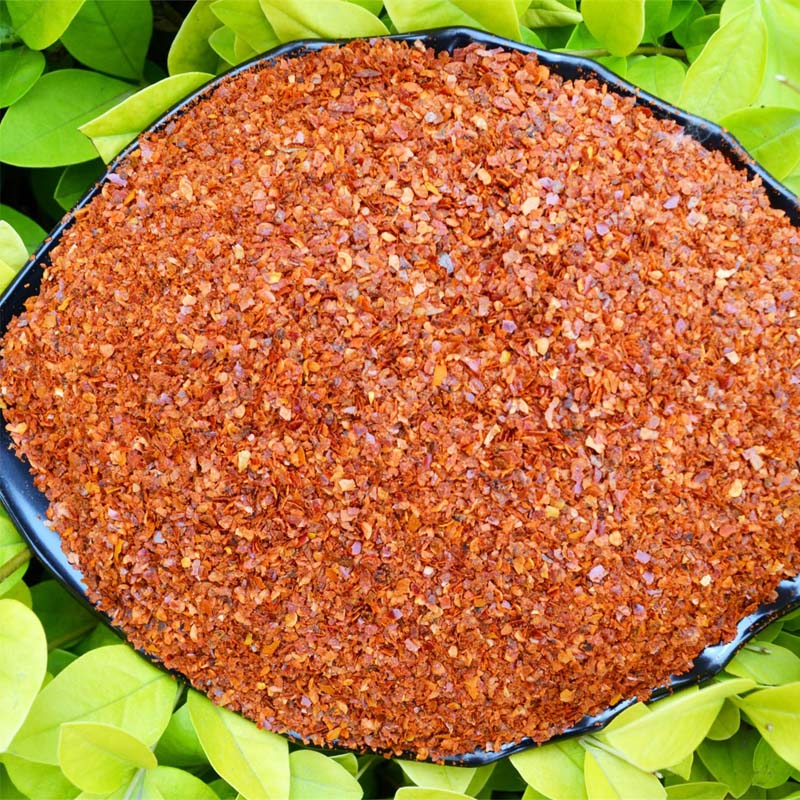
Not all powders are created equal. Fineness matters: too coarse and the powder won’t mix well; too fine and it risks clumping or rapid oxidation. Industrial mills allow for adjustable granularity and some advanced equipment even cools the peppers during milling to stop heat loss.
4. Quality Control & Packaging
Laboratory tests for capsaicin levels, microbial contamination, and color consistency are crucial. Packaging must prevent moisture and light ingress, so using vacuum-sealed pouches or nitrogen-flushed containers is common to lock freshness.
5. Traceability & Compliance
Increasingly, consumers want to know where their spice came from. Using blockchain or certified traceability systems helps producers comply with international food safety standards and appeals to ethical markets.
Practical Product Specification Table: A Typical Industrial Chilli Powder Production Line
| Component | Specification | Notes |
|---|---|---|
| Dryer Type | Hot Air Fluidized Bed | Ensures even drying, reduces mold risk |
| Moisture Output | Targets long shelf life | |
| Milling Precision | Particle Size 60-80 mesh (fine powder) | Optimal for uniformity and flow |
| Packaging | Vacuum-sealed Pouches or Nitrogen-flushed | Maximizes freshness and color stability |
| Quality Control Checks | Capsaicin level, Microbial Test, Color Consistency | Ensures consumer safety and taste |
Global Vendors Comparison in Making Chilli Powder Equipment
| Vendor | Drying Technology | Milling Options | Automation Level | Typical Clients |
|---|---|---|---|---|
| SpicePro Inc. (India) | Solar + Hot Air Hybrid | Adjustable Screen Mill | Semi-automated | Small to medium scale processors |
| RedChill Tech (Mexico) | Fluidized Bed Dryer | Cryogenic Grinding | Fully Automated | Large-scale commercial exporters |
| SpiceRoute Systems (South Africa) | Mechanical Hot Air Dryers | High-Speed Hammer Mill | Manual with automation options | Regional spice processors & NGOs |
How Is Making Chilli Powder Used in the Real World?
Take India’s west coast spice hubs or Mexico’s chili valleys. Here, makers combine traditional sun-drying with mechanical milling to produce powders that end up in supermarkets worldwide. Contrast this with relief organizations operating in disaster zones — powdered chili provides not just seasoning but food safety by encouraging consumption of vitamin-rich foods and preventing bland rations that lead to malnutrition or rejection.
Some remote industrial zones use standard chilli powders to spice up packed meals for workers, making the long shifts more flavorful and culturally familiar — oddly enough, a small morale booster you’d not immediately expect.
The Advantages of Mastering the Art of Making Chilli Powder
- Cost Efficiency: Powdering chili peppers reduces weight and spoilage, slashing transport costs.
- Sustainability: Modern drying techniques reduce waste and energy use, aligning with global eco-trends.
- Safety & Quality: Controlled processing ensures hygienic products free of contaminants.
- Social Impact: Creates jobs in farming, processing, and trade, improving livelihoods especially in rural economies.
Emotionally, it connects cultures. You can share a pinch of chili powder across borders and instantly recall home, food memories, or community. This cultural glue — surprisingly — is a commodity worth its weight in saffron.
Looking Ahead: How is Making Chilli Powder Evolving?
Green energy’s creeping influence is changing drying tech: solar-powered dryers with digital moisture sensors are becoming common in rural India and Africa, replacing erratic sun drying. Automation is also creeping in with AI-powered quality controls that detect subtle color changes or moisture levels exponentially faster.
Making chilli powder processes might soon integrate blockchain to prove provenance, satisfying consumers who want sustainability and authenticity guarantees. Some innovators are exploring freeze-drying to preserve ultra-fresh spice aroma, although cost barriers remain.
Challenges in Making Chilli Powder and How To Overcome Them
Key hurdles? Maintaining consistent quality given crop variability, contamination risk during drying, and the initial cost of modern machinery. Moisture control is a constant battle — too wet, and powders spoil; too dry, and flavor fades.
Solutions include investing in training for farmers on pre-harvest handling, adopting hybrid dryers to manage environment variability, and deploying remote sensors for real-time moisture and quality monitoring. Public-private partnerships can subsidize technology transfer to small-scale processors, promoting wider adoption.
Frequently Asked Questions About Making Chilli Powder
Q1: What’s the best drying method for making high-quality chilli powder?
A1: While traditional sun drying is cost-effective, it’s unreliable and risks contamination. Hot air fluidized bed dryers are preferred industrially as they offer uniform drying and reduce spoilage, preserving flavor and color. Solar-assisted hybrid dryers are also emerging as green, practical options.
Q2: How do manufacturers ensure consistent heat levels in chilli powder?
A2: Variations occur due to chili variety and processing. Quality producers use capsaicin assays to measure heat concentration and blend powders to maintain consistency. Removing seeds can moderate heat for milder powders.
Q3: Can small-scale farmers produce export-quality chilli powder?
A3: Yes, but they must adopt improved drying and grinding techniques, maintain hygiene, and comply with food safety certifications. Collaborative processing centers often help smallholders meet these standards.
Q4: Why is packaging so critical after making chilli powder?
A4: Proper packaging protects the powder from moisture and light, both of which degrade color and flavor, and invite microbial growth. Vacuum sealing or nitrogen flushing maximizes freshness and shelf life.
Q5: Is making chilli powder profitable for emerging markets?
A5: Absolutely. Reducing waste and adding value through powder production increases income for growers and processors, improves export potential, and helps tap into global demand for spices.
Wrapping It Up — The Fiery Road Ahead
Making chilli powder is more than just a culinary task — it’s an intricate dance of agriculture, technology, and culture. It links farmers to consumers, rural economies to global markets, and tradition to innovation. Long-term, mastering this process means better quality, safer food, and boosted livelihoods worldwide.
Curious to spice things up in your own kitchen or business? Visit our website for everything from premium powder to equipment insights — because the world of chilli is hot, vibrant, and ever-evolving.
References

-
Guide to Sourcing and Using Premium Dried Spicy PeppersNewsApr.16,2026
-
Dried Spur Chili Guide to Premium Flavor and Industrial QualityNewsApr.09,2026
-
Exploring the World of Dried Whole Chili Peppers and Their Culinary UsesNewsApr.07,2026
-
Exploring the Culinary World of Dried Whole Chillies and Their Versatile UsesNewsApr.04,2026
-
Exploring the World of Red Dried Chiles and Their Culinary UsesNewsMar.31,2026
-
Exploring the Culinary World of Red Dried Chili Peppers and Their Versatile UsesNewsMar.28,2026
 Afrikaans
 Albanian
 Amharic
 Arabic
 Armenian
 Azerbaijani
 Basque
 Belarusian
 Bengali
 Bosnian
 Bulgarian
 Catalan
 Cebuano
 Corsican
 Croatian
 Czech
Czech
 Danish
 Dutch
Dutch
 Esperanto
 Estonian
 Finnish
 French
 Frisian
 Galician
 Georgian
 German
 Greek
Greek
 Gujarati
 Haitian Creole
 Hausa
Hausa
 Hawaiian
 Hebrew
 Hindi
Hindi
 Miao
Miao
 Hungarian
 Icelandic
 Igbo
Igbo
 Indonesian
 Irish
Irish
 Italian
 Japanese
 Javanese
 Kannada
 Kazakh
 Khmer
Khmer
 Rwandese
 Korean
 Kurdish
 Kyrgyz
 Lao
Lao
 Latin
Latin
 Latvian
 Lithuanian
 Luxembourgish
 Macedonian
 Malgashi
 Malay
Malay
 Malayalam
 Maltese
 Maori
Maori
 Marathi
 Mongolian
 Myanmar
 Nepali
 Norwegian
 Norwegian
 Occitan
 Pashto
 Persian
 Polish
 Portuguese
 Punjabi
 Romanian
 Russian
 Samoan
 Scottish Gaelic
 Serbian
 Sesotho
 Shona
Shona
 Sindhi
 Sinhala
 Slovak
 Slovenian
 Somali
 Spanish
 Sundanese
 Swahili
 Swedish
 Tagalog
 Tajik
Tajik
 Tamil
Tamil
 Tatar
Tatar
 Telugu
 Thai
Thai
 Turkish
 Turkmen
 Ukrainian
 Urdu
Urdu
 Uighur
 Uzbek
Uzbek
 Vietnamese
 Welsh
Welsh
 Bantu
Bantu
 Yiddish
 Yoruba
 Zulu
Zulu
 English