- No. 268 Xianghe Street, Economic Development Zone of Xingtai city, Hebei 054001 China
- Byron@hbhongri.cn
Pul Biber Paprika: Industrial Spice Sourcing & Quality Insights
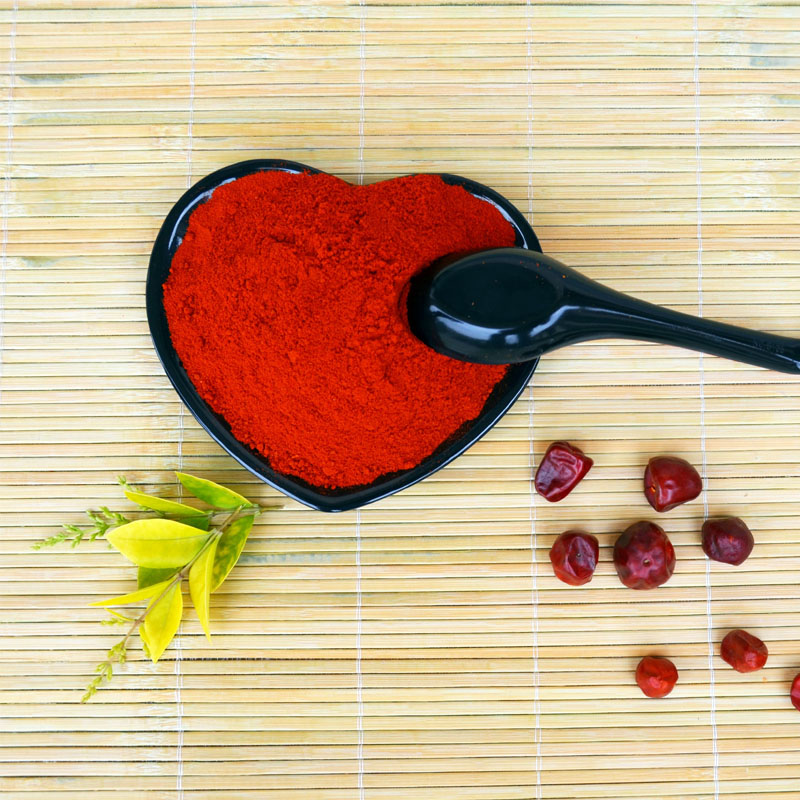
Pul Biber Paprika: A Fiery Staple in the Spice Industry
Having spent over a decade in the industrial equipment and specialty ingredients sector, I’ve come across countless raw materials and finished goods that make a difference on the production floor — but pul biber paprika stands out as a fascinating example of how traditional agriculture meets modern industrial demand.
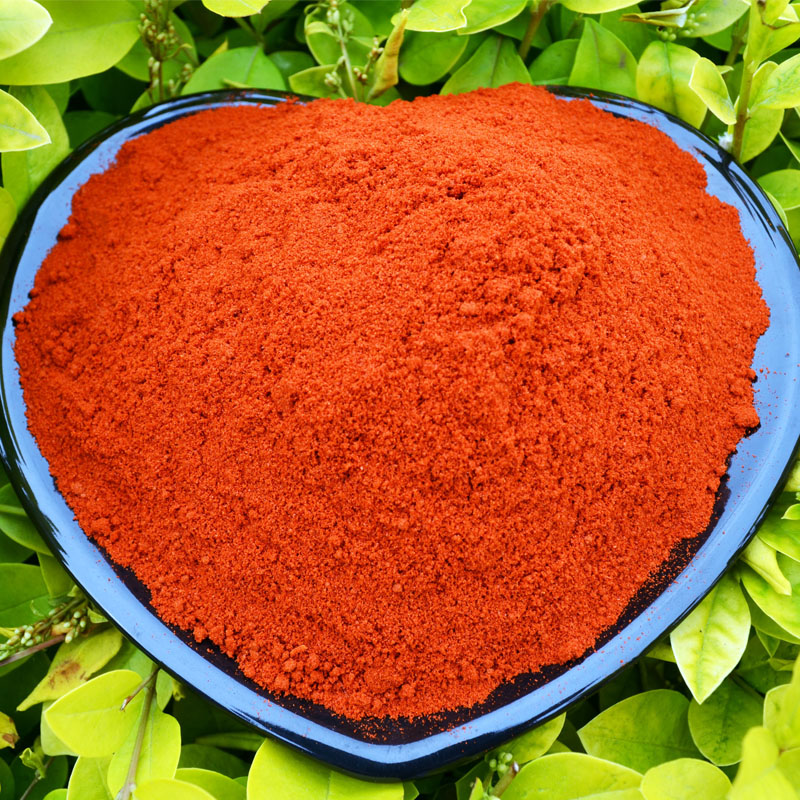
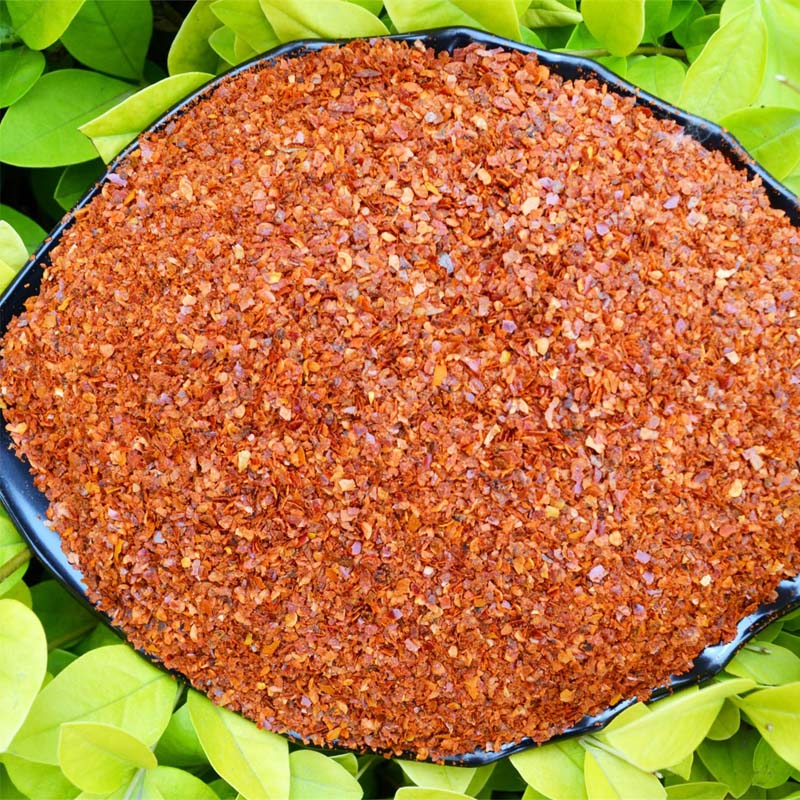
Now, for those unfamiliar, pul biber (sometimes called Aleppo pepper) is a coarsely ground chili with a tantalizing heat and fruity, slightly smoky aroma. It’s become a go-to ingredient in culinary factories and food processing plants worldwide. Oddly enough, despite being a natural spice product, it requires surprisingly precise handling during sourcing and packaging — and that’s where industry knowledge really pays off.
In real terms, the quality of pul biber paprika hinges on factors like the drying method, seed removal process, and grinding coarseness. Many engineers and quality managers I’ve spoken to emphasize that these variables directly influence the flavor consistency and shelf life — crucial when you’re mass-producing spice blends or meat rubs. Personally, I noticed in one Turkish supplier's plant how subtle temperature shifts during sun-drying altered the aroma profile significantly.
Here’s a quick rundown of typical product specs you might find, just to give you a sense of what goes into the specification sheets and vendor discussions:
| Specification | Typical Range | Unit |
|---|---|---|
| Moisture Content | 10-12% | % |
| Color (ASTA Units) | 80-100 | ASTA |
| Pungency (SHU) | 10,000-25,000 | Scoville Heat Units |
| Particle Size | 2-4 mm | mm |
| Foreign Matter | % |
When it comes to sourcing pul biber paprika, the choice of vendor can significantly impact the final product quality and supply chain reliability. To illustrate, here’s a comparison of three prominent vendors I’ve engaged with over the years:
| Vendor | Origin | Typical Lead Time | Consistency | Price Range |
|---|---|---|---|---|
| Hongri Spice | Turkey | 2-3 weeks | High | $$$ |
| Eastern Spices Co. | Syria | 3-4 weeks | Moderate | $$ |
| Mediterranean Flavors Ltd. | Lebanon | 4-5 weeks | Variable | $$$ |
Interestingly, I had a client once who was struggling with inconsistent heat levels in their sausage production. After switching to a more controlled supplier of pul biber paprika — specifically Hongri Spice — their product quality stabilized noticeably, with positive feedback streaming in from end users. It feels a bit like a secret handshake in the food industry: pick the right spice supplier, and you’re halfway to a great product.
Beyond pure specs and vendor choice, there are ongoing trends worth mentioning. The shift towards organic certification and traceability is quite pronounced. Several producers are investing in blockchain-based traceability for spice batches — frankly, it’s exciting to see tradition marrying technology like this. For you in industrial procurement, keeping an eye on certifications and supply transparency will pay dividends.
Another point worth noting is customization: many spice processors now ask for adjusted particle sizes or blends with added smoky notes to match regional tastes or product lines, requiring flexible manufacturing setups on the vendor side.
In summary, pul biber paprika may look simple on the surface, but there’s a deep well of expertise behind quality industrial supply. Choosing the right product and partner isn’t just about price — it’s about reliability, consistency, and sometimes, a bit of that human touch you find only with seasoned suppliers.
So next time you source spices, think beyond the heat and color: it’s what’s behind the scenes that really sets your product apart.
References:
- Industry interviews with spice processing engineers (2022-2023)
- ASTA official spice quality standards, 2023 Edition
- Supply chain case study: Turkish spice export (2021)

-
Guide to Sourcing and Using Premium Dried Spicy PeppersNewsApr.16,2026
-
Dried Spur Chili Guide to Premium Flavor and Industrial QualityNewsApr.09,2026
-
Exploring the World of Dried Whole Chili Peppers and Their Culinary UsesNewsApr.07,2026
-
Exploring the Culinary World of Dried Whole Chillies and Their Versatile UsesNewsApr.04,2026
-
Exploring the World of Red Dried Chiles and Their Culinary UsesNewsMar.31,2026
-
Exploring the Culinary World of Red Dried Chili Peppers and Their Versatile UsesNewsMar.28,2026
 Afrikaans
 Albanian
 Amharic
 Arabic
 Armenian
 Azerbaijani
 Basque
 Belarusian
 Bengali
 Bosnian
 Bulgarian
 Catalan
 Cebuano
 Corsican
 Croatian
 Czech
Czech
 Danish
 Dutch
Dutch
 Esperanto
 Estonian
 Finnish
 French
 Frisian
 Galician
 Georgian
 German
 Greek
Greek
 Gujarati
 Haitian Creole
 Hausa
Hausa
 Hawaiian
 Hebrew
 Hindi
Hindi
 Miao
Miao
 Hungarian
 Icelandic
 Igbo
Igbo
 Indonesian
 Irish
Irish
 Italian
 Japanese
 Javanese
 Kannada
 Kazakh
 Khmer
Khmer
 Rwandese
 Korean
 Kurdish
 Kyrgyz
 Lao
Lao
 Latin
Latin
 Latvian
 Lithuanian
 Luxembourgish
 Macedonian
 Malgashi
 Malay
Malay
 Malayalam
 Maltese
 Maori
Maori
 Marathi
 Mongolian
 Myanmar
 Nepali
 Norwegian
 Norwegian
 Occitan
 Pashto
 Persian
 Polish
 Portuguese
 Punjabi
 Romanian
 Russian
 Samoan
 Scottish Gaelic
 Serbian
 Sesotho
 Shona
Shona
 Sindhi
 Sinhala
 Slovak
 Slovenian
 Somali
 Spanish
 Sundanese
 Swahili
 Swedish
 Tagalog
 Tajik
Tajik
 Tamil
Tamil
 Tatar
Tatar
 Telugu
 Thai
Thai
 Turkish
 Turkmen
 Ukrainian
 Urdu
Urdu
 Uighur
 Uzbek
Uzbek
 Vietnamese
 Welsh
Welsh
 Bantu
Bantu
 Yiddish
 Yoruba
 Zulu
Zulu
 English