- No. 268 Xianghe Street, Economic Development Zone of Xingtai city, Hebei 054001 China
- Byron@hbhongri.cn
Double Crushed Red Pepper: Flavor, Quality & Global Impact Explained
Understanding Double Crushed Red Pepper: A Spice with Global Appeal
You might not realize it, but double crushed red pepper has quietly carved out a formidable niche across kitchens worldwide. This fiery ingredient isn’t just about heat—it’s about flavor, versatility, and a dash of history. Globally, this spice offers a cost-effective way to enrich dishes, assist food industries, and support agrarian economies that produce it. Plus, it has health benefits that underpin its rising popularity.
That’s why digging deeper into what double crushed red pepper is, and why so many chefs, food manufacturers, and spice lovers swear by it, matters. Beyond just adding a spark to your sauce, it symbolizes cultural exchange, trade dynamics, and even sustainable agriculture.
Introduction: The Global Context of Double Crushed Red Pepper
Chili peppers, with origins in Central and South America, now travel the globe in countless forms. According to the Food and Agriculture Organization (FAO), chili pepper production exceeds 38 million tonnes per year worldwide, with significant consumption in Asia, Europe, and the Americas. While standard crushed pepper flakes are common, the "double crushed" variety takes it a step further — offering finer flakes and a more evenly distributed heat.
Why does that matter? Well, in industries from hospitality to packaged foods, consistency and intensity impact both taste and shelf-life. Producers seek a product that delivers a reliable kick, but also integrates seamlessly into complex recipes. On the humanitarian side, affordable, high-flavor seasonings like this can enhance nutrition and food acceptance in aid programs, improving meal satisfaction.
And yet, suppliers face challenges: inconsistent crop yields, processing limitations, and navigating international food safety standards. Understanding the nuances of double crushed red pepper opens a window into tackling these challenges effectively.
What Is Double Crushed Red Pepper?
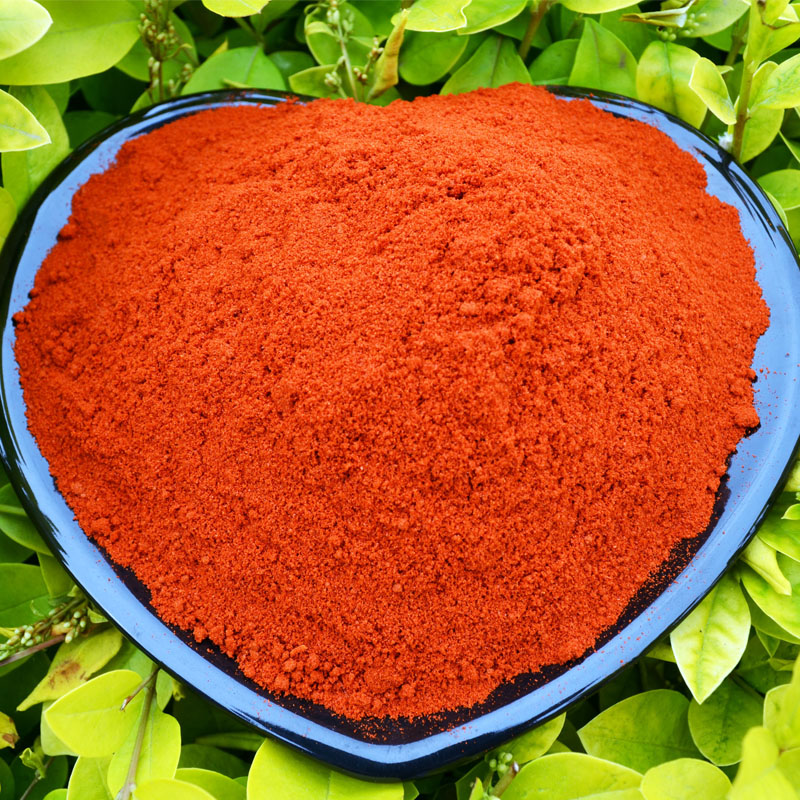
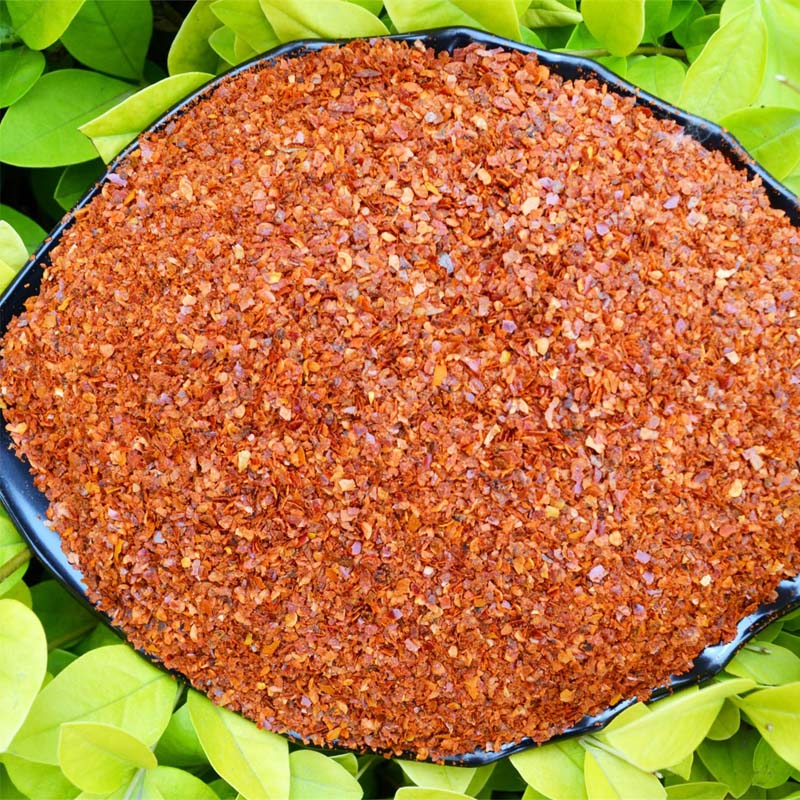
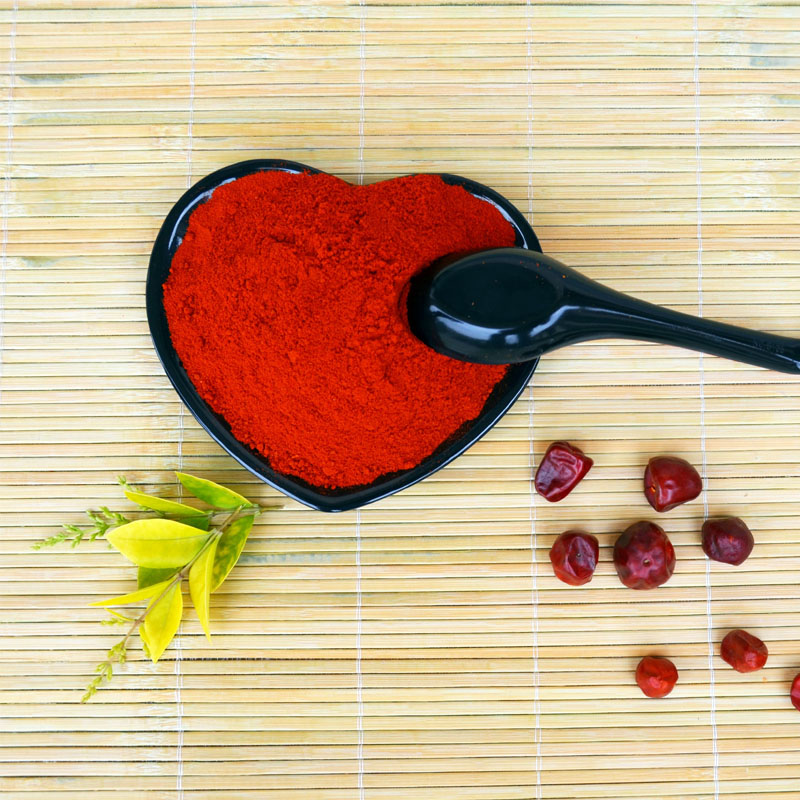
Simply put, double crushed red pepper consists of crushed dried red chili flakes that have passed through two grinding or crushing processes. This results in a finer and more homogenous flake size compared to standard crushed red pepper, which means more surface area and generally stronger, evenly distributed flavor and heat.
It's mainly made from varieties like cayenne or similar hot peppers, dried thoroughly to preserve color and flavor, then crushed not once, but twice. This careful processing makes it a favorite for culinary professionals who want predictable spice levels.
This spice isn’t just a kitchen curiosity—it intersects with food manufacturing, packaging, and even agronomy, where quality control protocols ensure safety and potency before it reaches your table.
Key Factors Behind Double Crushed Red Pepper’s Unique Appeal
1. Consistency in Flavor
Because the flakes are uniformly sized after the second crushing, chefs can count on balanced heat throughout the dish, avoiding surprises that larger flakes or seeds might cause.
2. Enhanced Shelf Stability
Finer flakes tend to dry evenly and allow for better vacuum packaging, reducing moisture exposure and extending product shelf life. This is a boon for distributors shipping internationally.
3. Broader Culinary Applications
Double crushed red pepper is flexible — from sprinkling on pizza to incorporation in sauces, marinades, and spice blends. Its texture integrates better into ground spice mixes without inconsistent texture.
4. Cost Efficiency and Supply Chain Reliability
Producers who invest in double crushing technology can reduce waste and increase product grade consistency, helping them position their goods competitively in the global market.
5. Nutritional and Health Aspects
Capsaicin, the compound responsible for pepper’s heat, is linked to metabolism boosts and pain relief benefits, making double crushed red pepper attractive to the health-conscious consumer.
Double Crushed Red Pepper Specs at a Glance
| Specification | Typical Value | Industry Standard |
|---|---|---|
| Flake Size | 0.8 – 1.5 mm | 0.5 – 2 mm |
| Capsaicin Content | 30,000 – 50,000 SHU | 20,000 – 60,000 SHU |
| Moisture Content | ≤ 10% | ≤ 12% |
| Color (ASTA units) | 75 – 90 | 70 – 100 |
Global Applications & Industry Use Cases
Double crushed red pepper finds itself at the crossroads of culinary tradition and industrial practicality worldwide.
- Food Manufacturing: Large-scale sauce, snack, and seasoning producers appreciate the product’s consistent heat and color.
- Hospitality Sector: Restaurants leverage its fine texture to enhance dishes uniformly, simplifying recipe control.
- Aid & Nutrition Programs: In regions where taste acceptance is key, small doses of this pepper added to bland diets boost meal appeal and nutrition uptake.
- Export & Trade: Countries like India, China, and Mexico that dominate chili production benefit immensely by branding and exporting this refined product.
For example, in the Mediterranean region, it’s common to see double crushed red pepper used in spice blends for grilled meats, whereas in the US pizza industry, it’s a staple at every table.
Vendor Comparison: Selecting Your Supplier
| Vendor | Product Quality | Certifications | Pricing | Delivery Terms |
|---|---|---|---|---|
| Global Spices Inc. | Premium, uniform flakes | ISO 22000, Organic | $$$ | FOB Ports |
| SpiceCraft Ltd. | Good, minor size variation | BRC, HACCP | $$ | CIF Options |
| RedFlake Traders | Standard grade | None | $ | FOB Regional |
Advantages & Lasting Value
Choosing double crushed red pepper brings several tangible and even intangible benefits.
- Cost Savings: Its fine, consistent flakes make portion control easier, reducing waste.
- Sustainability: Doubling the crushing step improves product uniformity, reducing returns and overall loss.
- Social Impact: Investment in processing technology boosts local economies and employment in farming regions.
- Reliability: For supply chains, this means fewer flavor discrepancies down the line—important in quality-conscious industries.
Emotionally, being able to trust your seasoning to behave consistently fosters creativity for chefs and confidence for companies launching new products.
Emerging Trends & Innovations to Watch
Oddly enough, even a spice like double crushed red pepper isn’t immune to innovation. Digital tracking and blockchain are beginning to ensure authenticity and quality from farm to fork. Advanced drying technologies reduce waste and preserve color better. Meanwhile, environmental policies push producers to adopt more sustainable practices including organic cultivation and recycling of packaging.
Challenges & Expert Solutions
There’s no sugar-coating it: maintaining consistent quality is tricky with agricultural variability and season-to-season changes. Spicy heat levels can fluctuate depending on growing conditions, so testing at multiple supply points is vital.
Experts advise rigorous sample testing, supplier audits, and investments in post-harvest technology to mitigate these issues. Partnerships with local farmers help ensure stable supply and fair pricing, supporting both trust and sustainability.
FAQ: Common Questions About Double Crushed Red Pepper
- What does “double crushed” mean compared to regular crushed red pepper?
- Double crushed means the chili flakes are ground or crushed twice, resulting in smaller, more uniform flakes, which helps provide consistent heat and flavor throughout dishes.
- Is double crushed red pepper hotter than standard crushed red pepper?
- Not necessarily hotter in SHU but the finer flakes distribute heat more evenly, so the perceived spiciness can feel more consistent.
- Can I use double crushed red pepper in packaged foods?
- Yes, its uniform texture and stability make it ideal for industrial food processing and spice blends.
- How should I store double crushed red pepper to maintain freshness?
- Store in an airtight container away from moisture and direct sunlight to retain color and potency for up to 12 months.
- Where can I buy high-quality double crushed red pepper?
- Reputable spice exporters and specialized suppliers like those listed above offer various grades. You can also explore options on vendors such as Hongri Spice.
Wrapping Up: Why Double Crushed Red Pepper Deserves a Spot in Your Kitchen and Industry
In real terms, double crushed red pepper is a beautifully refined ingredient balancing tradition and modern demands. It combines flavor, consistency, and versatility, answering many culinary and commercial needs worldwide. Whether you’re a home cook curious about that perfect sprinkle or an industrial partner sourcing reliable spice supplies, its long-term value is clear.
If you’re intrigued and want to explore quality double crushed red pepper options, I encourage you to visit our main resource hub: https://www.hongrispice.com.
Stay curious, keep experimenting, and enjoy that vibrant kick!
– Written by a spice enthusiast with hands-on experience in the food ingredient supply chain.
References:
1. FAO - Chili Pepper Statistics
2. Wikipedia - Capsaicin
3. ISO 22000 Food Safety Management

-
Guide to Sourcing and Using Premium Dried Spicy PeppersNewsApr.16,2026
-
Dried Spur Chili Guide to Premium Flavor and Industrial QualityNewsApr.09,2026
-
Exploring the World of Dried Whole Chili Peppers and Their Culinary UsesNewsApr.07,2026
-
Exploring the Culinary World of Dried Whole Chillies and Their Versatile UsesNewsApr.04,2026
-
Exploring the World of Red Dried Chiles and Their Culinary UsesNewsMar.31,2026
-
Exploring the Culinary World of Red Dried Chili Peppers and Their Versatile UsesNewsMar.28,2026
 Afrikaans
 Albanian
 Amharic
 Arabic
 Armenian
 Azerbaijani
 Basque
 Belarusian
 Bengali
 Bosnian
 Bulgarian
 Catalan
 Cebuano
 Corsican
 Croatian
 Czech
Czech
 Danish
 Dutch
Dutch
 Esperanto
 Estonian
 Finnish
 French
 Frisian
 Galician
 Georgian
 German
 Greek
Greek
 Gujarati
 Haitian Creole
 Hausa
Hausa
 Hawaiian
 Hebrew
 Hindi
Hindi
 Miao
Miao
 Hungarian
 Icelandic
 Igbo
Igbo
 Indonesian
 Irish
Irish
 Italian
 Japanese
 Javanese
 Kannada
 Kazakh
 Khmer
Khmer
 Rwandese
 Korean
 Kurdish
 Kyrgyz
 Lao
Lao
 Latin
Latin
 Latvian
 Lithuanian
 Luxembourgish
 Macedonian
 Malgashi
 Malay
Malay
 Malayalam
 Maltese
 Maori
Maori
 Marathi
 Mongolian
 Myanmar
 Nepali
 Norwegian
 Norwegian
 Occitan
 Pashto
 Persian
 Polish
 Portuguese
 Punjabi
 Romanian
 Russian
 Samoan
 Scottish Gaelic
 Serbian
 Sesotho
 Shona
Shona
 Sindhi
 Sinhala
 Slovak
 Slovenian
 Somali
 Spanish
 Sundanese
 Swahili
 Swedish
 Tagalog
 Tajik
Tajik
 Tamil
Tamil
 Tatar
Tatar
 Telugu
 Thai
Thai
 Turkish
 Turkmen
 Ukrainian
 Urdu
Urdu
 Uighur
 Uzbek
Uzbek
 Vietnamese
 Welsh
Welsh
 Bantu
Bantu
 Yiddish
 Yoruba
 Zulu
Zulu
 English