- No. 268 Xianghe Street, Economic Development Zone of Xingtai city, Hebei 054001 China
- Byron@hbhongri.cn
Crushed Red Pepper: Global Uses, Benefits, and Quality Guide
Understanding Crushed Red Pepper: A Spicy Global Staple with Surprising Depth
You may think crushed red pepper is just a kitchen staple—something to sprinkle on pizza or pasta to add heat—but it's actually a fascinating ingredient with global culinary importance and cultural value. The more you delve into it, the more you realize it’s not just a simple spice, but a product that connects agriculture, trade, flavor traditions, and even health considerations worldwide. In this article, I’ll walk you through why crushed red pepper matters so much globally, what it really is, how it’s produced and applied, and what the future holds for this fiery condiment.
Global Context: Why Crushed Red Pepper Matters
Chili peppers, including the crushed red pepper variety, are grown in nearly every corner of the world—from India and China to Mexico and the Mediterranean. According to the Food and Agriculture Organization (FAO), chili production topped 38 million metric tons globally in recent years. This sheer volume underlines its vital role not only in food culture but in economic terms, especially for smallholder farmers in developing countries. These dried, crushed chili flakes serve as a preservation-friendly alternative to fresh peppers, making them critical in areas where refrigeration is limited or food security is fragile.
Crushed red pepper also addresses a common challenge: how to add flavor and nutrition affordably. It enhances dishes with vibrant taste while providing capsaicin, known for health benefits such as boosting metabolism and possessing anti-inflammatory properties. In a world increasingly oriented towards flavorful but healthy diets, crushed red pepper hits the mark.
What is Crushed Red Pepper? A Simple Definition
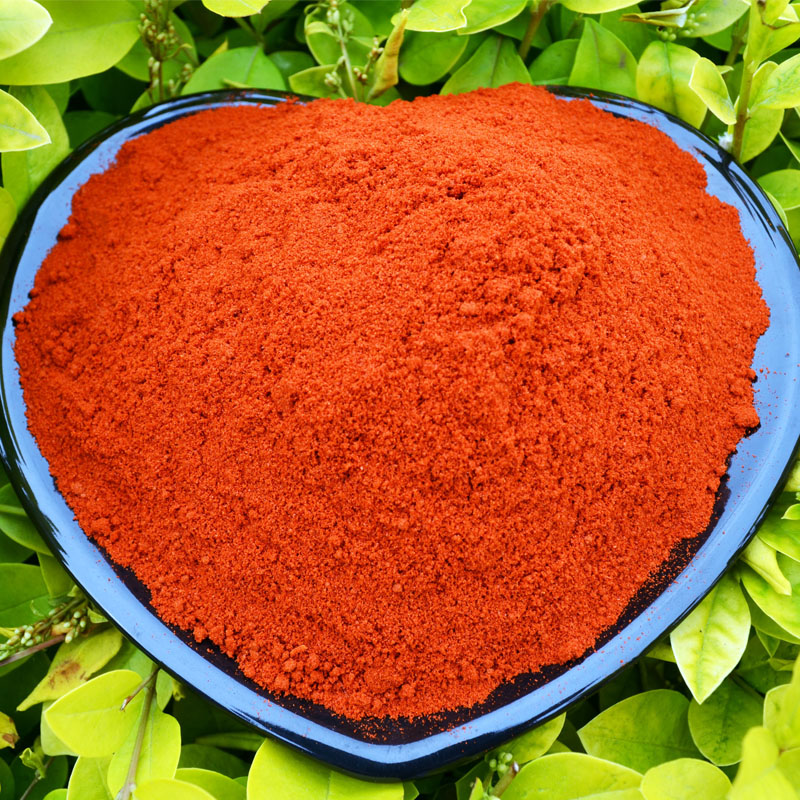
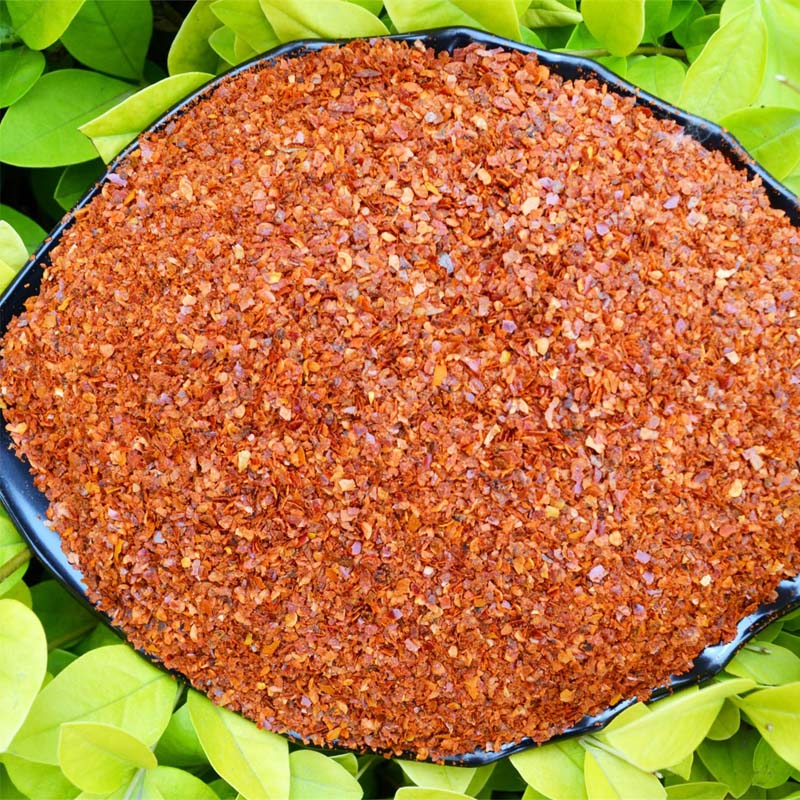
In its simplest form, crushed red pepper is dehydrated, coarsely ground red chili pepper flakes. Unlike finely ground chili powder—which can include seeds and stems blended with other spices—the flakes usually contain flakes of dried pepper with seeds intact, contributing to its distinct heat and crunch. You can find it as a blend from various chili cultivars, commonly cayenne or ancho varieties, dried then crushed to flakes.
Beyond the kitchen, its dried, lightweight nature and long shelf-life make crushed red pepper a globally traded commodity. It’s deeply connected to food preservation practices and culinary traditions that span continents. Oddly enough, it’s also become a favored addition in humanitarian aid food packages, because it helps make staple rations more palatable.
Core Characteristics of High-Quality Crushed Red Pepper
- Heat Level (Scoville Units): Typically ranges between 30,000–50,000 SHU depending on chili type. This defines the spice’s pungency.
- Color and Visual Appeal: Vibrant red flakes with uniformly sized bits signal freshness and good drying practices.
- Moisture Content: Should be below 12% for optimal shelf life and to prevent mold growth.
- Seed Content: Presence of seeds adds texture and contributes to heat, but too many seeds may affect flavor balance.
- Packaging: Air-tight, light-resistant packaging preserves flavor and aroma.
- Origin & Traceability: Knowing the pepper’s region helps with quality prediction; regions like Mexico and India are famed for distinct flavors.
These factors directly affect how crushed red pepper performs in practical uses—from sprinkling on hot dishes to industrial-scale food processing.
Global Applications and Use Cases
Crushed red pepper is far from a mere kitchen afterthought. In Asia, it’s a staple ingredient in Sichuan and Korean cuisines to bring a signature kick. In Mediterranean diets, it adds depth to sauces and marinades. In the U.S., it’s a common condiment on everything from pizzas to Bloody Mary cocktails.
Beyond restaurants and households, commercial food producers use it in spice blends and ready-to-eat meals to enhance flavor profiles without additives. In developing regions, NGOs and aid organizations include crushed red pepper in food aid kits to improve acceptance of staple foods, a little heat renewing appetite and morale in tough conditions.
Quick Spec Table of Typical Crushed Red Pepper
| Specification | Details |
|---|---|
| Chili Variety | Cayenne, Aleppo, or Mexican chilies |
| Heat Level (Scoville Heat Units) | 30,000–50,000 SHU |
| Color | Bright red flakes |
| Moisture Content | Below 12% |
| Seed Content | Moderate, contributes to crunch and heat |
| Packaging | Vacuum-sealed pouches or glass jars |
Vendor Comparison: Leading Crushed Red Pepper Suppliers
| Supplier | Origin | Heat Level | Price (per kg) | Organic Certification |
|---|---|---|---|---|
| SpiceCo | Turkey | 40,000 SHU | $14.50 | Yes |
| RedFlake Ltd. | India | 35,000 SHU | $9.80 | No |
| HotHarvest | Mexico | 45,000 SHU | $16.20 | Yes |
Advantages & Long-Term Value
Honestly, crushed red pepper carries some surprising advantages beyond just taste. For one, it’s incredibly cost-effective; because it’s dried and lightweight, it travels well, reducing logistics costs. Sustainability-wise, it has a long shelf life without refrigeration, which lowers food waste. On a social level, it connects people to tradition, culture, and identity. Many consumers describe a “comfort” in that familiar heat, a small sensory joy in everyday meals.
From a health perspective, capsaicin-rich peppers are researched for benefits in metabolism and pain relief. That aligns well with the rapidly growing interest in functional foods. All told, crushed red pepper combines utility, flavor, and nutrition—a trifecta not every spice nails.
Emerging Trends & Innovations
You might find it interesting that recent advances in agricultural biotech are producing chili varieties with optimized heat and flavor profiles, aiming for higher yield and pest resistance. There’s also innovation in packaging tech, such as nitrogen flushing and resealable, eco-friendly bags that enhance color retention and freshness.
Digitally, supply chain tracking with blockchain technology is starting to take root, aiming to verify authenticity and origin, which matters in premium markets. And as consumers demand transparency, companies are boosting organic certifications and sustainable farming practices—both critical trends moving forward.
Challenges & Solutions
Of course, crushed red pepper production faces challenges too. Weather variability can drastically affect chili yields worldwide. Post-harvest drying processes risk inconsistent moisture control, which threatens shelf life. Also, adulteration with lower quality or even unsafe peppers is sadly a concern in some supply chains.
The best solutions include technology investment in drying infrastructure and moisture testing, plus strong regulatory frameworks supported by reputable testing labs. Partnerships with organizations that certify agricultural practices help ensure quality and build buyer confidence.
Frequently Asked Questions About Crushed Red Pepper
- Q: How do I choose the right crushed red pepper for my cooking?
A: Consider the heat level and flavor profile you want. Some crushed peppers are hotter but less flavorful, while others offer a smoky or fruity note. Also, check packaging date and origin for freshness. - Q: Can crushed red pepper lose its flavor if stored too long?
A: Yes, over time capsaicin and essential oils degrade, especially if exposed to light, heat, or moisture. Store in a cool, dry, airtight container to maximize shelf life, typically around 6–12 months. - Q: Is crushed red pepper safe for people sensitive to nightshade plants?
A: Generally, no. Crushed red pepper comes from Capsicum, a nightshade. Sensitivity varies, so people with allergies or sensitivities should avoid it or consult a healthcare professional. - Q: How is crushed red pepper tested for quality?
A: Quality labs test heat level using Scoville or HPLC methods, moisture content, color stability, and for contaminants like pesticides or molds to ensure safety and flavor.
Conclusion: The Lasting Impact of Crushed Red Pepper
Crushed red pepper may appear simple, but it carries deep global significance—culinary, economic, and cultural. It is a spice that connects farmers, cooks, and consumers worldwide, embodying tradition and innovation in one fiery package. Whether you’re a home cook or a global food supplier, understanding crushed red pepper’s qualities and uses unlocks more than just flavor—it opens a window on a vibrant part of food culture.
For those curious to explore top-quality varieties or add that perfect spicy kick, visit our website: crushed red pepper. There you’ll find premium, carefully sourced flakes for all your culinary adventures.
In the end, it’s the small flakes that pack the big punch—spicing up more than just meals, but lives around the globe.
References
-
Guide to Sourcing and Using Premium Dried Spicy PeppersNewsApr.16,2026
-
Dried Spur Chili Guide to Premium Flavor and Industrial QualityNewsApr.09,2026
-
Exploring the World of Dried Whole Chili Peppers and Their Culinary UsesNewsApr.07,2026
-
Exploring the Culinary World of Dried Whole Chillies and Their Versatile UsesNewsApr.04,2026
-
Exploring the World of Red Dried Chiles and Their Culinary UsesNewsMar.31,2026
-
Exploring the Culinary World of Red Dried Chili Peppers and Their Versatile UsesNewsMar.28,2026
 Afrikaans
 Albanian
 Amharic
 Arabic
 Armenian
 Azerbaijani
 Basque
 Belarusian
 Bengali
 Bosnian
 Bulgarian
 Catalan
 Cebuano
 Corsican
 Croatian
 Czech
Czech
 Danish
 Dutch
Dutch
 Esperanto
 Estonian
 Finnish
 French
 Frisian
 Galician
 Georgian
 German
 Greek
Greek
 Gujarati
 Haitian Creole
 Hausa
Hausa
 Hawaiian
 Hebrew
 Hindi
Hindi
 Miao
Miao
 Hungarian
 Icelandic
 Igbo
Igbo
 Indonesian
 Irish
Irish
 Italian
 Japanese
 Javanese
 Kannada
 Kazakh
 Khmer
Khmer
 Rwandese
 Korean
 Kurdish
 Kyrgyz
 Lao
Lao
 Latin
Latin
 Latvian
 Lithuanian
 Luxembourgish
 Macedonian
 Malgashi
 Malay
Malay
 Malayalam
 Maltese
 Maori
Maori
 Marathi
 Mongolian
 Myanmar
 Nepali
 Norwegian
 Norwegian
 Occitan
 Pashto
 Persian
 Polish
 Portuguese
 Punjabi
 Romanian
 Russian
 Samoan
 Scottish Gaelic
 Serbian
 Sesotho
 Shona
Shona
 Sindhi
 Sinhala
 Slovak
 Slovenian
 Somali
 Spanish
 Sundanese
 Swahili
 Swedish
 Tagalog
 Tajik
Tajik
 Tamil
Tamil
 Tatar
Tatar
 Telugu
 Thai
Thai
 Turkish
 Turkmen
 Ukrainian
 Urdu
Urdu
 Uighur
 Uzbek
Uzbek
 Vietnamese
 Welsh
Welsh
 Bantu
Bantu
 Yiddish
 Yoruba
 Zulu
Zulu
 English