- No. 268 Xianghe Street, Economic Development Zone of Xingtai city, Hebei 054001 China
- Byron@hbhongri.cn
Different Paprikas: Exploring Global Varieties, Uses & Benefits
Understanding Different Paprikas: A Global Culinary and Industrial Spice
Paprika is more than just a vibrant red dust sprinkled on your deviled eggs—it is a spice with a fascinating global footprint. When we talk about different paprikas, we're diving beyond the surface into varied types that shape not only cuisines but also socio-economic landscapes. Understanding these subtleties matters globally: food industries, farmers, exporters, and even humanitarian organizations rely on the nuances of paprika varieties for flavor, trade, and sustainability. In this article, we'll explore why knowing the different paprikas can spice up your culinary life and help you grasp a vital economic commodity in modern times.
The Global Stage of Paprika: Connecting Flavor, Economy, and Culture
Paprika is estimated to be produced at approximately 300,000 tons annually worldwide, with major producers like Spain, Hungary, and the USA leading the pack (FAO, 2022). This powerful spice has a rich history dating back centuries, yet today it’s a multi-million-dollar industry influencing millions of livelihoods. According to the International Pepper Community, paprika’s demand is expected to grow by 4-5% annually, driven largely by the global appetite for ethnic cuisines and processed foods.
But here’s the kicker — while demand grows, differing qualities and types of paprika create challenges for consistency, pricing, and supply chain traceability. This is where understanding the different paprikas becomes vital for traders, chefs, and even policy makers focusing on fair trade and food safety.
What Exactly Are Different Paprikas?
Simply put, the phrase “different paprikas” refers to distinct varieties of dried and ground pepper pods from the Capsicum annuum species, varying by origin, heat level, color, and processing methods. Paprika ranges from sweet and mild to smoky and fiery, fundamentally influencing its culinary and industrial uses.
While often associated with dishes like Hungarian goulash or Spanish chorizo, paprika’s significance extends beyond your kitchen pot. Its cultivation, harvesting, and processing are central to rural economies and export markets. Moreover, modern industry depends on paprika-derived products for food colorants, seasonings, and even health supplements — a link bridging traditional agriculture with contemporary industrial needs.
Key Characteristics: What Makes Paprikas Different?
1. Flavor Profile
Not all paprikas taste alike. There are sweet paprikas, which dominate Spanish cuisine, and hot varieties prevalent in Eastern Europe. The presence of capsaicin and moisturizing levels in the pepper pods give each type its signature heat and aroma.
2. Color Intensity and Hue
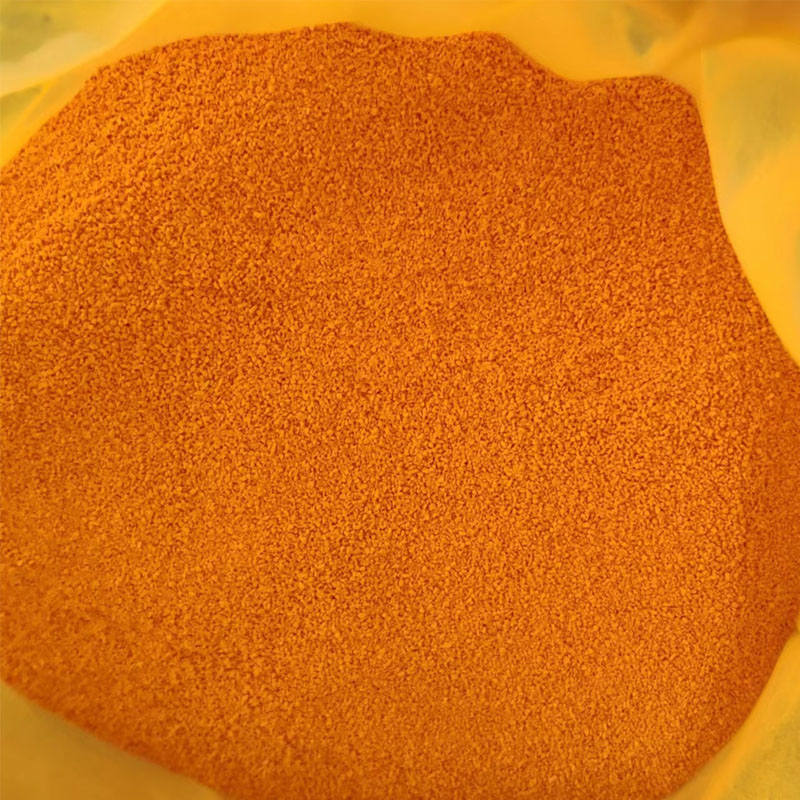
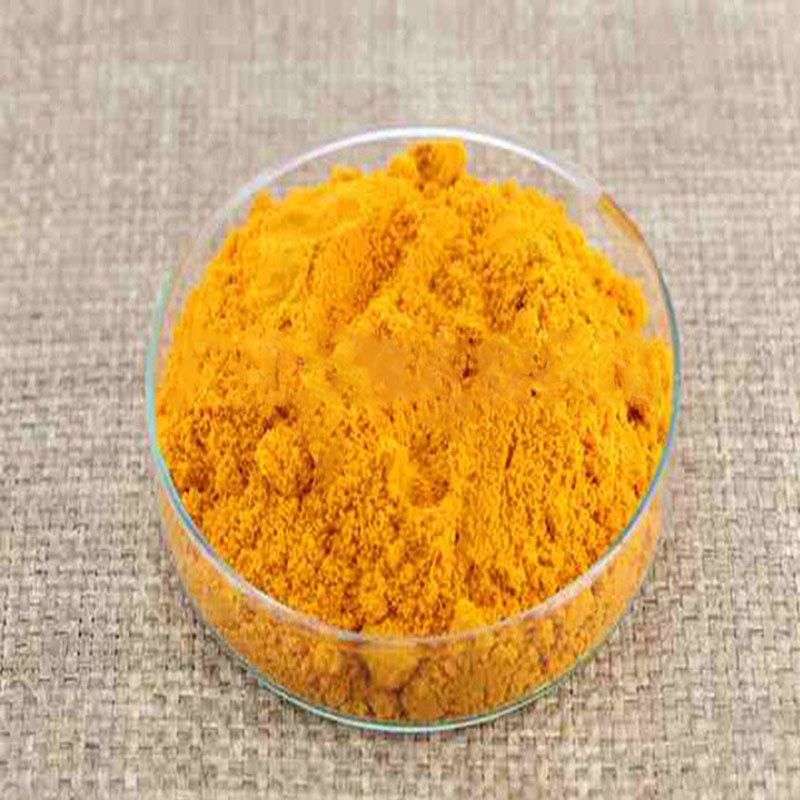
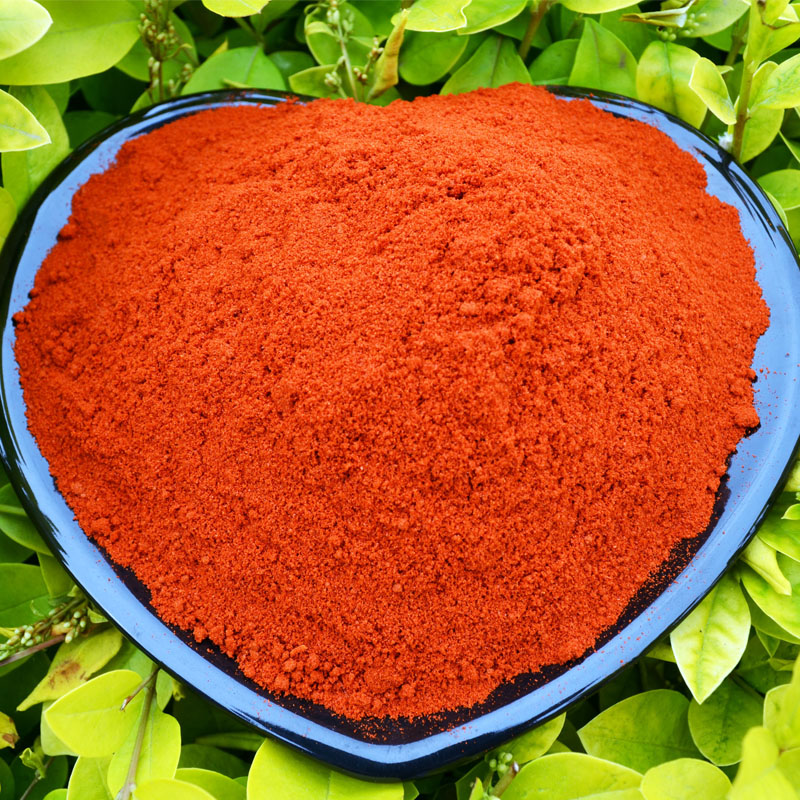
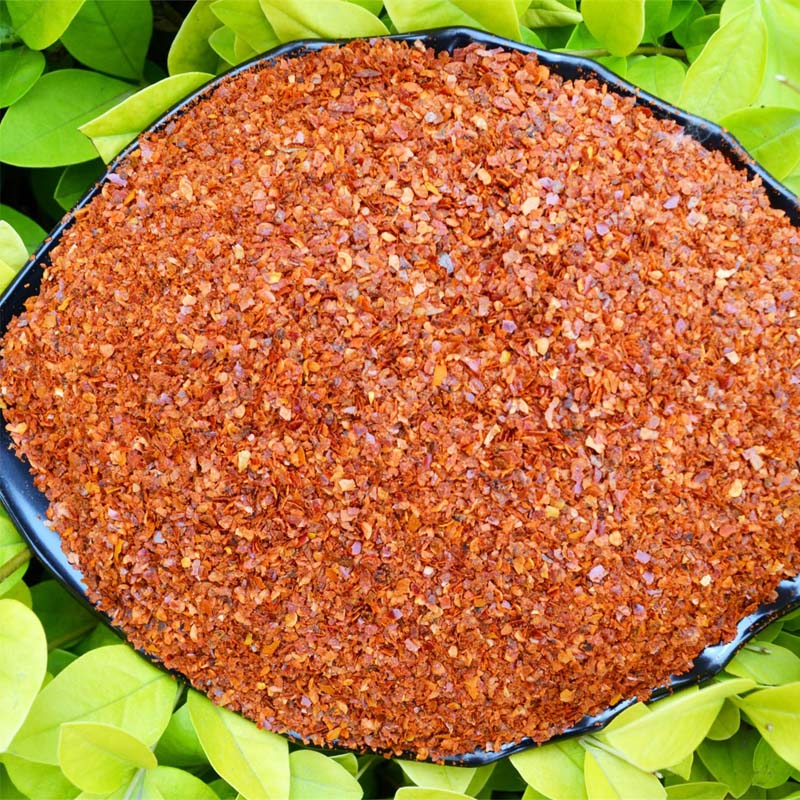
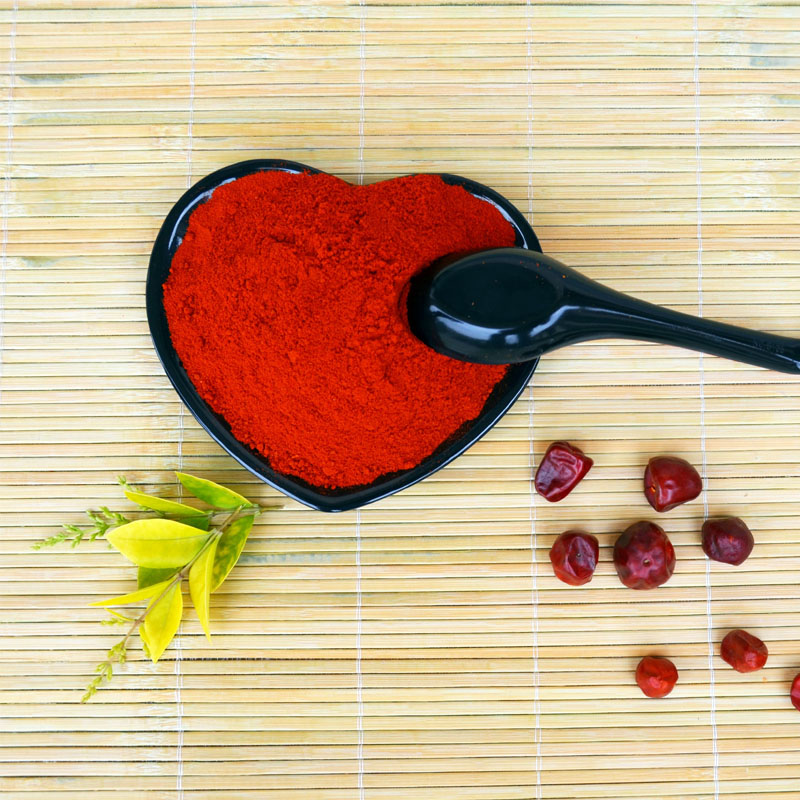
Depending on drying and grinding, paprika powders can appear bright red, orange, or deep maroon. The color not only influences presentation but also indicates oxidative stability, crucial in processed foods.
3. Processing Method
Paprika can be smoked (e.g., Spanish Pimentón de la Vera), sun-dried, or mechanically dried. Each method impacts aroma, shelf life, and even nutritional content.
4. Geographic Origin
Paprikas hail from regions with distinctive terroirs. Hungarian, Spanish, and American paprikas showcase unique climatic influences driving differences in taste and market value.
5. Heat Level (Scoville Units)
From mild sweet types (0–500 SHU) to hot ones exceeding 10,000 SHU, heat level selection is critical based on application — be it mild sauces or spicy snacks.
6. Usage Adaptability
Some paprikas are better suited for culinary uses; others, due to their color or extraction potential, fit industrial food processing or pharmaceutical use.
Real-World Applications of Different Paprikas
Paprika is a star player in food manufacturing, agriculture, and even humanitarian food aid. Its application stretches from vibrant kitchen tables to global supply chains.
- Food Industry: Used in sauces, snacks, and ready meals worldwide, paprika type dictates flavor profiles and freshness retention.
- Agriculture & Trade: Countries like Hungary rely heavily on export-oriented paprika farming, impacting rural economies.
- Humanitarian Aid: Nutritional powders blended with paprika variations support food security in emergency contexts.
- Cosmetics & Health Supplements: Extracts from paprika are also prized for their antioxidant properties.
For instance, NGOs supplying nutritional aid in East Africa often prefer sweet paprika powders for palatability, while industrial kitchens in Spain demand the smokey Pimentón de la Vera for authentic flavor. Oddly enough, a single spice achieves these very different outcomes.
Product Specification Table: Popular Paprika Types Compared
| Paprika Type | Origin | Color (Red Tone) | Flavor Profile | Heat Level (SHU) | Common Use |
|---|---|---|---|---|---|
| Hungarian Sweet | Hungary | Bright Red | Mild, sweet | 0–500 | Soups, stews |
| Spanish Pimentón de la Vera | Spain | Deep Red | Smokey, medium | 500–1,500 | Chorizo, grilled dishes |
| California Mild | USA | Orange-Red | Sweet, mild | 0–300 | Snacks, seasoning |
| Hot Hungarian | Hungary | Reddish Brown | Spicy, hot | 1,500–5,000 | Spicy sauces, rubs |
Vendor Comparison: Paprika Suppliers at a Glance
| Vendor | Origin | Quality Certification | Annual Capacity (tons) | Specialization | Export Markets |
|---|---|---|---|---|---|
| Paprika World Hungary | Hungary | ISO 22000, Organic | 1,200 | Sweet & hot varieties | EU, USA, Japan |
| Pimentón de la Vera Co. | Spain | PDO (Protected Designation) | 800 | Smoked paprika | EU, Mexico |
| California Spice Traders | USA | FDA Approved | 1,500 | Mild, industrial-grade | USA, Canada |
Why Choose the Right Paprika? Advantages & Value
- Cost Efficiency: Bulk sourcing of suited paprika types balances flavor expectations with budget constraints.
- Sustainability: Selecting paprikas from certified organic farms supports eco-friendly agriculture and fair wages.
- Nutritional & Social Impacts: Its antioxidants and vitamins, combined with smallholder economic benefits, improve community resilience.
- Reliability & Trust: Consistent product quality strengthens brand integrity in global markets.
- Culinary Innovation: Different varieties inspire recipe development and market differentiation.
The Future of Paprika: Innovation and Sustainability
Fast forward a few years, and the paprika industry is moving toward more traceability using blockchain, reducing carbon footprints with solar drying techniques, and harnessing digital agriculture technologies to optimize yields. Meanwhile, researchers are developing paprika cultivars resistant to drought and pests, which will transform production in vulnerable climates.
Oddly enough, as we digitize and automate, this centuries-old spice is riding a wave of green and tech-forward innovation without losing its traditional soul.
Challenges & Creative Solutions in Paprika Trade
The paprika supply chain isn’t without its bumps. Variability in quality, susceptibility to climate change, and complex export regulations can trip up even seasoned importers and exporters. One common challenge is maintaining consistent flavor while scaling production. Another is ensuring fair profits for smallholder farmers amidst rising input costs.
Solutions? Companies are increasingly investing in direct trade networks, advanced quality testing, and farmer training programs. New packaging materials that extend freshness also help reduce waste.
FAQ: Frequently Asked Questions About Different Paprikas
Q1: How do I choose the right paprika for my recipe?
Consider the flavor profile and heat level you require. Sweet paprika suits delicate dishes, while smoked types add depth to grilled or stew recipes. Also, check the color intensity if presentation matters. If you want to explore more, visit different paprikas for detailed usage notes.
Q2: Are smoked paprikas healthier than regular ones?
Smoked paprika offers similar antioxidant benefits but adds a distinctive flavor from its drying process. The smoke imparts phenolic compounds that may have antimicrobial properties. However, nutritional differences aren't drastic enough to label one healthier outright.
Q3: Can paprika powder be stored long-term?
Yes, if stored in airtight, dark containers away from heat and moisture, paprika can last up to 12 months. Over time, flavor and color degrade, so it’s best to purchase in quantities that you will use relatively quickly.
Q4: How does paprika support smallholder farmers?
Paprika cultivation is a key income source in regions like Hungary and India. Certification programs ensure fair wages, and international demand helps sustain rural economies while encouraging sustainable practices.
Wrapping Up: Spicing Your Knowledge with the Right Paprika
So yes, different paprikas aren’t just a kitchen curiosity. They shape global food culture, boost economies, and face exciting innovations ahead. Whether you’re a chef, supplier, or curious consumer, appreciating paprika’s variety brings new layers of flavor — and meaning — to the table.
For those eager to explore world-class varieties, recipes, and trade opportunities, do visit us at Hongri Spice — where the spice story continues beyond the ordinary.
References:
- Food and Agriculture Organization (FAO), Annual spice production data, 2022.
- Paprika - Wikipedia, accessed June 2024.
- International Organization for Standardization (ISO), Food safety standards.
-
Guide to Sourcing and Using Premium Dried Spicy PeppersNewsApr.16,2026
-
Dried Spur Chili Guide to Premium Flavor and Industrial QualityNewsApr.09,2026
-
Exploring the World of Dried Whole Chili Peppers and Their Culinary UsesNewsApr.07,2026
-
Exploring the Culinary World of Dried Whole Chillies and Their Versatile UsesNewsApr.04,2026
-
Exploring the World of Red Dried Chiles and Their Culinary UsesNewsMar.31,2026
-
Exploring the Culinary World of Red Dried Chili Peppers and Their Versatile UsesNewsMar.28,2026
 Afrikaans
 Albanian
 Amharic
 Arabic
 Armenian
 Azerbaijani
 Basque
 Belarusian
 Bengali
 Bosnian
 Bulgarian
 Catalan
 Cebuano
 Corsican
 Croatian
 Czech
Czech
 Danish
 Dutch
Dutch
 Esperanto
 Estonian
 Finnish
 French
 Frisian
 Galician
 Georgian
 German
 Greek
Greek
 Gujarati
 Haitian Creole
 Hausa
Hausa
 Hawaiian
 Hebrew
 Hindi
Hindi
 Miao
Miao
 Hungarian
 Icelandic
 Igbo
Igbo
 Indonesian
 Irish
Irish
 Italian
 Japanese
 Javanese
 Kannada
 Kazakh
 Khmer
Khmer
 Rwandese
 Korean
 Kurdish
 Kyrgyz
 Lao
Lao
 Latin
Latin
 Latvian
 Lithuanian
 Luxembourgish
 Macedonian
 Malgashi
 Malay
Malay
 Malayalam
 Maltese
 Maori
Maori
 Marathi
 Mongolian
 Myanmar
 Nepali
 Norwegian
 Norwegian
 Occitan
 Pashto
 Persian
 Polish
 Portuguese
 Punjabi
 Romanian
 Russian
 Samoan
 Scottish Gaelic
 Serbian
 Sesotho
 Shona
Shona
 Sindhi
 Sinhala
 Slovak
 Slovenian
 Somali
 Spanish
 Sundanese
 Swahili
 Swedish
 Tagalog
 Tajik
Tajik
 Tamil
Tamil
 Tatar
Tatar
 Telugu
 Thai
Thai
 Turkish
 Turkmen
 Ukrainian
 Urdu
Urdu
 Uighur
 Uzbek
Uzbek
 Vietnamese
 Welsh
Welsh
 Bantu
Bantu
 Yiddish
 Yoruba
 Zulu
Zulu
 English