- No. 268 Xianghe Street, Economic Development Zone of Xingtai city, Hebei 054001 China
- Byron@hbhongri.cn
Exploring the Culinary World of Cooking with Paprika and its Versatile Uses
Delicious Dishes: Exploring the World of Cooking with Paprika
Paprika, derived from dried peppers of the Capsicum annuum family, is more than just a vibrant spice – it’s a culinary cornerstone across countless cultures. From the hearty stews of Hungary to the smoky flavors of Spanish cuisine, paprika adds depth, color, and a subtle kick to a wide array of dishes. This article delves into the fascinating world of cooking with paprika, exploring its varieties, uses, and tips for achieving the best flavor in your kitchen. Discover how to elevate your meals with this versatile spice, and learn where to find high-quality paprika for truly exceptional results.
Understanding the Different Types of Paprika
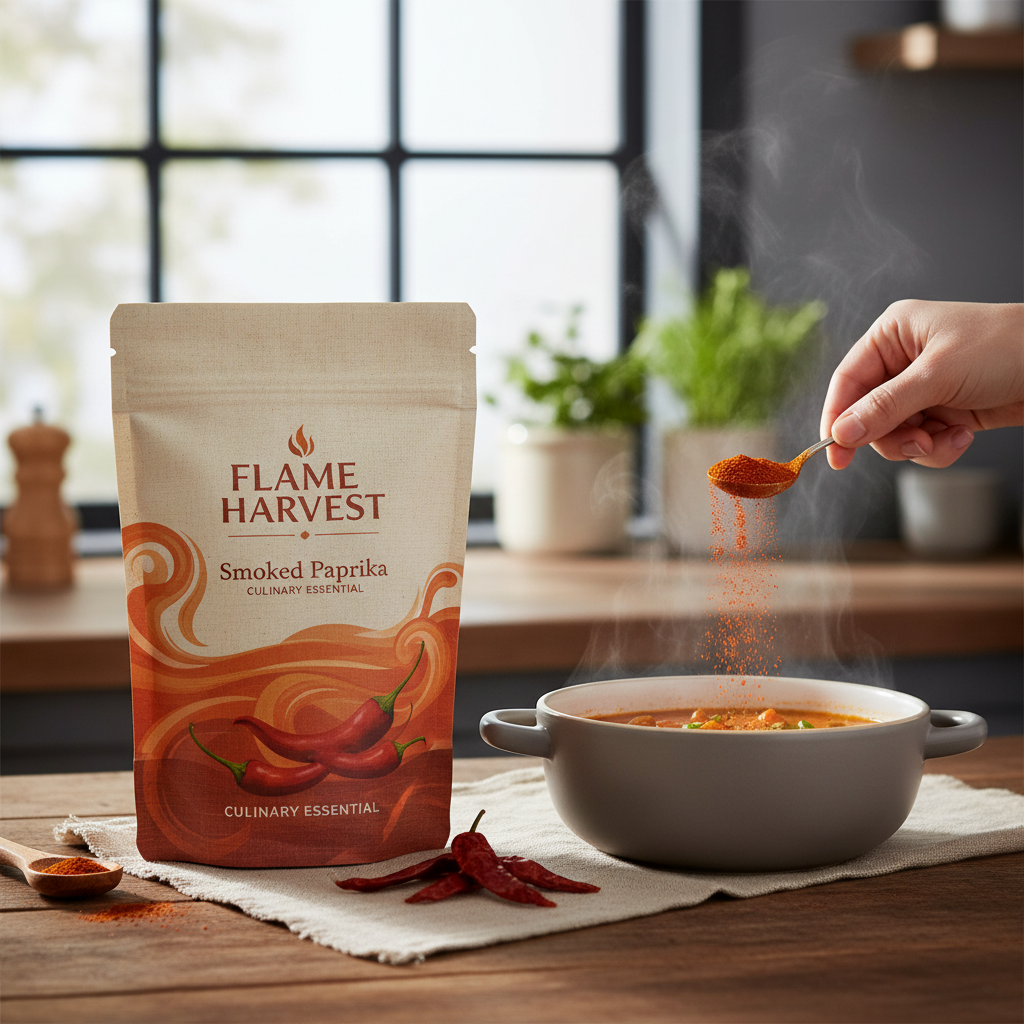
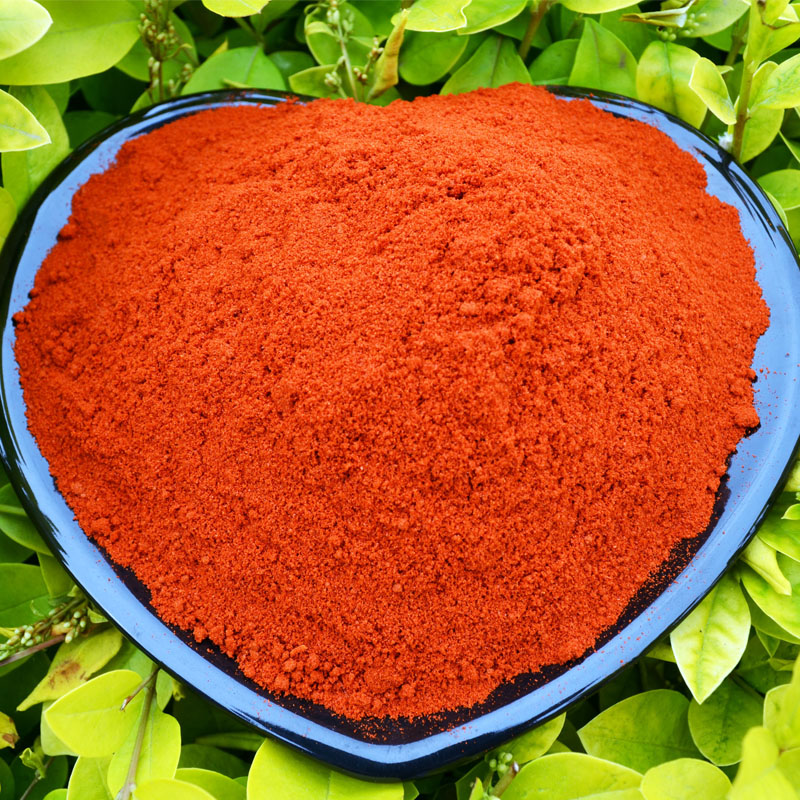
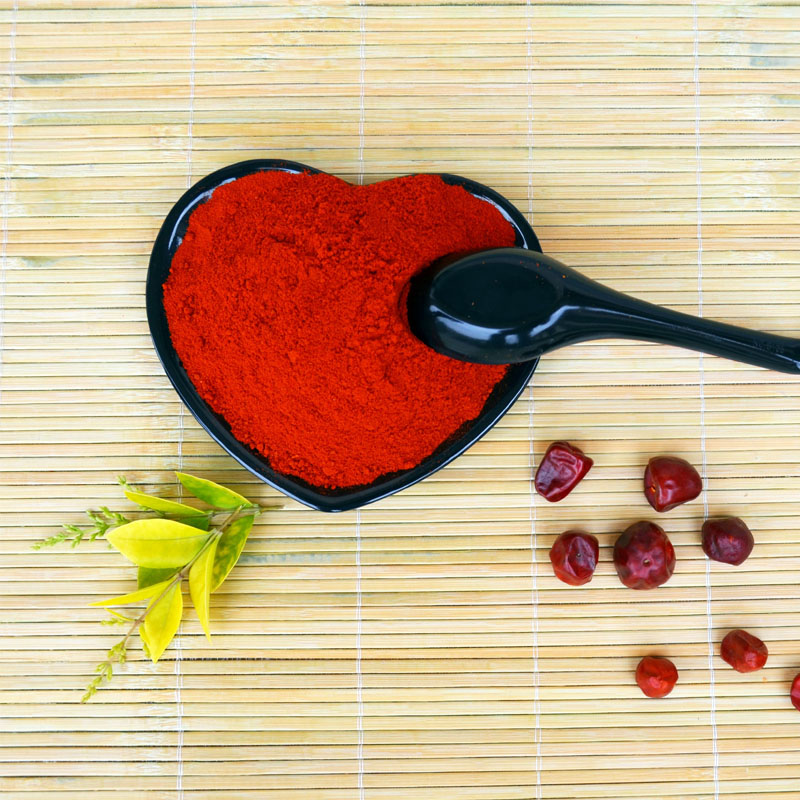
Not all paprikas are created equal! The spice comes in a spectrum of flavors and heat levels, depending on the peppers used and the processing method. Sweet paprika, made from mild peppers, offers a fruity, slightly sweet flavor. Smoked paprika, created by drying the peppers over oak fires, imparts a rich, smoky aroma. Hot paprika, naturally, brings a fiery punch, and can range from mildly spicy to intensely hot. Hungarian paprika is particularly renowned for its quality and complexity, boasting eight distinct grades, each with unique flavor profiles. Knowing these differences is key to choosing the right paprika for your recipe. Hongri Spice offers a curated selection of premium paprika varieties to suit every palate.
Key Paprika Varieties: Sweet, Smoked, Hot, Hungarian (various grades).
Culinary Applications: How to Use Paprika in Your Cooking
Paprika is incredibly versatile. It’s a staple in Hungarian goulash, Spanish paella, and Moroccan tagines. It's fantastic as a rub for meats before grilling or roasting, adding color and flavor. Sprinkle it over deviled eggs for a classic touch, or add it to soups and stews for depth. Experiment with it in spice blends, marinades, and even as a garnish. Smoked paprika is particularly delicious when added to barbecue sauces or sprinkled over roasted potatoes. For a subtle warmth, use sweet paprika in cream sauces or sprinkle it over vegetables. The possibilities are endless!
Paprika Uses:
• Rub for meats (chicken, pork, beef)
• Spice blend ingredient
• Garnish for soups, stews, and eggs
• Flavor enhancer for sauces and marinades
Paprika Flavor Profiles: A Comparative Look
Understanding the flavor differences between paprika varieties can dramatically improve your cooking. Here’s a quick comparison to help you choose:
Tips for Maximizing Paprika's Flavor
To get the most out of your paprika, store it in an airtight container in a cool, dark place. Light and heat can diminish its flavor and color. Avoid buying paprika in bulk unless you're certain you'll use it quickly. Freshly ground paprika has the most intense flavor. Bloom paprika in oil or fat at the beginning of cooking to release its aromas. Be mindful of the heat level when substituting different paprika varieties – adjust the quantity accordingly.
Product Spotlight: Hongri Spice Paprika
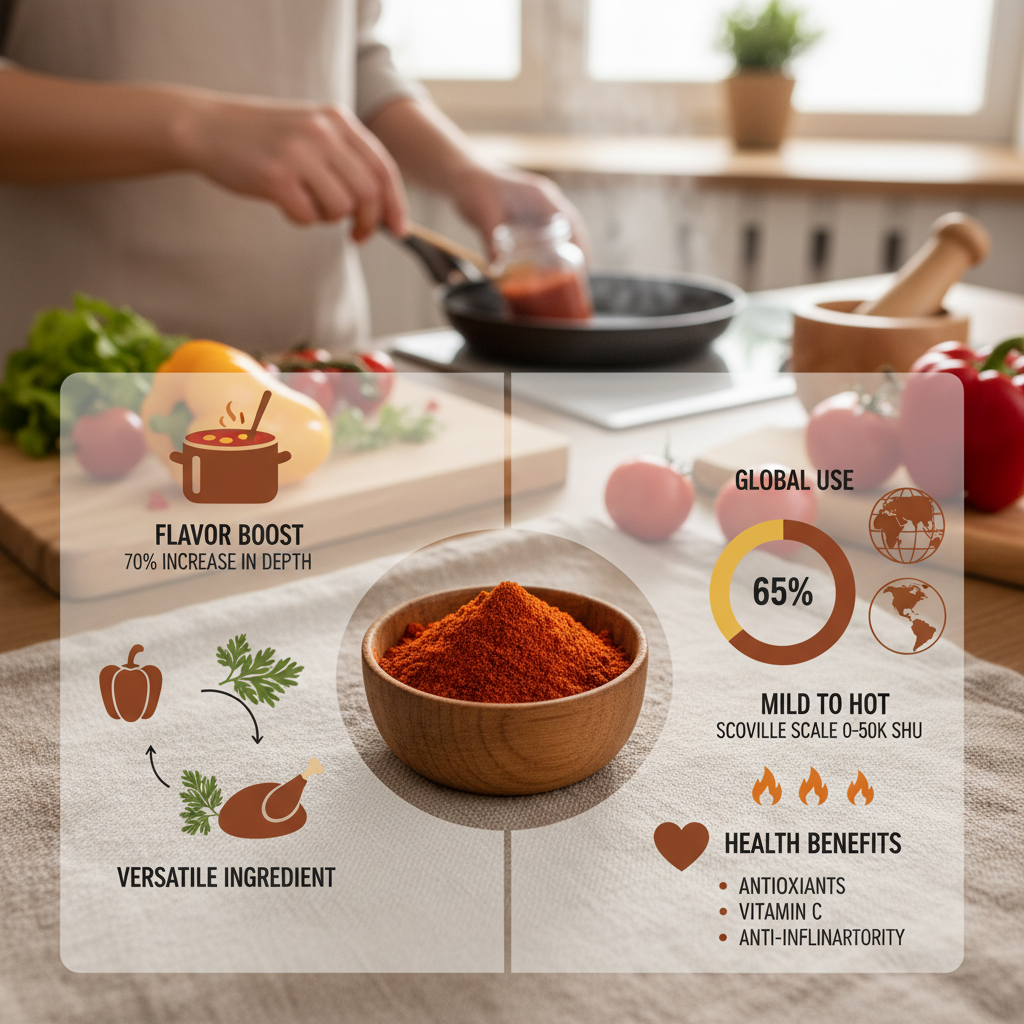
At Hongri Spice, we are dedicated to sourcing the finest paprika from around the world. Our paprika is carefully selected for its superior flavor, aroma, and color. We offer a variety of options, including sweet, smoked, and hot paprika, as well as authentic Hungarian paprika.
Conclusion: Embrace the Flavor of Paprika!
Cooking with paprika is a journey of flavor discovery. Whether you're a seasoned chef or a home cook, this vibrant spice can elevate your dishes to new heights. Explore the different varieties, experiment with its uses, and source high-quality paprika from a trusted supplier like Hongri Spice. Happy cooking!
Frequently Asked Questions (FAQs)
What is the best way to store paprika to maintain its freshness?
Paprika is sensitive to light, heat, and air. To preserve its color and flavor, store it in an airtight container, preferably glass, in a cool, dark, and dry place. Avoid storing it near the stove or in direct sunlight. Properly stored paprika can retain its quality for up to a year, though the flavor will gradually diminish over time. Discard it if it loses its aroma or becomes dull in color. Don't store it above the stove, as the heat and humidity will degrade it quickly.
Can I substitute one type of paprika for another in a recipe?
Sometimes, but with caution! Sweet paprika can generally be substituted for mild paprika. However, substituting hot paprika for sweet paprika will significantly increase the spice level. Smoked paprika is unique and can't be easily substituted, as it contributes a distinct smoky flavor. If a recipe calls for a specific type of Hungarian paprika, it's best to use that variety to achieve the authentic flavor. When in doubt, start with a smaller amount and adjust to taste.
What's the difference between Hungarian and Spanish paprika?
Hungarian paprika is known for its complexity and range of flavors, with eight distinct grades based on heat and sweetness. Spanish paprika, particularly Pimentón de la Vera, is typically smoked over oak wood, imparting a deep, smoky flavor. Both are excellent, but they offer different flavor profiles. Hungarian paprika is often fruitier, while Spanish paprika is more robust and smoky. The best choice depends on the desired flavor in your dish. You can find both incredible varieties at Hongri Spice.
How can I tell if my paprika is still fresh?
Fresh paprika should have a vibrant red color and a strong, characteristic aroma. If the color has faded significantly, or the aroma is weak or non-existent, it’s likely past its prime. You can also rub a small amount between your fingers – fresh paprika should release a noticeable fragrance. If it tastes stale or bland, it’s time to replace it.
-
Guide to Sourcing and Using Premium Dried Spicy PeppersNewsApr.16,2026
-
Dried Spur Chili Guide to Premium Flavor and Industrial QualityNewsApr.09,2026
-
Exploring the World of Dried Whole Chili Peppers and Their Culinary UsesNewsApr.07,2026
-
Exploring the Culinary World of Dried Whole Chillies and Their Versatile UsesNewsApr.04,2026
-
Exploring the World of Red Dried Chiles and Their Culinary UsesNewsMar.31,2026
-
Exploring the Culinary World of Red Dried Chili Peppers and Their Versatile UsesNewsMar.28,2026
 Afrikaans
 Albanian
 Amharic
 Arabic
 Armenian
 Azerbaijani
 Basque
 Belarusian
 Bengali
 Bosnian
 Bulgarian
 Catalan
 Cebuano
 Corsican
 Croatian
 Czech
Czech
 Danish
 Dutch
Dutch
 Esperanto
 Estonian
 Finnish
 French
 Frisian
 Galician
 Georgian
 German
 Greek
Greek
 Gujarati
 Haitian Creole
 Hausa
Hausa
 Hawaiian
 Hebrew
 Hindi
Hindi
 Miao
Miao
 Hungarian
 Icelandic
 Igbo
Igbo
 Indonesian
 Irish
Irish
 Italian
 Japanese
 Javanese
 Kannada
 Kazakh
 Khmer
Khmer
 Rwandese
 Korean
 Kurdish
 Kyrgyz
 Lao
Lao
 Latin
Latin
 Latvian
 Lithuanian
 Luxembourgish
 Macedonian
 Malgashi
 Malay
Malay
 Malayalam
 Maltese
 Maori
Maori
 Marathi
 Mongolian
 Myanmar
 Nepali
 Norwegian
 Norwegian
 Occitan
 Pashto
 Persian
 Polish
 Portuguese
 Punjabi
 Romanian
 Russian
 Samoan
 Scottish Gaelic
 Serbian
 Sesotho
 Shona
Shona
 Sindhi
 Sinhala
 Slovak
 Slovenian
 Somali
 Spanish
 Sundanese
 Swahili
 Swedish
 Tagalog
 Tajik
Tajik
 Tamil
Tamil
 Tatar
Tatar
 Telugu
 Thai
Thai
 Turkish
 Turkmen
 Ukrainian
 Urdu
Urdu
 Uighur
 Uzbek
Uzbek
 Vietnamese
 Welsh
Welsh
 Bantu
Bantu
 Yiddish
 Yoruba
 Zulu
Zulu
 English