- No. 268 Xianghe Street, Economic Development Zone of Xingtai city, Hebei 054001 China
- Byron@hbhongri.cn
Mastering Homemade Chili Powder Seasoning for Authentic Flavor & Health
Understanding Homemade Chili Powder Seasoning: A Flavorful Global Favorite
Let’s be honest: chili powder isn’t just a spice, it’s a cultural experience. The idea of homemade chili powder seasoning has been passing through kitchens worldwide for centuries — and with good reason. This simple blend not only adds heat but also tells stories of terrains, traditions, and tastes. In a world constantly hungry for authenticity and natural solutions, knowing how to make your own chili powder blends offers practical benefits: better control of ingredients, cost savings, and of course, that unbeatable fresh flavor.
Why Homemade Chili Powder Seasoning Matters Globally
Food trends these days are echoing one clear message: consumers want transparency and quality. Globally, chili peppers are cultivated over 2.5 million hectares, with major production centers in India, Mexico, and China — according to the Food and Agriculture Organization (FAO). Yet, the powdered blends sold on shelves often contain additives, lost flavor nuances, or worse — preservatives that don’t sit well with conscious eaters.
In addition to culinary preferences, homemade chili powder seasoning aligns with rising sustainable lifestyle practices. Consider regions where food preservation is challenging — having saveable, homemade spice blends supports food security by enhancing staple diets affordably. Whether you are a small food business owner or just a home cook curious about the chemistry of spice, this knowledge directly influences health, culture, and economy.
Mini Takeaway:
Learning to create your own chili powder blend isn't just kitchen wizardry; it taps into global agricultural routes, sustainability trends, and better nutrition.
What Exactly Is Homemade Chili Powder Seasoning?
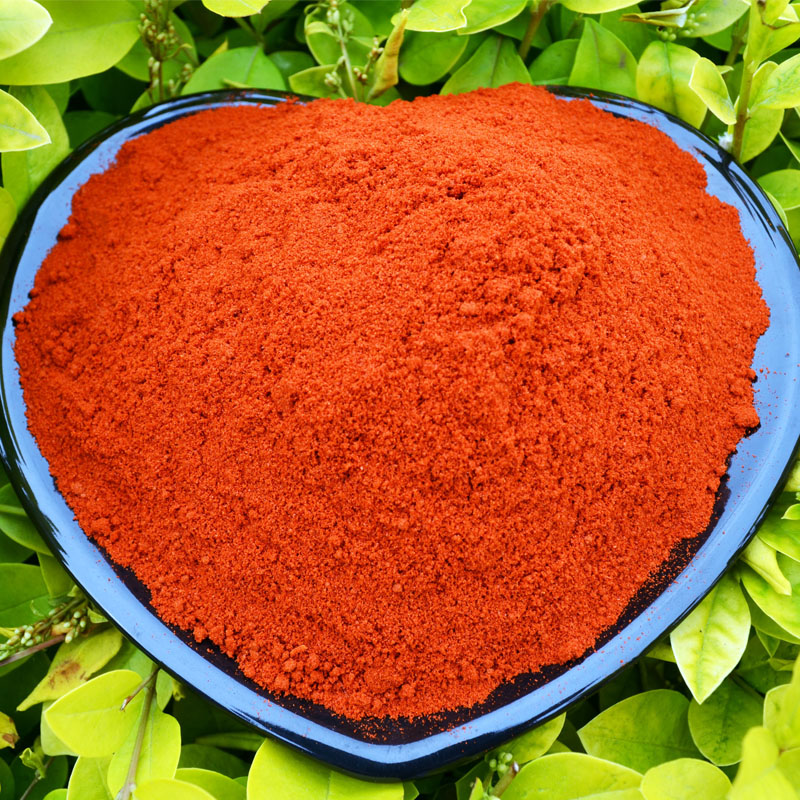
At its core, homemade chili powder seasoning is simply a mixture of dried ground chili peppers combined with other complementary spices like cumin, garlic powder, and oregano. Unlike commercial products, these blends are crafted personally or artisanally, often adjusting the ratio of components to suit preference or regional styles. Typically originating from traditional recipes, this seasoning is a cornerstone ingredient in many cuisines — from Tex-Mex staples to vibrant Indian dishes.
Interestingly, homemade chili powder also connects to the humanitarian sector, where spice mixes can be produced locally to support nutrition in food aid packages — a small but crucial way to improve food quality in crisis regions.
Key Components of a Quality Homemade Chili Powder Seasoning
1. Choice of Chili Peppers
The starting point, naturally, is the chili itself. The pepper type defines the heat level, aroma, and color. For instance, ancho chilies give earthiness, cayenne offers sharp heat, while chipotle brings smokiness. Selecting the right pepper considerably shifts the seasoning profile.
2. Spice Blend Composition
Most enthusiasts add a mix of complementary spices — cumin, garlic powder, oregano, paprika — to build complexity. These ingredients must be balanced to enhance heat and depth without overpowering.
3. Freshness and Drying Technique
Drying peppers at low temperatures preserves volatile oils that carry essential aroma, which flakes or powders from industrial equipment often lose. Homemade versions usually employ sun-drying or gentle oven methods.
4. Grinding Method and Consistency
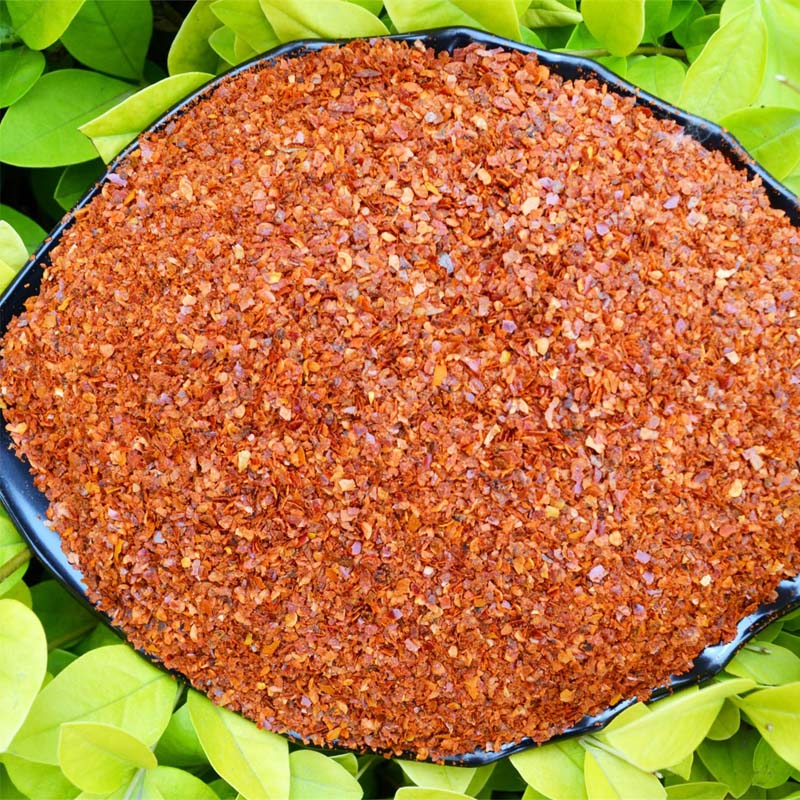
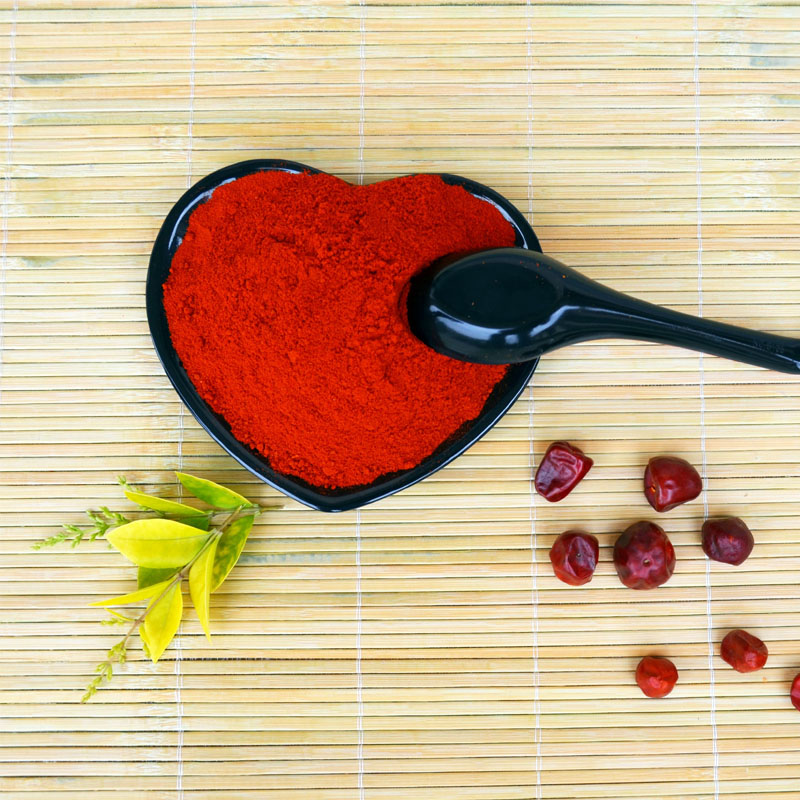
Grinding spices at home allows for control over texture, from coarse flakes to fine powder, affecting how the seasoning melds into dishes.
Product Specification Table: Typical Homemade Chili Powder Seasoning Blend
| Component | Typical Ratio (%) | Flavor Role |
|---|---|---|
| Dried Chili Powder (e.g., cayenne, ancho) | 65–75% | Heat and color base |
| Cumin Powder | 10–15% | Earthy, smoky notes |
| Garlic Powder | 5–8% | Savory depth |
| Oregano (Ground) | 3–5% | Herbal brightness |
| Paprika | 3–7% | Sweet, smoky undertone |
Mini Takeaway:
A perfectly balanced homemade chili powder seasoning depends not just on chili heat, but on aromatic blends carefully crafted.
How Homemade Chili Powder Seasoning Finds Its Way Worldwide
In real terms, these spice mixes show up everywhere. In South Asia and Latin America, small farmers produce handmade blends that fuel local markets and festivals. In North America and Europe, foodie communities are embracing these blends DIY-style, often turning to homemade chili powder seasoning recipes online.
Humanitarian organizations often include spice packs in food relief to encourage meal enjoyment — surprisingly effective for mental health during crises. Certain NGOs promote local spice production to empower women entrepreneurs in rural settings, intertwining nutrition and economic opportunity.
And let’s not forget small-scale restaurants and food trucks adapting regional chili powders to create signature flavors. It’s a literal pinch of home, wherever you are.
The Lasting Advantages of Homemade Chili Powder Seasoning
- Cost-Effectiveness: Sourcing dried peppers and grinding fresh often costs less than store-bought blends.
- Freshness: Homemade mixes preserve aromatic oils that pre-packaged powders lose quickly.
- Customization: Tailor heat levels and spice profiles exactly how you like.
- Natural Ingredients: Avoid preservatives, artificial colors, or fillers.
- Sustainability: Often uses locally grown peppers, reducing transport emissions.
- Cultural Preservation: Keeps heritage recipes alive and fosters culinary identity.
Future Flavors: What’s Next for Homemade Chili Powder Seasoning?
While chili production is ancient, innovation is stirring. Biotechnologists are exploring ways to cultivate peppers with higher flavor and nutrient density — think natural reds with intensified antioxidants. On the supply chain front, blockchain might ensure authentic origin claims and fair trade certification for small farmers supplying homemade blends worldwide.
Digital platforms increasingly connect home cooks and artisans, sharing recipes, drying techniques, and sourcing tips. Automation in small-scale spice processing improves consistency while maintaining artisan style — a rare blend of old and new.
And as interest in sustainable food grows, expect more zero-waste drying methods and reusable packaging to keep homemade chili powder seasoning as green as it is fiery.
Challenges in Crafting Homemade Chili Powder and How to Overcome Them
Not everything is sunshine and spice. Maintaining consistent heat levels can be tricky, especially when peppers vary seasonally. Controlling moisture to avoid mold or caking is another hurdle in home kitchens without commercial dryers.
The solution? Many home chefs swear by using a food dehydrator and airtight, moisture-absorbing storage. Calibration is key: weighing ingredients accurately and recording each batch's outcome leads to constant improvement.
Also, while some ingredients may be locally scarce, swapping similar spices is perfectly acceptable — flexibility is part of the charm!
Mini Takeaway:
A little patience, decent drying equipment, and experimentation can turn challenges into signature homemade chili powder blends.
Vendor Comparison Table: Popular Store-bought vs Homemade Chili Powder Seasonings
| Criterion | Store-Bought Blends | Homemade Chili Powder |
|---|---|---|
| Ingredient Transparency | Limited; may include additives | Complete control; no additives |
| Flavor Freshness | Often stale due to long shelf-life | Freshly ground; more aromatic |
| Customization | None; fixed blends only | Adjustable ratios and heat |
| Sustainability | Mass production; higher carbon footprint | Often local sourcing; lower footprint |
| Cost | Generally more expensive per use | Cheaper in bulk; economical over time |
Common Questions About Homemade Chili Powder Seasoning
Q1: How do I adjust the heat level when making my own chili powder?
A1: It's all about the chili pepper variety. Use milder peppers like guajillo or ancho for less heat, or cayenne and habanero for more. You can also mix different peppers or include more neutral spices like cumin to balance the kick.
Q2: What’s the best way to dry chili peppers at home without special equipment?
A2: Sun drying is a traditional and effective method if you have strong, dry weather. Otherwise, a low-heat oven (around 140°F or 60°C) works well—spread the peppers on a baking tray and dry for a few hours. Just check regularly to avoid burning.
Q3: Can homemade chili powder seasonings be stored for a long time?
A3: When stored properly—in airtight containers away from heat and light—homemade chili powders can keep their potency for up to 6 months. After that, the flavor might degrade but won’t necessarily go bad.
Q4: Is it necessary to remove the seeds before grinding?
A4: Removing seeds depends on your heat tolerance. Seeds can impart bitterness but often contribute to spiciness. Experiment with both to see what suits your preference.
Q5: Where can I get reliable recipes and tips for homemade chili powder seasoning?
A5: Online platforms like our homemade chili powder seasoning resource page offer comprehensive guides, community-tested recipes, and sourcing advice tailored to various cuisines.
Conclusion: Spice Up Your Life with Homemade Chili Powder Seasoning
Crafting your own chili powder isn’t just an exercise in tastes and aromas — it deeply connects you to culture, sustainability, and healthier eating. The control, fresher flavors, and social benefits are clear incentives to ditch mass-produced powders for homemade blends. Whether for serious cooks, food entrepreneurs, or people looking to add a test of authenticity to their meals, diving into this craft is clearly worth the effort.
So, ready to take your cooking up a notch? Visit https://www.hongrispice.com for recipes, tips, and all things homemade chili powder seasoning.
References:
-
Guide to Sourcing and Using Premium Dried Spicy PeppersNewsApr.16,2026
-
Dried Spur Chili Guide to Premium Flavor and Industrial QualityNewsApr.09,2026
-
Exploring the World of Dried Whole Chili Peppers and Their Culinary UsesNewsApr.07,2026
-
Exploring the Culinary World of Dried Whole Chillies and Their Versatile UsesNewsApr.04,2026
-
Exploring the World of Red Dried Chiles and Their Culinary UsesNewsMar.31,2026
-
Exploring the Culinary World of Red Dried Chili Peppers and Their Versatile UsesNewsMar.28,2026
 Afrikaans
 Albanian
 Amharic
 Arabic
 Armenian
 Azerbaijani
 Basque
 Belarusian
 Bengali
 Bosnian
 Bulgarian
 Catalan
 Cebuano
 Corsican
 Croatian
 Czech
Czech
 Danish
 Dutch
Dutch
 Esperanto
 Estonian
 Finnish
 French
 Frisian
 Galician
 Georgian
 German
 Greek
Greek
 Gujarati
 Haitian Creole
 Hausa
Hausa
 Hawaiian
 Hebrew
 Hindi
Hindi
 Miao
Miao
 Hungarian
 Icelandic
 Igbo
Igbo
 Indonesian
 Irish
Irish
 Italian
 Japanese
 Javanese
 Kannada
 Kazakh
 Khmer
Khmer
 Rwandese
 Korean
 Kurdish
 Kyrgyz
 Lao
Lao
 Latin
Latin
 Latvian
 Lithuanian
 Luxembourgish
 Macedonian
 Malgashi
 Malay
Malay
 Malayalam
 Maltese
 Maori
Maori
 Marathi
 Mongolian
 Myanmar
 Nepali
 Norwegian
 Norwegian
 Occitan
 Pashto
 Persian
 Polish
 Portuguese
 Punjabi
 Romanian
 Russian
 Samoan
 Scottish Gaelic
 Serbian
 Sesotho
 Shona
Shona
 Sindhi
 Sinhala
 Slovak
 Slovenian
 Somali
 Spanish
 Sundanese
 Swahili
 Swedish
 Tagalog
 Tajik
Tajik
 Tamil
Tamil
 Tatar
Tatar
 Telugu
 Thai
Thai
 Turkish
 Turkmen
 Ukrainian
 Urdu
Urdu
 Uighur
 Uzbek
Uzbek
 Vietnamese
 Welsh
Welsh
 Bantu
Bantu
 Yiddish
 Yoruba
 Zulu
Zulu
 English