- No. 268 Xianghe Street, Economic Development Zone of Xingtai city, Hebei 054001 China
- Byron@hbhongri.cn
Buy Paprika – A Guide to Quality, Origin & Global Applications
Understanding the Growing Demand to Buy Paprika: A Global Perspective
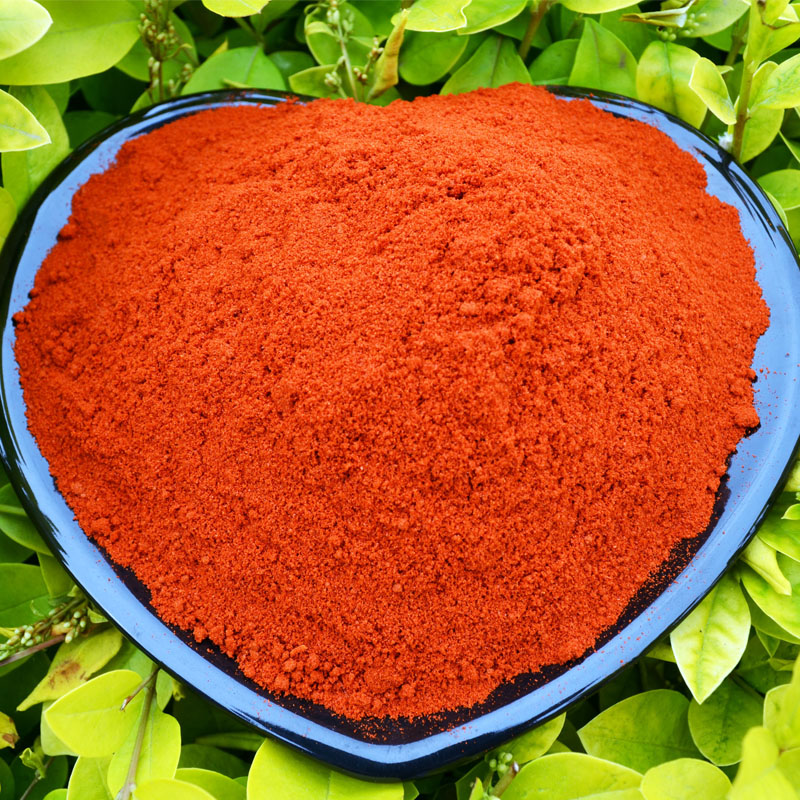
Paprika — that deep red dust you sprinkle over your deviled eggs or stews — is more than just a kitchen staple. Across continents, buying paprika links communities, farmers, industries, and markets in ways that span beyond flavor. Its cultivation touches on agricultural development, trade economies, health benefits, and even cultural identity. Whether you’re a gourmet chef or a wholesaler, understanding the nuances behind buying paprika can unlock greater appreciation for its journey and value on a global scale.
Oddly enough, paprika’s story is intertwined with climate challenges, evolving consumer preferences, and international trade policies. As paprika gains attention not just for taste but for its healthful antioxidants and vibrant pigments, industries are responding by scaling production while carefully navigating quality and sustainability. So, what exactly are we talking about when we say "buy paprika," and why does it matter far beyond the grocery aisle? Let’s break it down.
Why "Buy Paprika" Matters: Industry and Global Context
According to data from the Food and Agriculture Organization (FAO), global spice trade — which paprika is a significant part of — continues to expand, with annual sales reaching billions of dollars. Regions like Hungary, Spain, and parts of India dominate paprika production, but demand is surging worldwide due to population growth and changing culinary trends.
Yet, challenges such as climate variability, labor shortages, and market fluctuations can impact consistent supply. Buying paprika smartly, therefore, means more than grabbing a jar at the store; it often involves understanding provenance, purity, and sustainable sourcing. For businesses and consumers alike, this awareness helps foster healthier trade practices and reliable access.
In fact, some suppliers now emphasize organic certification and fair trade assurances, responding to a market that prioritizes authenticity alongside taste. All these factors contribute to the growing importance of integrated solutions for buyers — whether you’re sourcing small batches or large consignments.
Breaking Down What It Means to Buy Paprika
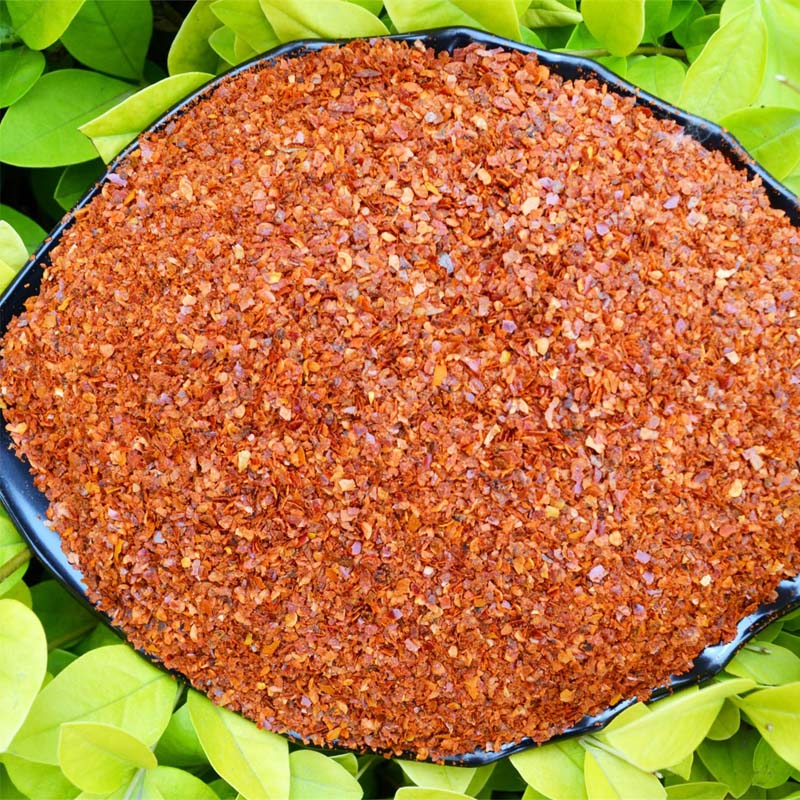
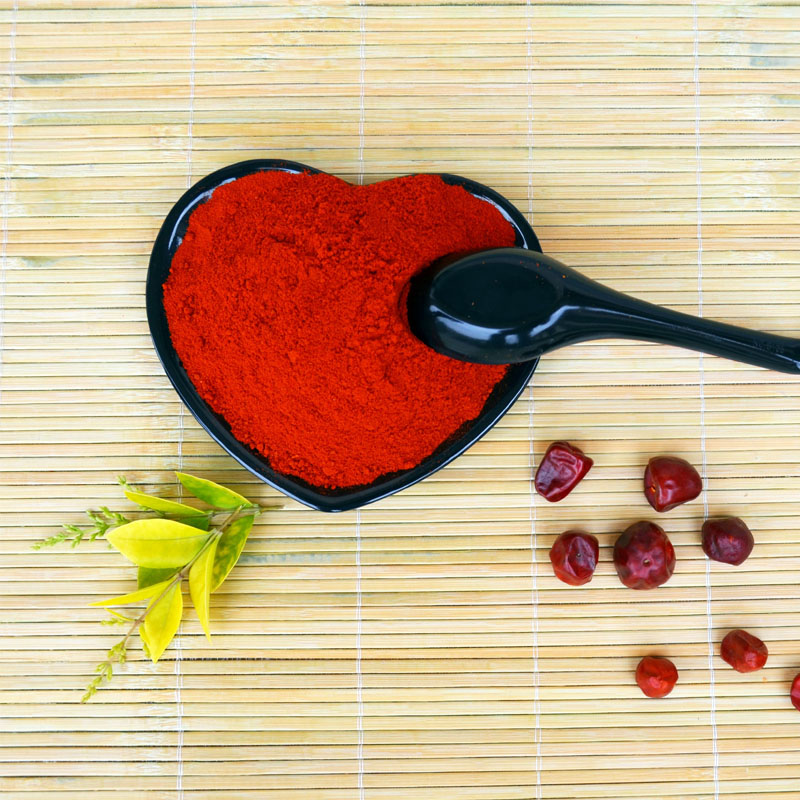
Simply put, to buy paprika is to acquire the powdered spice derived mainly from ground dried peppers of the Capsicum annuum variety. But the term encompasses choices around quality grades, variety (sweet, smoked, hot), origin, and processing method. For industries, buying paprika could mean importing bulk supplies for food manufacturing, while for retailers or home cooks, it centers on sealed, branded packaging.
On another level, buying paprika also ties into broader industrial and humanitarian contexts. For example, paprika’s antioxidant properties make it an ingredient in some natural cosmetic formulations or nutritional supplements. Moreover, its cultivation supports rural livelihoods, aligning purchases with socio-economic development objectives.
Core Factors in the Paprika Buying Process
1. Quality Grade and Purity
The paprika market is segmented into grades based on color, flavor, and pungency. Buyers need to distinguish between culinary-grade and industrial-grade paprika, each suited for different applications. Factors like moisture content and absence of contaminants affect shelf life and safety.
2. Origin and Sustainability
Geographic origin influences taste profiles. Hungarian paprika offers a sweet yet spicy nuance, whereas Spanish paprika (pimentón) can range from mild to smoky. With rising interest in sustainable farming, certifications such as organic or fair trade carry weight.
3. Cost Efficiency
Price varies widely depending on supply chain reliability and certification status. Bulk buyers target volume discounts, but the hidden cost sometimes lies in inconsistent quality, which can impact end products.
4. Packaging and Shelf Life
Proper packaging minimizes oxidation and preserves aroma and color. Innovations include vacuum-sealed pouches or light-resistant containers.
5. Regulatory Compliance
Export/import regulations and food safety standards must be navigated carefully, especially when paprika crosses multiple borders.
Real-World Applications: Who Benefits When You Buy Paprika?
In post-disaster regions, NGOs sometimes use paprika-infused foods or nutrient supplements to provide antioxidants vital for recovery—oddly specific, I know, but true! Meanwhile, the food industry relies heavily on paprika for coloring processed meats and sauces. The cosmetics sector integrates paprika extracts for natural coloring and antioxidant properties.
Geographically, Eastern Europe dominates paprika output, serving both domestic and export markets. Asian countries are increasing demand with expanding middle classes embracing spicy flavors, whereas North America’s specialty food market favors organic and smoked varieties.
Mini takeaway:
- Buying paprika supports multiple sectors—from agriculture to industry.
- Regional nuances affect supply and demand dynamics.
Advantages of Buying High-Quality Paprika
- Cost-Effectiveness: Bulk procurement typically reduces unit cost but requires quality assurance to avoid hidden losses.
- Sustainability: Choosing certified sources promotes environmental stewardship and social equity.
- Health and Innovation: The rise in demand for natural antioxidants encourages innovation in paprika-derived products.
- Reliability: Trusted suppliers ensure consistent taste and chemical profile.
Emotionally, buying paprika can evoke a sense of connection to tradition and heritage, especially in cultures where it is an iconic ingredient. It’s this blend of logic and sentiment that defines why paprika remains much more than just a spice.
Searching Ahead: Trends Shaping the Future of Buying Paprika
Sustainable agriculture practices like precision farming are increasingly being adopted by paprika growers to improve yield and lower environmental impact. Digitization of supply chains is helping buyers verify origin and quality via blockchain technologies. Functional foods enriched with paprika’s bioactive compounds are expanding markets in nutraceuticals and cosmetics.
In addition, green energy initiatives at farms and processing plants aim to reduce carbon footprints — a nod to global efforts on climate change. As consumers demand transparency, vendors are starting to offer traceability tools and real-time quality data.
Common Challenges When You Buy Paprika—and How to Overcome Them
Variability in quality can surprise first-time buyers — it’s worth getting samples or small test lots before large orders. Supply chain delays may crop up amid geopolitical tensions or climate-impact disruptions. Language and regulation differences create barriers for international trade.
Experts recommend working with established suppliers who offer certifications, batch testing, and customer support to navigate these challenges effectively. Collaborative efforts between producers and buyers can improve forecasts and sustainability.
Product Specification Table
| Specification | Typical Range | Notes |
|---|---|---|
| Color (ASTA Units) | 80 - 150 | Higher values = deeper color |
| Capsaicin Content | 0.2 - 1.5 mg/kg | Varies by variety (sweet to hot) |
| Moisture % | Affects shelf stability | |
| Packaging | Vacuum-sealed pouches or tins | Varies by supplier |
| Typical Shelf Life | 12 - 24 months | Depends on storage conditions |
Popular Paprika Vendors at a Glance
| Vendor | Origin | Key Strengths | Certifications | Price (per kg) |
|---|---|---|---|---|
| Hungarian Spice Co. | Hungary | Authentic flavor, wide range | Organic, Fair Trade | $15 - $22 |
| Iberian Paprika Ltd. | Spain | Smoked varieties, consistent quality | ISO 22000, Organic | $17 - $25 |
| Kavya Spices | India | Affordable, hot varieties | Organic, GMP | $12 - $18 |
Frequently Asked Questions About Buying Paprika
Q1: How can I tell if paprika is fresh when I buy it?
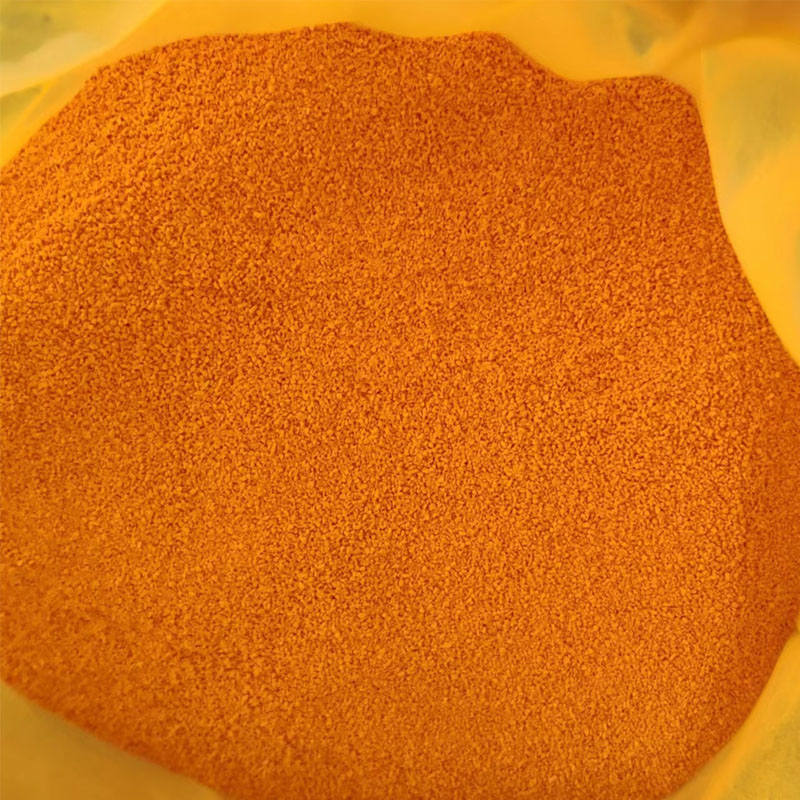
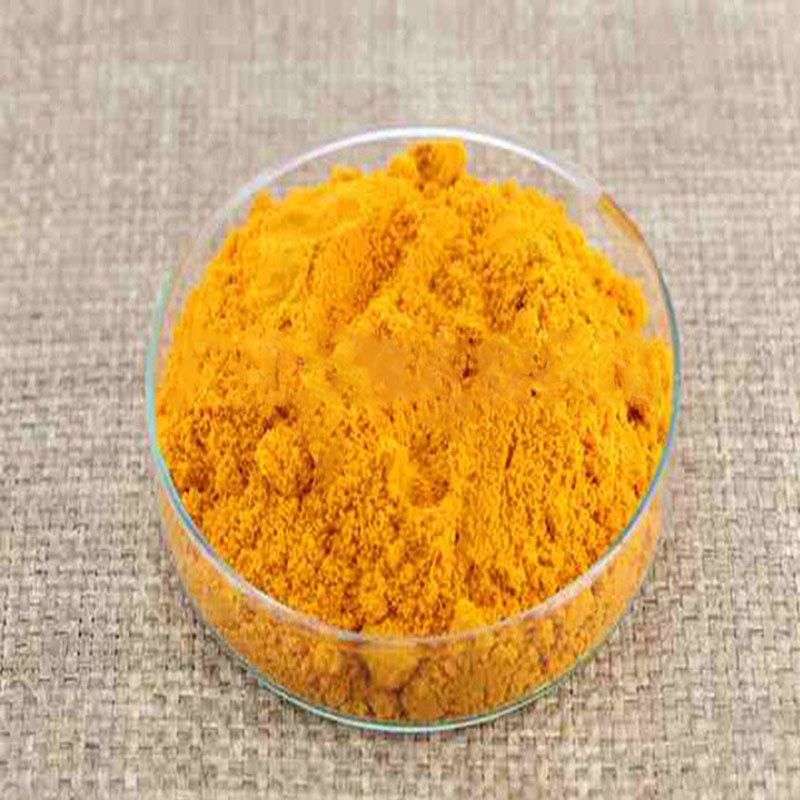
Fresh paprika typically has a bright red or orange hue and a strong, pungent aroma. Dull color or musty smell may indicate staleness. Purchasing from reputable vendors and checking expiration dates helps ensure freshness.
Q2: Are organic paprikas more expensive to buy, and are they worth it?
Organic paprikas generally cost more due to sustainable farming practices and certification costs. Many find the premium worth it for better flavor, fewer pesticides, and environmental benefits.
Q3: Can I buy paprika in bulk for industrial use, and what should I watch out for?
Yes—bulk buying is common in food manufacturing. Key considerations include consistent quality, moisture content, supplier reliability, and compliance with food safety regulations.
Q4: How important is the origin when buying paprika?
Origin affects flavor, color, and processing style. Consider your end use; some cuisines prefer a specific regional paprika. Origin certifications can also signal quality and ethical production.
Conclusion: Why Investing Time to Buy Paprika Pays Off
In real terms, buying paprika isn’t just a transaction — it’s a strategic choice influencing taste, health, sourcing ethics, and industry innovation. From spice racks to supplements and colorants, paprika’s range of uses keeps expanding, demanding smarter buying decisions.
Whether you’re buying paprika for your kitchen, your business, or even research, understanding these factors guarantees better outcomes. So take the plunge, savor the complexity, and enjoy all that paprika brings to the table.
Now, who’s up for a paprika-spiced recipe?
References & Resources

-
Guide to Sourcing and Using Premium Dried Spicy PeppersNewsApr.16,2026
-
Dried Spur Chili Guide to Premium Flavor and Industrial QualityNewsApr.09,2026
-
Exploring the World of Dried Whole Chili Peppers and Their Culinary UsesNewsApr.07,2026
-
Exploring the Culinary World of Dried Whole Chillies and Their Versatile UsesNewsApr.04,2026
-
Exploring the World of Red Dried Chiles and Their Culinary UsesNewsMar.31,2026
-
Exploring the Culinary World of Red Dried Chili Peppers and Their Versatile UsesNewsMar.28,2026
 Afrikaans
 Albanian
 Amharic
 Arabic
 Armenian
 Azerbaijani
 Basque
 Belarusian
 Bengali
 Bosnian
 Bulgarian
 Catalan
 Cebuano
 Corsican
 Croatian
 Czech
Czech
 Danish
 Dutch
Dutch
 Esperanto
 Estonian
 Finnish
 French
 Frisian
 Galician
 Georgian
 German
 Greek
Greek
 Gujarati
 Haitian Creole
 Hausa
Hausa
 Hawaiian
 Hebrew
 Hindi
Hindi
 Miao
Miao
 Hungarian
 Icelandic
 Igbo
Igbo
 Indonesian
 Irish
Irish
 Italian
 Japanese
 Javanese
 Kannada
 Kazakh
 Khmer
Khmer
 Rwandese
 Korean
 Kurdish
 Kyrgyz
 Lao
Lao
 Latin
Latin
 Latvian
 Lithuanian
 Luxembourgish
 Macedonian
 Malgashi
 Malay
Malay
 Malayalam
 Maltese
 Maori
Maori
 Marathi
 Mongolian
 Myanmar
 Nepali
 Norwegian
 Norwegian
 Occitan
 Pashto
 Persian
 Polish
 Portuguese
 Punjabi
 Romanian
 Russian
 Samoan
 Scottish Gaelic
 Serbian
 Sesotho
 Shona
Shona
 Sindhi
 Sinhala
 Slovak
 Slovenian
 Somali
 Spanish
 Sundanese
 Swahili
 Swedish
 Tagalog
 Tajik
Tajik
 Tamil
Tamil
 Tatar
Tatar
 Telugu
 Thai
Thai
 Turkish
 Turkmen
 Ukrainian
 Urdu
Urdu
 Uighur
 Uzbek
Uzbek
 Vietnamese
 Welsh
Welsh
 Bantu
Bantu
 Yiddish
 Yoruba
 Zulu
Zulu
 English