- No. 268 Xianghe Street, Economic Development Zone of Xingtai city, Hebei 054001 China
- Byron@hbhongri.cn
Different Types of Paprika Explained: Flavor, Origin, and Uses
Understanding the Many Faces of Different Types of Paprika
Paprika, beyond being that vibrant red spice on your dinner plate, carries a surprisingly rich global story and significance. Knowing the different types of paprika isn’t just for chefs; it’s a window into cultural traditions, agricultural patterns, and even economic trades. As global tastes diversify and culinary industries expand, the demand for a deeper understanding of paprika varieties grows. So, why does it matter? Well, understanding paprika's types helps food processors, chefs, and even humanitarian agencies make smarter choices around flavor, nutrition, and sourcing sustainability.
The Global Context: Why Different Types of Paprika Matter Today
Paprika is cultivated in various regions from Central Europe to Latin America and parts of Asia — each producing spices with their own distinct characteristics. According to the Food and Agriculture Organization (FAO), over 250,000 tons of paprika are produced globally each year, with Hungary, Spain, and China leading the pack. Interestingly, paprika is not only a culinary staple but also a vital agricultural commodity that supports livelihoods in rural economies.
Yet, challenges like climate change and fluctuating global markets threaten paprika cultivation. Understanding the different types of paprika can help producers adapt and consumers make more informed choices — possibly driving demand for sustainably farmed varieties. Oddly enough, these differences reveal stories about farming methods, climate, and even regional tastes that often go unnoticed but play a big role in global flavor profiles.
Mini takeaway: The diversity of paprika types reflects complex agricultural, cultural, and trade dynamics worldwide.
What Are Different Types of Paprika? A Simple Explanation
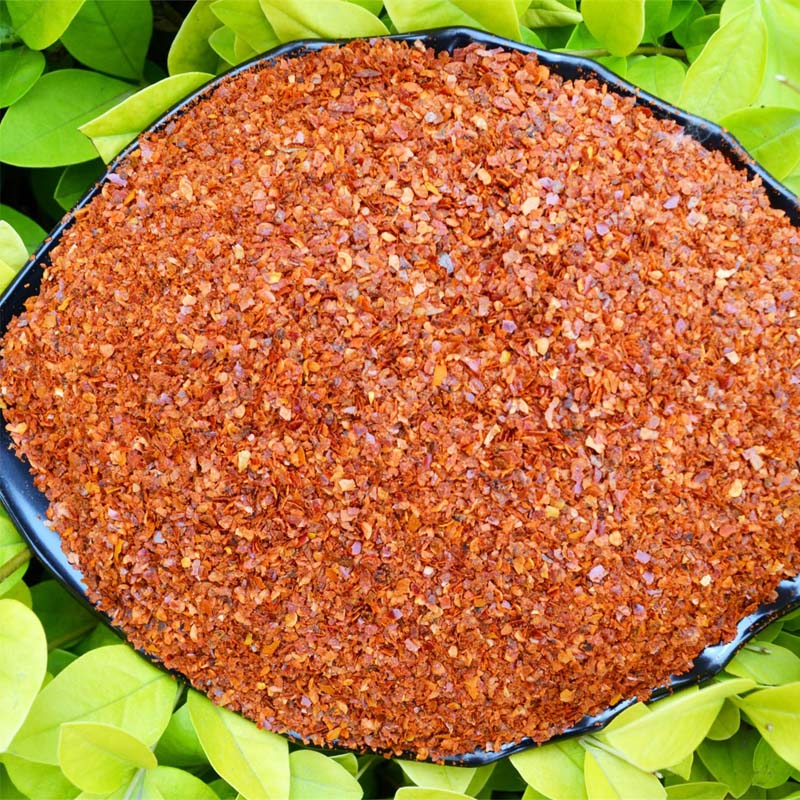
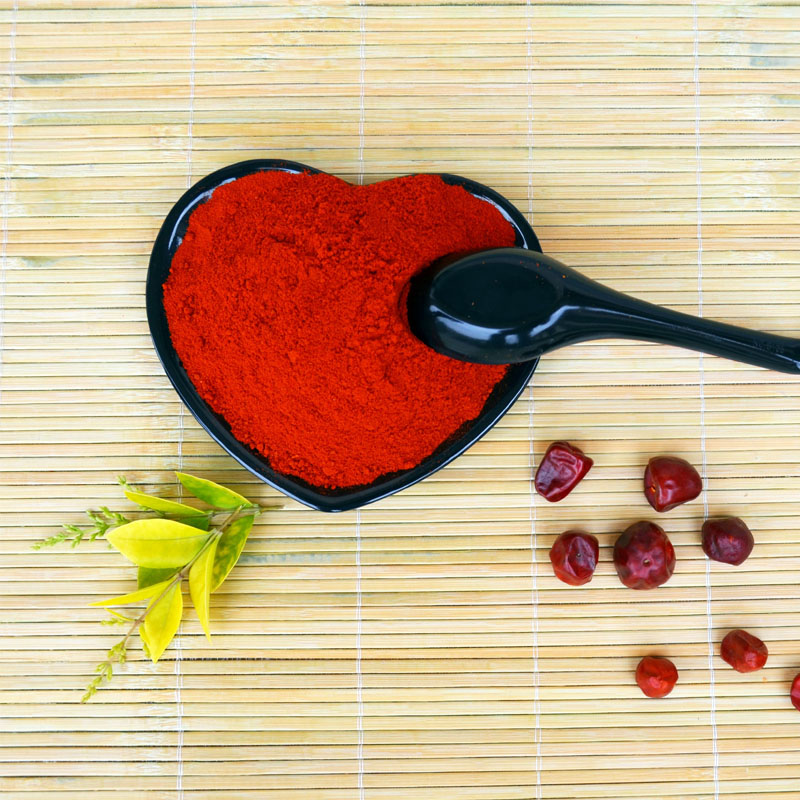
So what exactly are these “different types of paprika”? Simply put, paprika is ground dried peppers belonging mostly to the species Capsicum annuum. The “types” depend on the pepper’s origin, heat level, and flavor profile — ranging from sweet and mild to hot and smoky. The major varieties commonly referenced are sweet paprika, smoked paprika, and hot paprika.
Each type has nuances: Hungarian paprika is often sweeter and more aromatic, Spanish paprika (pimentón) introduces smoky notes through traditional drying over wood fires, while others—like those from California or Mexico—lean toward the hotter spectrum. This variety speaks to modern food industry needs, from flavor innovation to meeting different culinary standards worldwide.
different types of paprika can influence not just taste but also food color and nutritional content — which brings us back around to why producers and buyers care so much.
Key Attributes of Paprika Types and Their Practical Importance
Flavor Profile
Perhaps the most obvious factor, flavor swings between sweet, smoky, and hot impact recipe outcomes radically. Chefs often select paprika types to bring balance or a pop of heat without overwhelming dishes.
Color Intensity
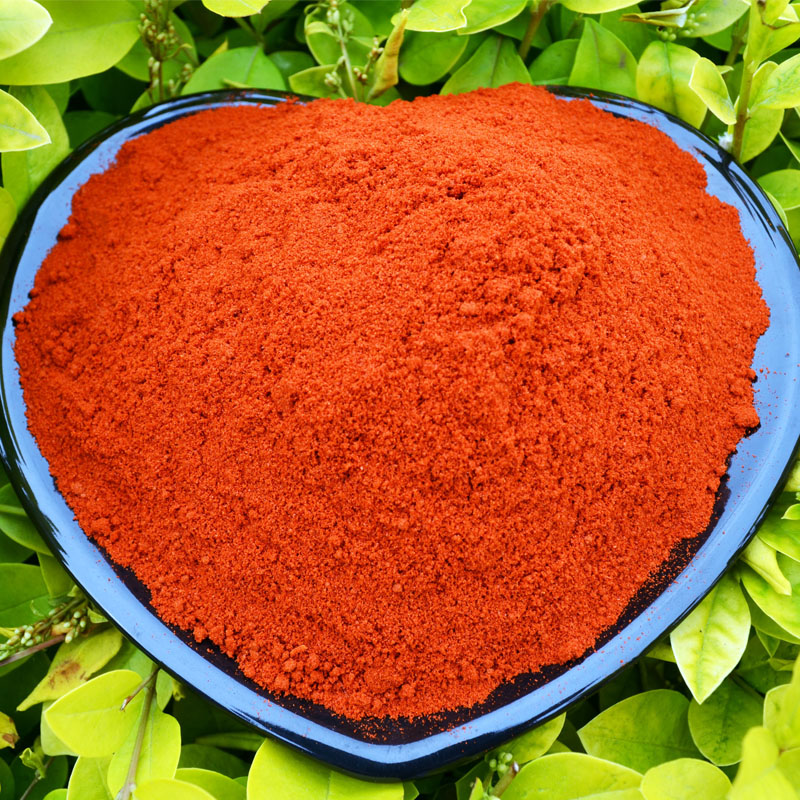
Paprika’s vibrant red hues are used as natural colorants in food manufacturing. Different types yield varying shades from bright red to deep brick tones, influencing consumer appeal.
Capsaicin Content (Heat)
This determines pungency levels—some paprika are gently sweet, others carry a spicy punch. It’s a critical factor in food safety standards and labeling.
Origin and Cultivation Method
Where and how paprika is grown affects traceability and sustainability claims. Organic or traditionally smoked varieties often command premium prices.
Processing Techniques
Grinding fineness, drying method, and storage all influence paprika’s shelf life and flavor retention.
Mini takeaway: You can think of paprika types almost like wine varieties, where small changes hugely influence the end product’s identity and use.
Where Different Types of Paprika Are Used Around the World
In culinary circles, paprika’s diversity shines from Hungarian goulash kitchens to Spanish tapas bars. But it’s not just the foodies who benefit.
- Eastern Europe: Sweet Hungarian paprika is central to regional dishes and traditional festivals.
- Spain: Smoked paprika defines many iconic dishes, offering smoky depth without heat.
- U.S. Food Industry: Uses both hot and sweet paprika as colorants and flavor enhancers.
- Developing Regions: Paprika crops sustain smallholder farmers, offering economic resilience.
Curiously, humanitarian food agencies have even looked at paprika as a value-added product to help rural economies during food relief programs. This small spice potentially links food aid to income generation.
Mini takeaway: Different paprika types impact cultural heritage, industrial uses, and economic livelihoods worldwide.
Specifications of Popular Paprika Varieties
| Paprika Type | Flavor | Heat Level (Scoville) | Color Intensity | Typical Origin |
|---|---|---|---|---|
| Sweet Paprika | Mild, fruity | 250 - 500 | Bright red | Hungary, Spain |
| Smoked Paprika (Pimentón) | Smoky, bold | 250 - 1,000 | Deep red | Spain |
| Hot Paprika | Spicy, pungent | 1,000 - 5,000 | Red to brick | Mexico, U.S. |
Comparing Leading Paprika Vendors
| Vendor | Origin | Organic Certification | Specialty | Packaging Options |
|---|---|---|---|---|
| HungaroSpice | Hungary | Yes | Sweet and smoked | Bulk, retail, sachets |
| IbericoPap | Spain | No | Traditional smoked | Bulk, retail jars |
| MexiChili Co. | Mexico | Yes | Hot & pungent | Bulk, retail bags |
The Advantages and Long-term Value of Understanding Paprika Varieties
It's not just taste that benefits from understanding different types of paprika. From a sustainability perspective, sourcing the right paprika helps promote responsible farming — supporting smallholders and reducing environmental strain. In nutritional terms, some paprika types offer more antioxidants and vitamins, which is great for health-conscious consumers.
Emotionally, have you ever noticed how certain dishes just “feel” more authentic? Using the right paprika type offers a comforting cultural connection that can’t be easily replicated. Logically, manufacturers and restaurateurs gain trust and innovation currency by selecting paprika varieties tailored perfectly to their products.
The Future of Paprika: Trends and Innovations to Watch
Looking ahead, the paprika industry is ripe for change. Biotechnology might soon offer pest-resistant pepper strains, increasing yield and quality. Also, sustainability certifications are becoming mainstream, rewarding producers for eco-friendly methods.
Tech-wise, digital traceability will allow consumers to scan and learn exactly where their paprika came from — promoting transparency like never before. There’s even talk about lab-grown paprika to satisfy demand without taxing land resources — though that’s still more sci-fi than shelf-ready.
Challenges in Paprika Production and How They're Being Addressed
Climate variability poses a significant threat, especially as paprika plants prefer certain temperature ranges. Additionally, inconsistent drying and processing can degrade flavor. Supply-chain disruptions also make pricing volatile.
Thankfully, precision agriculture and improved drying tech promise to combat many of these issues. Collaborations between farmers and scientists ensure varieties better suited for shifting climates. Plus, smart packaging helps maintain freshness – addressing shelf life concerns.
FAQ: Practical Questions About Different Types of Paprika
- Q: What distinguishes sweet paprika from hot paprika in cooking?
- A: Sweet paprika has low capsaicin, offering gentle, fruity flavor without heat, ideal for seasoning and color. Hot paprika adds spiciness and pungency, perfect when a dish needs a kick.
- Q: Can smoked paprika be substituted with sweet paprika?
- A: They differ significantly; smoked paprika has a distinctive smoky aroma from drying over wood fires, while sweet paprika is milder and fruity. Substitutions affect flavor notably, so adjustments may be needed.
- Q: How should paprika be stored to maintain quality?
- A: Keep paprika in airtight containers, away from light and heat. Proper storage preserves color and flavor for 6–12 months, depending on the type.
- Q: Are organic paprika types worth the extra cost?
- A: Organic paprika generally supports environmentally friendly farming, reduces pesticide exposure, and may offer richer flavor, which many find worth the premium.
Wrapping It Up: Why Mastering Different Types of Paprika Makes Sense
So, having seen the many layers—from flavor profiles and regional traditions to industrial uses and sustainability protocols—I hope it’s clear that understanding the different types of paprika is more than a culinary curiosity. It’s a gateway to better food, smarter sourcing, and richer cultural appreciation.
If you want to dive deeper into the world of paprika or explore high-quality spices tailored for your needs, feel free to visit our website at https://www.hongrispice.com. There’s a whole vibrant spectrum of paprika waiting for you to taste and discover.
References
-
Guide to Sourcing and Using Premium Dried Spicy PeppersNewsApr.16,2026
-
Dried Spur Chili Guide to Premium Flavor and Industrial QualityNewsApr.09,2026
-
Exploring the World of Dried Whole Chili Peppers and Their Culinary UsesNewsApr.07,2026
-
Exploring the Culinary World of Dried Whole Chillies and Their Versatile UsesNewsApr.04,2026
-
Exploring the World of Red Dried Chiles and Their Culinary UsesNewsMar.31,2026
-
Exploring the Culinary World of Red Dried Chili Peppers and Their Versatile UsesNewsMar.28,2026
 Afrikaans
 Albanian
 Amharic
 Arabic
 Armenian
 Azerbaijani
 Basque
 Belarusian
 Bengali
 Bosnian
 Bulgarian
 Catalan
 Cebuano
 Corsican
 Croatian
 Czech
Czech
 Danish
 Dutch
Dutch
 Esperanto
 Estonian
 Finnish
 French
 Frisian
 Galician
 Georgian
 German
 Greek
Greek
 Gujarati
 Haitian Creole
 Hausa
Hausa
 Hawaiian
 Hebrew
 Hindi
Hindi
 Miao
Miao
 Hungarian
 Icelandic
 Igbo
Igbo
 Indonesian
 Irish
Irish
 Italian
 Japanese
 Javanese
 Kannada
 Kazakh
 Khmer
Khmer
 Rwandese
 Korean
 Kurdish
 Kyrgyz
 Lao
Lao
 Latin
Latin
 Latvian
 Lithuanian
 Luxembourgish
 Macedonian
 Malgashi
 Malay
Malay
 Malayalam
 Maltese
 Maori
Maori
 Marathi
 Mongolian
 Myanmar
 Nepali
 Norwegian
 Norwegian
 Occitan
 Pashto
 Persian
 Polish
 Portuguese
 Punjabi
 Romanian
 Russian
 Samoan
 Scottish Gaelic
 Serbian
 Sesotho
 Shona
Shona
 Sindhi
 Sinhala
 Slovak
 Slovenian
 Somali
 Spanish
 Sundanese
 Swahili
 Swedish
 Tagalog
 Tajik
Tajik
 Tamil
Tamil
 Tatar
Tatar
 Telugu
 Thai
Thai
 Turkish
 Turkmen
 Ukrainian
 Urdu
Urdu
 Uighur
 Uzbek
Uzbek
 Vietnamese
 Welsh
Welsh
 Bantu
Bantu
 Yiddish
 Yoruba
 Zulu
Zulu
 English