- No. 268 Xianghe Street, Economic Development Zone of Xingtai city, Hebei 054001 China
- Byron@hbhongri.cn
High-Quality Chinese Chilli Dust | Industrial Spice Supplier
Understanding Chinese chilli dust: Industrial Quality and Characteristics
Having worked in the industrial equipment sector for more than a decade, I’ve seen all sorts of raw materials come through—everything from metals to food-grade powders. Chinese chilli dust, frankly, is an interesting product that often gets overlooked, but it deserves a second glance, especially if you’re sourcing spices at scale.
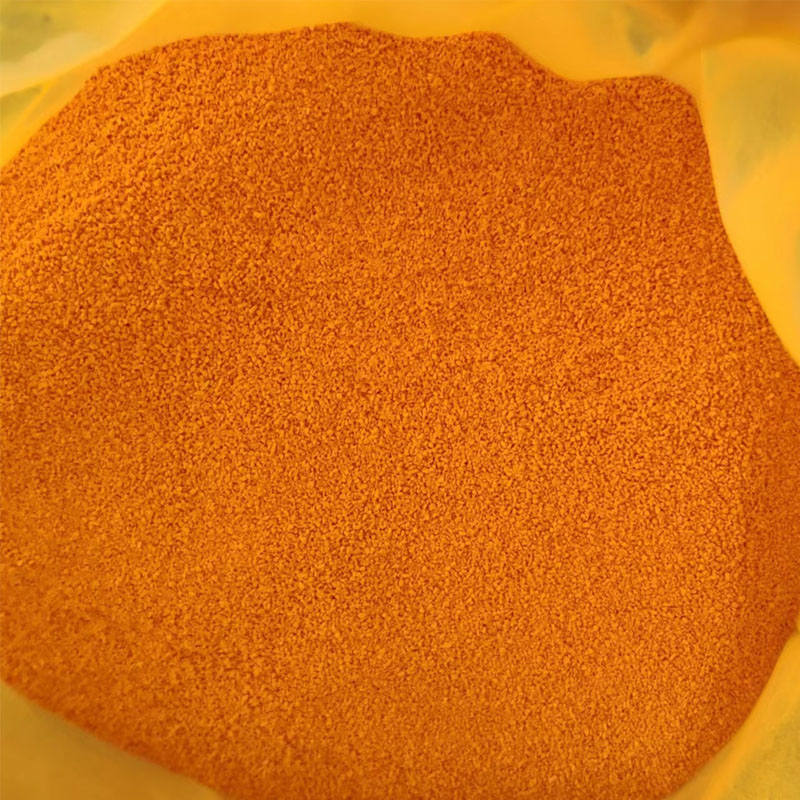
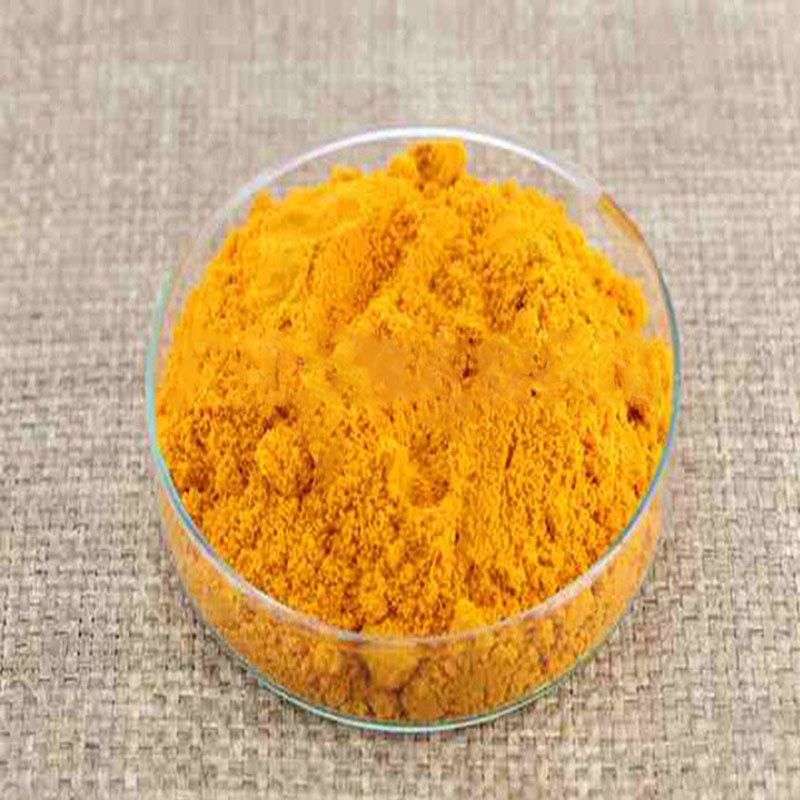
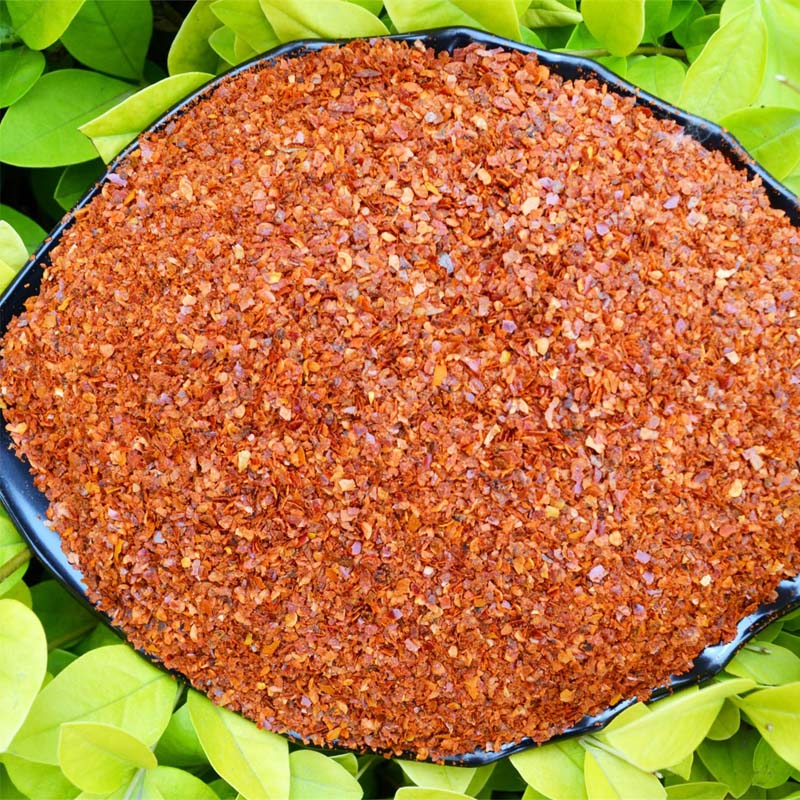
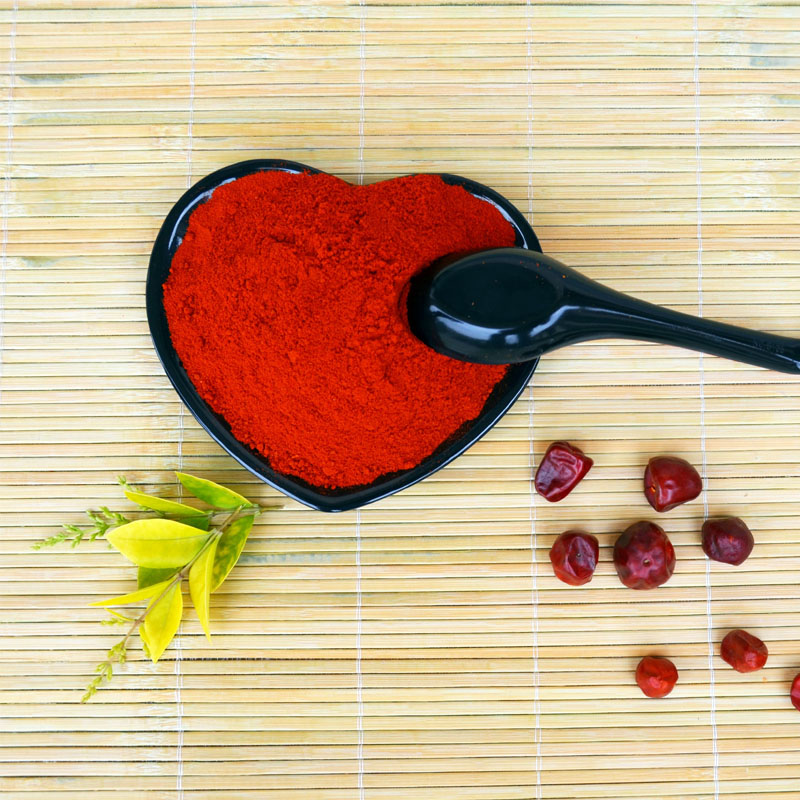
Now, chilli dust isn’t just a one-note supplier of heat; it’s a blend of quality, consistency, and origin story. Chinese varieties, in particular, offer a distinct flavor profile and color intensity, often used in food processing industries and even in some non-food applications like seasoning blends for snack manufacturers or spicy sauces that aim for that authentic bite.
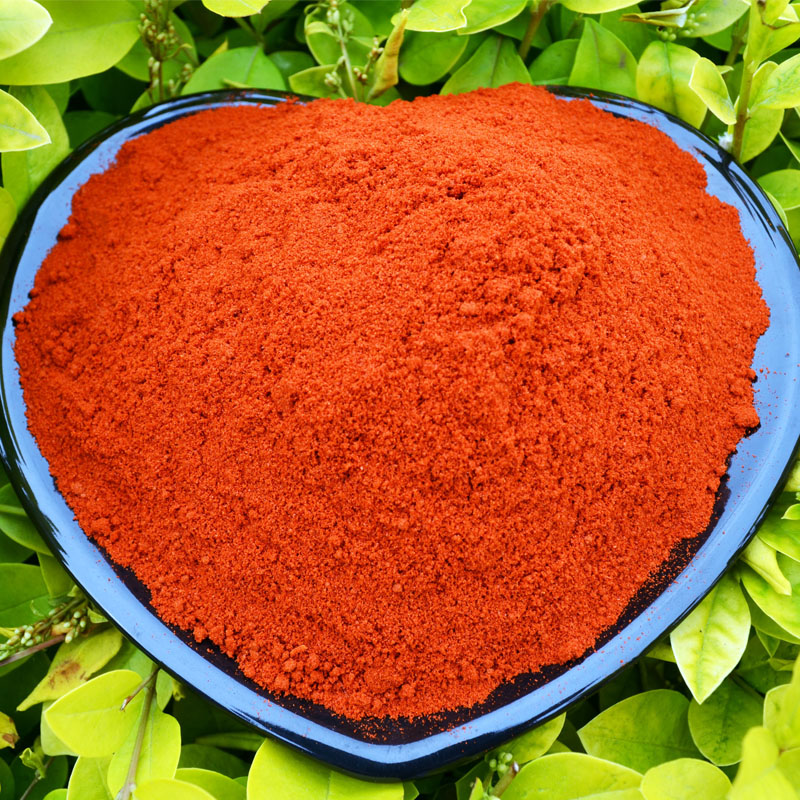
Over the years, I’ve noticed a few trends: China’s chilli dust is typically derived from varieties that boast a vibrant red hue, indicating high carotenoid content, and a balanced pungency that’s neither overpowering nor dull.
Manufacturers usually ensure compliance with safety standards, running microbial tests and pesticide residue checks—which, let me tell you, is not something to skim over if you want to maintain quality assurance for your products.
Product Specifications at a Glance
| Specification | Details |
|---|---|
| Origin | China - Sichuan & Hunan Regions |
| Color (ASTA scale) | 80 - 100 (bright red) |
| Capsaicin Content | 30,000 – 50,000 SHU (Scoville Heat Units) |
| Moisture Content | ≤ 10% |
| Particle Size | Fineness: 80 - 120 mesh |
| Testing | Microbial & pesticide residue compliant |
One thing I’ve observed in the field is the importance of particle size. If it’s too coarse, you risk uneven distribution during mixing; too fine and it clumps, which can cause headaches in production lines. The Chinese brands I’ve come across strike a pretty good balance here.
How Chinese Chilli Dust Stacks Up: Vendor Comparison
It’s not all sunshine and roses, though. When comparing vendors, aspects like consistent heat level, reliable supply chain, and certifications become deal-breakers—especially for industrial buyers who can’t afford to fiddle with batch inconsistencies.
| Vendor | Capsaicin (SHU) | ASTA Color | Certifications | Typical MOQ |
|---|---|---|---|---|
| Hongri Spice Co. | 45,000 SHU | 95 | ISO, HACCP, FDA | 1 MT |
| Vendor B | 35,000 SHU | 85 | ISO, FDA | 2 MT |
| Vendor C | 50,000 SHU | 100 | ISO, HACCP | 0.5 MT |
Personally, I have a soft spot for Hongri Spice Co. Their Chinese chilli dust felt consistently pure and richly colored during my visits to their facilities. Plus, their thorough testing and certifications mean you’re not playing roulette with contaminants or flavor loss. Oddly enough, small-scale buyers sometimes underestimate the value of those factory-level quality controls, but you’d want to avoid surprises in industrial food production, trust me.
Customization, too, can be a factor. Some clients need a milder dust or a coarser grind for specific snacks. Chinese producers often offer tailored batches, though timelines and minimum order quantities vary, so it’s wise to discuss upfront.
To illustrate how this plays out in real terms, I recall a mid-sized snack manufacturer I worked alongside in Shenzhen. They needed a chilli dust with a vibrant red color but only moderate heat, to appeal to a broad consumer base. Hongri Spice’s flexibility on that front saved the day—and the launch—which admittedly wasn’t something I had expected when we first started sourcing.
So, why consider Chinese chilli dust if you’re in the industrial sector? Well, there’s good value for money, an evolving commitment to safety standards, and a flavor profile that can complement diverse product lines. Of course, always vet your supplier thoroughly—ask for certificates, samples, and preferably a plant visit. The global spice market's a mixed bag, but with the right Chinese partner, you’re in good shape.
In the end, spices are like a silent partner in your products; they don’t shout but they sure do influence everything.
-
Guide to Sourcing and Using Premium Dried Spicy PeppersNewsApr.16,2026
-
Dried Spur Chili Guide to Premium Flavor and Industrial QualityNewsApr.09,2026
-
Exploring the World of Dried Whole Chili Peppers and Their Culinary UsesNewsApr.07,2026
-
Exploring the Culinary World of Dried Whole Chillies and Their Versatile UsesNewsApr.04,2026
-
Exploring the World of Red Dried Chiles and Their Culinary UsesNewsMar.31,2026
-
Exploring the Culinary World of Red Dried Chili Peppers and Their Versatile UsesNewsMar.28,2026
 Afrikaans
 Albanian
 Amharic
 Arabic
 Armenian
 Azerbaijani
 Basque
 Belarusian
 Bengali
 Bosnian
 Bulgarian
 Catalan
 Cebuano
 Corsican
 Croatian
 Czech
Czech
 Danish
 Dutch
Dutch
 Esperanto
 Estonian
 Finnish
 French
 Frisian
 Galician
 Georgian
 German
 Greek
Greek
 Gujarati
 Haitian Creole
 Hausa
Hausa
 Hawaiian
 Hebrew
 Hindi
Hindi
 Miao
Miao
 Hungarian
 Icelandic
 Igbo
Igbo
 Indonesian
 Irish
Irish
 Italian
 Japanese
 Javanese
 Kannada
 Kazakh
 Khmer
Khmer
 Rwandese
 Korean
 Kurdish
 Kyrgyz
 Lao
Lao
 Latin
Latin
 Latvian
 Lithuanian
 Luxembourgish
 Macedonian
 Malgashi
 Malay
Malay
 Malayalam
 Maltese
 Maori
Maori
 Marathi
 Mongolian
 Myanmar
 Nepali
 Norwegian
 Norwegian
 Occitan
 Pashto
 Persian
 Polish
 Portuguese
 Punjabi
 Romanian
 Russian
 Samoan
 Scottish Gaelic
 Serbian
 Sesotho
 Shona
Shona
 Sindhi
 Sinhala
 Slovak
 Slovenian
 Somali
 Spanish
 Sundanese
 Swahili
 Swedish
 Tagalog
 Tajik
Tajik
 Tamil
Tamil
 Tatar
Tatar
 Telugu
 Thai
Thai
 Turkish
 Turkmen
 Ukrainian
 Urdu
Urdu
 Uighur
 Uzbek
Uzbek
 Vietnamese
 Welsh
Welsh
 Bantu
Bantu
 Yiddish
 Yoruba
 Zulu
Zulu
 English