- No. 268 Xianghe Street, Economic Development Zone of Xingtai city, Hebei 054001 China
- Byron@hbhongri.cn
Comprehensive Guide to Red Crushed Chili Pepper: Uses, Benefits & Market Insights
Understanding Red Crushed Chili Pepper: Spice, Industry, and Global Impact
Red crushed chili pepper isn’t just about adding fiery heat to your pasta or pizza – it’s a global commodity with cultural, nutritional, and economic significance. Frankly, this humble spice connects farmers, food producers, exporters, and consumers worldwide, acting as both a culinary staple and an economic driver. Understanding red crushed chili pepper’s qualities, uses, and market dynamics helps us appreciate its role beyond the kitchen. Plus, it sheds light on the challenges of ensuring quality, sustainability, and fair trade in a growing global spice industry.
Global Context: Why Red Crushed Chili Pepper Matters
Spices have shaped trade routes and economies for centuries, and red crushed chili pepper continues this legacy. According to the Food and Agriculture Organization (FAO), chili production has soared over the past decade, especially in Asia, Latin America, and Africa. India leads, contributing nearly 40% of the world’s chili output, closely followed by countries like China and Mexico.
Globally, the red crushed chili pepper market is valued at hundreds of millions USD annually, reflecting its widespread culinary use and emerging interest in health supplements derived from capsaicin, the active heat component. However, the industry faces challenges — from inconsistent grading standards to supply chain disruptions due to climate variability. For smallholder farmers in developing regions, chili crops can be a vital income source but also risky, vulnerable to pests and weather shocks.
So how do producers and buyers maintain quality and meet rising demand? The answer involves understanding what red crushed chili pepper really is, its core qualities, and emerging innovations.
What Is Red Crushed Chili Pepper?
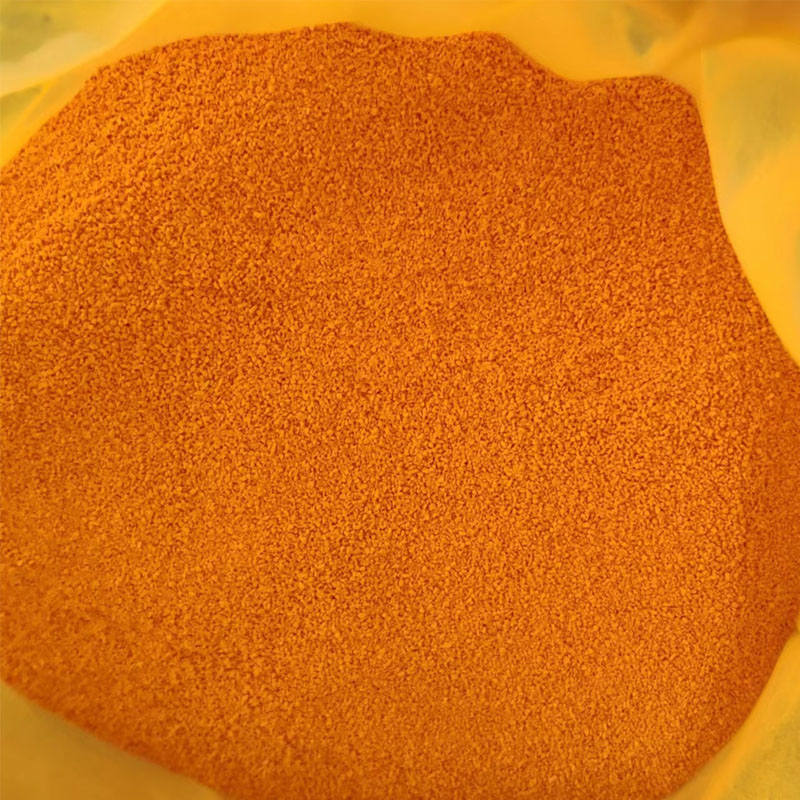
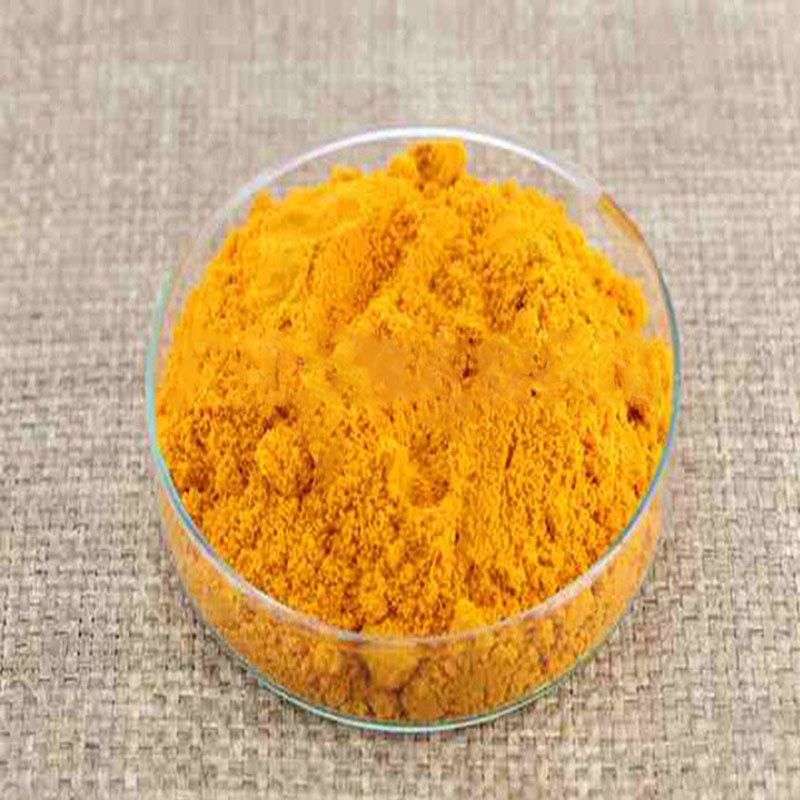
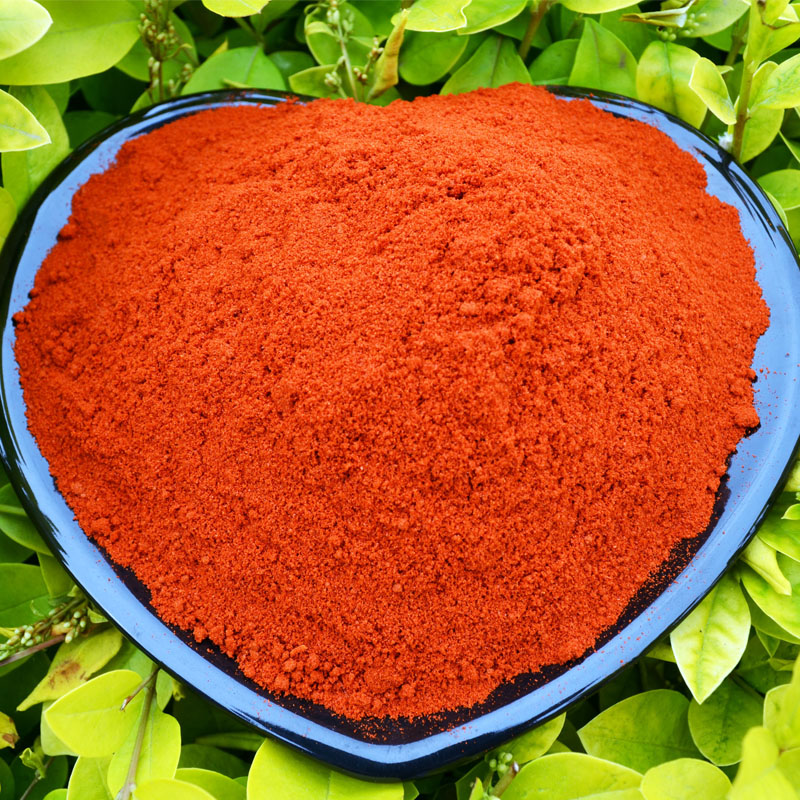
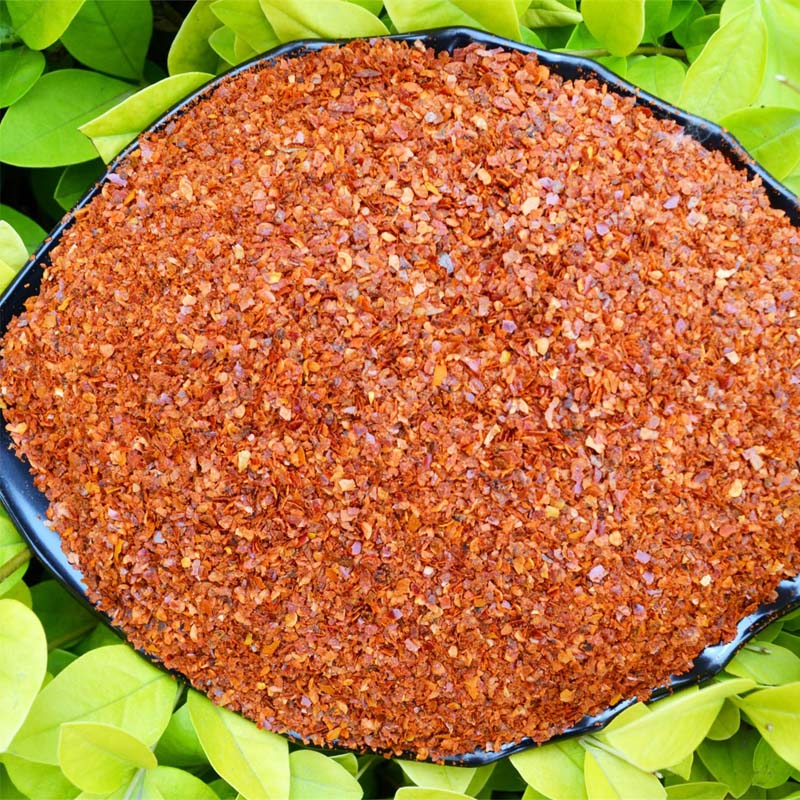
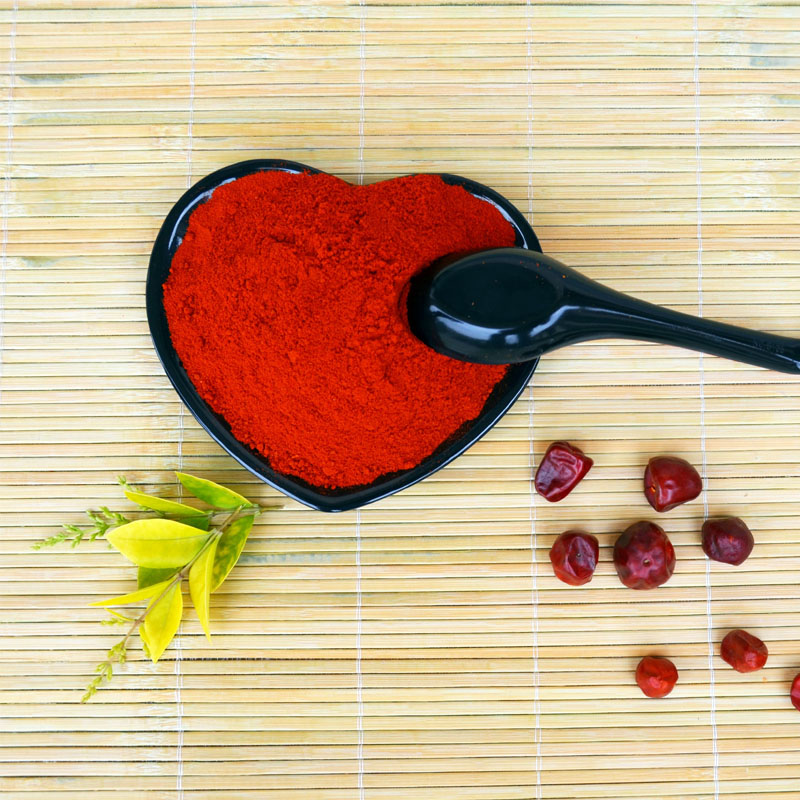
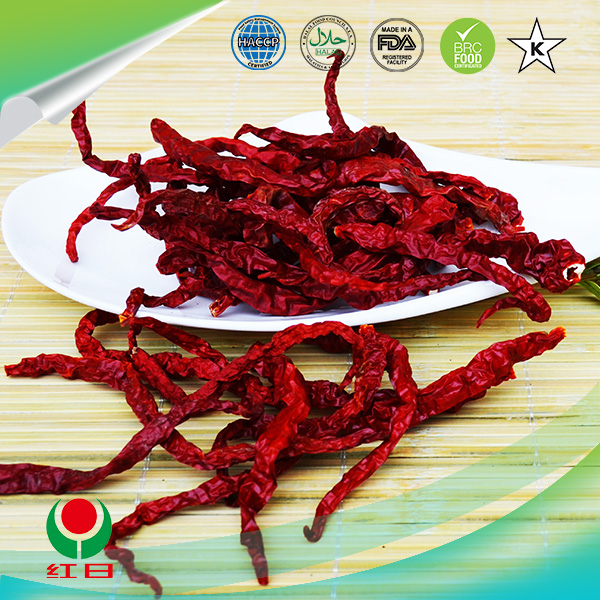
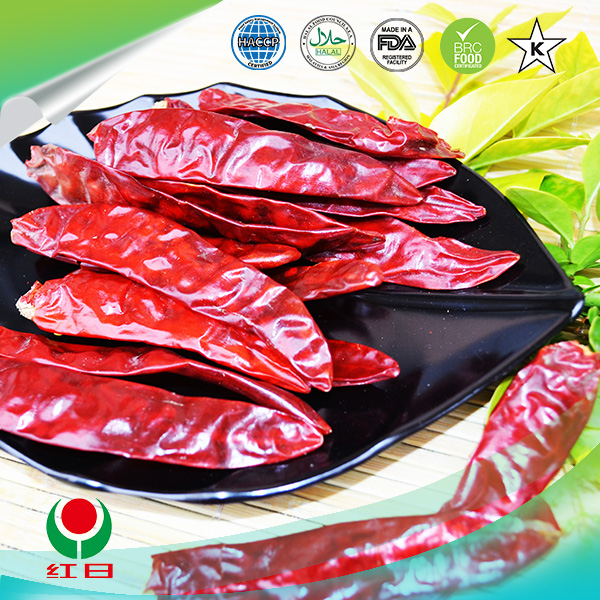
In simple terms, red crushed chili pepper is dried chili pods that have been crushed or coarsely ground, often including seeds and skin fragments, giving it a bold texture and vibrant color. It's a staple spice in many cuisines — from Italian ’nduja and Korean gochugaru, to Indian tandoori masalas. Unlike powdered chili, crushed chili flakes retain a bit more texture and can be blended differently for flavor profiles or heat levels.
On the industry side, it is a key input for food manufacturers and retailers producing sauces, snack seasonings, and pre-packaged meals. Its connection to humanitarian needs is subtle but tangible: spices like chili can improve nutrient intake and morale in relief food rations, adding flavor and familiarity to otherwise bland aid supplies.
Core Components and Quality Factors
- Capsaicin Content: The heat level, measured in Scoville Heat Units, impacts consumer preference and applications. Higher capsaicin means hotter flakes but also more health benefits.
- Color & Appearance: Bright red hues indicate freshness and quality. Oxidation or dull colors suggest old or low-grade chili.
- Moisture Level: Proper drying ensures shelf stability. Too much moisture invites mold; too little can affect aroma.
- Particle Size: Consistency matters for blending and packaging. Flake size can vary from very coarse to finer crushed.
- Purity: Free from foreign materials, pesticides, or contaminants — especially important for export standards.
- Traceability: Knowing the farm or region of origin is increasingly demanded for food safety and certification.
Taking those into account helps businesses tailor their sourcing and production, while consumers get more consistent spicy enjoyment.
Practical Product Specifications
| Specification | Typical Range | Notes |
|---|---|---|
| Capsaicin (SHU) | 30,000 – 50,000 | Varies by chili type |
| Moisture (%) | 8 – 12% | Affects shelf life |
| Color (ASTA units) | 80 – 120 | Brightness and redness |
| Particle Size (mm) | 1 – 5 mm flakes | Depends on grinding method |
| Foreign Matter (%) | Cleanliness is crucial |
Global Applications & Real-World Use Cases
The red crushed chili pepper has a remarkable footprint across continents and industries:
- Food Processing: Used by manufacturers of sauces, snacks, spice blends, and ready-to-eat meals, especially in markets across Europe, the US, and Asia.
- Traditional Cuisines: Integral to Italian, Korean, Mexican, Indian, and Middle Eastern dishes — their markets often define chili quality standards.
- Health & Supplements: Extracted capsaicin is used in topical pain relief creams and weight management supplements.
- Humanitarian Relief: In post-disaster food packs, adding chili enhances flavor and morale, combating the monotony of rations.
- Smallholder Farmers: In rural regions of India and Africa, chili farming generates seasonal income and empowers women farmers.
One interesting case: In Nepal, community cooperatives produce red chili flakes certified organic and fair trade, enabling access to European markets with premium prices.
Vendor Comparison Table: Leading Red Crushed Chili Pepper Suppliers
| Supplier | Origin | Quality Certification | Typical Cap. (SHU) | MOQ | Pricing Style |
|---|---|---|---|---|---|
| Himalayan Spice Co. | Nepal | Organic, Fair Trade | 45,000 | 1 tonne | FOB |
| SpiceLand India | India | ISO 22000 | 35,000 | 500 kg | CIF |
| Mexican Red Flakes Ltd. | Mexico | GMP Certified | 40,000 | 2 tonnes | EXW |
Advantages & Long-Term Value of Red Crushed Chili Pepper
There’s something honest about chili flakes — they offer simplicity and vivid flavor, but also important sustainability and economic benefits. For farmers, chili pepper cultivation can improve livelihoods, especially when tied to fair trade systems. For manufacturers, the spice provides versatility and consumer appeal with relatively low cost and long shelf life.
From a health perspective, capsaicin contributes to pain relief and metabolism, attracting interest beyond food. Socially, sharing spicy food creates cultural bonding and tradition. In humanitarian contexts, a sprinkle of chili pepper can transform bland staples into comforting meals, restoring a sense of normalcy.
Looking Ahead: Future Trends & Innovations
The red crushed chili pepper market is evolving thanks to innovations in agriculture, processing, and sustainability:
- Green Farming Practices: More farmers adopt organic and water-efficient methods to meet eco-label demands.
- Genetic Varieties: Breeders are developing milder or super-hot chili cultivars catering to diverse markets.
- Improved Packaging: Vacuum packaging and oxygen absorbers help preserve color and aroma longer.
- Digital Traceability: Blockchain and QR codes allow end-users to verify farm origins and ethics.
For spice importers and exporters, technology integration promises better quality control and reduced waste.
Challenges & How Industry Experts Address Them
Despite opportunities, there are some bumps along the way:
- Inconsistent Quality: Climate variability and harvest timing affect spice heat and color.
- Supply Chain Risks: Political instability or transport delays disrupt exports.
- Adulteration Concerns: Some low-quality blends mix in fillers or dyes, a worry for regulators and consumers.
Solutions include progressive farming education, third-party quality inspections, and investments in cold storage facilities near farms. Industry groups also run training on sustainable practices and traceability technology, improving trust.
FAQ: Frequently Asked Questions About Red Crushed Chili Pepper
- 1. What makes high-quality red crushed chili pepper different from lower-grade versions?
- High-quality chili flakes have vibrant red color, consistent particle size, low moisture, and little to no foreign matter. They pack reliable heat without off-flavors, making them ideal for culinary and industrial use. Lower grades might look dull, taste inconsistent, or contain contaminants.
- 2. How does moisture content affect the shelf life of chili flakes?
- Too much moisture encourages mold growth and clumping, reducing shelf life drastically. Ideally, chili flakes are dried to 8-12% moisture, balancing humidity and aroma retention to last months in proper storage.
- 3. Can red crushed chili pepper be used in medical or cosmetic products?
- Yes, capsaicin extracted from chili flakes is commonly used in topical creams to relieve pain and inflammation. However, the raw flakes themselves are mainly for culinary purposes.
- 4. How do I ensure that imported chili flakes meet food safety standards?
- Work with suppliers who have certifications like ISO 22000, GMP, or organic labels. Request lab test results and audit supplier traceability. Regular quality control checks are a must.
Conclusion: The Spice of Life and Business
In real terms, red crushed chili pepper is more than just a seasoning — it’s an economic and cultural cornerstone linking small farmers to global markets and end consumers to culinary heritage. With rising demand, innovation in farming and supply chain transparency is making this fiery spice safer, more sustainable, and better valued. Whether you’re a food producer, distributor, or home cook, incorporating quality red crushed chili pepper means embracing flavor, tradition, and a complex supply chain full of resilience and care.
Visit our website for more on premium red crushed chili pepper: Red Crushed Chili Pepper
Oddly enough, a pinch of chili pepper can reveal so much about global trade and local livelihoods — a spicy little story worth savoring.
References & Further Reading
-
Guide to Sourcing and Using Premium Dried Spicy PeppersNewsApr.16,2026
-
Dried Spur Chili Guide to Premium Flavor and Industrial QualityNewsApr.09,2026
-
Exploring the World of Dried Whole Chili Peppers and Their Culinary UsesNewsApr.07,2026
-
Exploring the Culinary World of Dried Whole Chillies and Their Versatile UsesNewsApr.04,2026
-
Exploring the World of Red Dried Chiles and Their Culinary UsesNewsMar.31,2026
-
Exploring the Culinary World of Red Dried Chili Peppers and Their Versatile UsesNewsMar.28,2026
 Afrikaans
 Albanian
 Amharic
 Arabic
 Armenian
 Azerbaijani
 Basque
 Belarusian
 Bengali
 Bosnian
 Bulgarian
 Catalan
 Cebuano
 Corsican
 Croatian
 Czech
Czech
 Danish
 Dutch
Dutch
 Esperanto
 Estonian
 Finnish
 French
 Frisian
 Galician
 Georgian
 German
 Greek
Greek
 Gujarati
 Haitian Creole
 Hausa
Hausa
 Hawaiian
 Hebrew
 Hindi
Hindi
 Miao
Miao
 Hungarian
 Icelandic
 Igbo
Igbo
 Indonesian
 Irish
Irish
 Italian
 Japanese
 Javanese
 Kannada
 Kazakh
 Khmer
Khmer
 Rwandese
 Korean
 Kurdish
 Kyrgyz
 Lao
Lao
 Latin
Latin
 Latvian
 Lithuanian
 Luxembourgish
 Macedonian
 Malgashi
 Malay
Malay
 Malayalam
 Maltese
 Maori
Maori
 Marathi
 Mongolian
 Myanmar
 Nepali
 Norwegian
 Norwegian
 Occitan
 Pashto
 Persian
 Polish
 Portuguese
 Punjabi
 Romanian
 Russian
 Samoan
 Scottish Gaelic
 Serbian
 Sesotho
 Shona
Shona
 Sindhi
 Sinhala
 Slovak
 Slovenian
 Somali
 Spanish
 Sundanese
 Swahili
 Swedish
 Tagalog
 Tajik
Tajik
 Tamil
Tamil
 Tatar
Tatar
 Telugu
 Thai
Thai
 Turkish
 Turkmen
 Ukrainian
 Urdu
Urdu
 Uighur
 Uzbek
Uzbek
 Vietnamese
 Welsh
Welsh
 Bantu
Bantu
 Yiddish
 Yoruba
 Zulu
Zulu
 English