- No. 268 Xianghe Street, Economic Development Zone of Xingtai city, Hebei 054001 China
- Byron@hbhongri.cn
Pepper Red Crushed – Quality, Specifications, and Vendor Insights
Pepper Red Crushed: A Spice with Industrial and Culinary Edge
Working in the industrial equipment sector for years, I’ve learned to appreciate the nuance of materials and their uses, whether metal, plastic, or yes, spices — because oddly enough, the spice trade and equipment manufacturing often overlap in fascinating ways. Take pepper red crushed for example. While it’s primarily a culinary ingredient, it’s also a product whose quality and consistency require rigorous standards that aren’t too far removed from those in my usual realm.
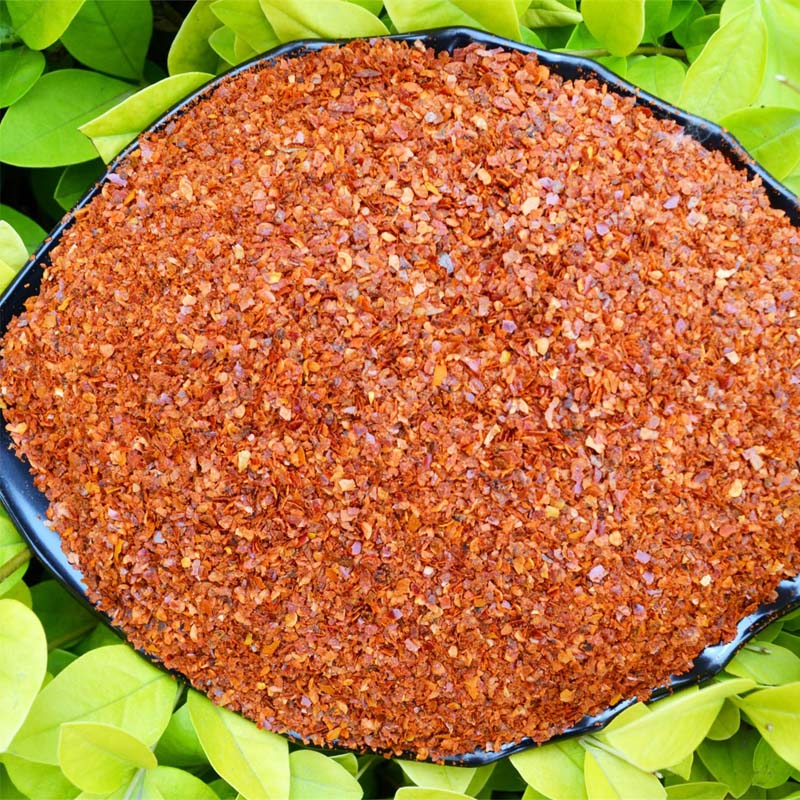
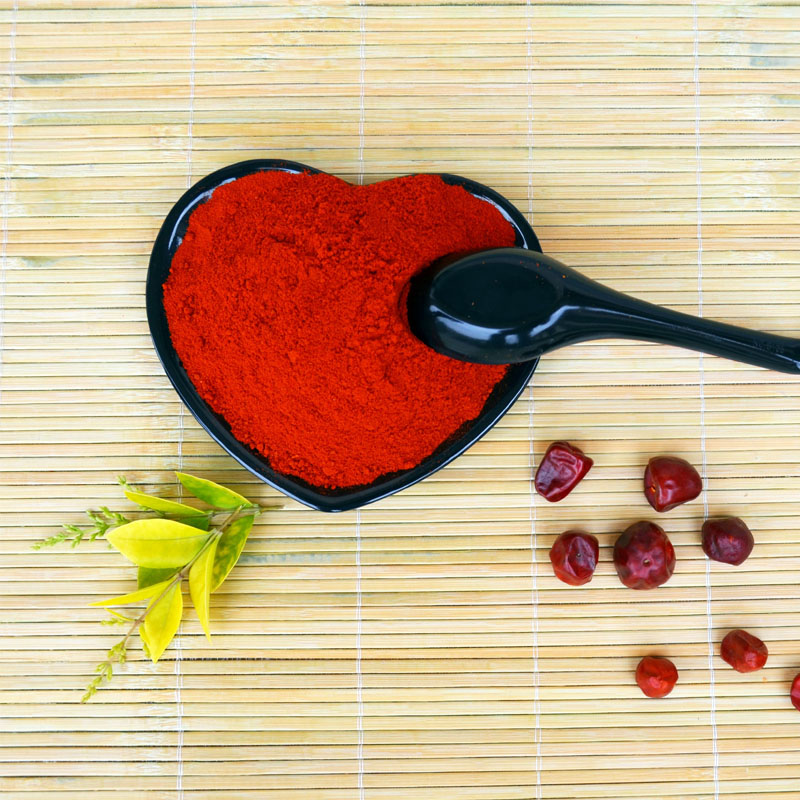
In real terms, pepper red crushed is simply crushed red pepper flakes — but the devil’s in the details. The type of red pepper used, the drying technique, milling process, and quality control all matter. Frankly, much like production lines for fine industrial components, even tiny variations can affect the final outcome. Consistency in heat level, color, and particle size plays a big role, especially for food manufacturers or spice grinders who want predictable performance.
Many engineers I’ve chatted with over the years say that sourcing materials with stable quality is half the battle. With spices, this means sourcing from trusted farmers who grow Capsicum annuum varieties under controlled conditions, then drying the peppers naturally or with low-heat ovens to preserve their vibrant red color and pungent aroma. Pepper red crushed that’s too dry loses flavor, but if it’s too moist, it clumps or may even mold, which is, of course, a non-starter in food safety terms.
Here’s a quick view of typical product specifications. I’d say these specs offer a useful baseline to compare vendors or batches:
| Specification | Typical Value |
|---|---|
| Capsaicin Content (Heat) | 25,000 - 50,000 Scoville units |
| Moisture Content | 8% max |
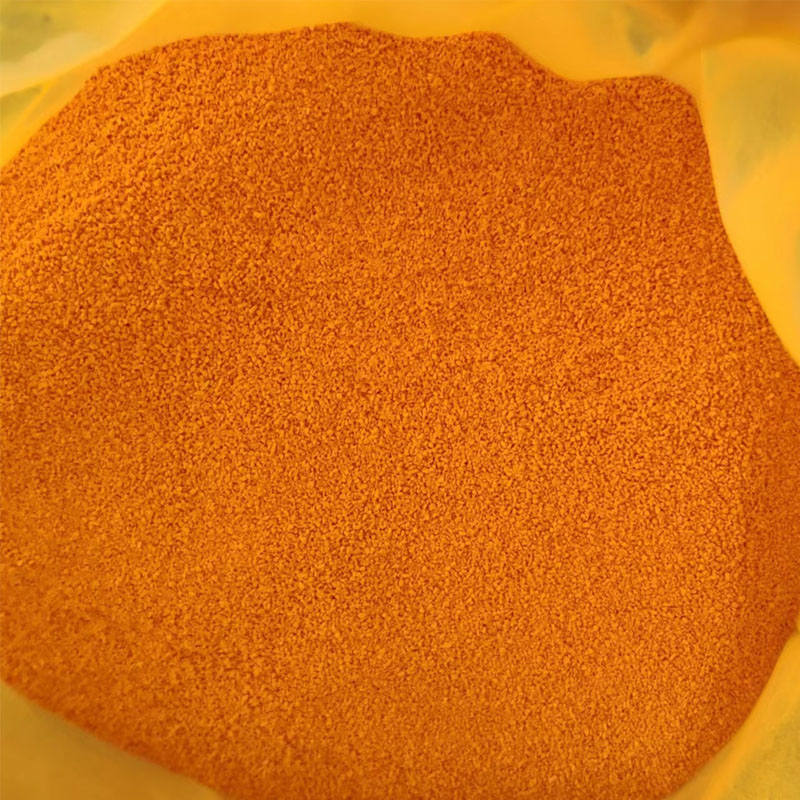
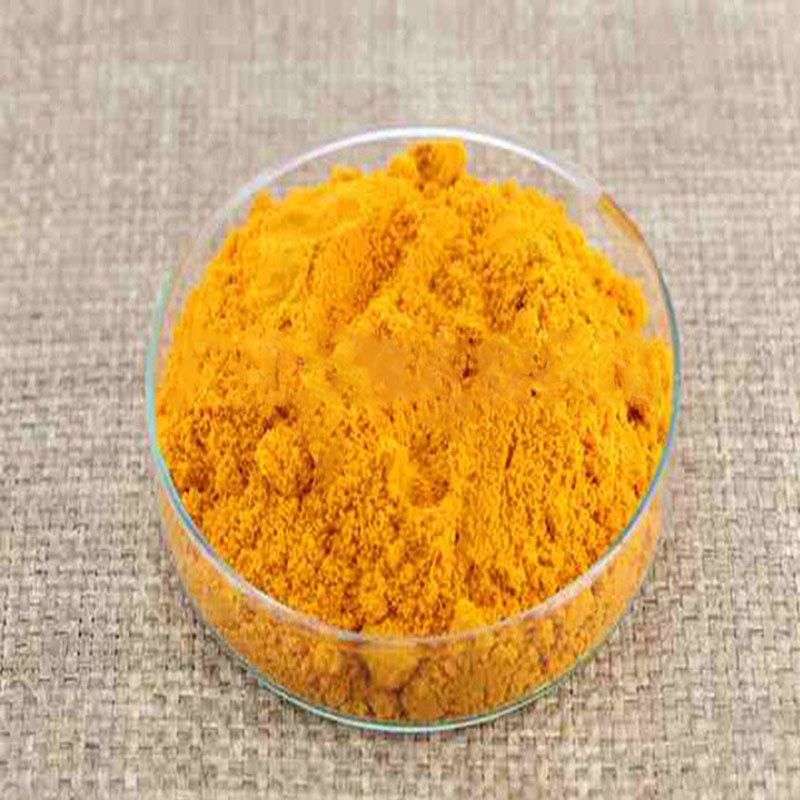
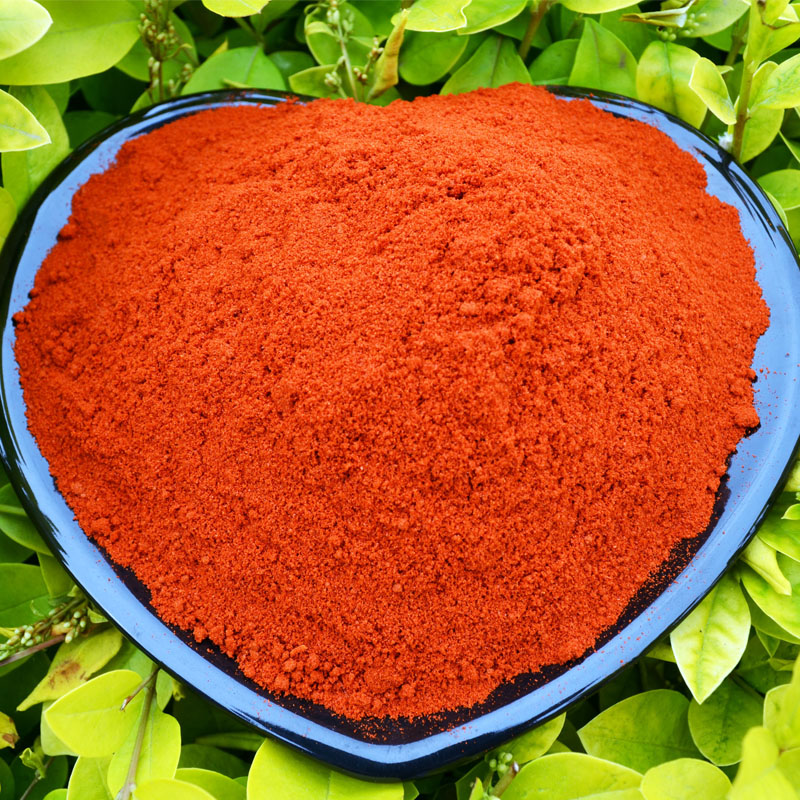
| Color | Bright red flakes, 2-5 mm |
| Purity | >98% pure crushed red pepper |
| Packaging | Vacuum-sealed bags, 1kg - 25kg |
Now, I know not all suppliers are created equal. After comparing a few vendors (and I’ve had the privilege—or headache—of sourcing various spice types over the years), it helps to have a quick rundown of what separates the good from the great. Here’s a vendor comparison reflecting aspects I usually consider, especially for bulk industrial use:
| Vendor | Quality Consistency | Certifications | Packaging Options | Customer Support |
|---|---|---|---|---|
| Hongri Spice | High | ISO 22000, HACCP | 1kg - 25kg Vacuum Packs | Responsive & Knowledgeable |
| SpiceCo Traders | Moderate | Organic Certified | Bulk Bags 10kg+ | Standard Support |
| PepperPlus Inc. | High | FSSC 22000 | Custom Packaging Available | Good but Slow Response |
Oddly enough, one of the more memorable experiences I had was working alongside a small artisanal chili processor using crushed red pepper in a large-scale blending system designed for food service packing. They emphasized how critical uniform particle size was to ensure even heat distribution. I could tell they’d been burned (figuratively and literally) trying cheaper spices that varied wildly. Ever since switching to a more controlled supplier, the feedback from chefs was noticeably better. It feels like a small detail, but it’s really about reliability in the supply chain.
To anyone interested, I’d say one of the best moves is partnering with reputable suppliers who understand industrial requirements—and frankly, who take the science of spice seriously. Pepper red crushed might seem simple. Still, when you dig deeper, the ways it’s processed and tested—as well as how it’s handled in the supply chain—impact performance on both industrial and culinary fronts.
In sum, whether you’re working with spices as raw materials or end ingredients, keep an eye on quality measures, certification, and supplier responsiveness. You’d be surprised how much peace of mind that brings. And as for me, I still appreciate the occasional spicy kick in life — especially when it’s sourced right.
1. Industrial Quality Standards in Food Ingredients. 2. Capsicum annuum Varieties and Heat Profiles. 3. Supply Chain Impacts on Spice Consistency.

-
Guide to Sourcing and Using Premium Dried Spicy PeppersNewsApr.16,2026
-
Dried Spur Chili Guide to Premium Flavor and Industrial QualityNewsApr.09,2026
-
Exploring the World of Dried Whole Chili Peppers and Their Culinary UsesNewsApr.07,2026
-
Exploring the Culinary World of Dried Whole Chillies and Their Versatile UsesNewsApr.04,2026
-
Exploring the World of Red Dried Chiles and Their Culinary UsesNewsMar.31,2026
-
Exploring the Culinary World of Red Dried Chili Peppers and Their Versatile UsesNewsMar.28,2026
 Afrikaans
 Albanian
 Amharic
 Arabic
 Armenian
 Azerbaijani
 Basque
 Belarusian
 Bengali
 Bosnian
 Bulgarian
 Catalan
 Cebuano
 Corsican
 Croatian
 Czech
Czech
 Danish
 Dutch
Dutch
 Esperanto
 Estonian
 Finnish
 French
 Frisian
 Galician
 Georgian
 German
 Greek
Greek
 Gujarati
 Haitian Creole
 Hausa
Hausa
 Hawaiian
 Hebrew
 Hindi
Hindi
 Miao
Miao
 Hungarian
 Icelandic
 Igbo
Igbo
 Indonesian
 Irish
Irish
 Italian
 Japanese
 Javanese
 Kannada
 Kazakh
 Khmer
Khmer
 Rwandese
 Korean
 Kurdish
 Kyrgyz
 Lao
Lao
 Latin
Latin
 Latvian
 Lithuanian
 Luxembourgish
 Macedonian
 Malgashi
 Malay
Malay
 Malayalam
 Maltese
 Maori
Maori
 Marathi
 Mongolian
 Myanmar
 Nepali
 Norwegian
 Norwegian
 Occitan
 Pashto
 Persian
 Polish
 Portuguese
 Punjabi
 Romanian
 Russian
 Samoan
 Scottish Gaelic
 Serbian
 Sesotho
 Shona
Shona
 Sindhi
 Sinhala
 Slovak
 Slovenian
 Somali
 Spanish
 Sundanese
 Swahili
 Swedish
 Tagalog
 Tajik
Tajik
 Tamil
Tamil
 Tatar
Tatar
 Telugu
 Thai
Thai
 Turkish
 Turkmen
 Ukrainian
 Urdu
Urdu
 Uighur
 Uzbek
Uzbek
 Vietnamese
 Welsh
Welsh
 Bantu
Bantu
 Yiddish
 Yoruba
 Zulu
Zulu
 English