- No. 268 Xianghe Street, Economic Development Zone of Xingtai city, Hebei 054001 China
- Byron@hbhongri.cn
Exploring the Use of Chili Powder: Applications, Benefits & Industry Insights
The Use of Chili Powder: More Than Just a Spice
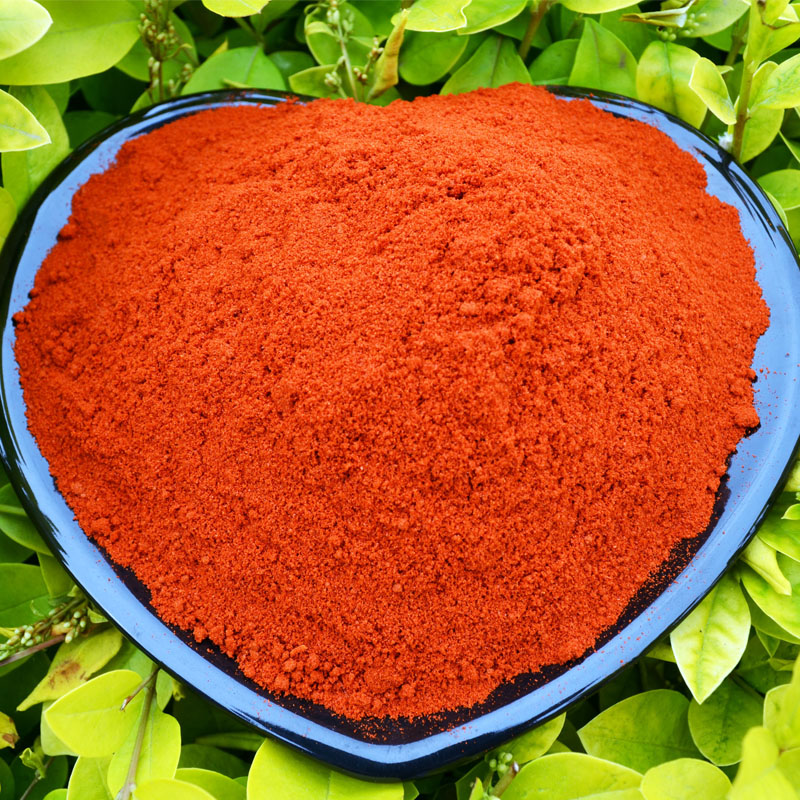
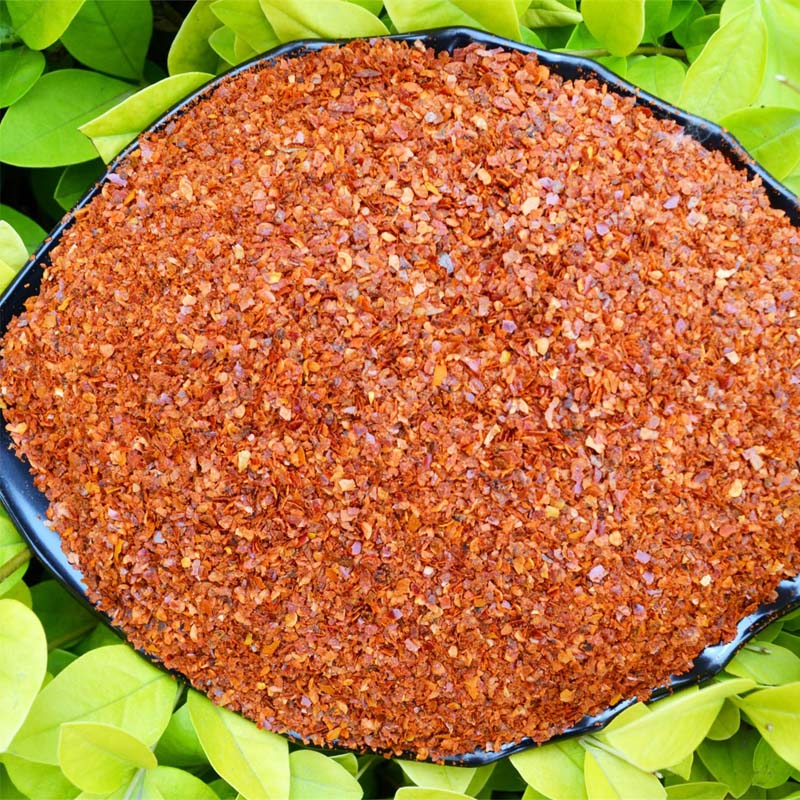
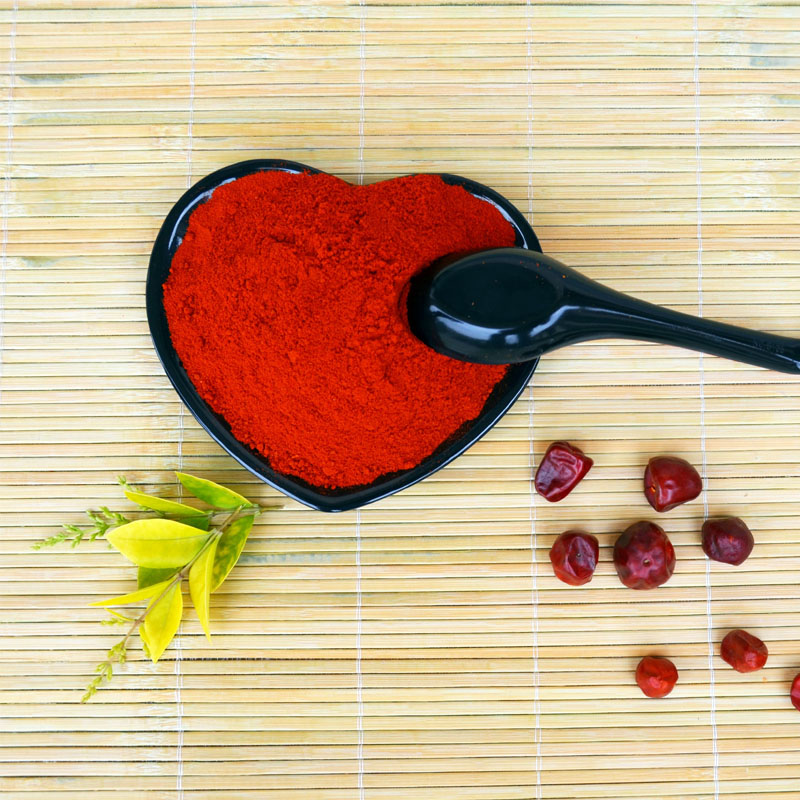
When you think of chili powder, the first thing that probably springs to mind is a fiery kick in your favorite dish. But the use of chili powder extends much beyond the kitchen. Globally, chili powder is not just a staple spice but also a cultural connector, an economic driver for farming communities, and even a subject of scientific study. Understanding chili powder's multifaceted roles shines a light on its economic, nutritional, and industrial significance. Plus, it’s sort of fascinating how this vibrant red powder has traveled from humble origins to become an internationally traded commodity.
A Quick Global Snapshot
According to the Food and Agriculture Organization (FAO), over 33 million tonnes of chili peppers are produced annually worldwide. Countries like India, China, and Mexico dominate production, with chili powder being a key product for both local consumption and export. With rising demand for spicy foods and natural food colorants, the use of chili powder has become increasingly relevant. Yet, challenges such as quality control, sustainable farming, and supply chain complexities persist.
Mini takeaway: Chili powder is more than just a flavor booster — it’s a critical agricultural export with broad commercial and cultural impact.
What Exactly Do We Mean by Use of Chili Powder?
At its core, the use of chili powder means applying dried, ground chili peppers in various contexts. While culinary uses top the list—from adding heat to stews to spice rubs—its role broadens when we consider fields like natural coloring agents, medicinal additives, and even pest control in agriculture. Modern industries are exploring chili extracts and powders for industrial products like organic pesticides and antioxidant supplements. Oddly enough, something so simple packs layers of meaning and utility.
Mini takeaway: Chili powder is versatile, with culinary, health, and industrial uses intertwining in unexpected ways.
Key Aspects Behind the Use of Chili Powder
1. Quality and Purity
The effectiveness and appeal of chili powder depend heavily on its quality. Factors such as the variety of chili, drying method, and storage conditions all influence the powder’s pungency, color, and aroma. ISO standards like ISO 3632 help regulate quality in global trade, but enforcement varies. For industries that rely on chili powder’s color and capsaicin content, purity is paramount.
2. Economic Viability
Many rural economies depend on chili farming. Chili powder processing adds value locally, boosting income. However, price volatility and supply chain disruptions can affect farmers and manufacturers alike, especially in developing countries.
3. Nutritional and Health Benefits
Rich in vitamins A, C, E, and antioxidants, chili powder also contains capsaicin, known for analgesic and metabolism-boosting properties. These aspects drive increasing consumer interest in health supplements and functional foods featuring chili powder.
4. Cultural Identity and Culinary Traditions
In places like India, Mexico, and Korea, chili powder is not just an ingredient but a cultural symbol. Its use connects generations and traditions, influencing cuisine diversity worldwide.
Mini takeaway: From quality standards to cultural influence, chili powder’s core aspects shape its varied applications across markets and industries.
Real-World Applications and Use Cases
- Food Industry: The primary use remains as a spice and natural colorant in snacks, sauces, and ready meals.
- Agriculture: Capsaicin extracted from chili powder serves as a natural pesticide, providing eco-friendly alternatives.
- Pharmaceuticals & Nutraceuticals: Used for pain relief balms and dietary supplements, capitalizing on capsaicin’s medicinal properties.
- Post-Disaster Food Relief: Ready-to-eat meals often use chili powder as a flavor enhancer and preservative due to its antimicrobial properties.
- Cosmetics & Personal Care: Incorporated into topical creams for its warming effect.
Take India as an example: its vast chili powder manufacturing centers supply to both local markets and export globally. Meanwhile, organizations like the World Food Programme often support food fortification projects that include chili powder for nutritional enhancement.
Mini takeaway: The scale and diversity of chili powder applications highlight its indispensable role in several global industries.
Advantages and Long-Term Value of Using Chili Powder
There’s something broadly reassuring about a good chili powder — it lasts, it flavors, and it nourishes. Here’s why many producers and consumers value it:
- Cost-Effective: Compared to synthesized additives, chili powder is a natural, often cheaper alternative.
- Sustainability: When sourced responsibly, it supports eco-friendly farming practices.
- Health & Well-Being: Capsaicin promotes circulation and pain relief, with ongoing research into its anti-inflammatory effects.
- Reliable Supply: Global production makes chili powder more accessible than some rarer spices.
- Cultural Connection: For millions, it’s a daily comfort, linked to identity and tradition.
Chili Powder Product Specifications
| Specification | Typical Range | Notes |
|---|---|---|
| Capsaicin content | 0.5 – 2.0% | Determines spiciness level |
| Moisture content | ≤ 12% | Affects shelf life |
| Particle size | 100–500 microns | Texture for culinary use |
| Color value (ASTA) | > 70 ASTA units | Indicates pigment strength |
| Ash content | ≤ 7% | Reflects purity |
Leading Chili Powder Vendors Compared
| Vendor | Origin | Quality Certification | Pricing ($/kg) | Supply Capacity |
|---|---|---|---|---|
| SpiceKing LLC | India | ISO 3632, Organic | $5.50 | 50 tons/month |
| RedFlare Spices | Mexico | ISO 22000 | $6.00 | 30 tons/month |
| HotSpice Traders | China | HACCP, ISO 9001 | $4.80 | 70 tons/month |
Shaping the Future of Chili Powder Use
Exciting developments are underway in chili powder production and application. Automation in harvesting and processing improves consistency and reduces waste. Biotechnological advances enable developing chili varieties with higher capsaicin and nutrient density. Plus, digital traceability—think blockchain—helps ensure quality and fair trade practices.
We’re also seeing a push for greener packaging and carbon-neutral farming methods which could transform how chili powder is sourced and delivered worldwide. So, while it’s easy to think of chili powder just as a spice, its future feels like a story of sustainability, technology, and added value. It’s peppering its way into new industries and consumer lifestyles.
Challenges — and How the Industry is Tackling Them
Despite its widespread use, chili powder faces issues:
- Consistency: Variability in capsaicin and color makes quality control tricky.
- Adulteration: Some suppliers mix fillers, which hurts trust.
- Supply chain vulnerabilities: Climate change disrupts growing seasons.
To combat these, companies apply rigorous testing methods, implement certification standards, and invest in drought-resistant chili cultivars. Partnerships between NGOs and governments also support smallholder farmers in accessing better resources.
FAQ: Frequently Asked Questions About the Use of Chili Powder
Q1: How does the quality of chili powder affect recipe outcomes?
A: Quality impacts both flavor and heat intensity. Lower-quality powders may have inconsistent pungency or off-flavors, so using a reliable source ensures dishes achieve their intended taste profile.
Q2: Can chili powder be used as a natural preservative?
A: Yes, chili powder contains antimicrobial compounds that can extend shelf life by inhibiting bacteria and fungi, making it useful in food preservation alongside its flavoring role.
Q3: Is organic chili powder worth the extra cost?
A: For consumers seeking chemical-free products or supporting sustainable farming, organic chili powder offers benefits, though the price tends to be higher due to stricter growing standards.
Q4: How is chili powder production adapting to climate change?
A: Through developing hardy chili cultivars, employing water-efficient irrigation, and diversifying supply regions, producers are mitigating climate risks and safeguarding future supply.
Q5: Are there non-culinary uses of chili powder I should know about?
A: Absolutely. Apart from cooking, it's used in pharmaceuticals, pest management, and cosmetics due to capsaicin’s unique properties.
Wrapping Up: Why the Use of Chili Powder Matters Today and Tomorrow
Ultimately, chili powder is a humble ingredient that carries a wealth of meaning—from health and tradition to industrial innovation and economic livelihoods. Its use in global markets spans many arenas, reflecting the spice's journey from simple kitchen staple to a valuable commodity. As trends shift towards sustainable and high-quality natural products, chili powder’s role will only grow richer and more complex.
Curious to explore more about how chili powder can spice up your business or culinary projects? Visit our website for deeper insights, quality sourcing, and detailed product offerings.
References
-
Guide to Sourcing and Using Premium Dried Spicy PeppersNewsApr.16,2026
-
Dried Spur Chili Guide to Premium Flavor and Industrial QualityNewsApr.09,2026
-
Exploring the World of Dried Whole Chili Peppers and Their Culinary UsesNewsApr.07,2026
-
Exploring the Culinary World of Dried Whole Chillies and Their Versatile UsesNewsApr.04,2026
-
Exploring the World of Red Dried Chiles and Their Culinary UsesNewsMar.31,2026
-
Exploring the Culinary World of Red Dried Chili Peppers and Their Versatile UsesNewsMar.28,2026
 Afrikaans
 Albanian
 Amharic
 Arabic
 Armenian
 Azerbaijani
 Basque
 Belarusian
 Bengali
 Bosnian
 Bulgarian
 Catalan
 Cebuano
 Corsican
 Croatian
 Czech
Czech
 Danish
 Dutch
Dutch
 Esperanto
 Estonian
 Finnish
 French
 Frisian
 Galician
 Georgian
 German
 Greek
Greek
 Gujarati
 Haitian Creole
 Hausa
Hausa
 Hawaiian
 Hebrew
 Hindi
Hindi
 Miao
Miao
 Hungarian
 Icelandic
 Igbo
Igbo
 Indonesian
 Irish
Irish
 Italian
 Japanese
 Javanese
 Kannada
 Kazakh
 Khmer
Khmer
 Rwandese
 Korean
 Kurdish
 Kyrgyz
 Lao
Lao
 Latin
Latin
 Latvian
 Lithuanian
 Luxembourgish
 Macedonian
 Malgashi
 Malay
Malay
 Malayalam
 Maltese
 Maori
Maori
 Marathi
 Mongolian
 Myanmar
 Nepali
 Norwegian
 Norwegian
 Occitan
 Pashto
 Persian
 Polish
 Portuguese
 Punjabi
 Romanian
 Russian
 Samoan
 Scottish Gaelic
 Serbian
 Sesotho
 Shona
Shona
 Sindhi
 Sinhala
 Slovak
 Slovenian
 Somali
 Spanish
 Sundanese
 Swahili
 Swedish
 Tagalog
 Tajik
Tajik
 Tamil
Tamil
 Tatar
Tatar
 Telugu
 Thai
Thai
 Turkish
 Turkmen
 Ukrainian
 Urdu
Urdu
 Uighur
 Uzbek
Uzbek
 Vietnamese
 Welsh
Welsh
 Bantu
Bantu
 Yiddish
 Yoruba
 Zulu
Zulu
 English