- No. 268 Xianghe Street, Economic Development Zone of Xingtai city, Hebei 054001 China
- Byron@hbhongri.cn
Premium Mild Red Pepper Powder | Quality Spice for Global Cuisine & Industry
Understanding Mild Red Pepper Powder: A Global Spice Staple
Spices have shaped cuisines and cultures worldwide, but none quite like mild red pepper powder. This versatile ingredient blends warmth without crippling heat, creating a subtle depth in dishes from all corners of the globe. But it's more than just a flavor enhancer — its production and use impact agriculture, trade, and even health. Knowing what mild red pepper powder is and why it matters can unlock insights into global markets, sustainable farming, and food innovation.
That’s not just an overstatement. According to the Food and Agriculture Organization, global chili pepper production has steadily increased, reflecting consumer demand for milder, approachable spices that work in diverse recipes. Yet, challenges remain: climate change affecting yields, supply inconsistencies, and quality control. We’ll explore all these facets shortly.
What Is Mild Red Pepper Powder, Really?
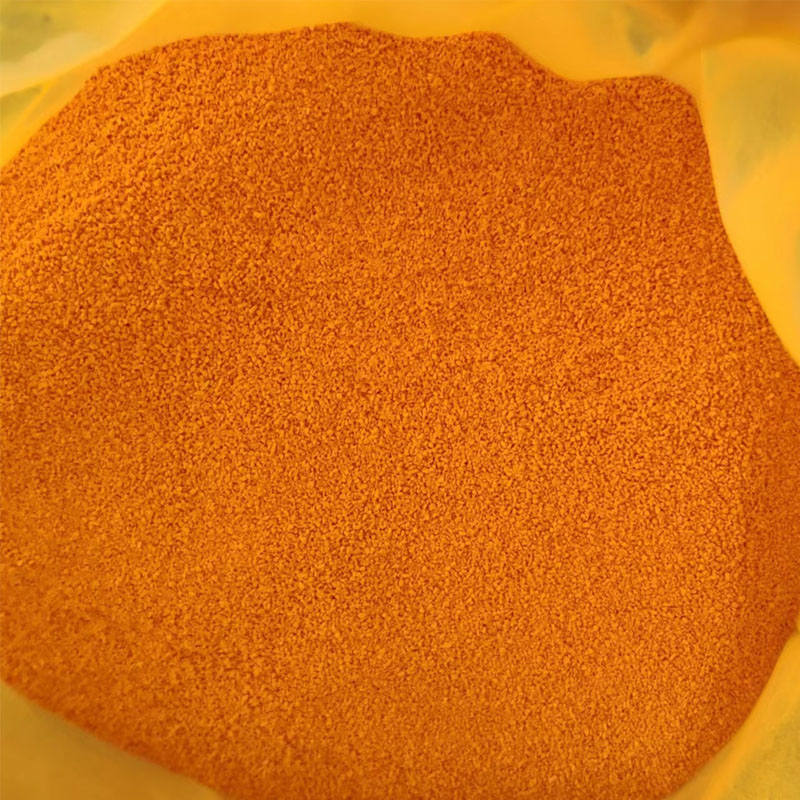
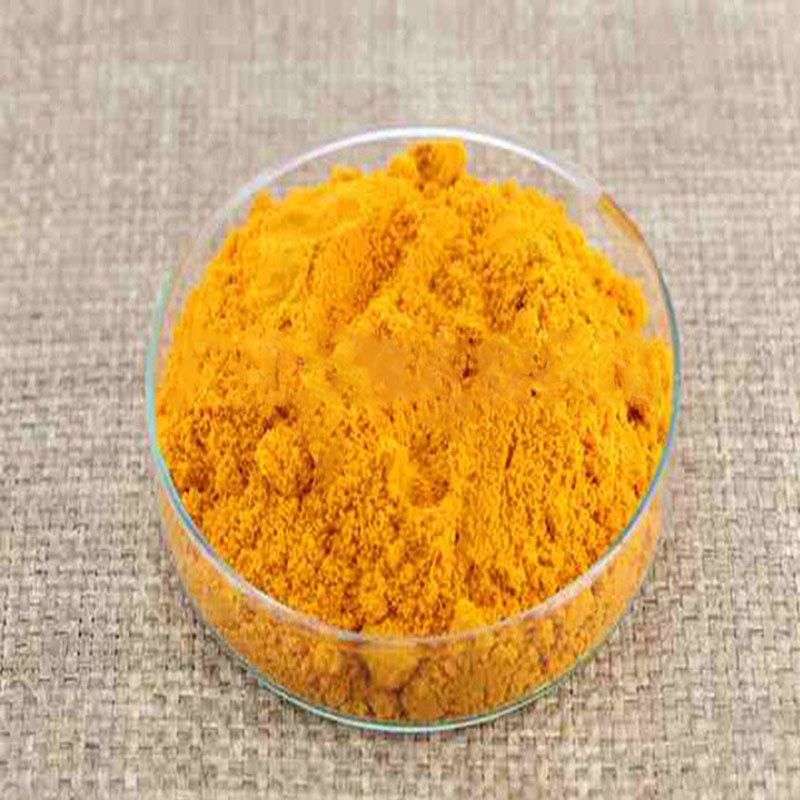
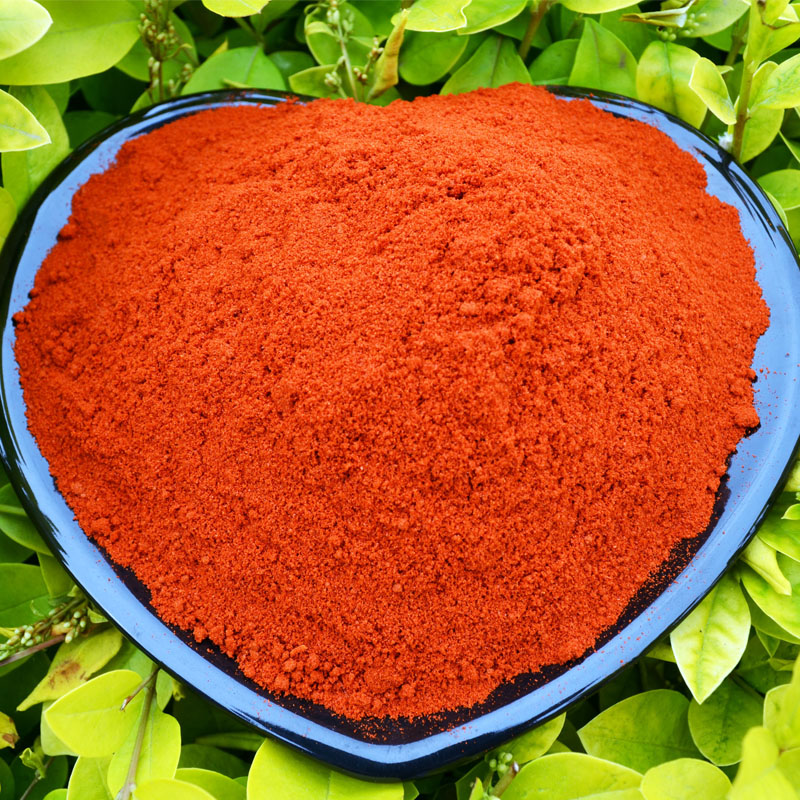
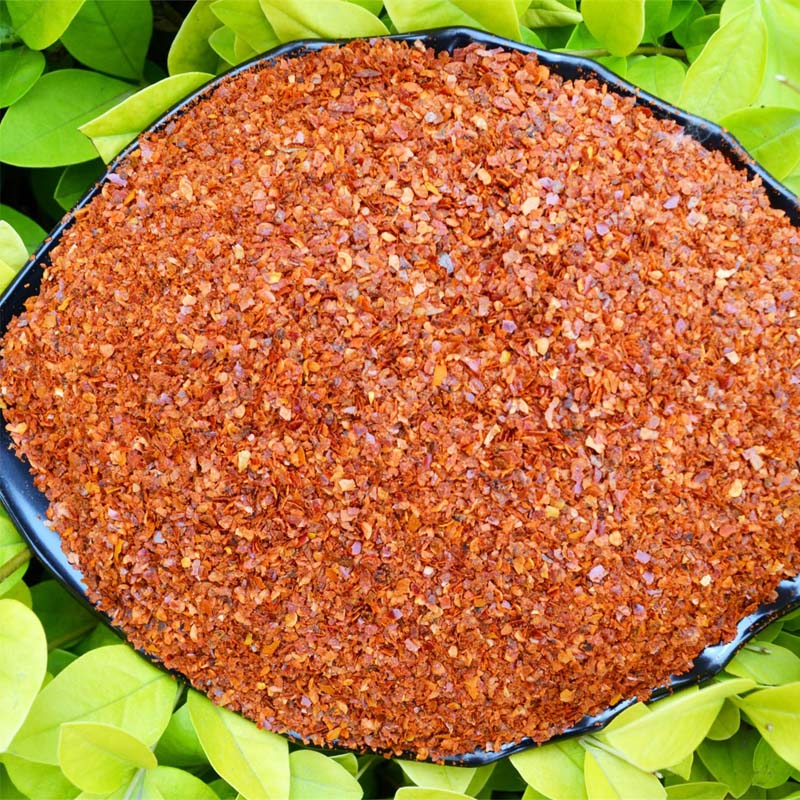
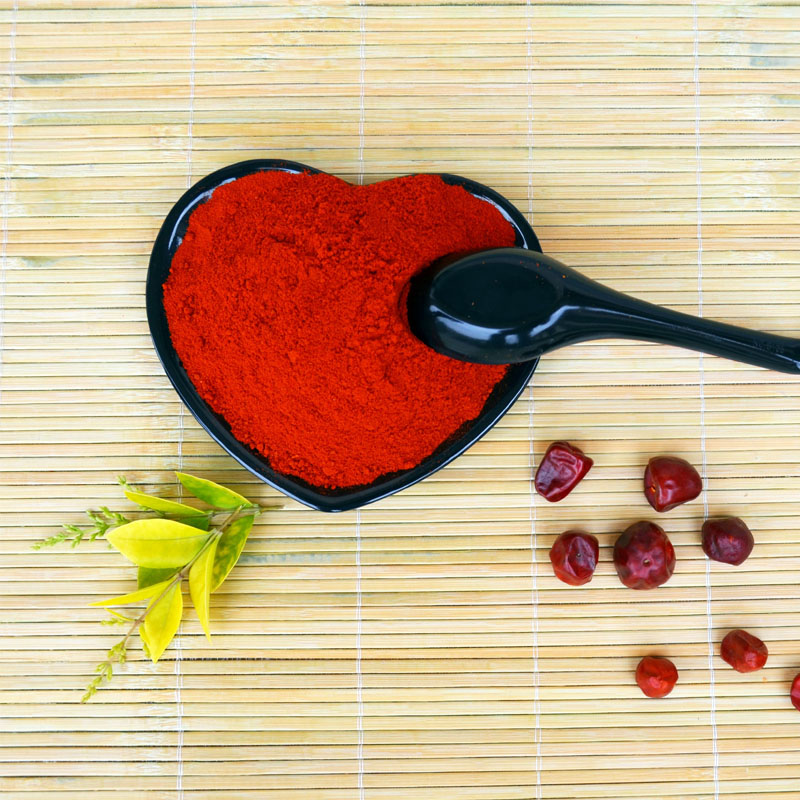
Simply put, mild red pepper powder is finely ground red chili peppers selected for their low capsaicin content — that chemical compound responsible for heat. The peppers used usually come from varieties bred or chosen specifically not to burn the tongue, making them widely accessible across age groups and cultures. The powder itself is vibrant red, aromatic, and adds a rich color and subtle warmth to food.
This spice links tightly to industry trends: from food manufacturing to humanitarian aid. For example, its long shelf life and nutritional profile make it suitable for inclusion in emergency food supplies distributed by NGOs. It's a small but powerful tool to enhance bland rations cheaply — giving dignity and pleasure through taste. The mix of mildness and flavor also fits well with today's consumer shift toward balanced, easy-to-enjoy heat levels.
Core Components and Considerations in Mild Red Pepper Powder
1. Capsaicin Level: The Heat Factor
The defining trait is low capsaicin concentration, typically measured in Scoville Heat Units (SHU). Mild powders range from 100 to 1,000 SHU, making them pleasing rather than overpowering. This allows wider culinary usage, especially for children or heat-sensitive consumers.
2. Color Quality and Pigmentation
The bright red hue signals freshness and quality. Color stability matters, especially for packaged goods. Modern producers use drying techniques like low-temperature air drying to preserve pigments.
3. Flavor Profile: Fruity, Sweet, and Earthy Notes
Beyond heat, mild powders offer complex flavors — think fruity, smoky, or slightly sweet — depending on pepper origin, batch, and processing. These nuances often influence regional recipe success.
4. Production and Sourcing Practices
Sustainable sourcing is increasingly important. Farmers practicing organic or fair trade methods can influence properties such as pesticide residue and socio-economic impact.
5. Packaging and Shelf Life
Effective packaging with oxygen barriers ensures longer shelf life without flavor loss, critical for export markets and humanitarian logistics.
Global Applications & Real-World Use Cases
Curiously enough, this spice’s reach extends way beyond grandma’s kitchen. It's essential in global food industries, including snack manufacturing, ready-to-eat meals, and even spice blends for school feeding programs in developing countries. Here's a quick sketch of where it counts:
- South Asia & Latin America: Integral to everyday meals, mild red pepper powder serves as a staple seasoning.
- Humanitarian Aid: Food rations used by organizations like the World Food Programme often include mild spices to maintain dignity in emergency feeding.
- Export Markets: European and North American food producers rely on consistent mild powders for processed foods and sauces.
- Cosmetics & Pharmaceuticals: Capsaicin’s anti-inflammatory properties have led to derivative use in topical treatments, signaling cross-industry potential.
In post-disaster food relief, mild red pepper powder can dramatically improve bland staple diets, simultaneously delivering antioxidants and boosting morale through flavor improvement.
Product Specification Table: Typical Mild Red Pepper Powder
| Specification | Value | Notes |
|---|---|---|
| Capsaicin Content (SHU) | 100–1,000 | Low heat; suitable for all ages |
| Moisture Content | Ensures shelf life | |
| Color (ASTA Units) | 50–80 | Brightness index |
| Packaging | Foil pouch or bulk bags | Oxygen barrier preferred |
| Shelf Life | 12–18 months | Depends on storage conditions |
Comparing Leading Mild Red Pepper Powder Suppliers
| Vendor | Capsaicin Level (SHU) | Organic Certification | Annual Capacity (tons) | Main Export Regions |
|---|---|---|---|---|
| Hongri Spice Co. | 150–900 | Yes | 5,000 | Asia, Europe, USA |
| SpiceWorld Exports | 100–700 | No | 3,500 | North America, Australia |
| Global Peppers Ltd. | 200–1,000 | Yes | 4,200 | Europe, Middle East |
Why Choose Mild Red Pepper Powder? The Advantages
Frankly, the benefits stack up nicely. To start with, the mild heat appeals to a broader audience — from kids to elderly — who might shy away from fresher, hotter powders. This means fewer rejected dishes or leftovers, reducing waste in schools and public institutions.
On the sustainability front, mild red pepper powder often comes from crops less demanding of water and fertilizer compared to spicier varieties, indirectly promoting better farming practices. It fits the current wave toward ethically sourced, eco-friendly foods, which many consumers actively seek.
Emotionally, food is comfort — adding mild red pepper powder provides taste without intimidation, reviving traditional recipes or inspiring fusion dishes. Trust in consistent quality packaging also reassures exporters and retailers alike, reducing headaches caused by lost or expired stock.
Innovations and the Future of Mild Red Pepper Powder
The spice world isn’t static, no sir. Innovations such as precision breeding promise pepper lines with curated flavor profiles and guaranteed heat ranges. Digital agriculture platforms enable farmers to better track harvest quality in real-time.
Additionally, research into milder extracts for supplements or topical applications opens new markets beyond food — integrating the health benefits discovered over decades.
From an environmental perspective, greener energy used in drying and processing reduces the carbon footprint of spice manufacture, aligning with global sustainability goals. Oddly enough, a powder can embody innovation... it just does.
Challenges and How the Industry is Tackling Them
Like most agricultural products, mild red pepper powder confronts supply volatility due to pests, weather, and logistics disruptions. Fragmented smallholder farms often struggle with consistent quality too.
Experts recommend enhanced cooperative structures for growers, better traceability systems, and investment in cold chain logistics. Some companies use blockchain tech to certify authenticity and origin — reassuring buyers and consumers alike.
Also, balancing cost-efficiency with organic certifications remains tricky, but not impossible with scale and innovation.
FAQs About Mild Red Pepper Powder
Q1: How does mild red pepper powder differ from regular chili powder?
A: Mild red pepper powder is specifically sourced and processed to have a much lower capsaicin content, making it less spicy and more suitable for universal consumption. Regular chili powders often include hotter pepper varieties, leading to significantly higher heat.
Q2: What’s the best way to store mild red pepper powder to maintain freshness?
A: Store in airtight containers away from direct sunlight and moisture. Ideally, use packaging with oxygen barriers and avoid frequent opening to preserve aroma, flavor, and color for up to 18 months.
Q3: Is mild red pepper powder suitable for people sensitive to spices?
A: Yes, due to its low heat level, it’s a good introduction for those sensitive to spiciness. However, individual tolerance varies, so start with small amounts.
Q4: Can mild red pepper powder be used in medical or cosmetic products?
A: While mostly culinary, capsaicin derivatives extracted from mild peppers are used in some topical pain relief creams, although usually from hotter varieties.
Q5: How can international buyers ensure consistent quality when sourcing mild red pepper powder?
A: Partnering with certified suppliers that provide detailed testing reports, batch traceability, and organic certifications is critical. Sampling before purchase is also recommended.
Summing It Up — Why Mild Red Pepper Powder Matters
To wrap it all up, mild red pepper powder is more than just a kitchen staple — it’s an ingredient bridging cultures, industries, and innovations. It balances heat and flavor while driving sustainable farming and global trade. Whether you're a manufacturer, humanitarian organization, or culinary enthusiast, understanding this spice’s nuances unlocks deeper value.
Interested in exploring premium mild red pepper powder options? Check out mild red pepper powder to see how quality and ethics meet in every pack.
-
Guide to Sourcing and Using Premium Dried Spicy PeppersNewsApr.16,2026
-
Dried Spur Chili Guide to Premium Flavor and Industrial QualityNewsApr.09,2026
-
Exploring the World of Dried Whole Chili Peppers and Their Culinary UsesNewsApr.07,2026
-
Exploring the Culinary World of Dried Whole Chillies and Their Versatile UsesNewsApr.04,2026
-
Exploring the World of Red Dried Chiles and Their Culinary UsesNewsMar.31,2026
-
Exploring the Culinary World of Red Dried Chili Peppers and Their Versatile UsesNewsMar.28,2026
 Afrikaans
 Albanian
 Amharic
 Arabic
 Armenian
 Azerbaijani
 Basque
 Belarusian
 Bengali
 Bosnian
 Bulgarian
 Catalan
 Cebuano
 Corsican
 Croatian
 Czech
Czech
 Danish
 Dutch
Dutch
 Esperanto
 Estonian
 Finnish
 French
 Frisian
 Galician
 Georgian
 German
 Greek
Greek
 Gujarati
 Haitian Creole
 Hausa
Hausa
 Hawaiian
 Hebrew
 Hindi
Hindi
 Miao
Miao
 Hungarian
 Icelandic
 Igbo
Igbo
 Indonesian
 Irish
Irish
 Italian
 Japanese
 Javanese
 Kannada
 Kazakh
 Khmer
Khmer
 Rwandese
 Korean
 Kurdish
 Kyrgyz
 Lao
Lao
 Latin
Latin
 Latvian
 Lithuanian
 Luxembourgish
 Macedonian
 Malgashi
 Malay
Malay
 Malayalam
 Maltese
 Maori
Maori
 Marathi
 Mongolian
 Myanmar
 Nepali
 Norwegian
 Norwegian
 Occitan
 Pashto
 Persian
 Polish
 Portuguese
 Punjabi
 Romanian
 Russian
 Samoan
 Scottish Gaelic
 Serbian
 Sesotho
 Shona
Shona
 Sindhi
 Sinhala
 Slovak
 Slovenian
 Somali
 Spanish
 Sundanese
 Swahili
 Swedish
 Tagalog
 Tajik
Tajik
 Tamil
Tamil
 Tatar
Tatar
 Telugu
 Thai
Thai
 Turkish
 Turkmen
 Ukrainian
 Urdu
Urdu
 Uighur
 Uzbek
Uzbek
 Vietnamese
 Welsh
Welsh
 Bantu
Bantu
 Yiddish
 Yoruba
 Zulu
Zulu
 English