- No. 268 Xianghe Street, Economic Development Zone of Xingtai city, Hebei 054001 China
- Byron@hbhongri.cn
Comprehensive Guide to Crushed Red Pepper Spice: Benefits, Uses, and Global Impact
Crushed Red Pepper Spice: A Fiery Staple with Global Impact
Crushed red pepper spice is far more than a pantry accessory — it’s a global culinary icon and a fascinating agricultural product with deep connections to food culture, trade, and even health trends worldwide. With its vibrant color and unmistakable kick, crushed red pepper acts as a culinary enhancer in households and restaurants from New York to New Delhi. But beyond its flavorful punch, understanding crushed red pepper spice helps us appreciate global food supply chains, agricultural economies, and the evolving demand for spices in an increasingly interconnected world.
Why Crushed Red Pepper Spice Matters Globally
The global spice market is robust and growing, supported by UN trade data suggesting that spice exports worldwide topped $15 billion in recent years. Crushed red pepper, derived mainly from dried chili varieties like cayenne and jalapeño, represents a significant share of this trade. Its popularity transcends borders because it responds to very human desires: adding zest, preserving food, and even providing health benefits like metabolism support and pain relief (you can find some studies on this on Wikipedia’s chili pepper page).
However, the challenge lies in creating a consistent product that meets quality demands while adapting to climate pressures beneath changing agricultural conditions. The spicy food trend seems unstoppable, yet fluctuating harvests and supply chain interruptions pose real issues. Addressing these requires deeper understanding and innovation around how crushed red pepper spice is cultivated, processed, and traded.
What Exactly is Crushed Red Pepper Spice?
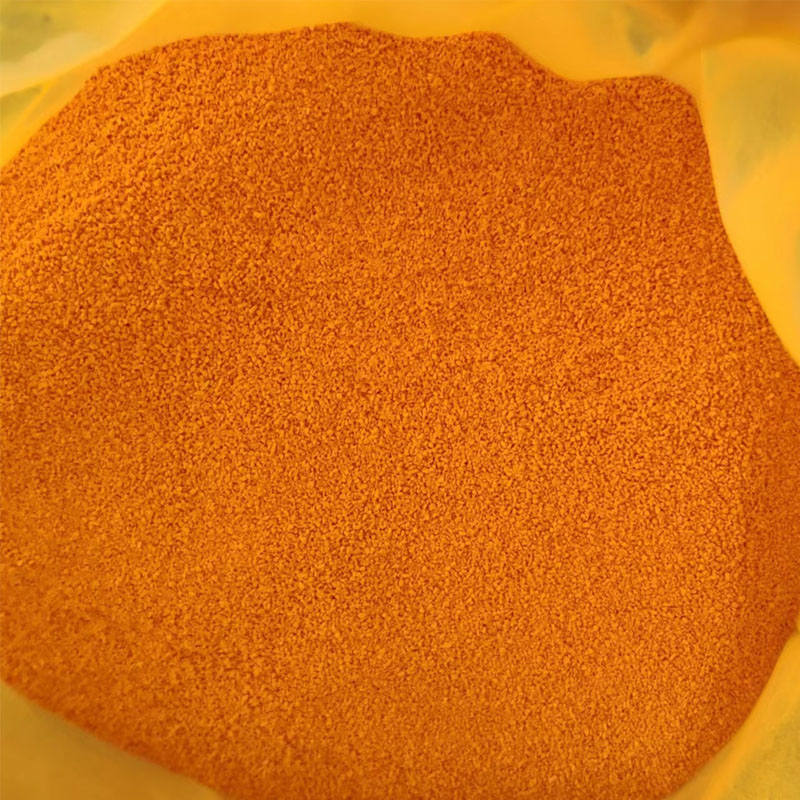
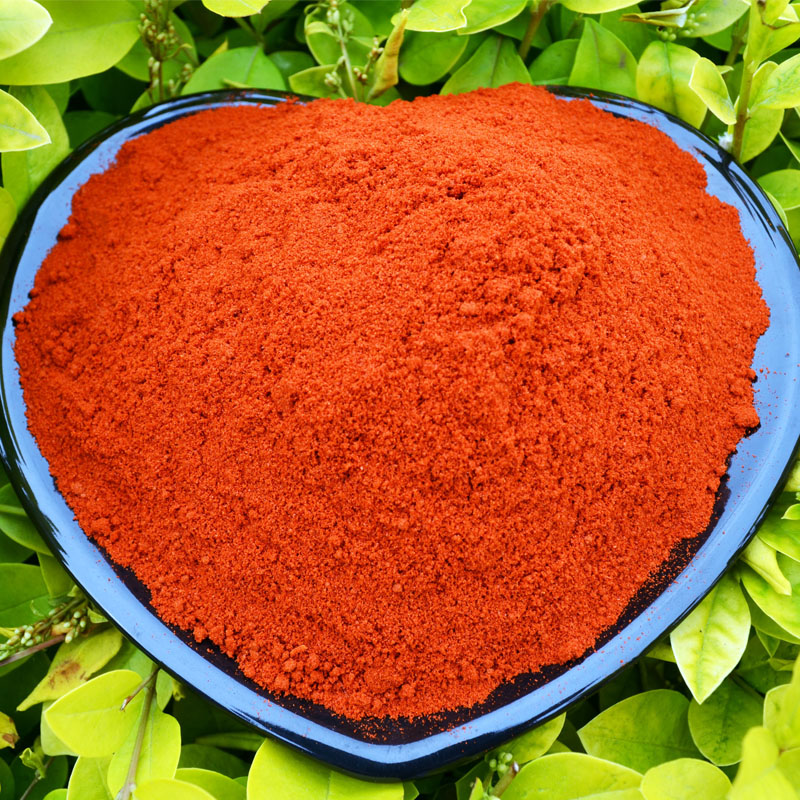
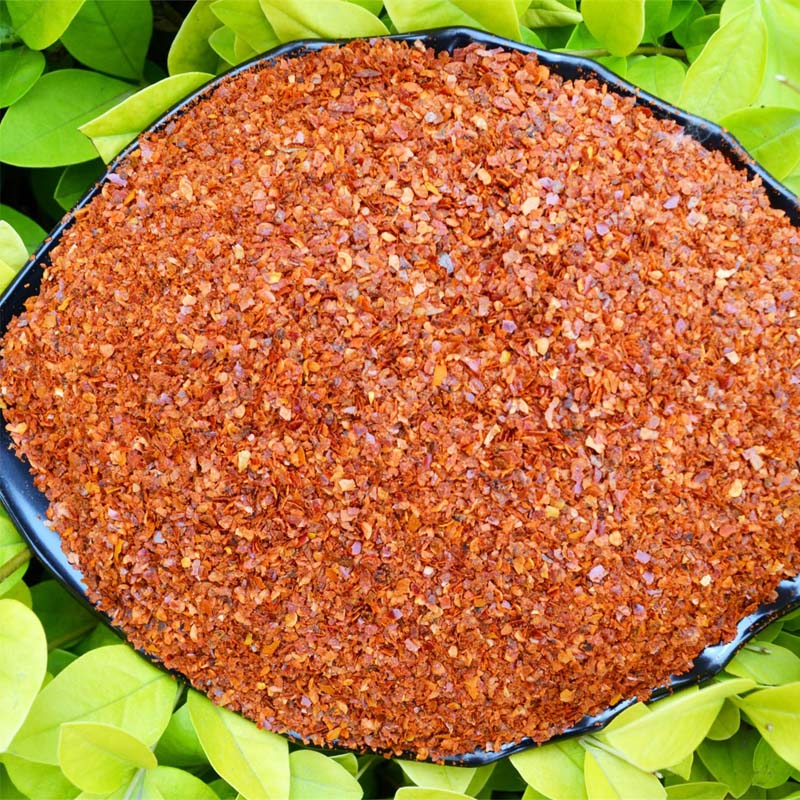
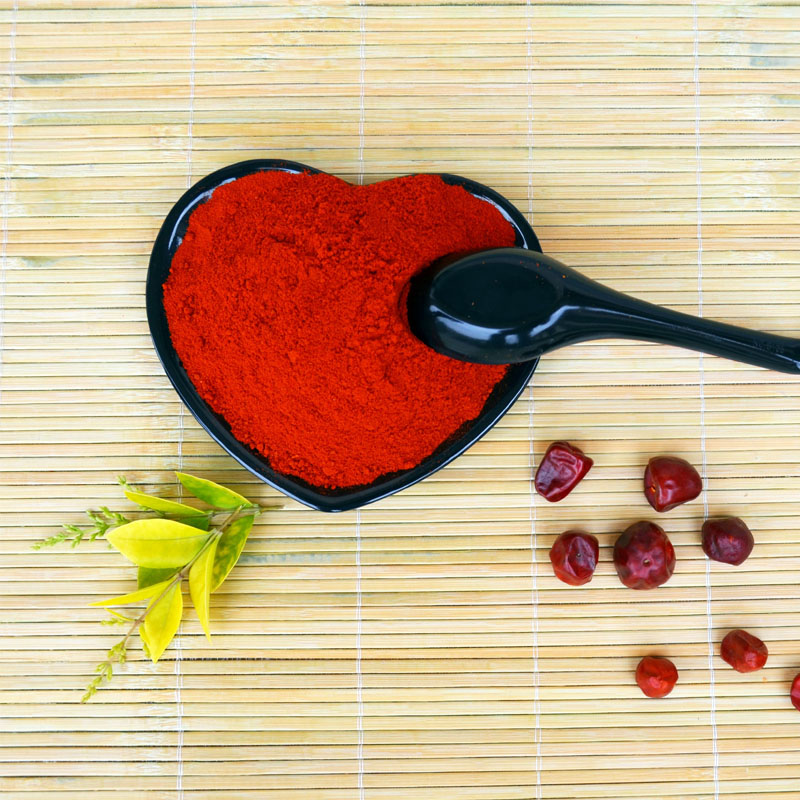
Put simply, crushed red pepper spice consists of dried and crushed chili peppers, often a blend of varieties, seeds included. Unlike powdered chili, which is finely ground, crushed red pepper maintains a coarse texture, producing a different sensory and aesthetic experience. It’s commonly sprinkled over pizzas, pasta, and a variety of dishes but also enters the scene in spice blends, sauces, and marinades worldwide.
Its industrial relevance extends beyond kitchen tables. The spice’s processing involves drying, crushing, quality sorting, and packaging — all requiring standards that impact trade and safety. For humanitarian efforts, such as food aid programs, crushed red pepper spice helps create palatable meals that encourage consumption, critical when distributing nutrition survivors desperately need.
Core Components of Crushed Red Pepper Spice
1. Variety Selection
The choice of chili variety shapes the flavor profile. Commonly, cayenne, jalapeño, and other Capsicum annum cultivars are preferred for their balance of heat and color. Regional tastes guide regional supplies — for example, Korean chili flakes (“gochugaru”) have a unique fruity note and are crucial in kimchi production.
2. Drying and Crushing Process
After harvest, peppers are sun-dried or mechanically dried to preserve flavor and color. Crushing to the right coarseness ensures optimal texture for culinary uses, and retains volatile oils delivering the heat sensation. This process demands precision; too fine, and you lose the characteristic bite; too coarse, and it becomes inconsistent.
3. Packaging & Preservation
Oxygen and moisture are enemies of crushed red pepper spice. Vacuum-sealed or nitrogen-flushed packaging extends shelf life, maintains color, and prevents contamination. This is crucial especially in exporting to distant markets where customs delays or storage conditions vary drastically.
4. Quality Control & Safety
Regulation agencies like the ISO outline limits on contaminants such as aflatoxins and pesticide residues. Ensuring compliance keeps products safe and preserves consumer trust. This has become non-negotiable in global trade.
Typical Product Specifications
| Specification | Details |
|---|---|
| Capsaicin Content | 30,000 – 50,000 Scoville Heat Units |
| Color (ASTA Units) | 45 – 60 (bright red/orange) |
| Moisture Content | |
| Particle Size | 3.5 – 6 mm (coarse flakes) |
| Pesticide Residues | Below Maximum Residue Limits (MRLs) |
Global Applications & Use Cases of Crushed Red Pepper Spice
This spice is ubiquitous in culinary industries, from casual eateries topping pies with a dash of heat, to premium food manufacturers blending it into complex spice mixes. A handful of reality-based examples:
- South Asia: Integral to cooking and street food, crushed red pepper spice infuses warmth in curries, chutneys, and marinades.
- Western Fast Food Chains: It adds scalable heat to pizzas, sandwiches, and wings, where consistency matters for brand identity.
- Humanitarian Aid Organizations: They incorporate crushed red pepper in ready-to-eat meals to make bland provisions more palatable.
- Exporting Regions: Countries like Turkey and Mexico export tons annually, supporting rural economies.
Oddly enough, it often acts as a social glue in multicultural cities, where sharing spicy dishes crosses cultural boundaries.
Vendor Comparison: Crushed Red Pepper Spice Suppliers
| Vendor | Origin | Quality Grade | Certification | Typical Pricing (per kg, USD) |
|---|---|---|---|---|
| RedSpice Co. | Turkey | Premium | ISO 9001, HACCP | $4.50 |
| Fiery Flakes Ltd. | India | Standard | FSSAI, Organic Certified | $3.80 |
| SpiceWorld Inc. | USA | Gourmet | Non-GMO, Kosher | $7.00 |
Advantages and Long-Term Value
Crushed red pepper spice delivers clear benefits: it preserves food through antimicrobial properties, enhances flavor without artificial additives, and supports sustainable agriculture when sourced responsibly. Many producers encourage regenerative farming, helping soil health while maintaining yields — smart from a long-term sourcing perspective.
On a less tangible note, it adds to the emotional tapestry of meals — food feels lively, social, even comforting with a pinch of chili heat. This trust in flavor and authenticity fosters brand loyalty and culinary innovation alike.
Future Trends & Innovations in Crushed Red Pepper Spice
Beyond traditional drying and crushing, technology is creeping in. Controlled atmosphere drying preserves more vibrant color and nutrients. There’s growing interest in organic and heritage chili varieties as consumers demand cleaner, more transparent sourcing. Digital traceability through blockchain can ensure authenticity and safety, crucial to shortening supply chains.
In terms of usage, expect innovations in packaging aimed at minimizing waste and enhancing convenience, like resealable pouches with freshness indicators. Also, plant breeding advances target peppers with tailored heat levels and enhanced antioxidants, aligning with health-conscious consumers.
Challenges & Expert Solutions
Consistent quality remains a pain point given weather unpredictability impacting harvests, and contamination risks from pesticides and molds. Yet, many spice traders and growers implement integrated pest management and invest in drying infrastructure to mitigate losses. Export delays and tariffs can threaten pricing stability, demanding savvy logistics and trade knowledge.
Globally, harmonizing quality standards is somewhere we expect progress—organizations including ISO and Codex Alimentarius are tightening food safety frameworks embraced by suppliers worldwide.
FAQ: Frequently Asked Questions About Crushed Red Pepper Spice
- Q: How is crushed red pepper different from chili powder?
- A: Crushed red pepper consists of coarse flakes that include seeds, offering texture and a sharper heat, while chili powder is a finely ground blend often including other spices like cumin or garlic powder.
- Q: Can crushed red pepper lose potency over time?
- A: Yes, exposure to light, heat, and air can degrade the oils responsible for heat and flavor. Proper airtight, cool storage preserves potency up to 12–18 months.
- Q: Is crushed red pepper spicy for everyone?
- A: Spiciness perception varies widely due to genetics and cultural familiarity. However, on the Scoville scale, crushed red pepper generally ranges from moderate to high heat, so people sensitive to spice should use it sparingly.
- Q: How can I be sure my crushed red pepper is safe and high quality?
- A: Look for certifications such as ISO, HACCP, and organic labels; reputable vendors test for pesticide residues and contaminants, providing traceable sourcing info.
Conclusion
Crushed red pepper spice is more than just a flavorful kick; it’s a complex product embedding centuries of agricultural tradition, modern food science, and global trade dynamics. Its role in food safety, culinary innovation, and cultural identity ensures it will remain a pantry staple — even as the industry tackles climate challenges and evolving consumer demands.
If you want to explore authentic crushed red pepper spice or learn more about sourcing quality products, visit our website to discover how we can ignite your dishes sustainably and safely.
A quick takeaway: Like a great meal, crushed red pepper spice blends tradition, science, and culture into something unforgettable and indispensable.
- United Nations Commodity Trade Statistics Database (UN Comtrade) — https://comtrade.un.org/
- ISO Standards on Spices and Herbs — https://www.iso.org/standards.html
- Wikipedia: Chili Pepper — https://en.wikipedia.org/wiki/Chili_pepper
-
Guide to Sourcing and Using Premium Dried Spicy PeppersNewsApr.16,2026
-
Dried Spur Chili Guide to Premium Flavor and Industrial QualityNewsApr.09,2026
-
Exploring the World of Dried Whole Chili Peppers and Their Culinary UsesNewsApr.07,2026
-
Exploring the Culinary World of Dried Whole Chillies and Their Versatile UsesNewsApr.04,2026
-
Exploring the World of Red Dried Chiles and Their Culinary UsesNewsMar.31,2026
-
Exploring the Culinary World of Red Dried Chili Peppers and Their Versatile UsesNewsMar.28,2026
 Afrikaans
 Albanian
 Amharic
 Arabic
 Armenian
 Azerbaijani
 Basque
 Belarusian
 Bengali
 Bosnian
 Bulgarian
 Catalan
 Cebuano
 Corsican
 Croatian
 Czech
Czech
 Danish
 Dutch
Dutch
 Esperanto
 Estonian
 Finnish
 French
 Frisian
 Galician
 Georgian
 German
 Greek
Greek
 Gujarati
 Haitian Creole
 Hausa
Hausa
 Hawaiian
 Hebrew
 Hindi
Hindi
 Miao
Miao
 Hungarian
 Icelandic
 Igbo
Igbo
 Indonesian
 Irish
Irish
 Italian
 Japanese
 Javanese
 Kannada
 Kazakh
 Khmer
Khmer
 Rwandese
 Korean
 Kurdish
 Kyrgyz
 Lao
Lao
 Latin
Latin
 Latvian
 Lithuanian
 Luxembourgish
 Macedonian
 Malgashi
 Malay
Malay
 Malayalam
 Maltese
 Maori
Maori
 Marathi
 Mongolian
 Myanmar
 Nepali
 Norwegian
 Norwegian
 Occitan
 Pashto
 Persian
 Polish
 Portuguese
 Punjabi
 Romanian
 Russian
 Samoan
 Scottish Gaelic
 Serbian
 Sesotho
 Shona
Shona
 Sindhi
 Sinhala
 Slovak
 Slovenian
 Somali
 Spanish
 Sundanese
 Swahili
 Swedish
 Tagalog
 Tajik
Tajik
 Tamil
Tamil
 Tatar
Tatar
 Telugu
 Thai
Thai
 Turkish
 Turkmen
 Ukrainian
 Urdu
Urdu
 Uighur
 Uzbek
Uzbek
 Vietnamese
 Welsh
Welsh
 Bantu
Bantu
 Yiddish
 Yoruba
 Zulu
Zulu
 English