- No. 268 Xianghe Street, Economic Development Zone of Xingtai city, Hebei 054001 China
- Byron@hbhongri.cn
Fresh Crushed Red Pepper: Global Impact, Uses & Benefits Explained
Understanding Fresh Crushed Red Pepper: A Global Spice Phenomenon
There's something about the humble fresh crushed red pepper that resonates worldwide. It’s more than just a kitchen staple; it’s an ingredient steeped in culture, health benefits, and surprisingly complex global supply chains. Understanding fresh crushed red pepper means appreciating its culinary versatility and its broader impacts, from economic livelihoods in farming communities to sustainable agriculture. Let’s dive into why this fiery condiment matters on a global scale, and what makes it such a spicy topic indeed.
Global Context: Why Fresh Crushed Red Pepper Matters
The global demand for red pepper products has been rising steadily. According to the Food and Agriculture Organization (FAO), world production of chili peppers surpassed 38 million metric tons in recent years, with a corresponding uptick in processed goods like crushed red pepper flakes. It’s a critical source of income for millions of farmers, especially in Asia, Africa, and Latin America.
Fresh crushed red pepper also plays an important role in nutrition and food security. Rich in vitamins A and C, antioxidants, and capsaicin — the compound accountable for its heat — it’s increasingly used in health-focused food products and culinary innovations worldwide. Yet, challenges remain: spoilage during transport, variable drying methods, and authenticity issues can limit quality.
To put it frankly, fresh crushed red pepper is not just a taste enhancer; it’s an economic and nutritional powerhouse, essential for global food systems adapting to climate change and growing urban appetites.
Defining Fresh Crushed Red Pepper
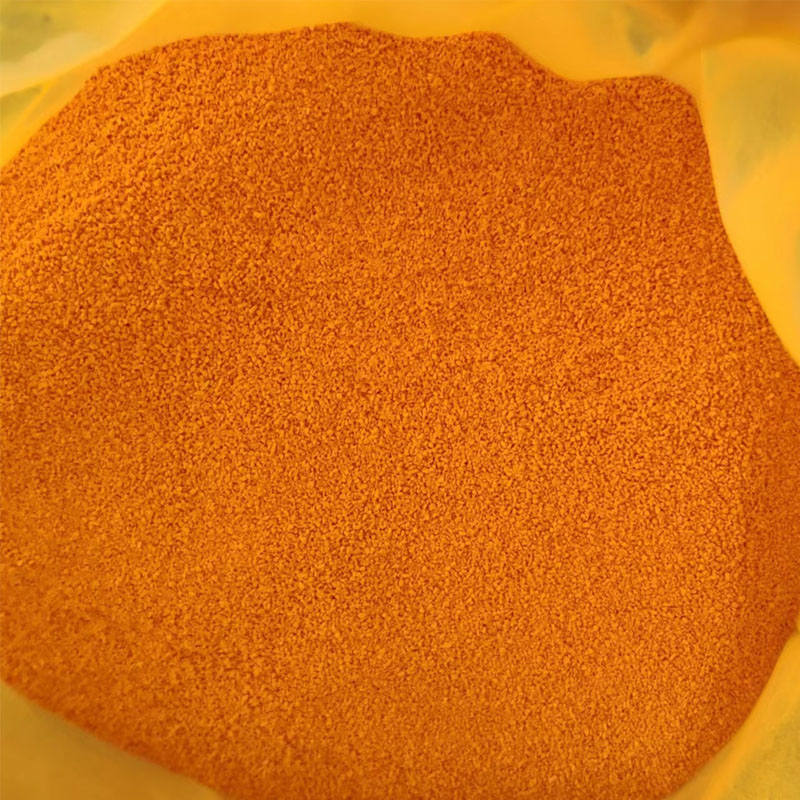
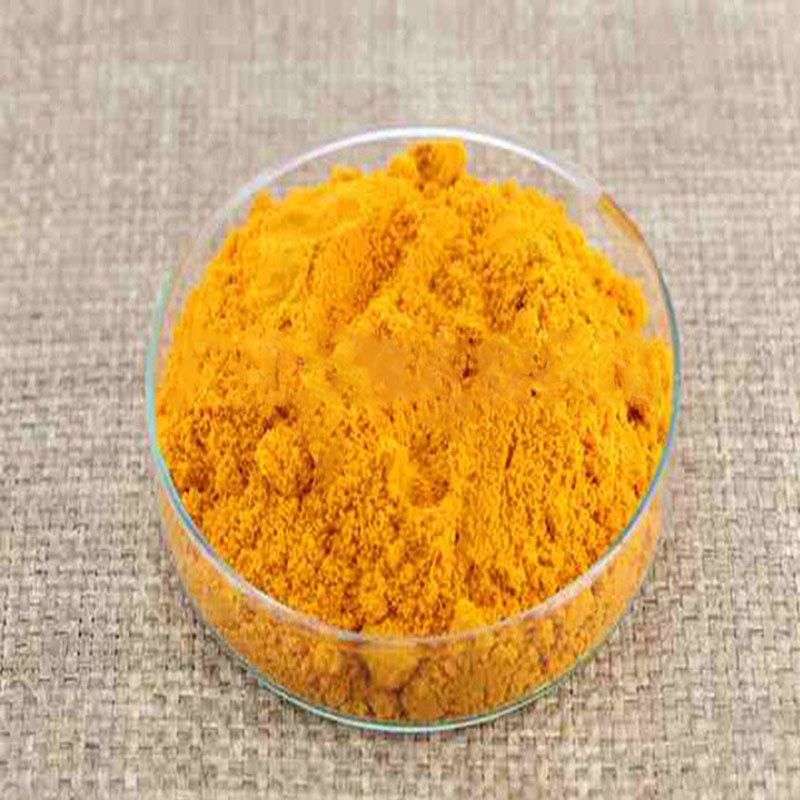
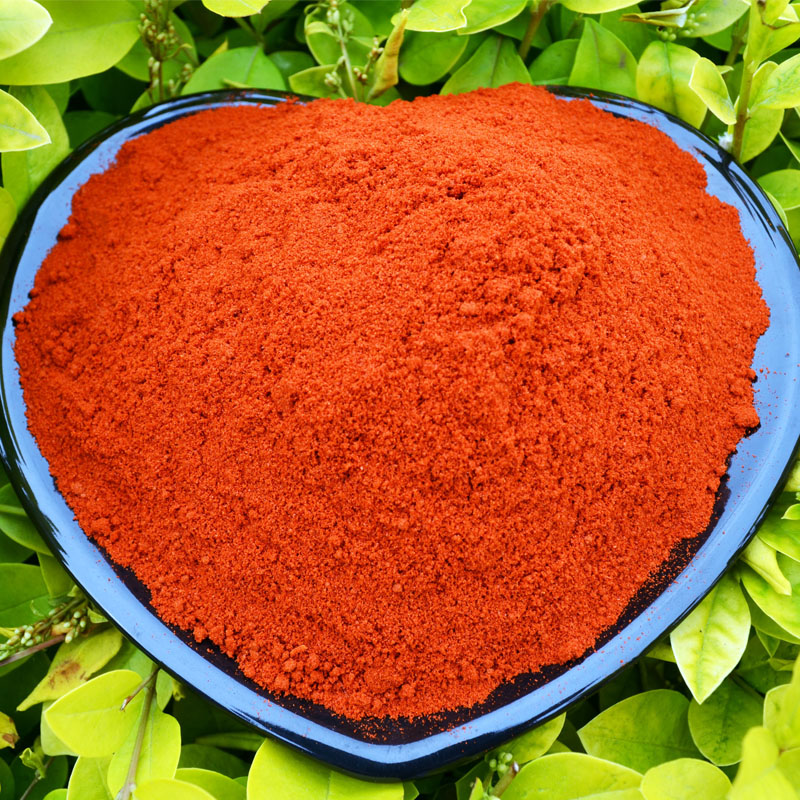
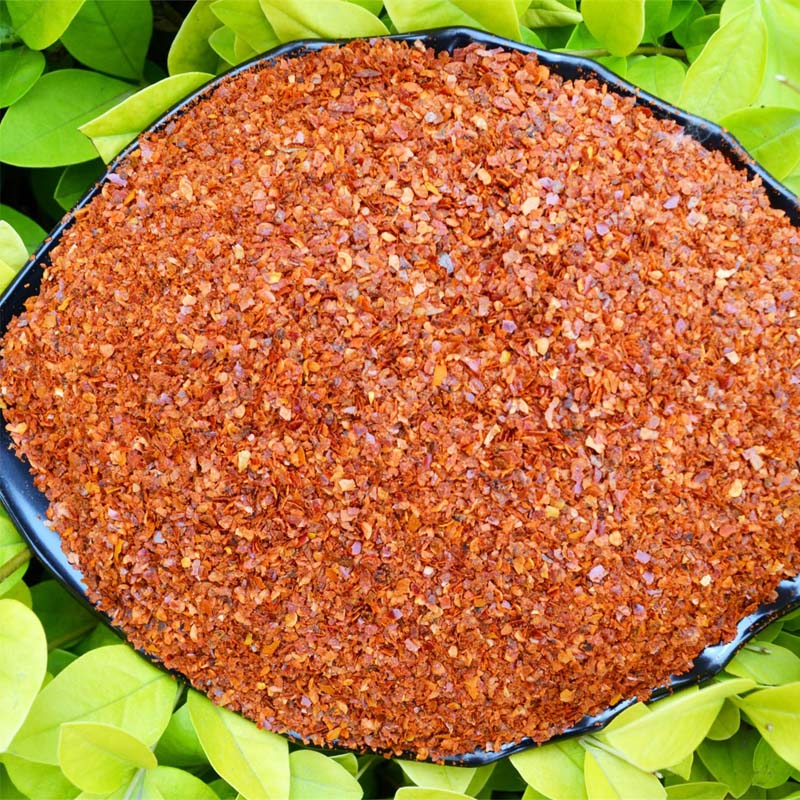
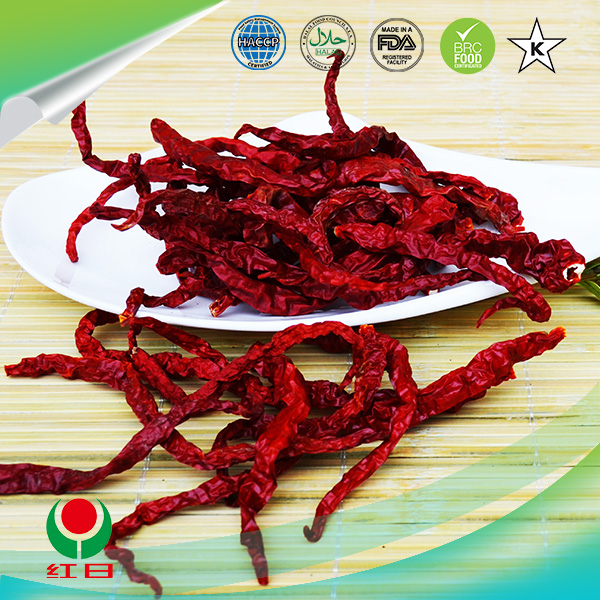
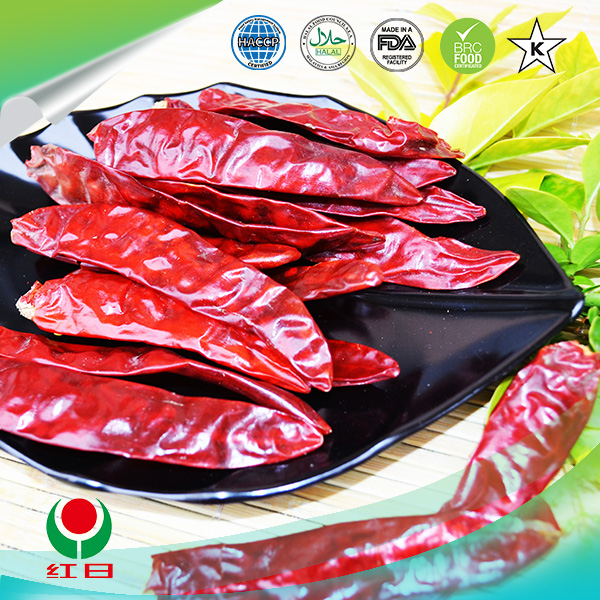
So, what exactly is fresh crushed red pepper? At its simplest, it’s dried red chili peppers that have been coarsely crushed into flakes — often with some seeds included — used as a spicy condiment. Unlike powdered chili, crushed flakes retain texture and a more complex flavor profile, offering both heat and subtle smoky or fruity notes.
In industry terms, “fresh” often denotes minimal processing post-harvest to preserve the peppers' natural pungency and vibrant color. This keeps it desirable in gourmet cooking, artisan food markets, and even in humanitarian food aid packaging, where shelf life and nutrition are vital.
Key Factors Influencing Fresh Crushed Red Pepper Quality and Use
1. Origin and Variety
The type of chili used (Cayenne, Aleppo, or Korean chili, for example) drastically affects heat levels, flavor nuance, and color intensity. Regions like India, Turkey, and Mexico are recognized for distinct cultivars, which are often marketed as single-origin products.
2. Processing Methods
From sun-drying to mechanical dehydrators, processing approaches impact moisture content, color, and capsaicin retention. Oddly enough, simple traditional sun-drying can sometimes yield richer flavors than industrial methods — though at the expense of consistent quality.
3. Packaging and Preservation
Packaging innovations, such as vacuum sealing and UV-protective containers, help retain freshness, preventing oxidation and microbial contamination — crucial for exporters.
4. Sustainability and Ethical Sourcing
Many producers are now embracing organic farming, fair trade certifications, and environmentally friendly practices, reflecting growing consumer demand for ethical spices.
5. Supply Chain and Market Access
Efficient logistics—from rural farms to urban consumers—are essential in preserving the pepper's quality and ensuring fair prices for farmers.
| Specification | Details |
|---|---|
| Typical Heat Level (Scoville Heat Units) | 30,000 - 50,000 SHU |
| Moisture Content | 8% - 12% |
| Color | Bright Red to Deep Crimson |
| Main Varieties | Cayenne, Aleppo, Korean, Bird’s Eye |
| Shelf Life | ~12 months (sealed and stored cool) |
Mini takeaway: Fresh crushed red pepper's distinctiveness lies in its varietal origins, drying process, and packaging — these factors collectively shape flavor, heat, and shelf stability.
Global Applications & Use Cases
- Culinary arts: It’s a staple in Italian, Middle Eastern, and Asian cuisines, elevating everything from pizza to kimchi.
- Food industry: Used extensively in sauces, spice blends, and ready-to-eat meals to build flavor complexity.
- Health and wellness: Incorporated into supplements and functional foods for purported metabolism-boosting benefits.
- Humanitarian aid: Surprisingly, spices like fresh crushed red pepper are included in ration packs to improve taste and morale in crisis zones.
Take the example of Southeast Asia, where local farmers supply to international spice markets, creating both employment and export revenue. And in Europe, artisanal producers market single-origin crushed red peppers as gourmet products, commanding premium prices.
Advantages & Long-Term Value
There’s an emotional element to fresh crushed red pepper, too — the warmth of shared meals, the kick of excitement in a recipe, the trust in a quality spice literally handed down through generations. Logically, it offers:
- Cost-efficient seasoning: A little goes a long way in adding flavor and heat.
- Sustainability: When sourced ethically, it supports rural economies and sustainable farming.
- Nutrition: Rich in vitamins and antioxidants, with potential health-promoting properties.
- Reliability: With proper drying and storage, it boasts a long shelf life compared to fresh chilies.
It’s a simple yet elegant ingredient that embodies trust and authentic taste.
Future Trends & Innovations
The spice industry is not immune to digital transformation and green trends. Oddly enough, automation in harvest and quality grading is becoming more common, improving consistency. Additionally, innovations like solar-powered dehydrators help reduce carbon footprints, while blockchain technology is being piloted for traceability — a huge win for consumer confidence.
Moreover, there's growth in hybrid peppers bred for higher yields and distinctive flavors, reflecting a fusion of tradition and modern agriculture.
Challenges & Solutions
Challenges are always part of the story. One pervasive issue is maintaining flavor integrity during long-distance shipping. Oxidation and moisture intrusion can dull that characteristic heat and vibrant color. There’s also the problem of adulteration or mislabeling, which undermines trust.
Solutions include advanced vacuum-sealing, improved farmer training, and stricter certification schemes. NGOs and industry groups are collaborating globally to support small holders in meeting international quality norms.
| Vendor | Origin | Certifications | Organic | Export Volume (Metric Tons) |
|---|---|---|---|---|
| SpiceWorld Co. | India | ISO 22000, FSSC 22000 | Yes | 1500 |
| RedFlake Traders | Turkey | GlobalGAP, Organic | Yes | 1200 |
| ChiliCorp | Mexico | ISO 9001 | No | 2000 |
Frequently Asked Questions About Fresh Crushed Red Pepper
- Q1: How should fresh crushed red pepper be stored for maximum freshness?
- A1: Store it in an airtight container, away from heat and direct sunlight. Refrigeration can extend shelf life, especially in humid climates. Keep it dry to prevent clumping and mold.
- Q2: What are the health benefits of adding crushed red pepper to meals?
- A2: It's rich in antioxidants and vitamins A and C. The capsaicin compound may aid metabolism and offer anti-inflammatory effects, though individual results vary.
- Q3: Can fresh crushed red pepper be used as a natural preservative?
- A3: While it has antimicrobial properties, it isn’t a replacement for proper food preservation but can complement by reducing microbial growth in certain foods.
- Q4: How does fresh crushed red pepper differ from powdered chili?
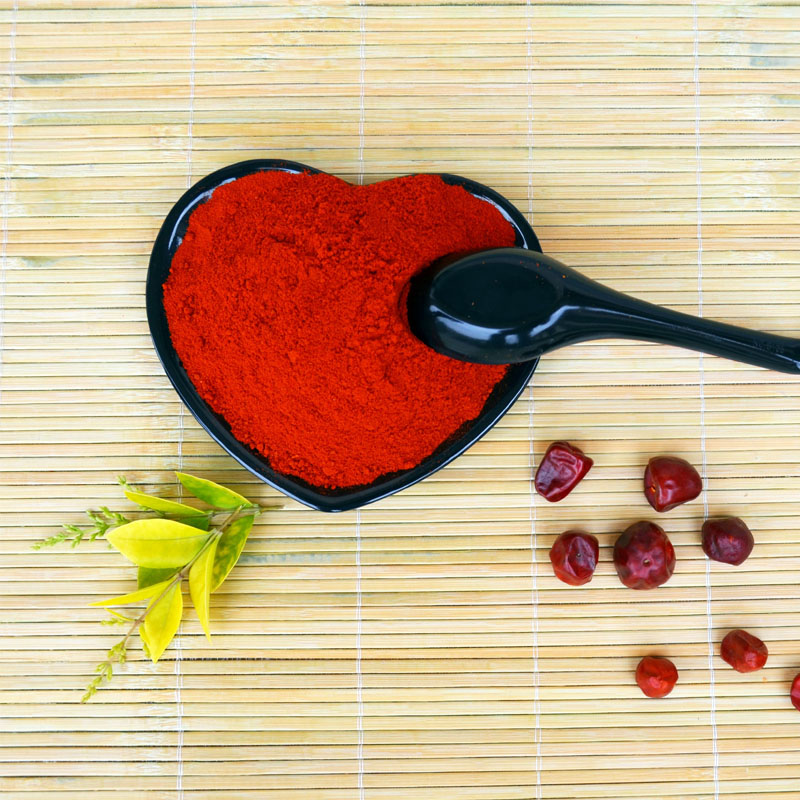
- A4: Crushed red pepper is coarser with flakes and seeds, offering texture and multi-dimensional flavor, whereas chili powder is finer and often blended with other spices.
- Q5: Is fresh crushed red pepper safe for all diets and ages?
- A5: Generally yes, but because it can be very spicy, it’s best used cautiously with children or those sensitive to heat. Always check for allergies or digestive issues.
Conclusion: Why Fresh Crushed Red Pepper is Here to Stay
In real terms, fresh crushed red pepper offers a spicy blend of tradition, nutrition, and economic opportunity. From vibrant kitchens worldwide to niche specialty markets, its enduring popularity reflects its ability to connect cultures and commerce alike. Whether you’re a home cook or a culinary professional, appreciating its complexities is its own kind of delight.
If you want to explore quality options or learn more about sourcing authentic products, don’t hesitate to visit fresh crushed red pepper suppliers online. Your next recipe — or business venture — might just spark to life with a pinch of crushed red pepper.
And yes, it’s worth the zing.
References
-
Guide to Sourcing and Using Premium Dried Spicy PeppersNewsApr.16,2026
-
Dried Spur Chili Guide to Premium Flavor and Industrial QualityNewsApr.09,2026
-
Exploring the World of Dried Whole Chili Peppers and Their Culinary UsesNewsApr.07,2026
-
Exploring the Culinary World of Dried Whole Chillies and Their Versatile UsesNewsApr.04,2026
-
Exploring the World of Red Dried Chiles and Their Culinary UsesNewsMar.31,2026
-
Exploring the Culinary World of Red Dried Chili Peppers and Their Versatile UsesNewsMar.28,2026
 Afrikaans
 Albanian
 Amharic
 Arabic
 Armenian
 Azerbaijani
 Basque
 Belarusian
 Bengali
 Bosnian
 Bulgarian
 Catalan
 Cebuano
 Corsican
 Croatian
 Czech
Czech
 Danish
 Dutch
Dutch
 Esperanto
 Estonian
 Finnish
 French
 Frisian
 Galician
 Georgian
 German
 Greek
Greek
 Gujarati
 Haitian Creole
 Hausa
Hausa
 Hawaiian
 Hebrew
 Hindi
Hindi
 Miao
Miao
 Hungarian
 Icelandic
 Igbo
Igbo
 Indonesian
 Irish
Irish
 Italian
 Japanese
 Javanese
 Kannada
 Kazakh
 Khmer
Khmer
 Rwandese
 Korean
 Kurdish
 Kyrgyz
 Lao
Lao
 Latin
Latin
 Latvian
 Lithuanian
 Luxembourgish
 Macedonian
 Malgashi
 Malay
Malay
 Malayalam
 Maltese
 Maori
Maori
 Marathi
 Mongolian
 Myanmar
 Nepali
 Norwegian
 Norwegian
 Occitan
 Pashto
 Persian
 Polish
 Portuguese
 Punjabi
 Romanian
 Russian
 Samoan
 Scottish Gaelic
 Serbian
 Sesotho
 Shona
Shona
 Sindhi
 Sinhala
 Slovak
 Slovenian
 Somali
 Spanish
 Sundanese
 Swahili
 Swedish
 Tagalog
 Tajik
Tajik
 Tamil
Tamil
 Tatar
Tatar
 Telugu
 Thai
Thai
 Turkish
 Turkmen
 Ukrainian
 Urdu
Urdu
 Uighur
 Uzbek
Uzbek
 Vietnamese
 Welsh
Welsh
 Bantu
Bantu
 Yiddish
 Yoruba
 Zulu
Zulu
 English