Neiegkeeten
-
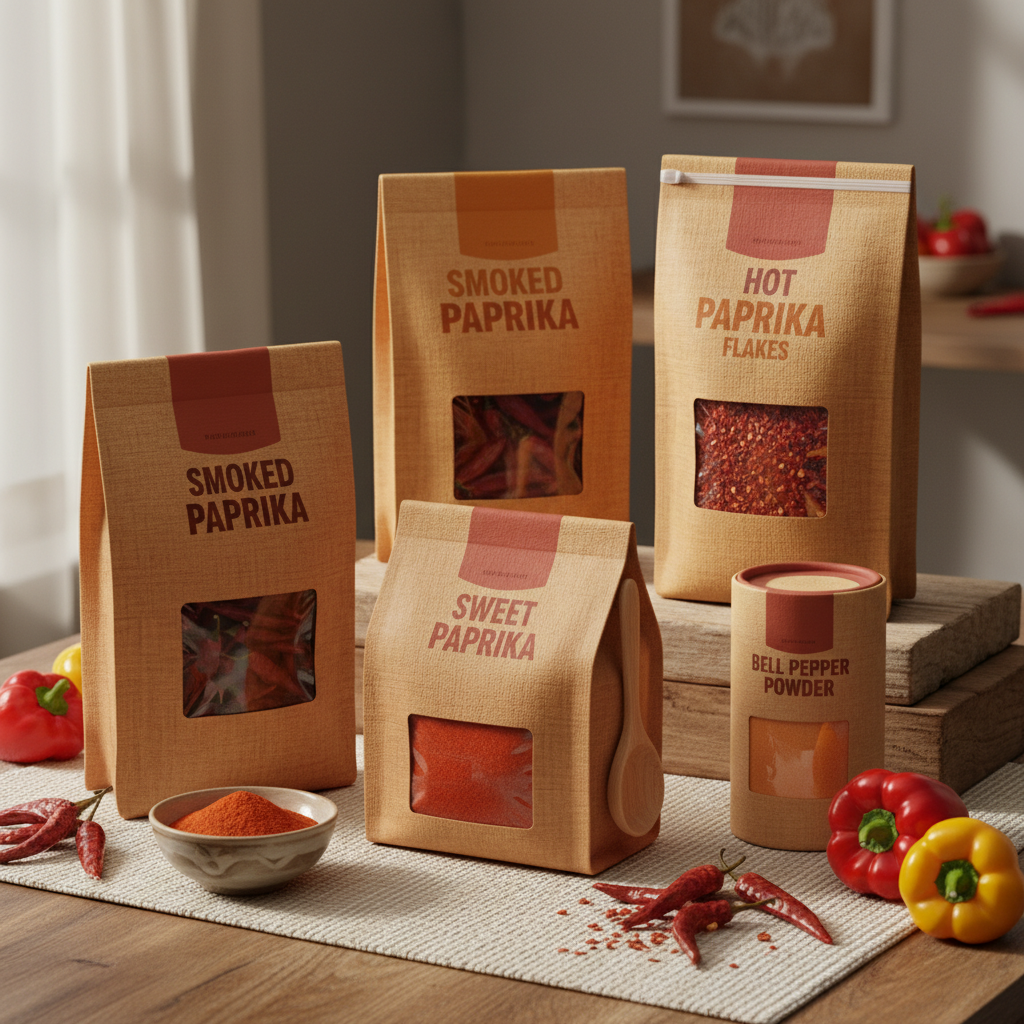
Exploring The Diverse World Of Different Paprikas And Their Culinary Uses
Paprika, a spice derived from dried peppers, is a staple in cuisines around the globe. However, it's not a single entity! A diverse range of paprika varieties exist, each boasting unique flavors, colors, and heat levels. From the sweet and mild to the smoky and fiery, understanding different paprikas is key to elevating your cooking. At Hongri Spice, we specialize in sourcing and offering authentic, high-quality paprika from Hungary, the heartland of this beloved spice. Discover the nuances of paprika and unlock a world of flavor possibilities. While the pepper itself originated in the Americas, paprika as we know it today is deeply rooted in Hungarian culinary tradition. Hungarian paprika is renowned for its quality and diversity, thanks to the ideal growing conditions and generations of expertise. The paprika pepper was introduced to Hungary in the 16th century, and through careful selection and cultivation, a remarkable array of types has emerged. These aren't simply varying degrees of heat; they represent distinct flavor profiles and culinary applications. The flavor of paprika is affected by its origin, the type of pepper, the growing conditions and the drying process.Liest méi -
The Ultimate Guide to Making Chilli Powder for Flavorful Cooking
Creating your own chilli powder is a rewarding experience, allowing you to tailor the heat and flavour to your precise preference. From selecting the right chillies to the drying and grinding processes, this guide from Hongri Spice will walk you through everything you need to know. We’ll explore the different chilli varieties, the best drying techniques, and how to achieve the perfect consistency for your homemade chilli powder. Discover how to elevate your cooking with fresh, flavorful spice blends! The quality of your chilli powder begins with the chillies themselves. There’s a vast range to choose from, each offering a unique heat level and flavour profile. Popular options include ancho chillies (mild, fruity), guajillo chillies (medium, smoky), chipotle chillies (medium-hot, smoky), and cayenne chillies (hot, clean). You can create a single-chilli powder for focused heat or blend different varieties for a more complex flavour. At Hongri Spice, we source a wide range of high-quality chillies perfect for making your own spice blends.Liest méi -
Exploring the Art of Making Paprika A Comprehensive Guide to Quality and Uses
Paprika, a vibrant spice derived from dried peppers of the Capsicum annuum family, is a cornerstone of countless cuisines worldwide. From Hungarian goulash to Spanish chorizo, its distinctive flavor and color enhance a vast array of dishes. But have you ever wondered about the journey from pepper to powdered paprika? This article explores the intricate process of making paprika, its diverse uses, factors influencing quality, and why choosing a trusted supplier like Hongri Spice is crucial. The creation of high-quality paprika is a multi-stage process, beginning with careful pepper selection and culminating in precise grinding. First, specific varieties of Capsicum annuum, chosen for their color, flavor, and heat levels, are cultivated. Following harvest, the peppers are carefully washed and sorted to remove any damaged or discolored fruits. The core of paprika production lies in the drying process – traditionally sun-drying, but increasingly utilizing controlled dehydration methods to ensure consistent quality and prevent mold growth. Finally, the dried peppers are milled into the fine powder we know as paprika.Liest méi -
Exploring the Art of Making Paprika Powder From Pepper to Spice Jar
Paprika, a vibrant spice derived from dried peppers, adds a distinctive flavor and color to dishes worldwide. But have you ever wondered about the process of making paprika powder? It's more than just grinding dried peppers! This article explores the journey from pepper field to spice jar, covering selection, drying, grinding, and quality control. Understanding this process will give you a greater appreciation for this versatile spice. We will delve into both traditional methods and modern industrial techniques. The quality of paprika powder begins with the peppers themselves. Specifically, Capsicum annuum varieties are used, chosen for their flavor, color, and heat levels. Sweet paprika typically comes from peppers with little to no capsaicin (the compound that creates heat). Hot paprika utilizes varieties with higher capsaicin content. Color also plays a crucial role: bright red peppers yield the most vibrant paprika. Once harvested, the peppers must be dried to reduce moisture content and develop their characteristic flavor. Traditional methods involve sun-drying, where peppers are spread out on mats and exposed to sunlight. This is a slow process, taking several weeks, and requires careful monitoring to prevent mold growth. Modern industrial methods use dehydrators with controlled temperatures, accelerating the process while still maintaining quality.Liest méi -
Exploring the World of Paprika Types and Their Culinary Uses
Paprika, a beloved spice derived from dried peppers of the Capsicum annuum family, boasts a remarkable range of flavors and colors. Far beyond simply a reddish powder, paprika encompasses a spectrum of varieties, each offering unique characteristics. Understanding these paprika types is crucial for chefs, food enthusiasts, and anyone seeking to elevate their culinary creations. From sweet and mild to smoky and intensely hot, the world of paprika is surprisingly complex and delightful. Hongri Spice provides a wide selection of authentic paprika to suit every palate. Sweet paprika is perhaps the most commonly recognized type, originating largely from Hungary. It's made from the dried, ground fruit of sweet pepper varieties, lacking the capsaicin that imparts heat. Its flavor is mildly sweet and fruity, with a vibrant red color. Sweet paprika serves as an excellent base for many dishes, adding color and a subtle flavor without overpowering other ingredients. It’s often used in stews, soups, and as a garnish. In stark contrast to sweet paprika, hot paprika delivers a significant kick. Produced from spicier pepper varieties, it contains a higher concentration of capsaicin, the compound responsible for heat. The color can range from bright red to a deeper, more brick-like hue. Hot paprika is often used to add a fiery element to chili, stews, and rubs for meats.Liest méi -
Exploring the Diverse Use of Chili Powder From Culinary To Health Benefits
Chili powder, a staple in cuisines worldwide, is far more than just a spice. It's a blend of ground chili peppers and other spices, creating a complex flavor profile that adds depth and warmth to countless dishes. But its uses extend beyond the kitchen, encompassing potential health benefits and even applications in gardening. At Hongri Spice, we're passionate about the quality and versatility of chili powder, offering a range of options to suit every palate and need. Explore the exciting world of chili powder and discover how it can enhance your life. The most common use of chili powder is, undoubtedly, in cooking. It’s a key ingredient in Tex-Mex cuisine, lending its signature heat to chili con carne, tacos, and enchiladas. However, its versatility doesn’t stop there. It’s fantastic in rubs for grilled meats, marinades for chicken and fish, and even adds a subtle warmth to chocolate desserts. Different types of chili powder offer varying levels of heat and flavor complexity, allowing you to customize dishes to your preference.Liest méi -
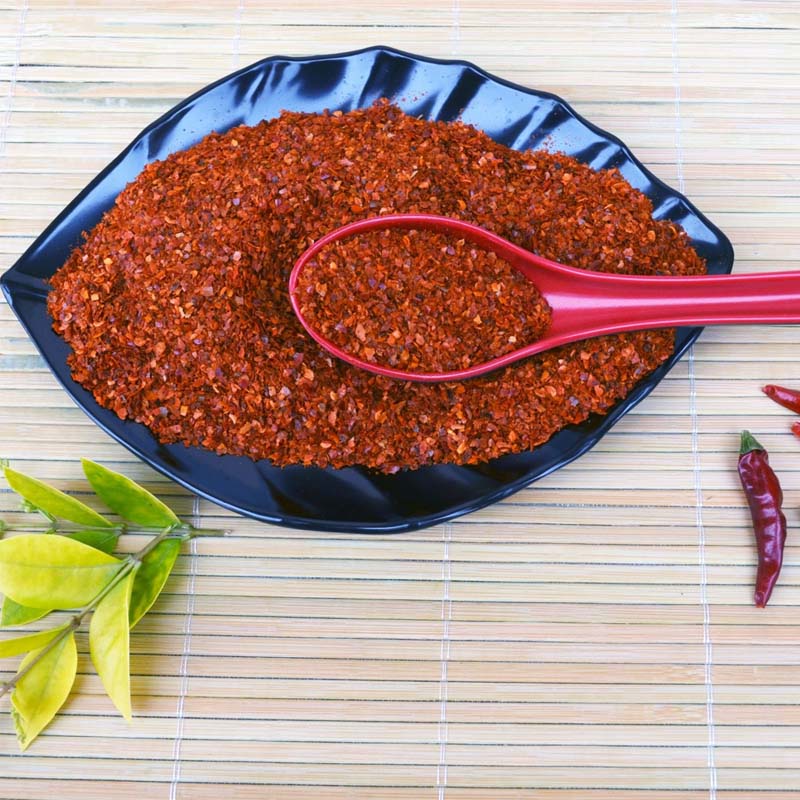
Crushed Red Chili Pepper - Xingtai Hongri Biotech | Natural Spice, Heat Control
Discover natural crushed red chili pepper with precise heat control from Xingtai Hongri Biotech. Premium quality, BRC/ISO certified, and rich in antioxidants. Ideal for culinary applications, health benefits, and global cuisine. Explore: https://www.hongrispice.comLiest méi -
Crushed Red Chili Pepper - Xingtai Hongri Biotech | Natural Spice, Heat Control
Discover natural crushed red chili pepper with precise heat control from Xingtai Hongri Biotech. Premium quality, BRC/ISO certified, and rich in antioxidants. Ideal for culinary applications, health benefits, and global cuisine. Explore: https://www.hongrispice.comLiest méi -
Comprehensive Guide to Chilli Powder Price Per Kg Global Market Analysis
The global demand for chilli powder is continuously growing, driven by diverse culinary applications and the increasing popularity of spicy foods worldwide. Understanding the factors influencing the chilli powder price per kg is crucial for both businesses and consumers. This article will delve into the key elements impacting pricing, global market trends, different chilli varieties, and how to source high-quality chilli powder from a reliable supplier like Hongri Spice. We’ll explore price fluctuations, quality considerations, and emerging market dynamics. Several interconnected factors contribute to the fluctuations in chilli powder price per kg. These include the geographical origin of the chillies, the specific variety used, weather conditions impacting crop yields, labor costs in producing regions, processing and packaging expenses, and transportation costs.Liest méi -
Comprehensive Guide to Paprika 1kg Price Factors and Options
Paprika, a vibrant spice derived from dried peppers, is a culinary staple globally. Understanding the paprika 1kg price is crucial for both home cooks and businesses. This article will delve into factors influencing the price, different types of paprika, where to find quality options, and provide a price overview. We'll explore what makes a good paprika purchase and guide you toward getting the best value. The paprika 1kg price isn't fixed; it fluctuates based on several factors. The type of paprika is a major determinant – sweet paprika generally costs less than hot or smoked varieties. The origin of the peppers plays a significant role; Hungarian paprika is often considered higher quality and commands a premium price. Crop yields and weather conditions also impact supply and, consequently, price.Liest méi
 Luxembourgish
  Afrikaans
  Albanian
  Amharic
  Arabic
  Armenian
  Azerbaijani
  Basque
  Belarusian
  Bengali
  Bosnian
  Bulgarian
  Catalan
  Cebuano
  Corsican
  Croatian
  Czech
Czech  Danish
  Dutch
Dutch  English
  Esperanto
  Estonian
  Finnish
  French
  Frisian
  Galician
  Georgian
  German
  Greek
Greek  Gujarati
  Haitian Creole
  Hausa
Hausa  Hawaiian
  Hebrew
  Hindi
Hindi  Miao
Miao  Hungarian
  Icelandic
  Igbo
Igbo  Indonesian
  Irish
Irish  Italian
  Japanese
  Javanese
  Kannada
  Kazakh
  Khmer
Khmer  Rwandese
  Korean
  Kurdish
  Kyrgyz
  Lao
Lao  Latin
Latin  Latvian
  Lithuanian
  Macedonian
  Malgashi
  Malay
Malay  Malayalam
  Maltese
  Maori
Maori  Marathi
  Mongolian
  Myanmar
  Nepali
  Norwegian
  Norwegian
  Occitan
  Pashto
  Persian
  Polish
  Portuguese
  Punjabi
  Romanian
  Russian
  Samoan
  Scottish Gaelic
  Serbian
  Sesotho
  Shona
Shona  Sindhi
  Sinhala
  Slovak
  Slovenian
  Somali
  Spanish
  Sundanese
  Swahili
  Swedish
  Tagalog
  Tajik
Tajik  Tamil
Tamil  Tatar
Tatar  Telugu
  Thai
Thai  Turkish
  Turkmen
  Ukrainian
  Urdu
Urdu  Uighur
  Uzbek
Uzbek  Vietnamese
  Welsh
Welsh  Bantu
Bantu  Yiddish
  Yoruba
  Zulu
Zulu